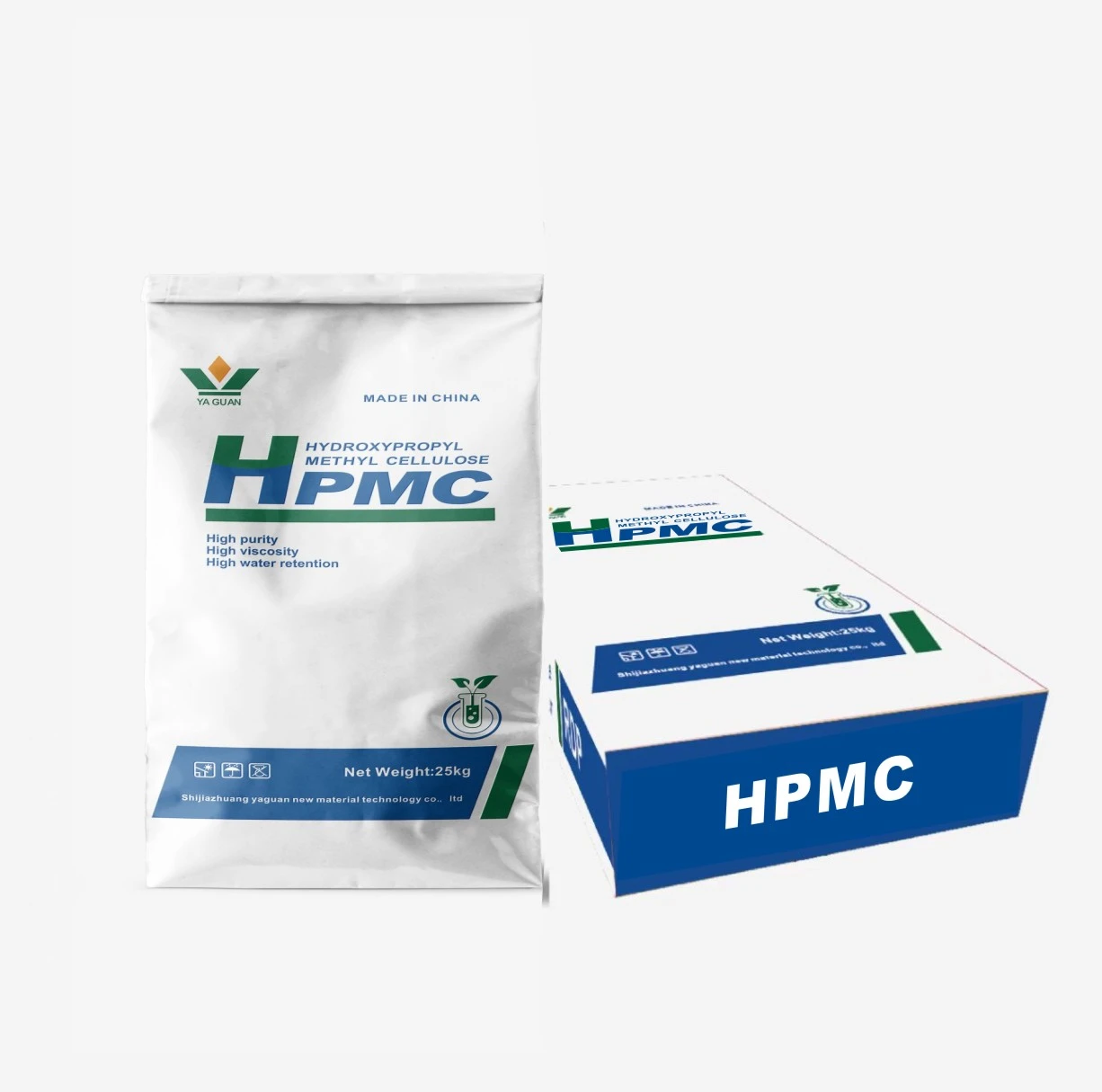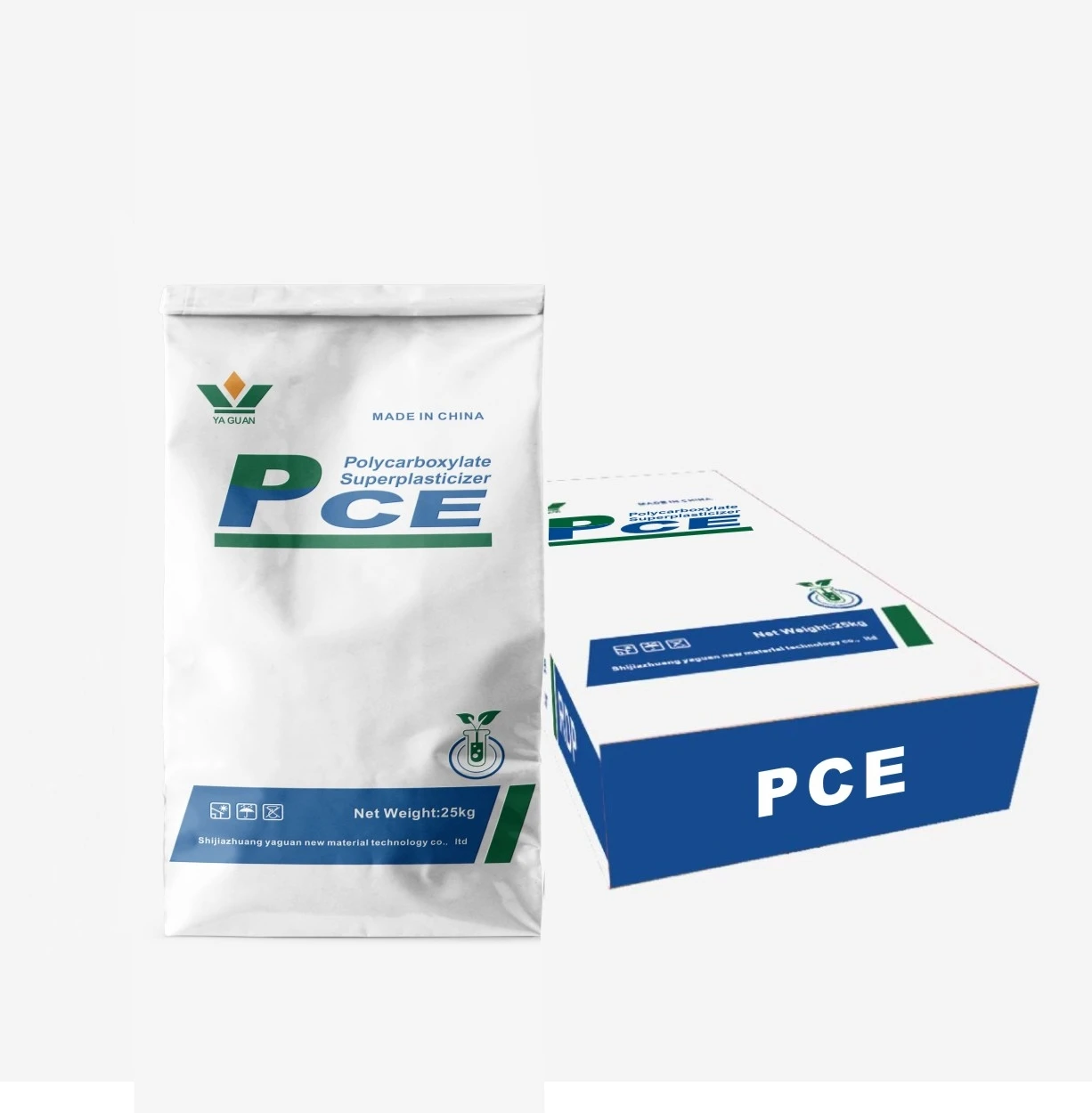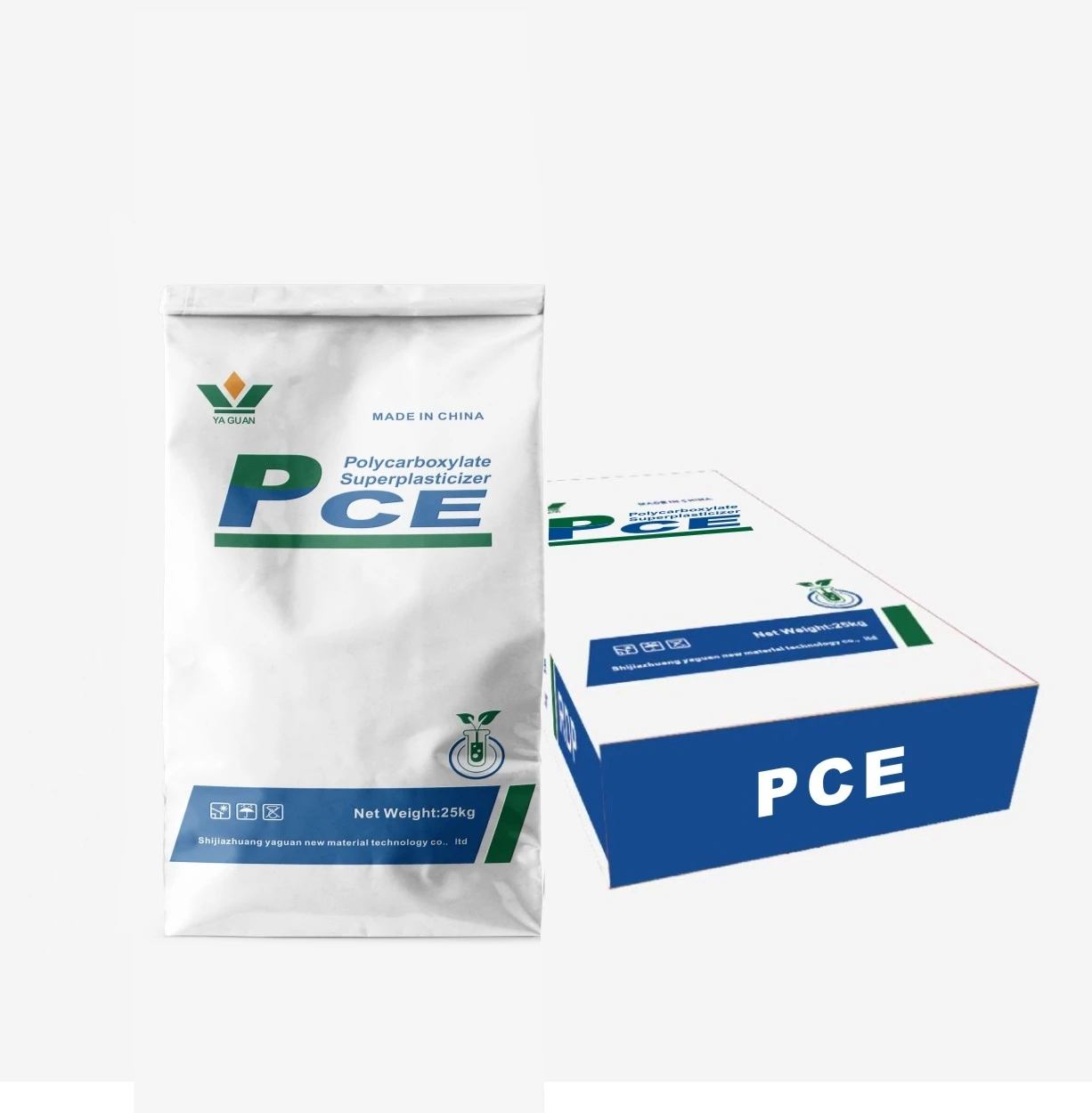

Understanding What Is Water Reducing Admixture and Why It Matters
If you’ve ever mixed concrete or watched a construction site, you probably know water is a fundamental part of the process. But here’s the catch: more water doesn’t always mean better concrete. That’s where water reducing admixtures come into play — additives that allow concrete mixtures to achieve optimal flow and strength with less water. This simple yet ingenious tweak is quietly shaping everything from skyscraper foundations to humanitarian housing projects worldwide.
But why is knowing what is water reducing admixture so important? Aside from improving structural integrity, it addresses big-picture problems like resource scarcity, environmental impact, and construction automation — all of which are game changers in the modern building industry and disaster relief efforts.
Why Water Reducing Admixtures Are Global Game Changers
Around the world, infrastructures are aging while urban populations sharply increase. The UN projects the world’s urban population to hit nearly 7 billion by 2050, pressuring construction sectors to innovate sustainably. According to ISO standards (ISO 12350, for example), improving concrete quality while reducing water and cement usage is a priority — mainly because cement production is a major carbon emitter.
However, more than 30% of concrete mixtures traditionally suffer from excessive water, leading to reduced durability and longer setting times. Enter water reducing admixtures — products that help manufacturers meet strict durability codes without overusing water. Knowing about this additive is a direct line to less waste and longer-lasting structures.
What Is Water Reducing Admixture? A Simple Explanation
Put simply, a water reducing admixture is a chemical agent added to concrete that decreases the amount of water needed in the mixture but maintains the workability of fresh concrete. Think of it as a magic potion that lets the mix flow smoothly without adding unnecessary water — which would otherwise weaken the final product.
These admixtures are commonly used in everything from residential buildings and bridges to emergency shelters and remote infrastructure. They connect directly to modern needs, offering an elegant solution to the ever-present challenge of balancing strength, sustainability, and cost.
Core Components and How They Influence Concrete
1. Durability
Water reducing admixtures strengthen concrete by lowering the water-cement ratio, meaning fewer pores in the hardened material and thus less susceptibility to cracking or weathering. In environments exposed to moisture, salt, or temperature shifts this durability directly translates to longer lifespans.
2. Workability
By improving flow without thinning the mixture, these admixtures allow easier placement and compaction with less labor. This is particularly helpful in complex molds or dense reinforcement where concrete needs to reach tricky spots.
3. Cost Efficiency
Using less water can also mean optimizing cement usage because less water excess means better hydration. Over time, this reduces material costs and lowers the carbon footprint — a win-win for budgets and sustainability teams alike.
4. Setting Time Control
Some water reducers influence how quickly the mixture sets, giving project managers greater control over timing — handy for large pours or prefabricated elements.
5. Compatibility
Modern water reducing agents work with various cement types and admixtures, allowing flexible use across projects without unwanted side effects.
Mini Takeaway:
Simply put, these admixtures juggle multiple variables — strength, flexibility, cost, and environment — making them indispensable for today’s construction challenges.
Real-World Applications of Water Reducing Admixtures
So, where exactly do these admixtures get used? Across continents and project types, from towering urban campuses in Asia to remote rebuilding efforts in Africa after natural disasters.
- Post-Disaster Relief: Quickly setting, strong concrete means shelters are safer and more durable. In Haiti’s earthquake rebuilding, admixtures helped deliver lasting homes rapidly.
- Infrastructure Projects: Bridges and highways benefit hugely by extending service life and cutting maintenance costs over decades.
- Industrial Zones: In isolated areas with limited water resources, controlling water usage isn’t just eco-friendly — it’s essential.
- Eco-Friendly Developments: Green certification often requires reduced cement and water use — two goals that water reducers help meet.
Mini Takeaway:
Water reducing admixtures aren’t just lab innovations; they prove their worth in real structures, affecting lives in both urban jungles and rural towns.
Product Specification Table: Typical Water Reducing Admixture Parameters
| Parameter | Typical Range | Unit | Remarks |
|---|---|---|---|
| Water Reduction Percentage | 5–15 | % | Depends on dosage and type |
| pH | 6–9 | - | Neutral to mildly alkaline |
| Specific Gravity | 1.05–1.10 | g/cm³ | Varies by chemical formulation |
| Chloride Content | % | Low to avoid corrosion | |
| Dosage Rate | 0.2–2.0 | % w.r.t cement | Depends on mix and desired effect |
Advantages & Long-Term Value of Water Reducing Agents
In practical terms, fewer materials and longer-lasting concrete mean big savings across the board. Many engineers say these admixtures cut down concrete cracking and maintenance work by roughly 20–30%, which translates to fewer repairs over decades. Environmentally, less cement and water reduce CO2 emissions and conserve precious resources — something that feels urgent given global climate challenges.
Emotionally, there’s also peace of mind. Structures built with high-quality concrete inspire trust — whether it’s in your child’s school or a hospital. The innovation involved here fosters dignity and safety in places where it matters most.
Vendor Comparison Table: Leading Water Reducing Admixture Suppliers
| Vendor | Type of Admixture | Water Reduction (%) | Eco-Friendliness | Price Range (per liter) |
|---|---|---|---|---|
| Yaguan HPMC | Polycarboxylate Ether | 10–15% | High | $$ |
| Master Builders | Lignosulfonate | 5–10% | Medium | $ |
| Sika | Polycarboxylate Ether | 8–14% | High | $$$ |
Future Trends & Innovations in Water Reducing Admixtures
Innovators are already exploring bio-based admixtures derived from sustainable sources like plant extracts, reducing environmental impact further. Digital sensors embedded in concrete can analyze hydration in real-time, optimizing admixture dosage to perfection — some might call it the “smart concrete” revolution. Automation in batching plants coupled with AI helps standardize admixture use, minimizing human error.
Plus, policies worldwide are pushing green building standards that prioritize low-carbon concrete, and water reducers are central to meeting these targets.
Overcoming Current Challenges
Let’s be honest — water reducers aren’t a silver bullet. Compatibility issues with different cement types or additives can occur. Dosage control must be precise; otherwise, unexpected setting delays may happen. But with ongoing R&D and improved quality assurance, these hurdles are becoming manageable.
In the field, collaboration between admixture suppliers, engineers, and onsite workers is essential — and that’s where many projects stand or fall.
Frequently Asked Questions About What Is Water Reducing Admixture
- Q: How does water reducing admixture improve concrete strength?
- A: By lowering the water content while maintaining workability, it reduces capillary pores in the hardened concrete, increasing density and strength significantly.
- Q: Are water reducers environmentally friendly?
- A: Generally, yes. They decrease cement and water usage, lowering CO₂ emissions, especially newer formulations made from eco-friendly chemicals.
- Q: Can water reducing admixtures be used in all types of cement?
- A: Most modern admixtures are compatible with Portland cement and blends, but it’s best to check product specs to avoid any mix incompatibility.
- Q: Will these admixtures affect the color or finish of concrete?
- A: Typically, no. They are designed to be chemically inert regarding color but may influence surface smoothness positively.
- Q: How are water reducing admixtures dosed in concrete mixes?
- A: Dosage depends on the desired water reduction and specific product guidelines but usually ranges from 0.2% to 2% by weight of cement.
Conclusion: Why Knowing What Is Water Reducing Admixture Pays Off
Understanding what is water reducing admixture opens doors to smarter, greener, and longer-lasting concrete solutions. It’s a cornerstone technology in tackling global infrastructure demands with sustainability front and center. While challenges remain, the future looks bright for mixtures that work harder and smarter, not just wetter.
Want to explore reliable products and detailed specs? Check out Yaguan HPMC’s water reducing admixtures for cutting-edge quality and support.