

Understanding Examples of Water-Reducing Admixtures: Why They Matter Globally
Water-reducing admixtures might sound like technical jargon you’d only bump into on a construction site, but their role extends far beyond that. These additives are changing the way we think about concrete, infrastructure, and even sustainability worldwide. Simply put, water-reducing admixtures help produce concrete mixtures that require less water without compromising workability or strength. This is crucial because water conservation in concrete production has both environmental and economic impacts globally. Especially as urbanization surges and infrastructure demands increase, knowing your way around these examples of water-reducing admixtures can be a game-changer.
For engineers, builders, or anyone curious about sustainable building practices, understanding these admixtures isn’t just helpful — it’s increasingly necessary.
Global Context: Why Water-Reducing Admixtures Are Relevant Today
The global construction industry consumes a staggering volume of fresh water in concrete production, estimated to be hundreds of millions of cubic meters annually according to the Wikipedia page on concrete. Countries facing water scarcity — say, in the Middle East, parts of Africa, or even drought-stricken regions of the United States — have a pressing need to optimize water use in construction. The ISO standards recognize admixtures as key to strengthening sustainable construction goals.
Moreover, the World Bank highlights the tie between durable infrastructure and social wellbeing. Excess water in concrete leads to weaker structures prone to cracking and corrosion. Simply reducing water while maintaining workable mixes increases durability and reduces maintenance costs. It’s like getting more bang for your building buck.
Yet, the challenge has always been finding additives that lessen water content without making the mix too stiff or difficult to pour. That’s where examples of water-reducing admixtures come in.
What Exactly Are Examples of Water-Reducing Admixtures?
In the simplest terms, water-reducing admixtures are chemicals added to concrete mixes to lower the water requirement while retaining or even enhancing the mix's workability and strength. Think of them as “smart helpers” that convince water and cement to get along better.
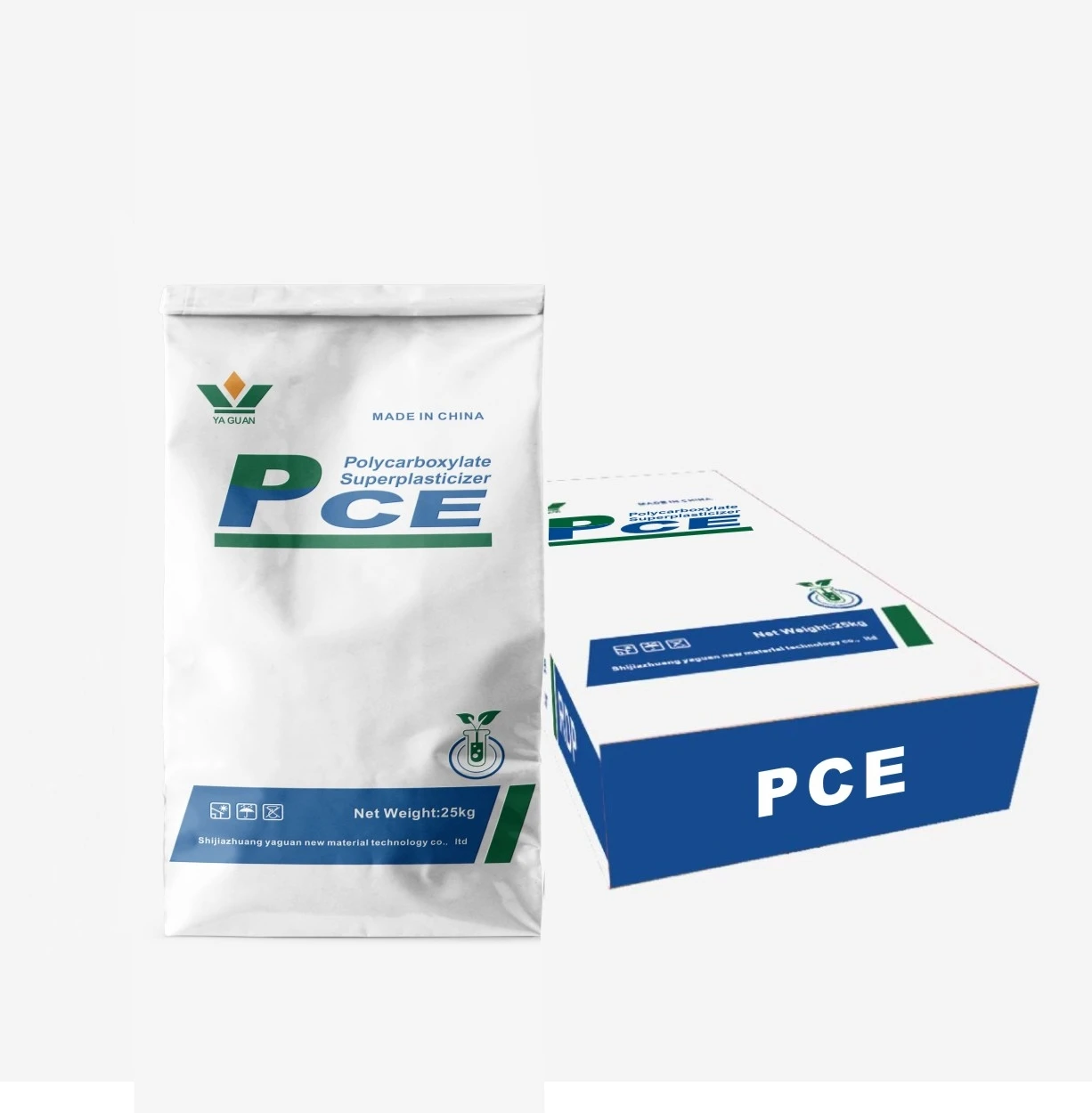
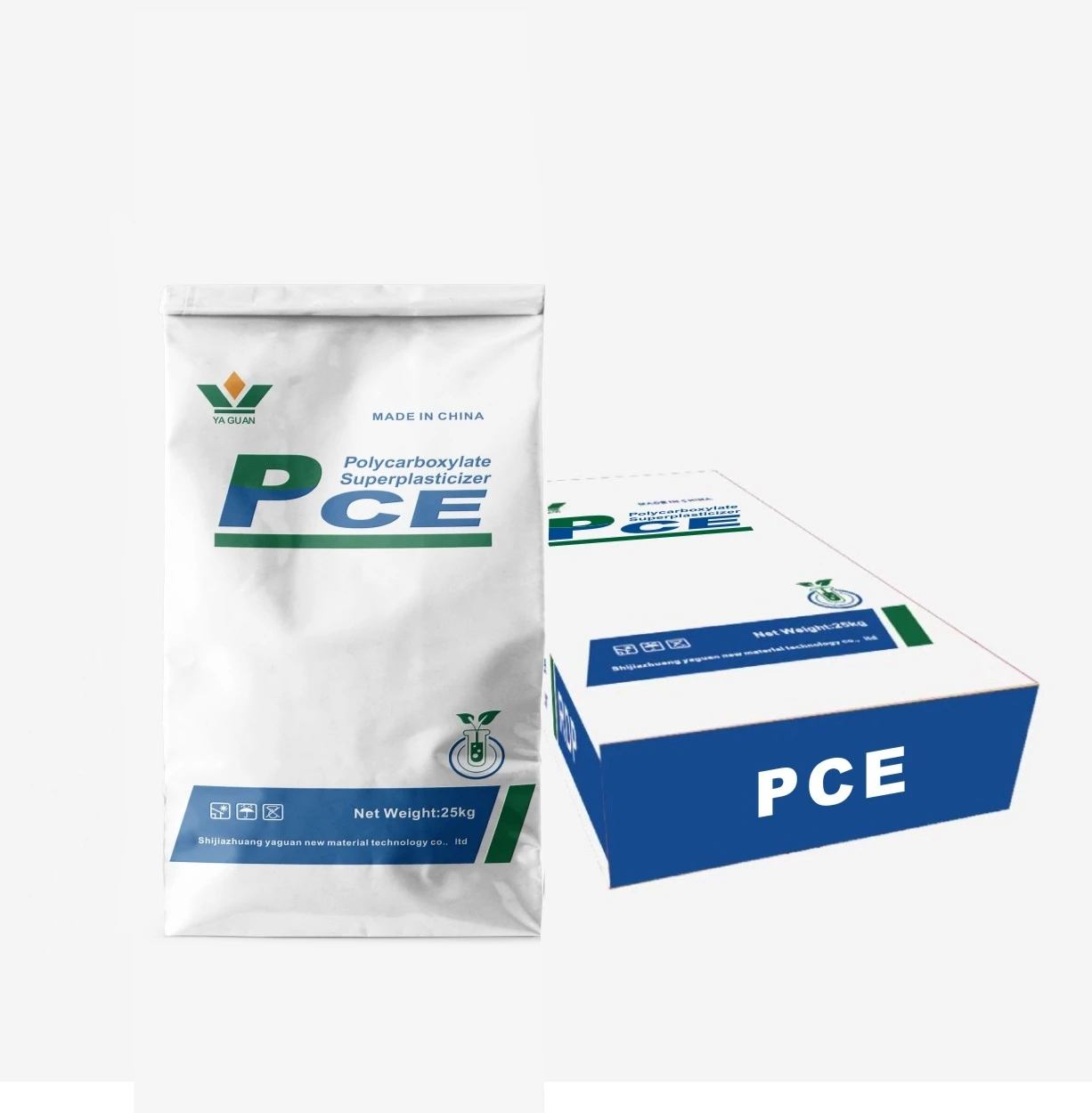
Typically, these include substances like lignosulfonates, polycarboxylate ethers (PCE), and naphthalene sulfonates. Each works differently but shares the goal of reducing excess water. In humanitarian efforts, for instance, these admixtures enable faster, stronger emergency shelters with fewer resources, supporting better structural integrity where it counts.
Key Factors to Consider with Water-Reducing Admixtures
1. Durability
Lower water in concrete means fewer pores and cracks, resulting in longer-lasting structures. Many engineers I’ve talked to swear by admixtures for infrastructure projects exposed to harsh weather.
2. Workability
A good water reducer doesn’t just dry out the mix — it ensures the fresh concrete remains easy to place and finish, even on complex forms or tight timelines.
3. Cost Efficiency
While some admixtures can be pricier upfront, their benefits in saving water and reducing maintenance create long-term savings, especially for large-scale projects.
4. Environmental Sustainability
By cutting water use, these admixtures contribute to conserving a precious resource. Also, more durable concrete means fewer repairs, lowering carbon footprint over a structure’s life.
5. Compatibility
Not all admixtures work with every cement type or aggregate, so testing for compatibility is key in avoiding mix failures.
Typical Product Specification Table: Water-Reducing Admixture Examples
| Specification | Lignosulfonate | Polycarboxylate Ether (PCE) | Naphthalene Sulfonate |
|---|---|---|---|
| Water Reduction | 5-10% | 15-30% | 10-20% |
| Dosage | 0.3-0.6% by weight of cement | 0.2-0.5% by weight of cement | 0.4-0.7% by weight of cement |
| Setting Time Impact | Slight delay | Minimal to none | Moderate delay |
| Typical Applications | General concrete, masonry | High-performance concrete, precast | Ready-mix concrete |
Mini takeaway: Not all water-reducing admixtures are created equal — their performance, dosage, and effects vary widely, which is why specs matter.
Global Use Cases: Where and How Are These Admixtures Making a Difference?
Water-reducing admixtures have found versatile uses worldwide:
- Urban Infrastructure Projects: Cities in Asia and South America where water access fluctuates rely on admixtures to sustain roadways and bridges.
- Post-Disaster Reconstruction: Following earthquakes or floods, quick-setting admixtures reduce water use and accelerate rebuilding.
- Remote Industrial Zones: Mining operations in arid areas apply admixtures to cut down water needs and keep access roads durable.
- Green Building Initiatives: European standards increasingly require admixtures to meet sustainability benchmarks in new builds.
One clever example: a NGO operating in drought-hit East Africa discovered that incorporating polycarboxylate ethers into their concrete drastically lowered water dependency, enabling faster construction of clinics and schools despite scarce local resources.
Advantages & Long-Term Value of Water-Reducing Admixtures
It’s not just about reducing water. When you think about the full lifecycle benefits—there’s a compelling story to tell.
- Cost Savings: Less water means less transportation, less curing time, and fewer defects, all lowering total project costs.
- Sustainability: Water conservation reduces environmental impact, aligning with global carbon-reduction commitments.
- Social Impact: More durable and reliable infrastructure promotes safety, community trust, and quality of life — especially critical in vulnerable regions.
- Innovation: Their use pushes the boundaries of what concrete can do—from ultra-thin elements to high-strength precast panels.
Truth be told, this subtle additive is quietly powering some of the most ambitious construction projects worldwide.
Vendor Comparison: Popular Water-Reducing Admixture Suppliers
| Vendor | Key Product | Water Reduction Range | Application Areas | Sustainability Features |
|---|---|---|---|---|
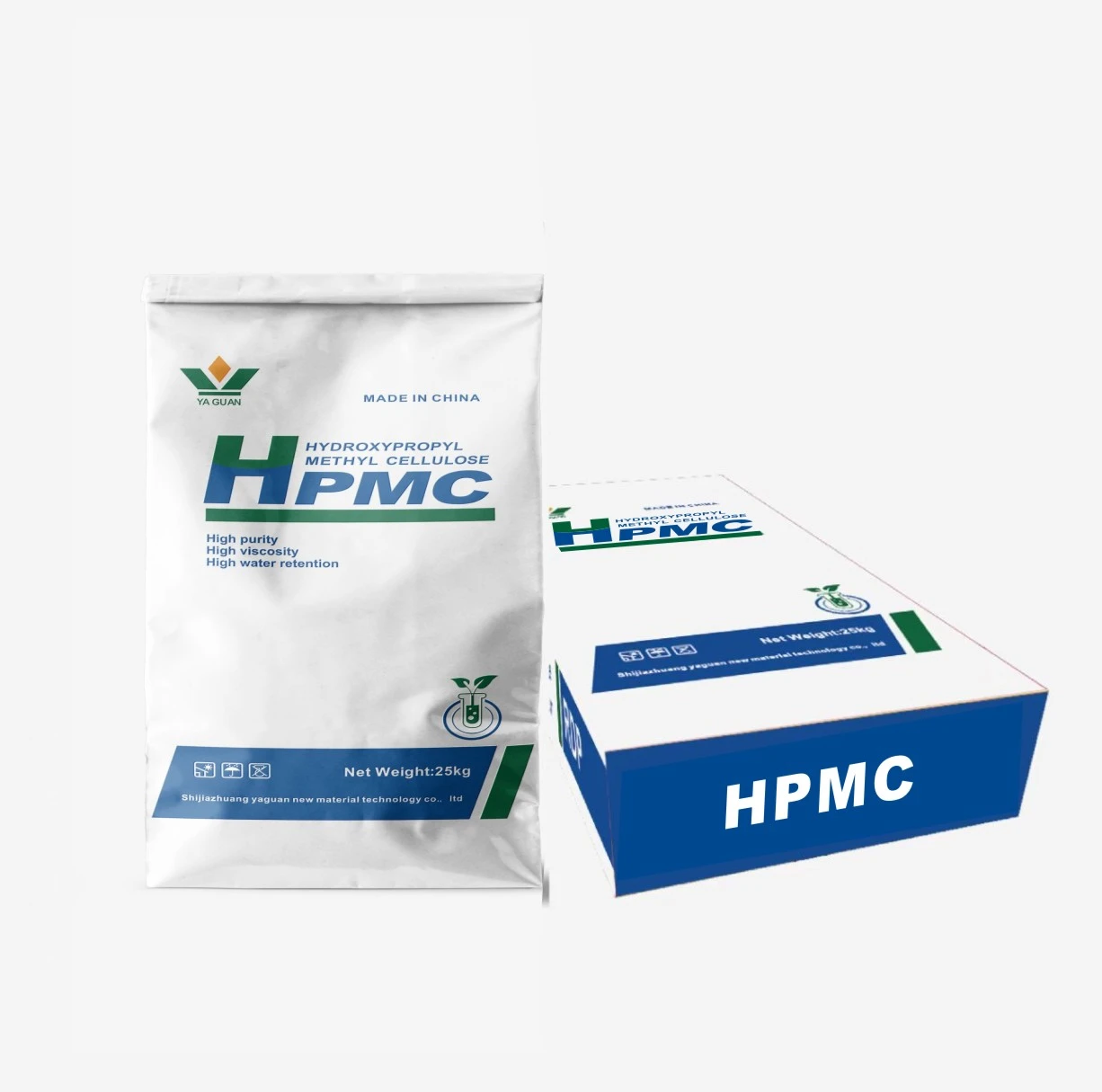
| Yaguan HPMC | Polycarboxylate Ether-based admixture | 18-30% | High-performance concrete, precast | Bio-based raw materials, low VOC emissions |
| BASF | Master Glenium® | 15-28% | Ready-mix, infrastructure | Recyclable packaging, optimized dosing |
| Sika | Sika Viscocrete® | 10-22% | Concrete repairs, precast elements | Reduced water demand, enhanced durability |
Mini takeaway: Choosing the right vendor depends on specific project needs, the environment, and desired sustainability credentials.
Looking Ahead: Future Trends in Water-Reducing Admixtures
There’s a palpable shift towards greener, smarter additives. Innovations combining digital monitoring sensors embedded in concrete and admixtures optimized for 3D printing are on the horizon. Green chemistry advances aim to replace petrochemical-based components with bio-derived molecules, aligning with circular economy goals. Automation in mixing enabled by smarter admixtures means less human error and more consistency. And with increasing codes integrating environmental impact assessments, it’s clear water-reducing admixtures aren’t just a niche anymore — they’re becoming baseline technology.
Common Challenges and How Experts Are Tackling Them
Still, challenges persist. Some admixtures may delay setting time (which can be tricky in cold weather), or incompatibility issues with certain cements cause mix instability. The cost premium occasionally deters smaller contractors from adopting advanced admixtures, despite long-term gains.
Experts suggest more rigorous local testing regimes, collaborative trials, and flexible dosing strategies to overcome these hurdles. Also, some innovators are working on admixtures that self-adjust to environmental conditions — a fascinating glimpse into concrete’s future.
FAQ: Frequently Asked Questions About Examples of Water-Reducing Admixtures
- Q1: How do water-reducing admixtures improve concrete strength?
- A1: By lowering the water-to-cement ratio, these admixtures reduce porosity in the hardened concrete, resulting in higher compressive strength and durability.
- Q2: Are all water reducers compatible with every type of cement?
- A2: Not necessarily. Some admixtures are optimized for specific cement types, so compatibility testing is recommended before large-scale use.
- Q3: Can these admixtures help in cold weather concreting?
- A3: Yes, some formulations include set accelerators or are designed to minimize delay, helping concrete cure properly in lower temperatures.
- Q4: Do water-reducing admixtures make concrete more expensive?
- A4: Initially, yes. However, the savings from reduced water use, faster construction times, and long-term durability often outweigh upfront costs.
- Q5: Where can I find trusted suppliers of these admixtures?
- A5: Established chemical producers like Yaguan HPMC, BASF, and Sika offer reliable water-reducing admixtures tailored for various applications. It’s best to request product datasheets and trial samples.
Conclusion: Why Examples of Water-Reducing Admixtures Are Here to Stay
In real terms, the humble water-reducing admixture quietly revolutionizes concrete. From protecting scarce water supplies to enhancing infrastructure lasting decades, understanding and using these additives brings tangible benefits. Whether you’re an industry veteran or new to sustainable construction, diving deeper into examples of water-reducing admixtures is well worth your time. The future of resilient, eco-friendly concrete depends on it.
For more detailed product info and global supplier options, be sure to visit: Yaguan HPMC.