

Understanding How Do Water Reducing Admixtures Work: A Handy Guide
If you’ve ever wondered how concrete can be both strong and workable without mixing in enormous amounts of water, you’re in for a treat. How do water reducing admixtures work is a question that lies at the heart of modern construction and civil engineering. These tiny chemical wonders help us use less water to obtain the same—or even better—properties in concrete, which, frankly, is a global game-changer for sustainability, durability, and cost-effectiveness.
Whether you’re building skyscrapers, bridges, or post-disaster shelters, knowing how these admixtures work unlocks better project outcomes and resource conservation. Plus, with the rise of sustainable building codes worldwide, they're no longer just add-ons; they're essentials.
Why Water Reducing Admixtures Matter Globally
According to the United Nations and the World Bank, construction accounts for nearly 40% of global energy consumption and a similar chunk of greenhouse gas emissions. A big part of that comes from cement production and concrete usage—materials thirsty for water during mixing.
But water scarcity is rising. The UN estimates two-thirds of the global population might face water shortages by 2025. Here’s the rub: traditional concrete designs require high water volumes, which means pressure on increasingly stretched water supplies and reduced durability.
Enter water reducing admixtures: chemical additives that allow engineers to cut the water content by 5–30%, improving concrete strength without losing flowability. This simple tweak packs a powerful punch—better performance, sustainability, and cost savings.
What Exactly Are Water Reducing Admixtures?
At its core, how do water reducing admixtures work can be summed up as follows: these are polymer-based or chemical compounds added to fresh concrete mixtures to reduce the water content necessary for the concrete to maintain its workability.
Imagine your concrete is a dough. Normally, to make it smooth and easy to shape, you’d add a lot of water. But water weakens the dough as it dries. Water reducers chemically coat cement particles so they repel each other, preventing clumps and letting you work with less water but the same flow. Simply put, they’re the secret sauce to stronger, less porous concrete.
In modern construction — whether it’s a highway bridge in Germany or a humanitarian shelter in East Africa — this technique is essential for rapid, reliable, and sustainable builds.
Key Factors That Define Water Reducing Admixtures
1. Durability
Less water means less porosity in concrete, translating to longer life spans and resistance to cracking and environmental wear. Better durability means infrastructure doesn’t just last; it becomes more reliable during extreme weather or heavy use.
2. Scalability
These admixtures can be tailored for huge industrial pours or small-scale precast items. That flexibility helps large construction companies and small contractors alike.
3. Cost Efficiency
Though these additives add some upfront cost, they reduce cement and water usage overall, saving money in the big picture. Plus, stronger concrete cuts down on maintenance expenses.
4. Environmental Impact
Cutting water and cement usage lowers CO₂ emissions—critical when trying to meet global climate targets. Less water use also helps conserve precious natural resources, a win-win for planet and project.
5. Compatibility
They work with different cement types and admixtures, making them versatile for varied global conditions, from humid tropics to freezing winters.
Global Applications: Where and How Are These Admixtures Making a Difference?
- Urban Infrastructure: Cities from Shanghai to Stockholm rely on these admixtures to build high-rise foundations and tunnels that stand the test of time.
- Disaster Relief Construction: In post-earthquake Nepal and flood-affected Bangladesh, quick setting, stronger concrete means faster, safer rebuilding of homes and schools.
- Industrial Zones: Remote mining or energy sites in Canada or Australia use admixtures to reduce water reliance where water is scarce, maintaining progress without straining local resources.
- Green Building Projects: From LEED-certified buildings in the US to eco-friendly developments in Europe, these admixtures align perfectly with sustainability goals.
As a mini takeaway, it’s clear that the impact is broad, touching everything from mega cities to tiny villages—all benefiting from smarter chemistry.
The Advantages and Lasting Benefits
On the pragmatic side, using water reducers means:
- Stronger structures — concrete with higher compressive strength and better durability.
- Lower maintenance costs over the lifecycle.
- Reduced water and cement consumption, which cuts environmental impact.
- Faster construction cycles, meaning projects finish sooner and budgets stay intact.
But beyond the numbers, there’s an emotional and societal uplift: safer infrastructure protects lives, dignified housing fosters community resilience, and innovative construction techniques build trust between governments, builders, and citizens.
A Quick Look at Water Reducing Admixture Specifications
| Specification | Values / Details |
|---|---|
| Typical Water Reduction | 5-30% |
| Dosage Range | 0.2% to 1.5% by cement mass |
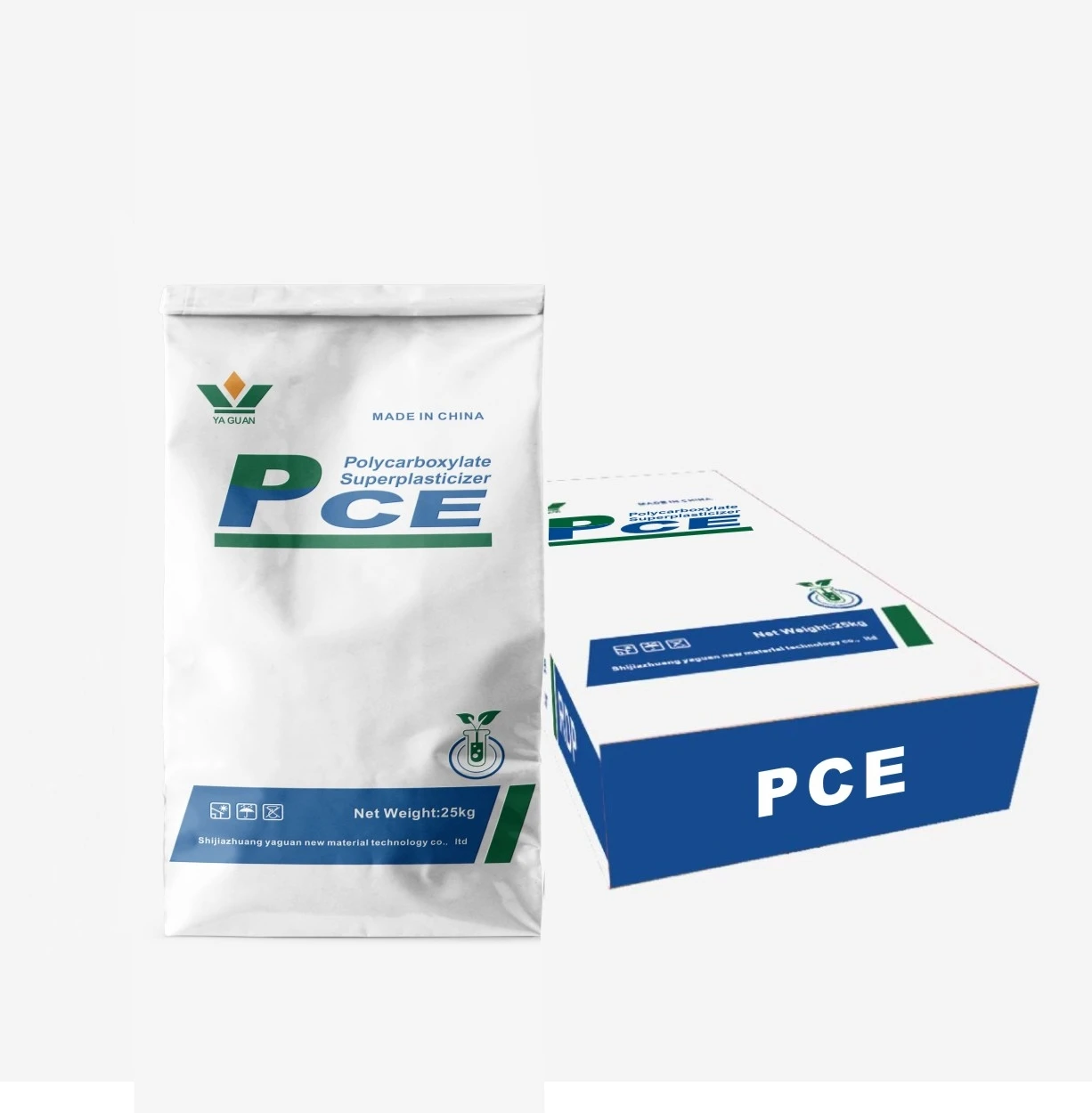
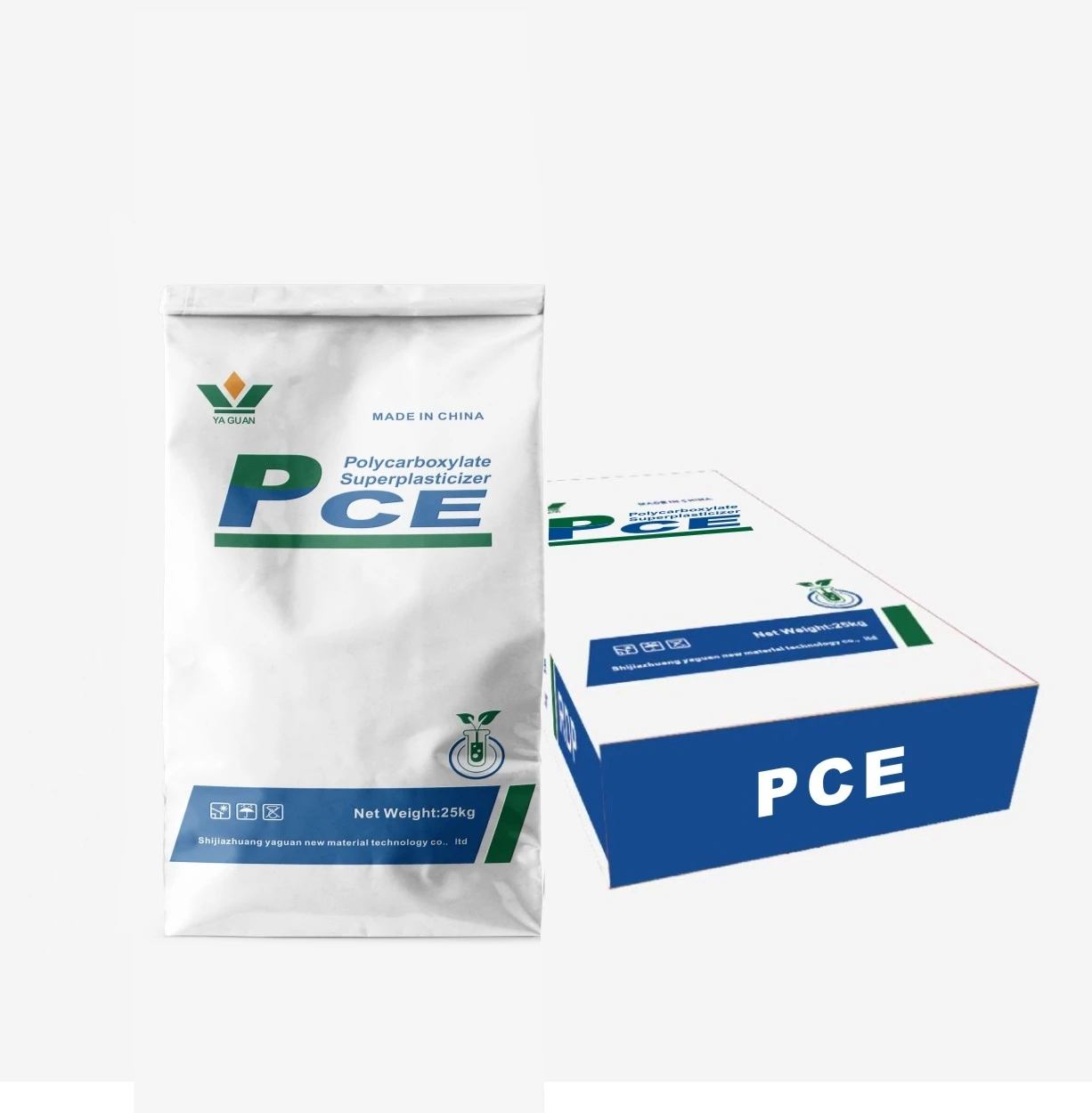
| Common Types | Lignosulfonates, Polycarboxylate ethers (PCE), Sulfonated Melamine Formaldehyde |
| pH Range | 7-11 (typically) |
| Shelf Life | 6 to 12 months (sealed) |
Comparing Leading Water Reducing Admixture Vendors
| Vendor | Product Range | Global Reach | Sustainability Focus | Price Range |
|---|---|---|---|---|
| ChemSet Corp | Lignosulfonates, PCE | 70+ countries | High | Mid |
| PolyMix Ltd | Advanced PCE variants | 50 countries | Very High | Premium |
| EcoAdmix Solutions | Bio-based reducers, PCE | 30 countries | Exceptional | Mid to High |
| GlobalBuild Chemicals | Wide spectrum, cost-focused | 90+ countries | Moderate | Low to Mid |
The Future of Water Reducing Admixtures: What Lies Ahead?
Innovation is stirring. With green chemistry gaining traction and digital tools weaving into construction workflows, water reducing admixtures are evolving. We’re seeing greater adoption of bio-based, fully recyclable admixtures that reduce environmental footprint even further. Plus, technologies like AI-driven mix design optimize dosage for local materials and weather conditions, trimming waste.
Automation on job sites means more consistent application, improving reliability and data tracking. Things are getting smarter, greener, and frankly, a bit more exciting for folks in concrete.
Challenges Still on the Table
Let’s be honest, no solution is perfect. Some admixtures might not work well with certain cement types or extreme climates without tweaking. Also, cost pressures especially in emerging markets can limit uptake.
But researchers and manufacturers are actively working on universal formulas and cost-effective, locally sourced materials. Plus, knowledge-sharing platforms like how do water reducing admixtures work help spread best practices faster.
FAQ About How Do Water Reducing Admixtures Work
- Q1: Can water reducing admixtures really improve concrete strength?
A: Definitely. By reducing water content, these admixtures help achieve a lower water-cement ratio, increasing compressive strength and durability. - Q2: Are water reducing admixtures environmentally friendly?
A: Most modern admixtures improve sustainability by reducing cement and water usage, both of which decrease CO₂ emissions and natural resource consumption. - Q3: How do I choose the right water reducer for my project?
A: Selection depends on factors like cement type, climate, desired workability, and cost. Consulting with manufacturers or professionals is best to tailor solutions. - Q4: Can these admixtures help in high-temperature environments?
A: Yes, specialized formulations exist for hot climates to control setting times and maintain workability under extreme conditions. - Q5: Is using water reducing admixtures complicated on-site?
A: Not at all. Most are liquid additives easily mixed into concrete batches without extra equipment, improving workability and quality consistently.
Wrapping Up: Why Mastering "How Do Water Reducing Admixtures Work" Pays Off
Water reducing admixtures are simple in concept but transformative in impact. By understanding how they work, engineers, builders, and policymakers can unlock stronger, longer-lasting, and greener concrete — ready for the challenges of today and tomorrow.
If you want to dig deeper into the chemistry and applications of these materials, visit us at https://www.yaguanhpmc.com. Building smarter means building better.
References: