
BP26 PVA: A Closer Look at This Industrial Workhorse
Having spent a fair chunk of my career in the industrial equipment sector, the bp26 pva stands out as one of those products you hear engineers quietly recommend without much fanfare. It’s not flashy, but it gets the job done — and that reliability, frankly, is what keeps factories running.
In real terms, "BP26 PVA" often refers to a specific-grade polyvinyl alcohol polymer used extensively in coatings, adhesives, and paper industries. What caught my eye years ago was its fine balance between film strength and water solubility. You get excellent tensile strength without compromising its environmentally friendly profile. Oddly enough, many newcomers overlook how crucial that solubility is, especially when working with water-based systems.
The product’s design, or rather the chemistry behind it, revolves around the degree of polymerization and hydrolysis. For BP26 PVA, the polymerization is typically around 1,250 to 1,300, and hydrolysis—somewhere in the 86-89% range. That neat balance means it forms strong films yet remains compatible with a variety of industrial processes.
| Specification | Details |
|---|---|
| Degree of Polymerization (DP) | 1250–1300 |
| Degree of Hydrolysis | 86–89% |
| Appearance | White powder |
| Viscosity (4% solution, 20°C) | 26–32 mPa·s |
| pH (4% solution) | 5.0–7.5 |
| Solubility | Cold water soluble |
I’ve noticed that users praise BP26 PVA especially for its versatility when formulating adhesives or paper coatings. That’s partly why, despite multiple polymer options on the market, it retains solid loyalty from those who’ve tested its performance on the floor. It’s sort of like the dependable colleague everyone can count on—steady rather than spectacular.
When I was first introduced to this grade, a longtime peer shared a story — at a paper mill, they switched from an older PVA variant to BP26. The result? Better film uniformity and fewer production hiccups during the coating phase. It wasn’t a headline-grabbing upgrade, but it quietly saved the plant tens of thousands each year in downtime.
Naturally, the market for these materials can feel a bit opaque. That’s why I want to give you a sense of how BP26 PVA stacks up against others from popular vendors. Some are made for high viscosity or ultra-high hydrolysis, but BP26 finds that middle ground.
| Brand | Degree of Hydrolysis | Viscosity (mPa·s) | Typical Uses | Price Range |
|---|---|---|---|---|
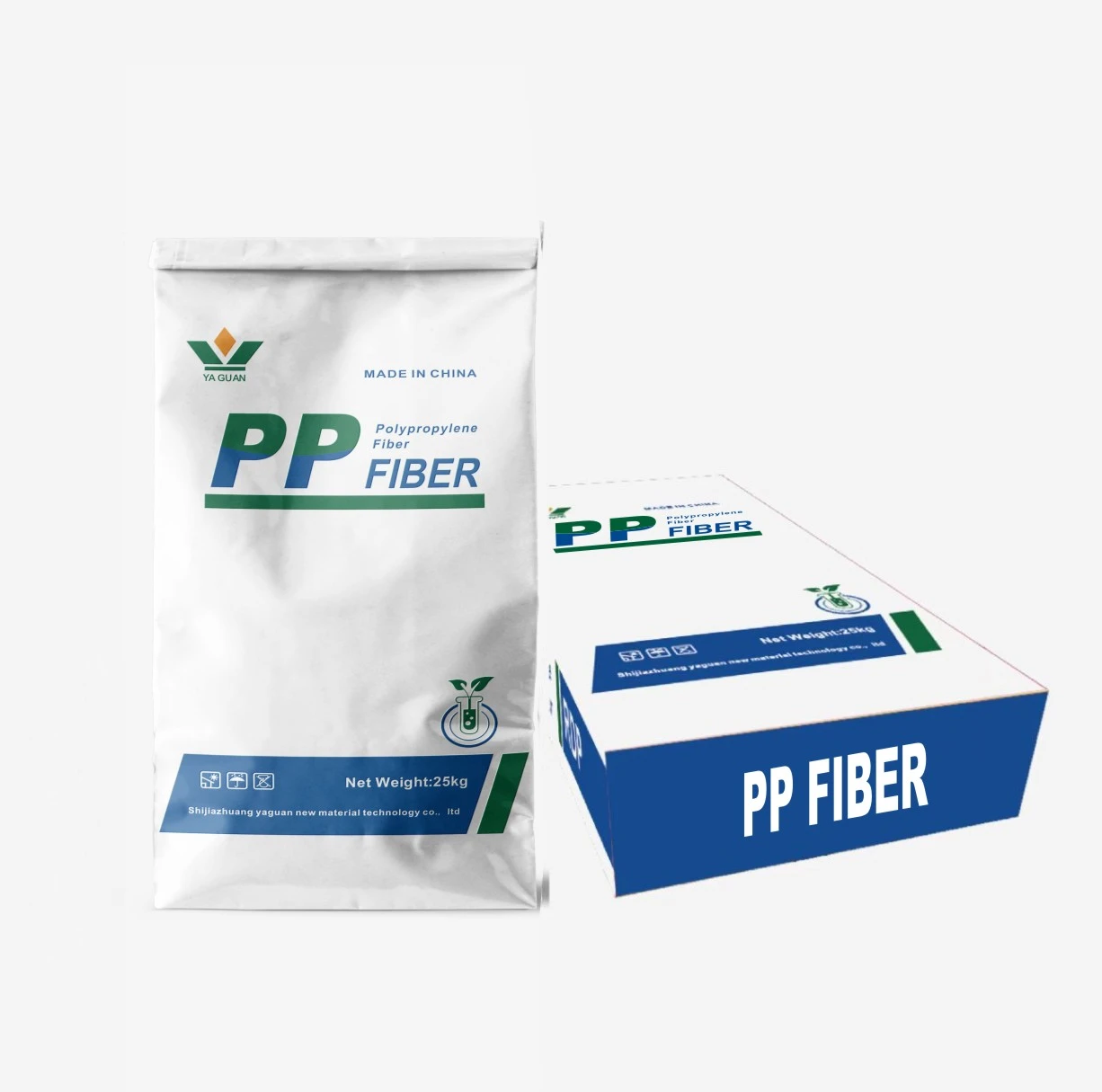
| BP26 PVA (Yaguan) | 86–89% | 26–32 | Coatings, Adhesives, Paper | Moderate |
| Brand X PVA | 88–91% | 20–25 | Textile, Paper | Higher |
| Brand Y PVA | 75–80% | 30–35 | Food Packaging, Adhesives | Lower |
So, if you’re in the market for a PVA variant that’s genuinely balanced and has plenty of practical field applications, the bp26 pva is worth serious consideration. I suppose it’s not the flashiest polymer out there, but it’s a proven workhorse, and those don’t come along that often.
Lastly, I should mention customization. In the industrial world, raw products like BP26 PVA sometimes get tweaked to suit extremely niche applications — whether that’s tweaking viscosity or blending to modify film flexibility. It’s always good to chat with your vendor about possibilities. You might be surprised.
To wrap up, decades on the floor taught me this: reliability beats novelty nearly every time, especially when your production lines can’t afford downtime. The BP26 PVA fits that philosophy perfectly.
– A note from someone who's been there, done that.
References:
1. "Polyvinyl Alcohol Grades and Applications," Industrial Polymers Handbook, 2021.
2. Yaguan Technical Datasheets (2023).
3. “Adhesion Properties of PVA in Paper Coatings,” Journal of Coatings Science, 2022.

Pervious