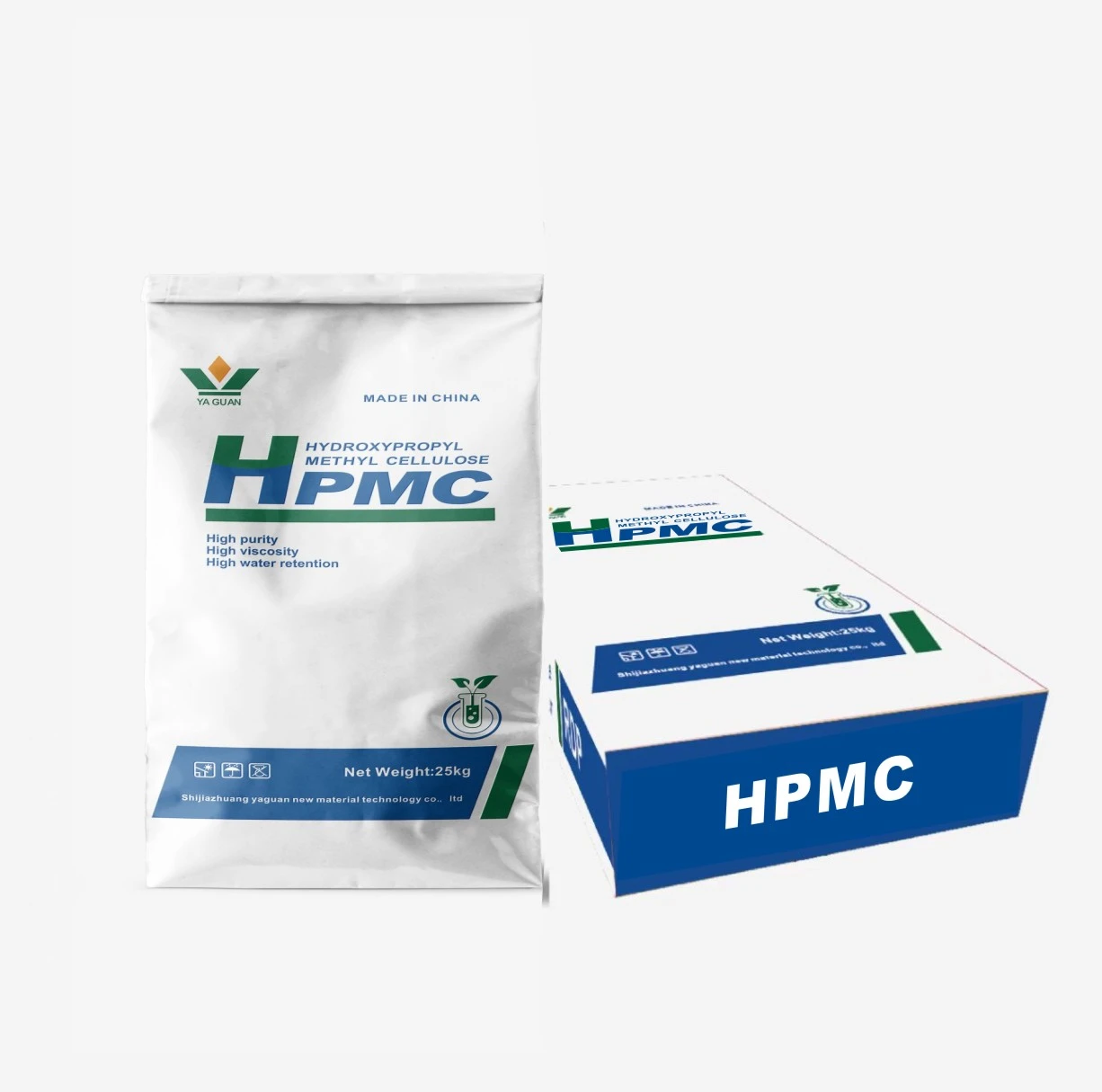

Understanding HPMC for Sale: A Global Perspective
Hydroxypropyl methylcellulose, or HPMC, has quietly carved out a crucial role in industries worldwide. Whether you’ve heard the term or not, HPMC for sale is a hot topic—especially for those in construction, pharmaceuticals, and even food packaging. Why? Because it’s one of those versatile polymers that tackle big challenges: improving product stability, enhancing performance, and ensuring safety.
Globally, the demand for substances like HPMC is on the rise. According to the International Trade Centre, cellulose ethers (including HPMC) have seen significant growth due to their adaptability and non-toxic nature. When you think about products ranging from drywall plaster to gluten-free baking, HPMC quietly does its job.
And here’s something worth pondering: as industries push towards sustainability without compromising quality, materials like HPMC step up. They bridge traditional chemical processing with modern needs for green, safe, and effective products.
The Global Significance of HPMC for Sale
Why is HPMC relevant globally? Industries across the world depend on materials that can perform under harsh conditions, remain stable over time, and improve the safety or longevity of products. According to ISO standards, materials used in building and food processing must meet strict purity and consistency tests. HPMC fits into these frameworks admirably.
For example, the global construction sector relies heavily on HPMC to improve mortar adhesion and workability — tasks impossible without such polymers. Also, the pharmaceutical sector values its inertness, which supports drug formulation without interfering chemically.
Unfortunately, many regions face problems with inconsistent material quality, supply chain bottlenecks, or non-compliant substitutes. Access to quality hpmc for sale thereby becomes a challenge and an opportunity, especially for emerging markets aiming to upgrade infrastructure and healthcare products.
What is HPMC? A Simple Definition
Hydroxypropyl methylcellulose is essentially a chemically modified cellulose polymer extracted from plant fibers. Imagine cellulose—the structural component of plants—getting a makeover that makes it water-soluble, form-stable, and versatile.
Put simply, HPMC is an odorless, non-ionic, water-soluble polymer that acts as a thickener, emulsifier, and film former. Because of its inertness, it doesn’t react aggressively with other chemical compounds, making it extremely useful in everything from drywall adhesive to eye drops.
Industries appreciate that HPMC can mimic natural gels and thickeners but with more consistency and longevity. In humanitarian applications—think of medical gels or food stabilization—the safety profile is equally important.
Key Components and Practical Factors of HPMC
1. Viscosity Control
One of HPMC’s standout features is its ability to adjust viscosity. Depending on the grade, it can make a mixture thicker or thinner without compromising stability. Many manufacturers tweak viscosity for specific construction adhesives or pharmaceutical applications.
2. Thermal Stability
Quite crucial in manufacturing: HPMC maintains its properties under various temperature ranges, making it suitable for products exposed to heat during processing or use.
3. Water Retention
In construction, particularly plastering, water retention ensures the mixture doesn’t dry too fast, preventing cracks and imperfections. HPMC plays a key role in regulating this.
4. Non-Toxicity
Because HPMC is approved by bodies like the FDA and various pharmacopoeias, its safety in food and medicine is guaranteed – a huge selling point.
5. Solubility & Compatibility
This means HPMC can smoothly mix with other ingredients, ensuring consistent product texture and performance.
| Property | Typical Value | Comments |
|---|---|---|
| Viscosity (mPa·s) | 100 - 150000 | Wide range depending on application |
| Moisture (%) | 5–7 | Standard for storage stability |
| pH (1% solution) | 5.0 - 8.0 | Neutral to slightly acidic |
| Appearance | White, free-flowing powder | Standard commercial form |
Real-World Applications of HPMC
It’s one thing to know properties, it’s another seeing the value in action. HPMC’s uses span across continents and industries:
- Construction: Acts as a thickener and water retention agent in plaster, mortar, and tile adhesives worldwide, from Europe's infrastructure projects to Asian urban developments.
- Pharmaceuticals: Used for controlled drug delivery, as a binder in tablets, and in eye drops for moisture retention.
- Food Industry: Enhances texture and stability in gluten-free baking, sauces, and ice cream—critical in regions with rising food sensitivities.
- Paints & Coatings: Improves suspension and spreading qualities on various surfaces.
- Cosmetics: Acts as a stabilizer and film former in creams and lotions.
Consider a case in remote industrial zones in Africa, where construction supplies must resist drought heat and supply chain delays. Here, HPMC-modified mortars ensure lasting build quality despite tough logistics.
Advantages & Long-Term Value of HPMC
The list of benefits is practically exhaustive. But let me highlight what matters most:
- Cost efficiency: Small amounts create big effects, reducing waste and rework.
- Sustainability: Derived mostly from plants, HPMC is biodegradable, supporting greener manufacturing.
- Reliability: Consistent quality, thanks to standardized production, means end-products are trustworthy.
- Market readiness: No need for complex processing, its easy incorporation speeds development cycles.
- Social impact: Especially relevant for food and medicine, it safeguards consumer health, adding trust.
Frankly, using low-grade substitutes can wreck product reputation and even safety—HPMC’s reliability is why many businesses swear by it.
Future Trends & Innovations Surrounding HPMC
Curiously, the material world isn’t standing still. I noticed emerging trends around HPMC that reflect the next industrial wave:
- Green synthesis methods: Researchers explore less energy-intensive processes to produce HPMC, slashing carbon footprints further.
- Nanotechnology integration: Smart formulations with nano-cellulose are under study to enhance strength and function.
- Regulatory frameworks: New ISO and ASTM guidelines are setting tighter standards for purity and performance.
- Digital supply chains: Tracking and traceability of HPMC batches help reduce counterfeit and improve quality control globally.
These innovations aren’t just about the chemical anymore—they’re about how HPMC fits into an ever-evolving industrial ecosystem.
Challenges & How the Industry Tackles Them
Every good product has its hurdles. For HPMC, it’s mostly supply chain consistency and adapting formulations to extremely varied environments. Unpredictable climate, regional raw material quality inconsistencies, and fluctuating demand can cause headaches in logistics.
Yet, vendors and researchers collaborate closely on:
- Quality controls using advanced spectroscopy and chromatography techniques;
- Flexible product ranges tailored for regional conditions;
- Customer education on proper application techniques;
- Strategic warehouse placements to ensure availability.
You might say these solutions are evolving—kinda like the product itself.
Vendor Comparison: Key Players Offering HPMC for Sale
| Vendor | Product Range | Quality Certifications | Price Level | Delivery Speed |
|---|---|---|---|---|
| Vendor A | Wide (100+ grades) | ISO 9001, FDA | Mid-range | 2-4 weeks |
| Vendor B | Focused (20 key grades) | GMP, FDA | Premium | 1-2 weeks |
| Vendor C | Standard (50 grades) | ISO 9001 | Budget | 3-5 weeks |
FAQ About HPMC for Sale
Q1: What industries benefit most from HPMC?
A1: Primarily construction, pharmaceuticals, and food industries. Construction uses it for mortar and plaster strength; pharma in controlled drug delivery and binders; food as a stabilizer. Each sector values its non-toxicity and water retention properties.
Q2: How long does HPMC maintain its properties after application?
A2: When stored properly, HPMC powders have a shelf life of up to 5 years. Once mixed and applied, its stabilizing effect can last months depending on product and environmental conditions—critical in construction or medicine.
Q3: Is HPMC environmentally friendly?
A3: Yes, it’s derived from cellulose, a renewable resource, and is biodegradable. Unlike synthetic polymers, HPMC breaks down naturally, making it a preferred choice where sustainability matters.
Q4: Can HPMC be customized for specific needs?
A4: Absolutely. Manufacturers often supply multiple viscosity grades and substitution levels, allowing customization for specific water retention, viscosity, or film-forming properties.
Q5: How can I buy high-quality HPMC internationally?
A5: Partnering with reputable vendors who comply with international standards (e.g., ISO, FDA) is key. Many suppliers offer export services and logistics support; checking their certifications and delivery timelines minimizes risks.
Conclusion: Why Investing in Quality HPMC Makes Sense
In real terms, quality hpmc for sale isn’t just about buying a polymer—it’s about ensuring your products perform, comply, and innovate. Whether you’re constructing infrastructure that will stand decades or producing pharmaceuticals that save lives, HPMC’s reliability and versatility offer peace of mind.
As the industrial and environmental landscape shifts, materials like HPMC will remain vital—it’s a quietly dynamic player turning tough challenges into workable solutions. So, if you want to stay ahead in your sector, exploring dependable sources for HPMC might be a smart starting point.
Visit our site today: https://www.yaguanhpmc.com