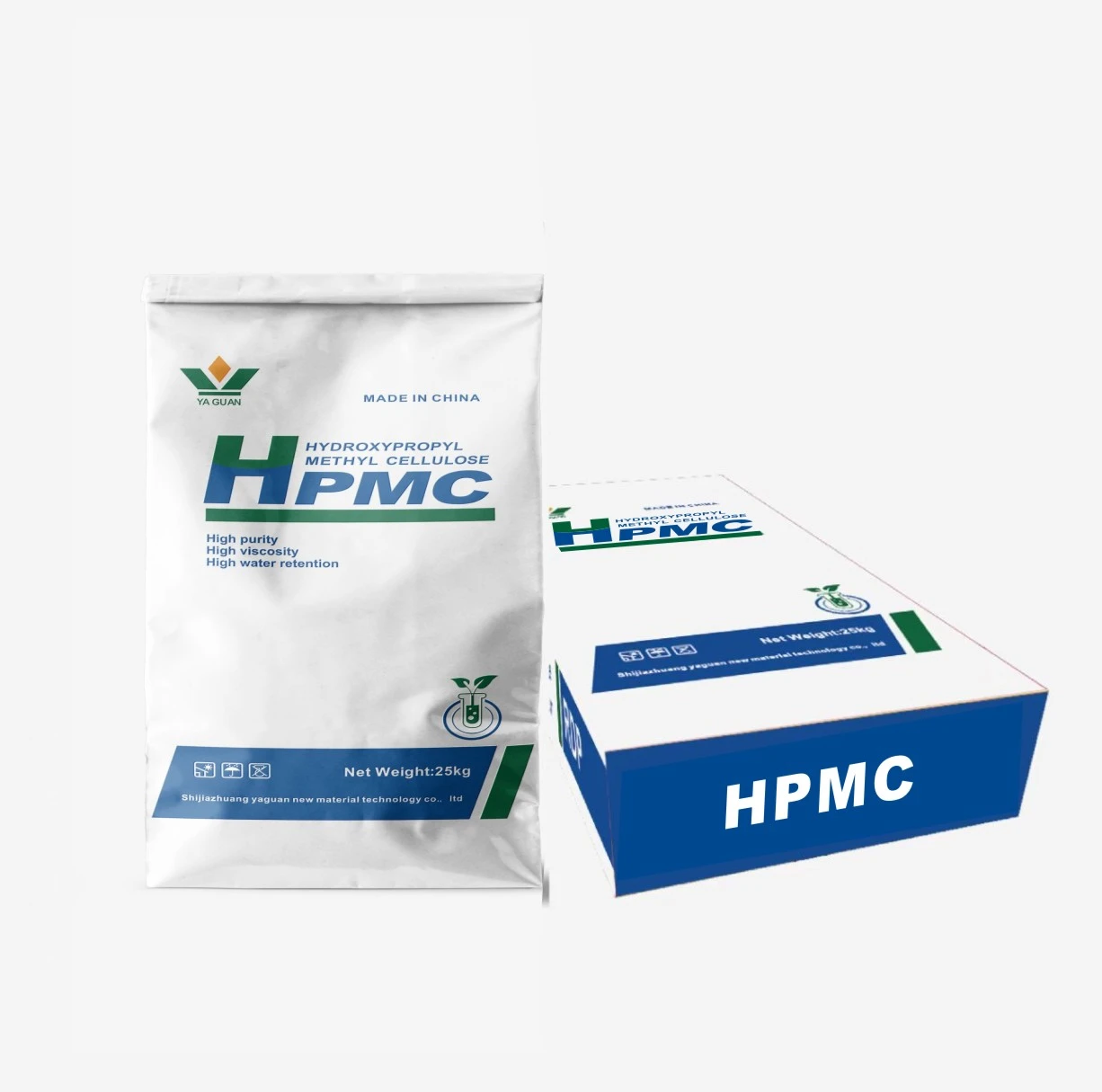

What Is HPMC and Why It’s Gaining Global Attention
Have you ever wondered how certain materials quietly support entire industries, humanitarian efforts, and sustainability drives around the world? Hydroxypropyl Methylcellulose, or HPMC, is one such remarkable substance. You might not think of it often, but it’s tucked away in everything from pharmaceuticals and construction to food and cosmetics. Its versatility and eco-friendliness have catapulted it to global importance, helping tackle some of the most pressing challenges related to sustainable development, industrial efficiency, and product innovation.
Understanding hpmc isn’t just academic jargon—it’s about recognizing how a single compound can ripple across economies and societies, making products safer, manufacturing greener, and even disaster relief more effective. In fact, the UN’s push towards sustainable industrialization (linked to UN SDG #9) places such multifunctional materials at the core of future-ready industries worldwide.
The Global Relevance of HPMC: Why It Matters Today
The global market for hydroxypropyl methylcellulose is expanding at a steady pace—estimated to reach several hundred million USD in the next decade, with Asia-Pacific leading consumption. According to the International Organization for Standardization (ISO), materials like HPMC are critical in raising quality benchmarks, improving product safety, and reducing environmental footprints.
That said, a big challenge remains: many industries rely on raw or less refined additives that either falter in performance or cause unintended health or ecological issues. HPMC offers a solution by being non-toxic, biodegradable, and functionally versatile. So, in terms of tackling problems like food waste, pharmaceutical delivery challenges, or construction inefficiencies, hpmc plays a quiet but mighty role. The best part? It’s scalable for both small cottage industries and large multinationals.
Understanding HPMC: Definition and Its Industrial Connection
Simply put, HPMC is a chemically modified cellulose polymer derived primarily from plant sources. It’s a non-ionic, water-soluble polymer known for its film-forming abilities, thickening properties, and emulsification—a sort of Swiss Army knife for material scientists and product developers.
In practical terms, it’s often used to control texture, improve stability, and provide sustained release in pharmaceuticals. In construction, HPMC enhances the water retention and adhesion of cement mortars and plasters, which is why it’s vital in modern building solutions, for example, in fast-deploy housing units or earthquake-resistant projects. Humanitarian and industrial applications are obvious when you consider how much better products perform with hpmc additives versus traditional ones.
Core Aspects of HPMC and Their Real-World Significance
1. Durability and Stability
Many engineers swear by the way HPMC stabilizes formulations. Its thermal stability means products don’t degrade quickly, which is crucial when manufacturing pharmaceuticals or durable construction materials intended to last decades.
2. Water Retention and Flexibility
In the construction sector, water retention is king. HPMC holds moisture within cement mixtures long enough to allow proper curing, which results in stronger buildings and reduced cracking over time. This property is especially relevant in humid or arid climates.
3. Non-Toxic and Eco-Friendly Profile
Unlike synthetic polymers, hydroxypropyl methylcellulose is derived from natural cellulose sources and is biodegradable. Therefore, industries aiming for sustainability goals find it a credible alternative, reducing reliance on petrochemical-based products.
4. Versatility in Viscosity and Film Formation
This flexibility allows manufacturers to tailor product textures—from thin, fluid coatings to thick pastes—without compromising on consistency. Cosmetics and food industries boast better mouthfeel, spreadability, or smoothness thanks to hpmc.
5. Compatibility with Other Ingredients
Whether mixed with pharmaceuticals, cement, or food additives, HPMC doesn’t react adversely. This makes production lines smoother and reduces waste—a much-desired quality in high-turnover industries.
Global Applications: Real-World Use Cases of HPMC
It’s one thing to talk about properties, but how does HPMC actually show up on the ground? Let’s pick a few scenarios:
- In Pharmaceutical Formulation: Companies in Europe and North America use hpmc to control tablet dissolution rates, ensuring medicines release active ingredients evenly and safely, improving patient outcomes.
- Construction in Emerging Markets: In parts of Africa and Southeast Asia, it helps make fast-setting mortars for affordable housing projects that survive harsh weather and seismic shocks.
- Food Industry: Used as a stabilizer in gluten-free baking or dairy substitutes, HPMC holds texture and moisture better than traditional additives.
- Cosmetics and Personal Care: In Asia, high-end skincare products rely on hydroxypropyl methylcellulose to balance viscosity and spreadability, enhancing consumer appeal.
And oddly enough, small NGOs have started using hpmc-enriched materials in disaster relief kits that require quick assembly but long-lasting strength—quite an innovative twist!
Product Specification Table: Typical HPMC Grades (Example)
| Specification | Low Viscosity Grade | Medium Viscosity Grade | High Viscosity Grade |
|---|---|---|---|
| Viscosity (mPas at 2% solution) | 10-50 | 100-400 | 800-1500 |
| Methoxy Content (%) | 19-24 | 25-30 | 25-30 |
| Hydroxypropyl Content (%) | 4-12 | 6-12 | 6-12 |
| Appearance | White powder | White powder | White powder |
| Solubility | Cold water soluble | Cold water soluble | Cold water soluble |
Advantages and Long-Term Value of Using HPMC
What’s the real payoff? Well, companies report lower production costs since HPMC improves process efficiency, reduces waste, and cuts down on the need for additives that are less reliable or eco-friendly. It’s almost like investing once in a quality mixer that runs quieter, faster, and saves energy.
On the social front, products enhanced by hydroxypropyl methylcellulose often meet higher safety standards—critical in medicine and food. And it’s comforting to know consumers derive a product that’s less likely to trigger allergic reactions or environmental harm.
The emotional benefit here is the trust built with end-users: a tablet that dissolves predictably, a wall that doesn’t crack prematurely, or a cream that feels smooth and safe—all thanks to hpmc.
Future Trends in Hydroxypropyl Methylcellulose Research
Looking forward, research and development focus on greener synthesis methods, nanotechnology-enabled HPMC formulations, and integrating intelligent polymers that respond to environmental stimuli (think temperature or pH). For construction, innovations might produce even lighter and stronger mortars.
Additionally, digital transformation in material quality testing combined with AI predictive models might allow manufacturers to fine-tune hpmc grades per project, region, or consumer need, reducing overuse and waste. Climate policies are nudging the industry towards more biodegradable and low-carbon footprint materials—where hpmc fits neatly.
Challenges and How Experts Are Tackling Them
Of course, no material is perfect. One recurrent issue is the consistency of raw cellulose sources, which can vary by geography, impacting purity and performance. Also, some high-viscosity grades of HPMC can be tricky to handle in automated production lines.
Experts often recommend rigorous supply chain audits and blending techniques to standardize batches. There’s also been a move towards collaboration between suppliers and end-users to co-develop customized formulations. I’ve noticed this makes a real difference when scaling up from lab to factory floor.
Vendor Comparison Table: Leading HPMC Suppliers
| Supplier | Product Range | Global Reach | Certifications | Lead Time |
|---|---|---|---|---|
| Yaguan HPMC | Wide (Pharma & Construction) | Asia, Europe, Americas | ISO 9001, GMP | 2 weeks |
| Dow Chemical | Medium (Industrial focus) | Global | ISO 14001, FDA | 1-3 weeks |
| Ashland Inc. | Wide (Specialty grades) | Americas, Europe | ISO 9001, USP | 3-4 weeks |
Frequently Asked Questions About HPMC
- What makes HPMC better than other cellulose ethers?
- HPMC offers superior water retention, thermal stability, and is non-ionic, which means it doesn’t interact negatively with charged compounds. This results in consistent product performance across diverse applications.
- Can HPMC be used in eco-friendly building materials?
- Absolutely. Its biodegradability and ability to enhance mortar water retention make it ideal for sustainable construction materials, reducing the need for synthetic polymers.
- How customizable are HPMC grades for different industries?
- Manufacturers offer varied viscosities and substitution levels tailored to pharmaceutical, food, or construction needs. Clients often collaborate with suppliers for bespoke formulations.
- Is HPMC safe for human consumption in food or pharma?
- Yes, international bodies like FDA and EFSA recognize HPMC as safe for medicinal and food use, given it’s used within prescribed limits and quality standards.
- What challenges come with sourcing consistent HPMC quality?
- Raw material variability impacts batch uniformity, but advanced purification and quality control measures help maintain industry standards.
Wrapping It Up: Why HPMC Could Be The Unsung Hero You’re Overlooking
So, here’s the plot twist: HPMC is not just some obscure additive but a key enabler of safer medicines, stronger buildings, and more sustainable products. Its versatile, eco-conscious nature makes it a reliable partner for industries facing today’s challenges—and tomorrow’s uncertainties.
Curious to explore how hpmc can enhance your products or projects? Dive deeper and connect with suppliers that shape tomorrow’s materials landscape.