
Celulosa HPMC: What You Should Know and Why It Matters Globally
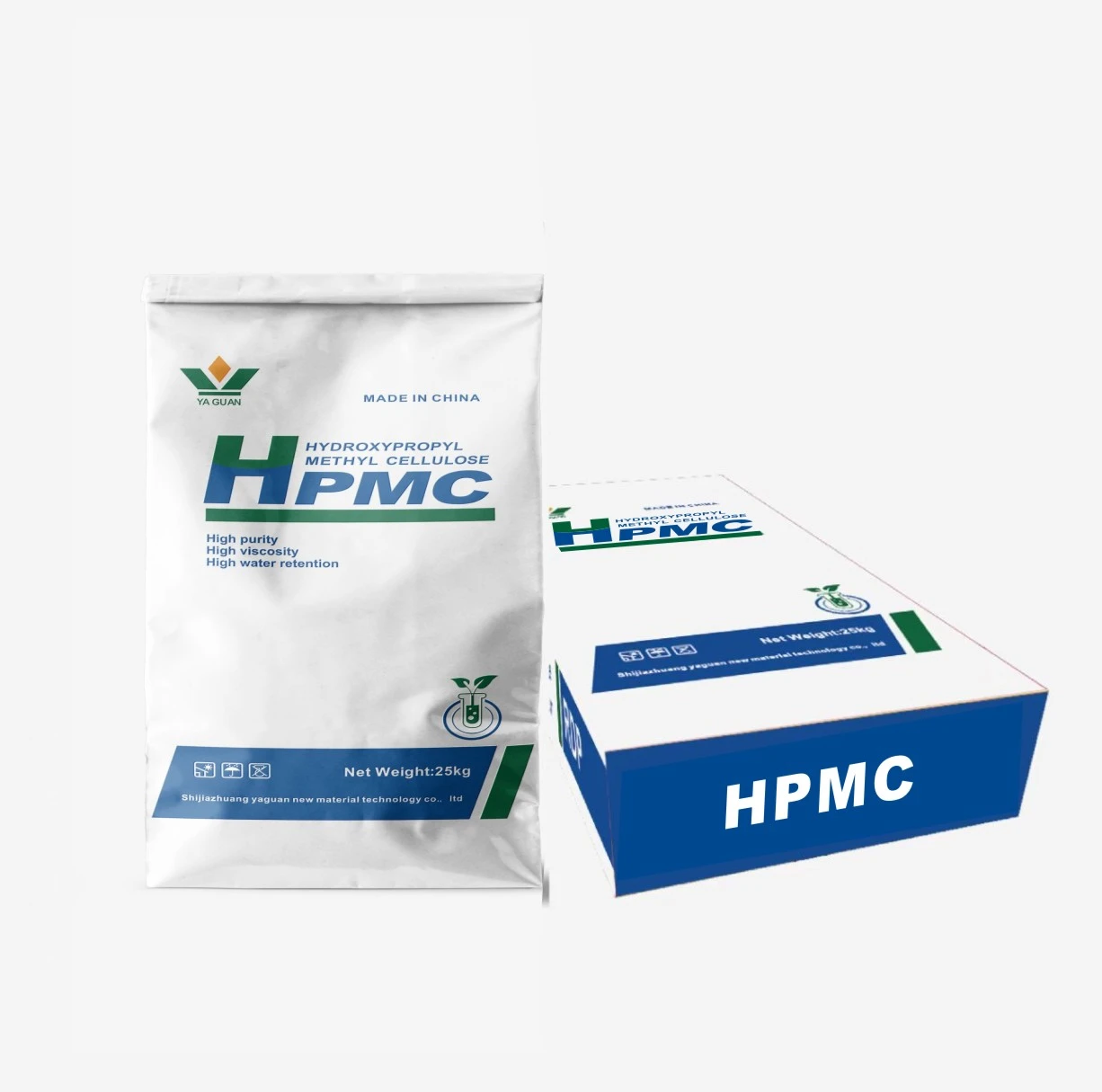
Celulosa HPMC—quite a mouthful, right? But behind this technical sounding term lies a powerhouse ingredient that’s quietly shaping industries worldwide. At its core, celulosa HPMC (hydroxypropyl methylcellulose) is a cellulose derivative, used extensively in building materials, pharmaceuticals, and food production. Why should you care? Because understanding it means tapping into innovations that boost sustainability, durability, and efficiency across markets—from remote construction sites to urban hospitals.
On a global scale, the demand for building and manufacturing materials that are both eco-friendly and high-performing is skyrocketing. The UN’s Environment Programme notes that sustainable materials reduce environmental impact. Celulosa HPMC fits beautifully into this niche, helping industries meet regulatory challenges while improving product quality.
Mini takeaway: Celulosa HPMC isn’t just jargon—it’s a versatile compound helping solve real-world challenges in sustainability and industry resilience.
Why Celulosa HPMC is Gaining Global Attention
Across continents, industries grapple with supply chain inefficiencies and increasingly strict environmental regulations. The building sector alone contributes roughly 38% of energy-related CO2 emissions worldwide (Source: International Energy Agency). Here’s where celulosa HPMC comes in. This cellulose derivative can enhance water retention, improve adhesion, and control viscosity in materials—making concrete, plaster, and adhesives better adapted for harsh climates and long transport.
Industries from Europe and Asia to Latin America harness celulosa HPMC to meet these global challenges. It’s no coincidence that countries pushing for green construction have prioritized cellulose-based polymers. For example, ISO standards increasingly recognize these additives for improving both performance and eco-friendliness.
Of course, materials innovation has hurdles: cost, scalability, and manufacturing consistency are ongoing puzzles. But celulosa HPMC’s unique profile helps straddle these demands admirably.
So, What Exactly Is Celulosa HPMC?
Put simply, celulosa HPMC is hydroxypropyl methylcellulose—a chemically modified cellulose taken from wood pulp or cotton linters. It acts as a thickener, emulsifier, and stabilizer. While cellulose itself is common in nature, the hydroxypropyl and methyl groups attached modify its solubility and binding properties.
Think of it as cellulose’s “better-behaved” cousin—it dissolves well in cold water and forms gels that enhance product texture and longevity. Its uses range from holding plaster together in buildings to helping tablets dissolve at the right moment in your body.
It’s odd how a natural polymer like cellulose, when tweaked cleverly, becomes indispensable in so many fields, even humanitarian aid where fast, reliable shelter materials are critical.
Key Features Driving Its Popularity
Durability and Water Retention
Celulosa HPMC’s ability to retain water keeps building mortars workable longer, especially in hot or dry environments. This means fewer cracks and stronger final structures. Many engineers swear by it for projects in arid climates or rapid constructions.
Viscosity Control and Adhesion
By controlling flow, it ensures materials like paints and adhesives spread evenly without dripping or sagging. For manufacturers, this means consistent quality batch after batch.
Thermal Stability
Its resistance to temperature fluctuations means products last longer, whether exposed to sunlight or freezing nights. This is crucial for both indoor and outdoor applications.
Eco-Friendly & Biodegradable
Derived from natural cellulose, it’s biodegradable and doesn’t contribute to toxic waste. Given today’s packaging and construction waste problems, this is a huge plus.
Easy Customization
Manufacturers can tweak the degree of substitution to adapt it for specific thicknesses, gel strengths, or solubility—a flexible solution for diverse needs.
Real-World Uses: Industries and Geographies Benefiting From Celulosa HPMC
Starting in construction, celulosa HPMC is a staple in tile adhesives, self-leveling compounds, and cement-based coatings. In Europe, where cold climates demand materials that don’t freeze or crack, it’s especially prized. Over in Asia, rapid urbanization has spiked demand for quick-dry mortars containing celulosa HPMC. Latin American countries, tackling both humid conditions and resource constraints, rely on it for robust yet affordable plasters.
Beyond construction, the pharmaceutical field uses celulosa HPMC in controlled drug delivery and as binder in pills. Food tech applies it as a thickening agent in gluten-free baking and low-fat spreads.
NGOs working in disaster zones often prefer packaging and materials enhanced with celulosa HPMC for their easy transport and reliability, making emergency response swifter and safer.
Mini takeaway:
- Celulosa HPMC’s versatility means it’s everywhere—from your local supermarket’s gluten-free products to the foundations of a skyscraper.
- Its global appeal lies in its ability to balance performance with sustainability.
Advantages That Make Celulosa HPMC a Favorite
- Cost efficiency: Though slightly pricier initially, it reduces waste and repair costs by enhancing durability.
- Sustainability: Being plant-derived and biodegradable fits many corporate social responsibility programs.
- Social impact: Enables safer construction and better pharmaceuticals, improving quality of life worldwide.
- Reliability: Consistent performance across different environments and industries builds trust.
- Innovation-friendly: Easy to customize, inviting continual product development.
When you think about building a house or medicine for the long haul, these are not minor perks—they’re foundational.
Future Glimpses: Trends and Innovations Shaping Celulosa HPMC
Looking ahead, green chemistry is steering modifications to reduce energy-intensive processing. Automation in manufacturing means more consistent HPMC grades. Digital modeling and nano-scale delivery systems may enable even smarter cellulose derivatives that react to environment or time.
Industry insiders hint at hybrid materials combining celulosa HPMC with bio-based polymers to elevate strength while cutting carbon footprints further. Expect R&D in biodegradable packaging and 3D-printed building materials to lean heavily on cellulose derivatives.
Common Hurdles—and How Experts Are Overcoming Them
Despite its many benefits, celulosa HPMC has some challenges. For instance:
- Cost pressures remain for low-margin products.
- Supply consistency can be tricky depending on raw material quality.
- Regulatory approvals slow product launches in sensitive sectors like food or pharma.
Innovators are tackling these by improving raw material sourcing, applying machine learning for quality control, and collaborating with authorities early in development.
Frequently Asked Questions About Celulosa HPMC
- What makes celulosa HPMC better than other cellulose derivatives?
- Its water solubility at room temperature and gel formation abilities stand out, making it highly effective as a thickener and binder across many sectors.
- Can celulosa HPMC be used in eco-friendly building projects?
- Absolutely. Because it’s plant-based and biodegradable, it integrates well into green building materials without compromising strength or durability.
- Is celulosa HPMC safe for pharmaceutical applications?
- Yes, it’s widely approved as an inert binder and film coating agent by regulatory bodies like the FDA and EMA, making it reliable for controlled drug release.
- How does celulosa HPMC improve mortar workability under hot climates?
- By retaining water longer during curing, it prevents premature drying, allowing for smoother plastering and fewer cracks.
A Quick Look: Product Specifications of Celulosa HPMC
| Parameter | Typical Value | Unit |
|---|---|---|
| Degree of Substitution (DS) | 1.8 – 2.0 | - |
| Methoxy Content | 19 – 24 | % |
| Hydroxypropyl Content | 4 – 12 | % |
| Viscosity (2% soln., 20°C) | 1000 – 4000 | mPas |
| pH (2% soln.) | 5.0 – 8.0 | - |
Comparing Top Celulosa HPMC Suppliers
| Supplier | Country | Product Purity | Price Range | Key Strength |
|---|---|---|---|---|
| Yaguan Cellulose | China | >99% | Competitive | Custom formulations & fast delivery |
| Domsjö Fabriker | Sweden | >99.5% | Premium | High purity & sustainability credentials |
| Ashland Inc. | USA | >98.5% | Mid-High | Strong innovation pipeline |
Wrapping It Up
Celulosa HPMC is more than just a cellulose derivative—it’s a bridge between nature and technology, tradition and innovation. Its global adoption reflects industries’ growing emphasis on sustainable, high-performance materials. From construction sites that must endure tough climates to pharmaceutical labs crafting reliable medicines, celulosa hpmc makes a detectable difference. If you want to dive deeper into the specifics or source quality HPMC for your needs, a great starting point is celulosa hpmc suppliers who combine expertise with customizable solutions.
In a world where every efficiency gain and every natural ingredient counts, understanding this compound pays off—in performance, sustainability, and trust.