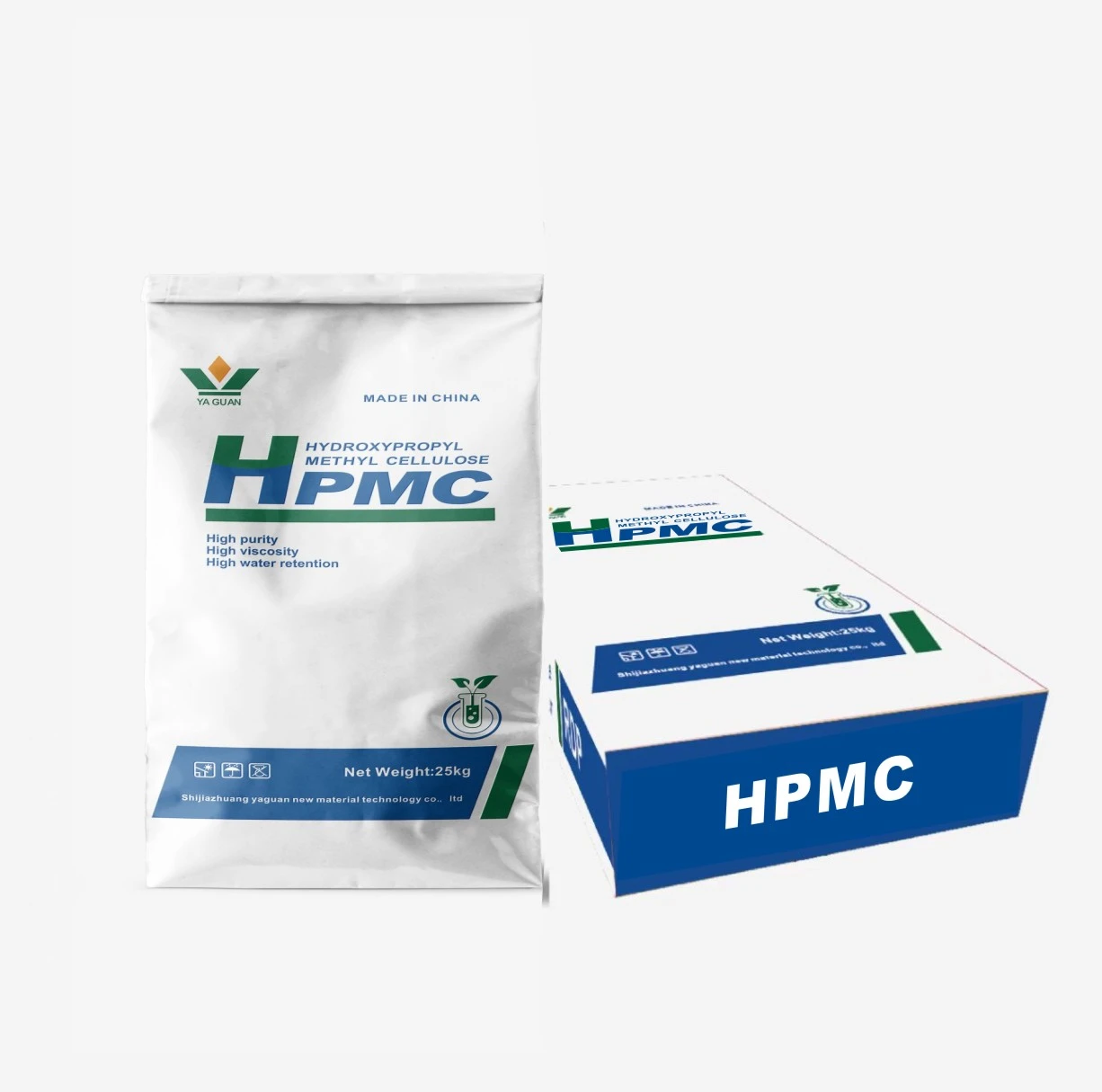

What is Gel HPMC and Why Should We Care?
If you’ve wandered into the world of construction materials, pharmaceuticals, or even sustainable manufacturing, chances are you’ve bumped into the term gel HPMC. Short for Hydroxypropyl Methylcellulose gel, this versatile compound quietly powers a lot of essential technical, medical, and industrial processes worldwide. While it may sound like one of those arcane chemical spells, understanding gel HPMC actually unlocks a plethora of applications that matter on a global scale — from ensuring safer housing to improving drug delivery and sustainable product design.
Globally, industries using gel HPMC are steadily growing. For example, the construction industry alone heavily relies on it for enhancing cement and plaster performance, a fact noted by the ISO standards on building materials. Given the UN's push toward safer, sustainable infrastructure especially in disaster-prone regions, gel HPMC serves as an enabling agent for affordable and resilient construction solutions. Simply put, it’s a humble gel behind some pretty impactful advancements.
Global Importance: Why Gel HPMC Has Industry Experts Talking
It might surprise you how ubiquitous gel HPMC is in modern manufacturing and relief efforts. According to recent market research published by Statista, demand for cellulose derivatives like HPMC is projected to rise by 5–7% annually through 2030, propelled by construction, pharmaceuticals, and food industries.
One challenge gel HPMC addresses is creating lightweight yet durable materials capable of withstanding diverse climates — something crucial for regions vulnerable to natural disasters or in rapid urbanization. Without gels like HPMC optimizing mixtures, many large-scale projects would become costlier and less eco-friendly, which simply doesn't cut it when sustainability is a global priority.
Defining Gel HPMC: A Simple Explanation
In simple terms, gel HPMC is a form of a cellulose derivative that swells upon contact with water, forming a viscous, transparent gel. Made by chemically modifying cellulose from plant fibers, it acts as a thickener, binder, emulsifier, or film former depending on its formulation and use. Think of it like nature’s answer to flexible, water-retentive glue that also plays nice with many materials.
Its use spans from thickening toothpaste to enhancing cement mixes, and even as a carrier in controlled-release medications. The beauty lies in its biodegradability combined with its functional versatility, making it indispensable for industries aiming to blend performance with ecological mindfulness.
Core Features of Gel HPMC That Make It Tick
1. Controlled Viscosity and Gelation
The defining characteristic of gel HPMC is its ability to form gels with predictable viscosity at certain temperatures. This thermal gelation means it can transition from liquid to gel smoothly, perfect for applications where consistency and flow matter — like plastering or when designing slow-release drug capsules.
2. Water Retention and Stability
It’s fascinating how gel HPMC helps construction materials retain water longer, improving curing times and overall strength. This also comes handy in cosmetics where moisture retention boosts skin hydration.
3. Compatibility with Diverse Materials
Whether mixed into cement, paint, pharmaceuticals, or food products, gel HPMC plays well with others. This trait is critical because it ensures broad adoption without altering base formulas drastically.
4. Non-Toxic and Biodegradable
Increasingly important in a world longing for green chemistry, gel HPMC is environmentally friendly. It breaks down naturally and poses no toxicity risks, which aligns with global sustainability goals.
5. Ease of Processing and Customization
Manufacturers can tweak the molecular weight and degree of substitution to create gels tailored for specific textures or release profiles.
Practical Uses of Gel HPMC Around the World
Oddly enough, while many of us never think about it, gel HPMC quietly shapes various industries:
- Construction: Used as a water-retaining agent and binder in plasters and mortars to improve durability especially in hot or dry climates (think Middle East or North Africa).
- Pharmaceuticals: In controlled-release tablets and topical gels, it ensures medicines release steadily and predictably.
- Food Industry: Acts as a thickener and stabilizer in gluten-free products, helping texture and shelf life.
- Cosmetics: Adds moisture-holding benefits to creams and lotions.
- Disaster Relief: In temporary shelter coatings and quick-setting mortars, gel HPMC contributes to faster, safer builds during emergencies.
For example, NGOs working in South Asia’s flood-prone regions have turned to modified gel HPMC-enhanced mortars for lightweight, crack-resistant housing walls, a practical innovation that saves both time and money.
Advantages and Lasting Benefits You Can Count On
Using gel HPMC isn’t just a technical choice—it impacts lives and budgets. Here’s why many engineers and product developers lean in:
- Cost Efficiency: It reduces material waste and improves quality, lowering repair costs.
- Sustainability: Derived from plants, it supports eco-friendly production lines with less plastic dependency.
- Reliability: Products made with gel HPMC tend to hold up well under stress and varying environments.
- Social Impact: Enhanced building materials increase safety and dignity in vulnerable communities.
Table: Typical Product Specifications for Gel HPMC
| Property | Typical Value | Unit |
|---|---|---|
| Viscosity (2% solution at 20°C) | 2500 - 4000 | mPa·s |
| pH (1% solution) | 5.5 - 8.0 | - |
| Degree of Substitution (Methoxy) | 19 - 24 | % |
| Thermal Gelation Temperature | 65 - 75 | °C |
Comparing Vendors: What to Look For?
| Vendor | Product Range | MOQ | Certifications | Price Range (per kg) |
|---|---|---|---|---|
| Yaguan HPMC Co. | Standard & Customized Gel HPMC | 100 kg | ISO 9001 / REACH | $4.5 - $6.0 |
| Global Cellulose Ltd. | Pharma & Food Grade | 500 kg | FDA / GMP | $5.0 - $7.0 |
| CleverChem Solutions | Industrial Grade Only | 50 kg | ISO 14001 | $3.5 - $5.0 |
The Future of Gel HPMC: Innovations On the Horizon
Looking ahead, the gel HPMC space feels poised for exciting shifts. Most notably:
- Green Chemistry Advances: Novel bio-sourced formulations reducing environmental footprint even more.
- Smart Gels: Responsive to temperature or pH changes, enabling more precise drug delivery or adaptive building materials.
- Digital Manufacturing: 3D printing with gel HPMC-enhanced bioinks for customized medical scaffolds and food products.
- Automation & Quality Control: AI-powered monitoring during gel production enables tighter specs and reduced defects.
Challenges in Gel HPMC Usage—and How Experts Tackle Them
But it’s not all rosy. There are challenges like batch variability, supply chain constraints, and sometimes the need for enhanced purity dependent on industry.
Luckily, manufacturers are actively addressing these by improving raw material sourcing, adopting continuous production methods, and collaborating directly with users to tailor solutions. Plus, innovations in formulation science help tweak properties without compromising biodegradability.
FAQ: Commonly Asked Questions About Gel HPMC
- What makes gel HPMC essential in construction compared to other additives?
- Gel HPMC provides unique water retention and thermal gelation properties, enhancing durability and workability without harmful chemicals—ideal for sustainable construction.
- How long does gel HPMC-based plaster typically last in harsh environments?
- With correct formulation, it can extend plaster lifespan by 20-30%, resisting cracking and weathering better than traditional mixes.
- Is gel HPMC safe for pharmaceutical uses?
- Absolutely. Gel HPMC is non-toxic, biocompatible, and widely used as an excipient in tablets and topical gels worldwide, meeting stringent regulatory standards.
- Can NGOs easily source gel HPMC for international relief projects?
- Yes. Vendors like Yaguan HPMC offer export-ready, certified products with flexible order sizes suited for relief agencies.
Wrapping It Up: Why Gel HPMC Matters — Now & Beyond
So, after peeling back the layers, gel HPMC stands out as a truly multi-faceted material. Its blend of natural origin, adaptable chemistry, and wide-ranging utility makes it invaluable across industries—and crucial in advancing global sustainability ambitions.
Feeling inspired? Whether you’re developing new products or managing large-scale construction projects, diving deeper into gel HPMC might just be the edge you need.
Ready to explore top-tier gel HPMC options? Visit https://www.yaguanhpmc.com and discover tailored solutions today.