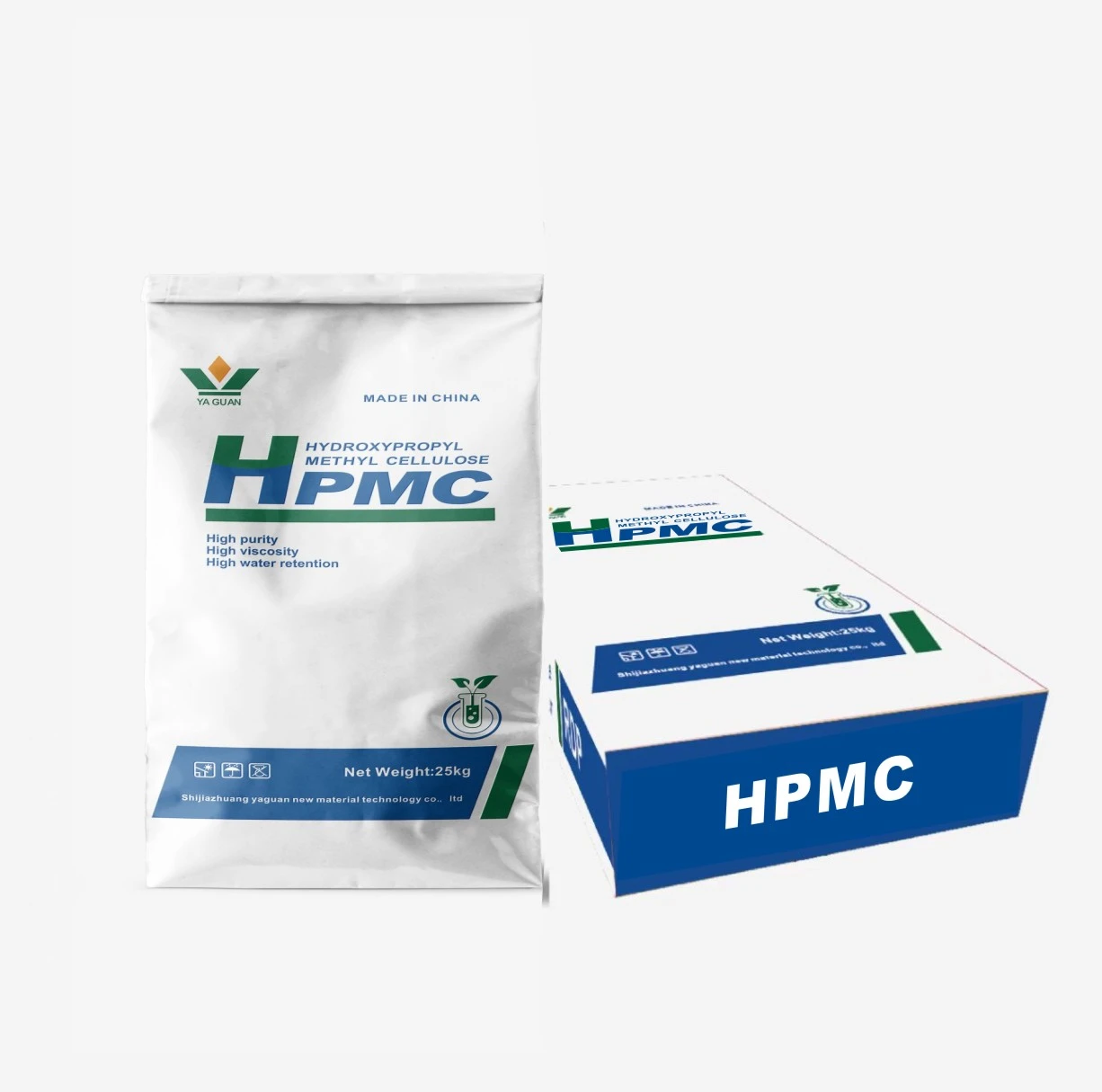

Understanding Hidroxipropilmetilcelulosa HPMC: A Global Perspective
If you’ve ever glanced at product labels for construction materials, pharmaceuticals, or even cosmetics, there’s a fair chance you’ve seen “hidroxipropilmetilcelulosa hpmc” mentioned somewhere, though the name itself can be a mouthful. But why should we care about this compound, and what makes it so important on a global scale? Simply put, hidroxipropilmetilcelulosa hpmc is a versatile cellulose derivative that acts as a thickener, binder, stabilizer, and film former—qualities that make it invaluable across various industries worldwide. Globally, the use of HPMC impacts everything from improving the shelf life of medicines to enabling more sustainable construction. According to [ISO standards](https://www.iso.org), the proper use of cellulose ethers like hidroxipropilmetilcelulosa hpmc helps reduce waste by improving material performance and longevity. The World Bank even highlights the importance of such additives in the development of low-cost, durable housing in emerging economies, which speaks volumes about its role beyond just chemistry. In a world facing resource constraints and climate challenges, understanding this compound’s role is not just academic—it’s essential.
Mini takeaway: Hidroxipropilmetilcelulosa hpmc is more than a chemical name—it’s a key player in global sustainability efforts through its broad industrial utility.
Defining Hidroxipropilmetilcelulosa HPMC: What It Really Means
So, what exactly is hidroxipropilmetilcelulosa hpmc? To put it plainly, it’s a chemically modified form of cellulose – the fibrous substance found in plants. By adding hydroxypropyl and methyl groups, the compound gains water-solubility and thickening properties that natural cellulose doesn’t offer. This polysaccharide derivative is used extensively as an additive. In construction, it’s added to mortar and plaster to improve workability and water retention. In pharmaceuticals, it acts as a controlled-release agent or binder. Even in food and cosmetics, its emulsifying and stabilizing effects come into play. It’s an unsung hero behind the scenes of many products that define modern life. Its link to humanitarian needs is particularly compelling. For example, in emergency shelter construction, mortars with HPMC ensure faster setting and stronger bonds, which can speed up rebuilding efforts after disasters.Core Attributes of Hidroxipropilmetilcelulosa HPMC
Water Retention
One of HPMC’s most prized properties is its ability to hold water, which means construction materials stay workable longer. This is why so many masons rely on it during hot or windy conditions.Thickening and Viscosity Control
It helps adjust consistency, from a thick paste to a pourable slurry, depending on needs. This versatility is crucial in industries like paints and adhesives.Film Formation
The compound forms a thin, flexible film upon drying. This is significant in pharmaceuticals—for tablets that can protect active ingredients—and in construction, as an effective sealing layer.Thermal Gelation
HPMC exhibits thermogelation, meaning it thickens with increasing temperature. This unusual behavior helps in specialized industrial processes where temperature control is key.Compatibility and Safety
Because it’s plant-derived and extensively tested, HPMC is considered safe for human use, a must for food and drug applications.
Mini takeaway: These core properties of hidroxipropilmetilcelulosa hpmc explain why it’s so widely used — adaptable, safe, and effective across temperature and material types.
Real-World Applications of Hidroxipropilmetilcelulosa HPMC
Let’s get real: where does this stuff actually make a difference?- Construction: Used in cement-based mortars and plasters to improve adhesion, water retention, and open time — all crucial for achieving durability in varying climates. Regions like India and Brazil heavily rely on HPMC to improve affordable housing standards.
- Pharmaceuticals: Found in tablet coatings, capsules, and topical gels. It slows drug release for better efficacy and patient compliance.
- Food Industry: Acts as a thickener and stabilizer in gluten-free baking and dairy products, supporting clean-label trends globally.
- Cosmetics: Adds structure and moisture retention in creams and lotions.
- Disaster Relief: NGOs working in earthquake-prone zones use mortars with HPMC for fast-setting shelters, enhancing both safety and comfort.
Product Specifications at a Glance
| Property | Value | Unit |
|---|---|---|
| Appearance | White to off-white powder | - |
| Methoxy content | 19.0 - 24.0 | % |
| Hydroxypropyl content | 4.0 - 12.0 | % |
| Viscosity (2% solution) | 1000 - 4000 | mPa·s (Brookfield) |
| pH (1% solution) | 5.0 - 8.0 | - |
| Solubility | Cold water soluble | - |
Comparing Leading HPMC Suppliers
| Vendor | Product Grade Range | Certifications | Global Availability |
|---|---|---|---|
| Yaguan HPMC | 200 - 4000 mPa·s | ISO 9001, Kosher, Halal | Worldwide |
| Dow Chemical | 400 - 5000 mPa·s | FDA, ISO | North America, Europe, Asia |
| Hercules Inc. | 300 - 3500 mPa·s | ISO 14001, GMP | Selective regions worldwide |
The Long-Term Value of Hidroxipropilmetilcelulosa HPMC
What makes HPMC truly stand out is its combination of cost-efficiency, sustainability, and performance. In construction, it improves mortar longevity and reduces maintenance needs, saving governments and homeowners money over decades. Imagine a low-income family in a typhoon-prone area benefiting from improved shelter stability—that's social impact you can’t measure in spreadsheets alone. On a personal note, I remember hearing from a project manager in Southeast Asia that mortars with HPMC allowed his team to work comfortably and confidently during long hot days, improving morale and quality simultaneously. It’s the little things like that you don’t always read about in cold technical papers. From a sustainability perspective, HPMC is plant-based and biodegradable compared to many synthetic alternatives. In industries like pharma and food, it supports “clean label” claims, increasingly demanded by conscious consumers. Frankly, it embodies a rare balance between high-tech utility and natural origin.Looking Ahead: Trends and Innovations
The future for hidroxipropilmetilcelulosa hpmc looks promising. Researchers are developing “smart” cellulose ethers that respond dynamically to temperature or pH changes, enabling controlled drug delivery or adaptive sealants in construction. Green chemistry trends push for even purer, low-energy production methods. Add to that a drive toward automation in manufacturing HPMC-containing products — this will likely ramp up quality and consistency while lowering costs. Even regulations are evolving — international standards such as those from the United Nations Industrial Development Organization (UNIDO) encourage safer chemical additives, where HPMC scores high. Quite possibly, the next decade will see HPMC variants integrated with nanomaterials or bioactive compounds—a fusion of nature and innovation.Challenges on the Horizon & Solutions
However, it’s not all smooth sailing. One obstacle is variation in raw material quality – since cellulose sources differ by region. This affects viscosity and performance if not carefully controlled. Also, the higher grades of HPMC can be relatively pricey, which sometimes dissuades smaller enterprises from adopting them widely. Innovations in purification and synthesis are mitigating these issues. Vendors invest more in quality control, and mid-tier grades now offer better cost-performance ratios. Training end-users on proper mixing techniques is another practical solution to avoid inconsistencies.FAQs: Clearing Up Common Questions About Hidroxipropilmetilcelulosa HPMC
- Q: How does HPMC improve the workability of cement mortars?
- A: HPMC enhances water retention and viscosity, keeping mortar moist and workable longer, especially in dry or hot conditions. This allows for more precise application and better bonding.
- Q: Is hidroxipropilmetilcelulosa hpmc safe for pharmaceutical uses?
- Absolutely. It is non-toxic, inert, and approved by agencies like the FDA and EMA for use as a binder and controlled-release agent in many drugs.
- Q: Can HPMC be used in gluten-free baking?
- Yes, it acts as a thickener and stabilizer that mimics gluten’s properties, improving texture and freshness in gluten-free breads and pastries.
- Q: How does temperature affect HPMC viscosity?
- HPMC exhibits thermogelation, meaning its viscosity increases with temperature. This unique property helps stabilize suspensions and gels in industrial processes.
- Q: Where can I buy high-quality hidroxipropilmetilcelulosa hpmc?
- You can source it from established vendors like hidroxipropilmetilcelulosa hpmc suppliers, ensuring proper certifications and global availability.
Wrapping It Up
Exploring hidroxipropilmetilcelulosa hpmc is almost like peeling an onion — layers of industrial relevance, environmental significance, and human impact. From enhancing construction durability to making medicines safer, its role quietly supports modern living standards worldwide. If you’re intrigued by the potential of HPMC or simply need reliable supplies, visiting hidroxipropilmetilcelulosa hpmc will get you started on a journey with one of the most useful cellulose ethers out there. Thanks for sticking with me through all that — next time you see “HPMC” on a package, you might just smile knowingly.
References:
1. ISO 13099: Cellulose ethers standards, International Organization for Standardization
2. UNIDO Chemicals and Chemical Products, United Nations Industrial Development Organization
3. World Bank Housing Affordability Reports, 2023
1. ISO 13099: Cellulose ethers standards, International Organization for Standardization
2. UNIDO Chemicals and Chemical Products, United Nations Industrial Development Organization
3. World Bank Housing Affordability Reports, 2023