
Why You Should Consider Buying Tylose Powder Today
When it comes to crafting reliable, long-lasting adhesives, sealants, and building materials, tylose powder is a silent hero. Globally, it plays a subtle yet powerful role in industries ranging from construction to food production. You might ask, why buy tylose powder specifically? Well, understanding its benefits means you get better control over product consistency, durability, and environmental resistance.
Oddly enough, this versatile additive has shaped how manufacturers solve problems like moisture retention and binding challenges. With increasing demands for sustainable and efficient materials worldwide — projected to grow by a solid 5-6% annually according to some ISO reports — tylose powder is more relevant than ever.
Setting the Stage: Tylose Powder in the Global Context
The global chemical additives market, including cellulose ethers like tylose powder, has witnessed steady growth, especially in the construction and food industry sectors. According to the United Nations Industrial Development Organization, rising urbanization and infrastructure projects in Asia-Pacific and Europe have triggered a surge in demand for specialty binders and thickeners.
Yet, the challenge remains: how do manufacturers source reliable quality cellulose derivatives that balance performance and cost? This is exactly where buying tylose powder smartly can bridge the gap. Because here’s the thing — inconsistent materials can lead to wasted resources or subpar production quality, which nobody wants.
What Is Tylose Powder Anyway?
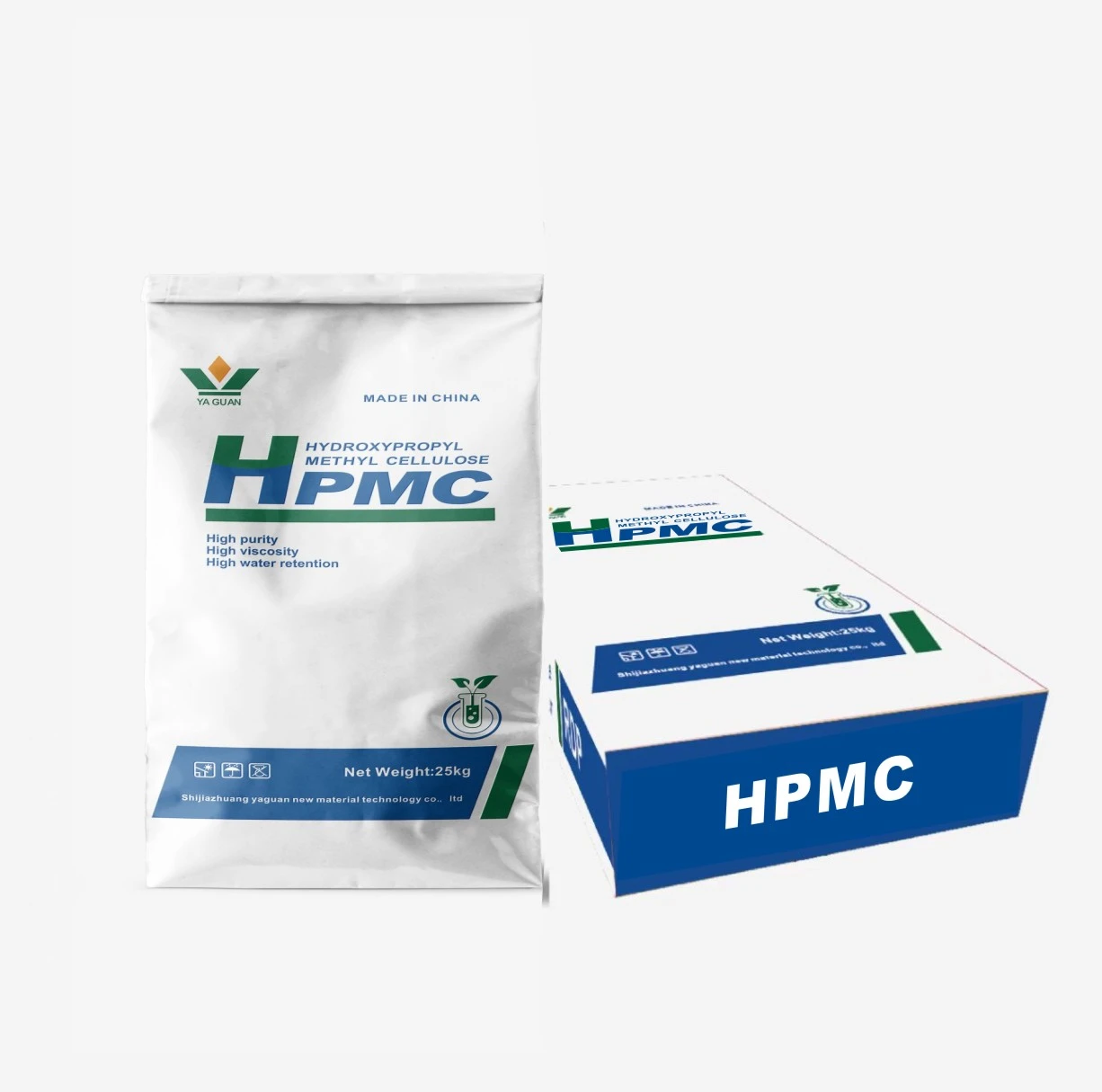
Simply put, tylose powder is a type of methyl cellulose, a water-soluble polymer derived from cellulose, typically obtained from wood pulp or cotton. It has the fascinating ability to absorb water and swell, creating a viscous, gel-like consistency. This unique property makes it invaluable for binding, thickening, and stabilizing various mixtures.
In modern manufacturing and even humanitarian sectors — think emergency building materials or edible coatings — tylose powder supports everything from improving mortar adherence to creating edible film wraps that extend shelf life. Its bio-based origins also tie into current sustainability trends, making it a preferred additive over synthetic alternatives.
Key Features that Make Tylose Powder Stand Out
Water Retention Capacity
One of tylose powder’s most critical functions is holding water within mixtures. This helps prevent premature drying in cement-based products and allows adhesives to maintain workability longer, especially under hot or dry conditions. Simply put, it keeps things hydrated just the right amount.
Viscosity Control and Thickening
Adjusting viscosity is crucial in paints, coatings, and food products, and tylose powder offers excellent control. You get smooth, consistent textures without lumps, which is a godsend in both industrial and culinary settings.
Binding and Film Formation
Tylose’s ability to form flexible films allows for creating durable coatings or edible films that protect surfaces and contents. This feature is why many confectionery manufacturers rely on it for glazes or to stabilize foams.
Thermal Stability
In applications where temperature fluctuates, durability is key. Tylose powder can maintain functionality despite heat changes, unlike some other thickeners that break down easily.
A Quick Look at Tylose Powder Specifications
| Parameter | Typical Value | Unit |
|---|---|---|
| Appearance | White Powder | - |
| Methoxy Content | 28–30% | % |
| Viscosity (2% aqueous solution) | 4000–8000 | mPa·s |
| pH | 5.5–8.0 | - |
| Solubility | Water-soluble | - |
Mini takeaway: Tylose powder’s technical traits — mainly moisture control, film formation, and viscosity tuning — are what make it a staple for both manufacturers and engineers alike.
Who’s Using Tylose Powder Worldwide?
In real terms, this additive finds homes in European masonry projects, Asian food packaging innovations, and North American pharmaceutical formulations. Its broad applications range from improving plaster’s workability in India’s building trades to enhancing gluten-free baked goods in Australia.
For example, during post-disaster construction relief efforts in Southeast Asia, tylose powder is instrumental in creating mortar mixes that dry slowly yet firmly — a vital factor for rushed but durable rebuilds under tough weather conditions.
Meanwhile, food tech companies in the EU harness its film-forming ability to extend shelf life of fresh produce and ready meals — a subtle, almost invisible sustainability win.
Global Vendor Comparison
| Vendor | Origin | Price Range ($/kg) | Purity (%) | Typical Lead Time |
|---|---|---|---|---|
| CelluChem Ltd. | Germany | 18–22 | 99+ | 2 weeks |
| Asia Cellulose Co. | China | 12–16 | 97–98 | 1 week |
| NorthStar Chemicals | USA | 20–25 | 99+ | 3 weeks |
Mini takeaway: Choosing where to buy tylose powder depends on your quality requirements, lead time urgency, and budget. European suppliers often tout higher purity, while Asian manufacturers offer attractive prices and quick shipping.
Why Tylose Powder Is an Investment Worth Making
Aside from its immediate benefits of improving texture and stability, tylose powder supports greater sustainability efforts by allowing manufacturers to reduce waste and extend product lifespans. Imagine a plaster that won’t crack as easily or a frozen dessert that retains creaminess longer — these things matter deeply to customers.
Emotionally, there’s that peace of mind — knowing your building materials or food products will perform as promised. Logically, it also delivers cost savings by reducing the need for extra additives or reworks.
Emerging Trends in Tylose Powder Innovation
- Green Sourcing: More producers are cultivating cellulose from rapidly renewable plants rather than hardwood forests, which aligns with global environmental standards.
- Digital Formulation: Software helps optimize how much tylose powder to use, minimizing waste and enhancing performance.
- Hybrid Materials: Combining tylose with nanomaterials or bio-based plasticizers to engineer smarter films and coatings.
Addressing Challenges When Buying Tylose Powder
Sometimes, you get inconsistent batches or unclear product specs from vendors — frustrating, right? One prevalent hurdle is ensuring batch-to-batch consistency, especially when sourcing from multiple suppliers.
Experts recommend robust quality checks and partnering with vendors who provide transparency. Also, adjusting the mix based on local climate conditions is key since tylose powder behaves differently in humid versus dry environments. Being proactive here saves a lot of headaches.
FAQ: Your Top Questions About Buying Tylose Powder
- Q1: How do I choose the right grade of tylose powder for construction use?
- A: Focus on viscosity levels and water retention properties. For masonry, higher viscosity grades (4000-8000 mPa·s) ensure better water control and adhesion. Discuss your project needs with suppliers to get the best match.
- Q2: Can tylose powder be used in food products safely?
- A: Yes, it is approved as a food additive in many countries (E461). It’s commonly used as a thickener, stabilizer, or coating agent in baked goods and processed foods. Always source food-grade tylose from reputable vendors.
- Q3: What’s the shelf life of tylose powder under typical storage?
- A: Stored in a cool, dry place, unopened tylose powder can last 2–3 years. Once opened, keep it sealed tightly to avoid moisture absorption that can degrade its performance.
- Q4: Is it easy to dissolve tylose powder in cold water?
- A: Generally, tylose powder hydrates best in cold or lukewarm water. Agitation helps prevent lumps, but it is soluble and disperses relatively quickly compared to some other cellulose ethers.
Wrapping It Up and Your Next Steps
In summary, buying tylose powder presents a straightforward solution to some tricky challenges in manufacturing, construction, and food industries. Its unique binding, water retention, and film-forming properties translate into durability, efficiency, and cost-effectiveness.
If you're ready to explore reliable supply options that match your quality needs, why not buy tylose powder from a trusted partner? With smart sourcing and expert guidance, the results can truly transform your products and processes — plus, it feels good knowing you’re using a component that’s both sustainable and proven over decades.
References:
1. United Nations Industrial Development Organization (UNIDO) — Chemical Additives Markets Report
2. ISO Standards on Cellulose Ethers (ISO 11507)
3. Food and Agriculture Organization (FAO) — Food Additives Overview