If you work in mortar or precast, you’ve probably heard the quiet buzz around
Calcium Format. It’s essentially calcium formate (Ca(HCOO)2), a clean, chloride-free accelerator that has been sneaking into more mix designs this year. To be honest, I didn’t expect the uptake to grow this fast—but cold-weather schedules and tighter durability specs are changing minds.
Quick snapshot of what’s driving the trend:
- Contractors want early strength without chloride risk (steel owners are picky, rightly so).
- Precasters chasing cycle time reductions—hours matter.
- Gas and petroleum processors using it as a processing aid where amine-heavy blends aren’t ideal.
YAGUAN’s
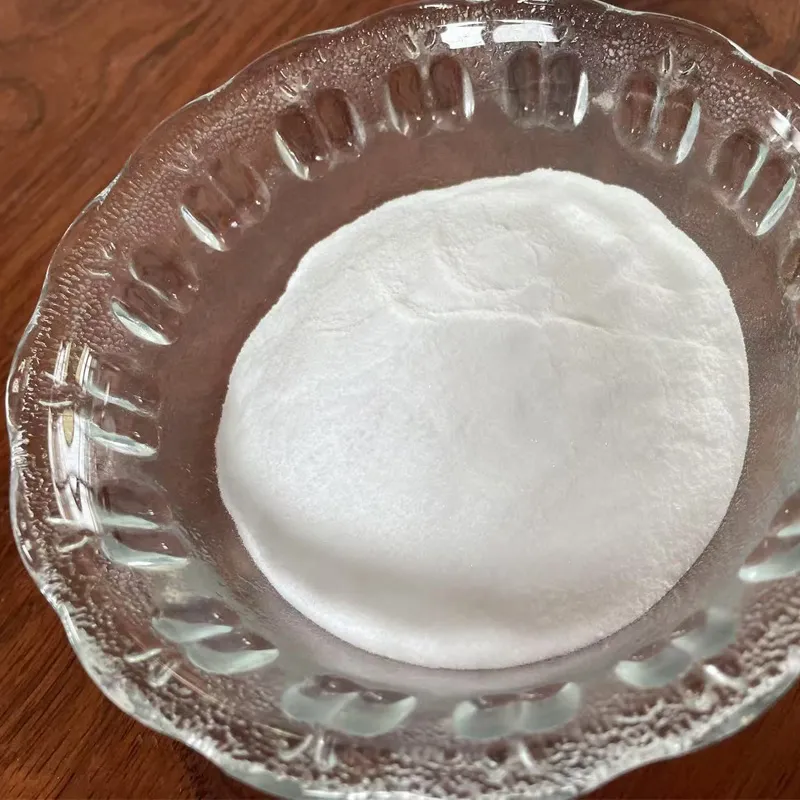
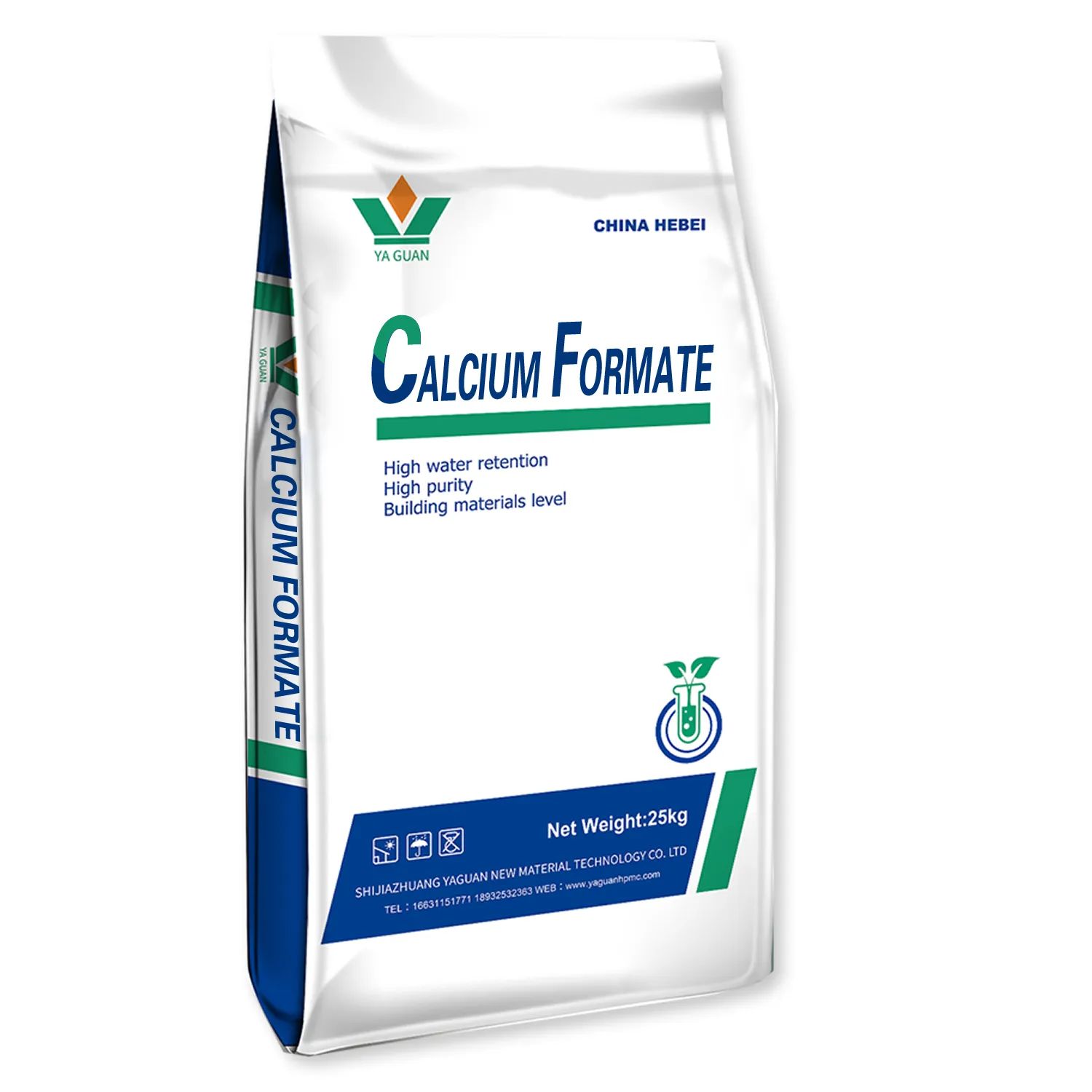
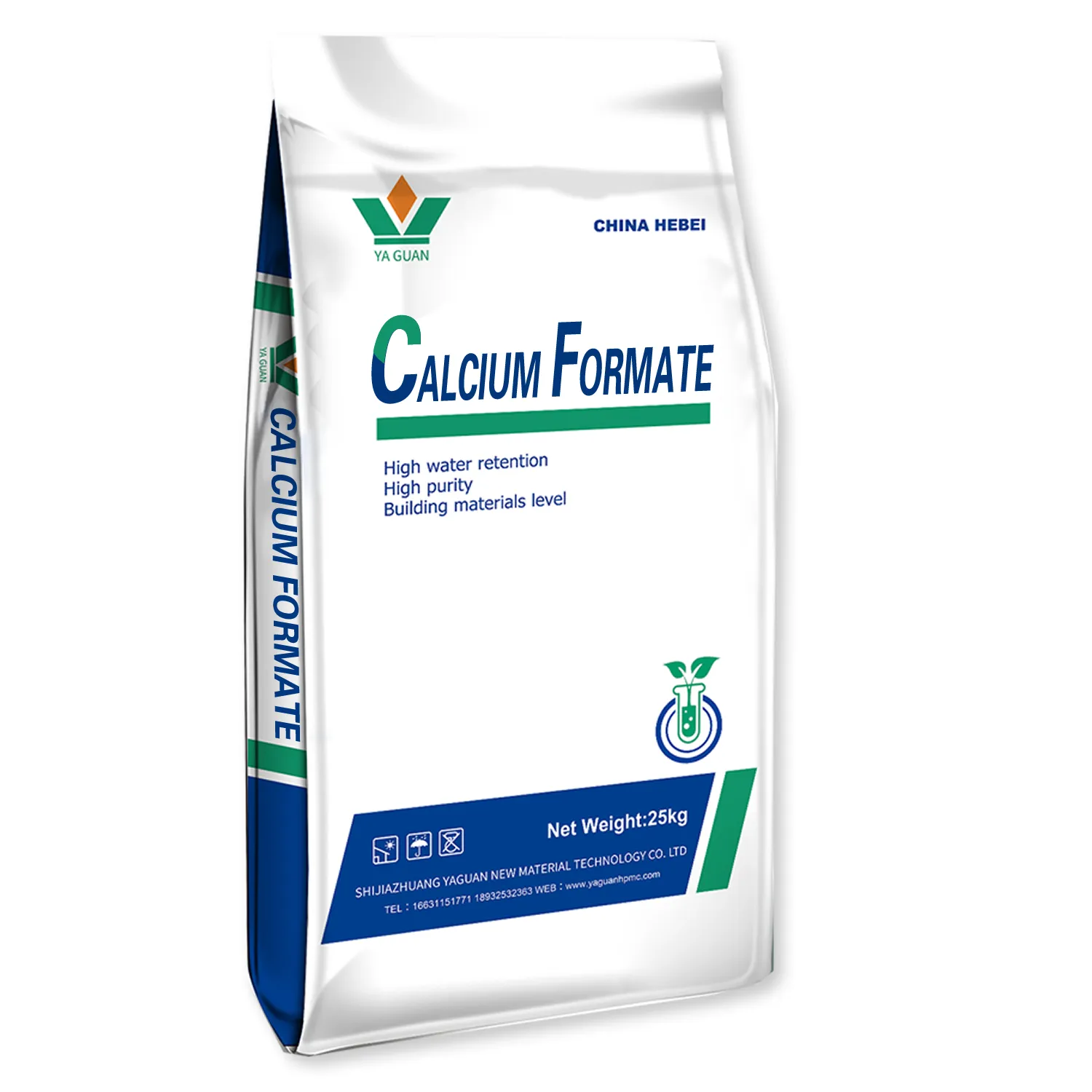
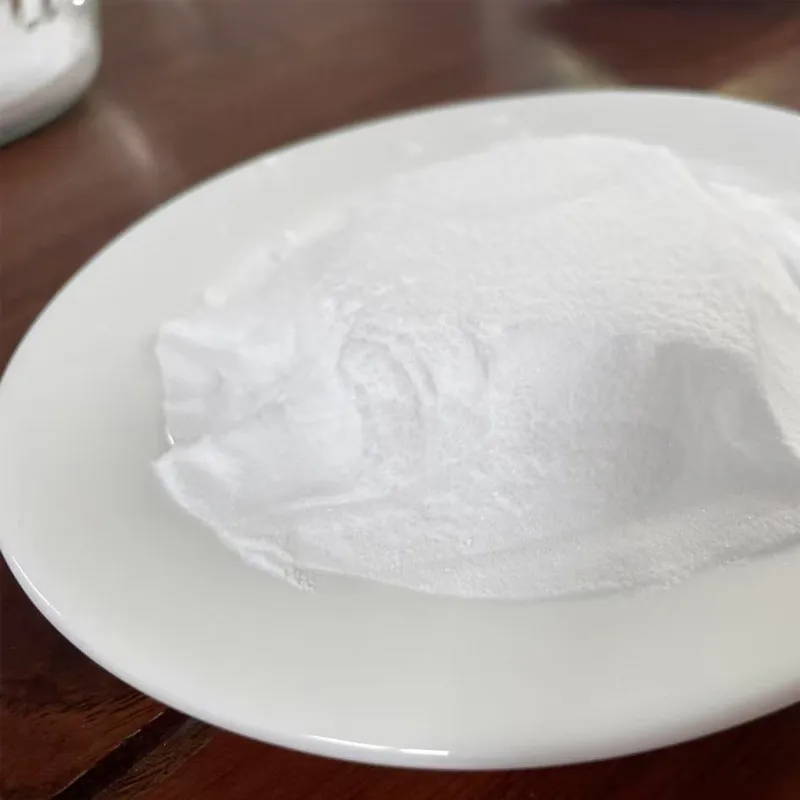
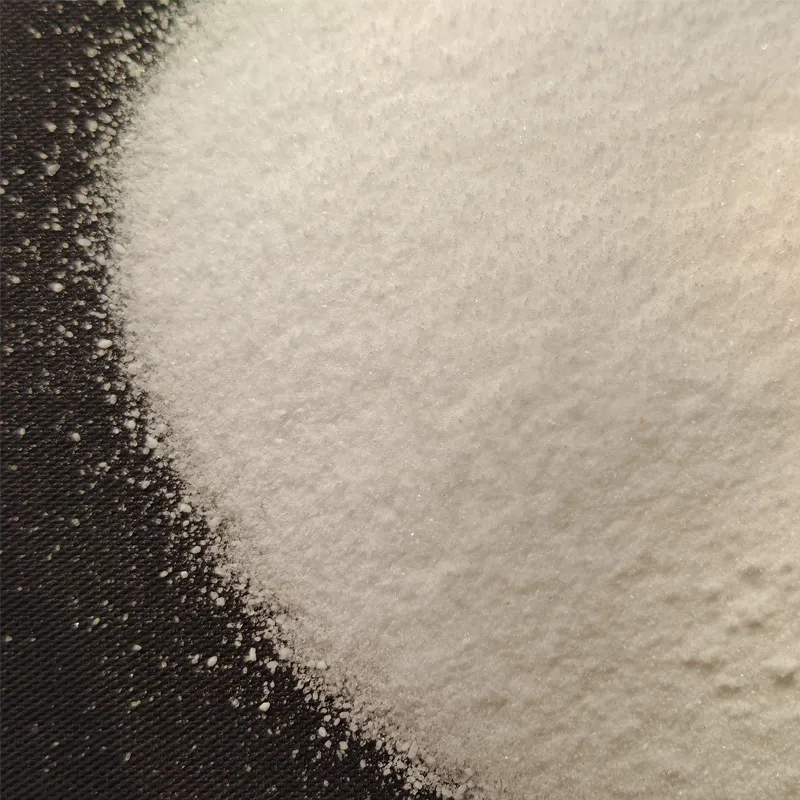
Calcium Format is produced in Hebei (Origin: Room 1320, Block C, Dongsheng Plaza, Chang'an District, Shijiazhuang, Hebei Province). It’s a white-to-yellowish powder with a faint smell—nothing dramatic—and, in practice, it behaves consistently in both mortar and concrete.
Product specifications (typical, real-world use may vary):
| Chemical name |
Calcium formate |
| Appearance |
White/yellowish powder |
| Purity (as Ca(HCOO)2) |
≥ 98.0% (≈ typical lot) |
| Moisture |
≤ 0.5% |
| Insolubles |
≤ 0.2% |
| Particle size (D50) |
≈ 100–300 μm (customizable) |
| Recommended dosage |
0.5–2.0% by cement weight (lab confirm) |
| Packaging |
25 kg bags / 1,000 kg big bags |
| Shelf life |
24 months, dry & sealed |
| Compliance |
Supports ASTM C494 Type C, EN 934-2 accelerator use |
Process flow and QA (how it’s made and proven):
- Materials: Technical grade formic acid + calcium carbonate/lime.
- Method: Neutralization → filtration → controlled drying → screening → anti-caking optimization (if specified).
- Testing standards: Mortar strength via ASTM C109; setting via ASTM C403; admixture conformity per EN 934-2 and GB/T 8076.
- Service life impact: Accelerates early hydration; no chloride-induced corrosion. The product itself stores ≈24 months; performance benefits in concrete are permanent.
- Industries: Construction mortar, structural concrete, precast, shotcrete, petroleum/gas processing aids.
Real-world performance (what users report):
- Initial set reduction at 5–10°C: ≈ 25–40%.
- 1-day compressive strength (ASTM C109 mortar): +20–40% vs control.
- Chloride content: negligible—owners appreciate that.
Application scenarios:
- Cold-weather slab pours and repair mortars.
- Precast cycles where stripping earlier saves money.
- Gas processing lines where a formate aid helps throughput.
Many customers say the mix “feels” stickier at first; that’s normal. I guess the best advice is: run a plant trial at two dosages and log your set times meticulously.
Vendor comparison (indicative):
| Vendor |
Purity |
Lead time |
Certs |
Support |
| YAGUAN Calcium Format |
≈98–99% |
7–15 days |
ISO 9001, REACH-ready, SGS test |
Formulation help, COA/SDS, pilot trials |
| Regional Producer A |
≈96–98% |
15–25 days |
ISO 9001 |
Basic QC docs |
| Generic Trader B |
≈94–97% |
Variable |
Limited |
Email only |
Customization options:
- Tailored particle size for faster dissolution.
- Anti-caking package for humid sites.
- Private-label bags, palletization, export docs.
Case notes (short and honest):
- Northern China winter pour: 0.8%
Calcium Format at 5°C cut set time ≈35%; 1-day strength +32% (ASTM C109). Crew kept the schedule; QC signed off without chloride concerns.
- Middle East gas facility: as a processing aid, operators saw steadier flow and less downtime on a sticky line—surprisingly simple change.
Final practical tip: start conservative (0.5–1.0%), verify with ASTM C403/109 in your cement, then lock in the dosage. It’s not magic—just solid chemistry that helps jobsites move faster.
References
1. ASTM C494/C494M – Standard Specification for Chemical Admixtures for Concrete.
2. EN 934-2 – Admixtures for concrete, mortar and grout: Definitions, requirements, conformity.
3. GB/T 8076 – Concrete Admixtures—China National Standard.
4. REACH Guidance for Substances in Articles (ECHA), safety and registration framework for additives.


 Quick snapshot of what’s driving the trend:
- Contractors want early strength without chloride risk (steel owners are picky, rightly so).
- Precasters chasing cycle time reductions—hours matter.
- Gas and petroleum processors using it as a processing aid where amine-heavy blends aren’t ideal.
YAGUAN’s Calcium Format is produced in Hebei (Origin: Room 1320, Block C, Dongsheng Plaza, Chang'an District, Shijiazhuang, Hebei Province). It’s a white-to-yellowish powder with a faint smell—nothing dramatic—and, in practice, it behaves consistently in both mortar and concrete.
Quick snapshot of what’s driving the trend:
- Contractors want early strength without chloride risk (steel owners are picky, rightly so).
- Precasters chasing cycle time reductions—hours matter.
- Gas and petroleum processors using it as a processing aid where amine-heavy blends aren’t ideal.
YAGUAN’s Calcium Format is produced in Hebei (Origin: Room 1320, Block C, Dongsheng Plaza, Chang'an District, Shijiazhuang, Hebei Province). It’s a white-to-yellowish powder with a faint smell—nothing dramatic—and, in practice, it behaves consistently in both mortar and concrete.
 Product specifications (typical, real-world use may vary):
 Final practical tip: start conservative (0.5–1.0%), verify with ASTM C403/109 in your cement, then lock in the dosage. It’s not magic—just solid chemistry that helps jobsites move faster.
References
1. ASTM C494/C494M – Standard Specification for Chemical Admixtures for Concrete.
2. EN 934-2 – Admixtures for concrete, mortar and grout: Definitions, requirements, conformity.
3. GB/T 8076 – Concrete Admixtures—China National Standard.
4. REACH Guidance for Substances in Articles (ECHA), safety and registration framework for additives.
Final practical tip: start conservative (0.5–1.0%), verify with ASTM C403/109 in your cement, then lock in the dosage. It’s not magic—just solid chemistry that helps jobsites move faster.
References
1. ASTM C494/C494M – Standard Specification for Chemical Admixtures for Concrete.
2. EN 934-2 – Admixtures for concrete, mortar and grout: Definitions, requirements, conformity.
3. GB/T 8076 – Concrete Admixtures—China National Standard.
4. REACH Guidance for Substances in Articles (ECHA), safety and registration framework for additives.