
What I’m Seeing in the Calcium Accelerator Market: A Practical Look at Calcium Format
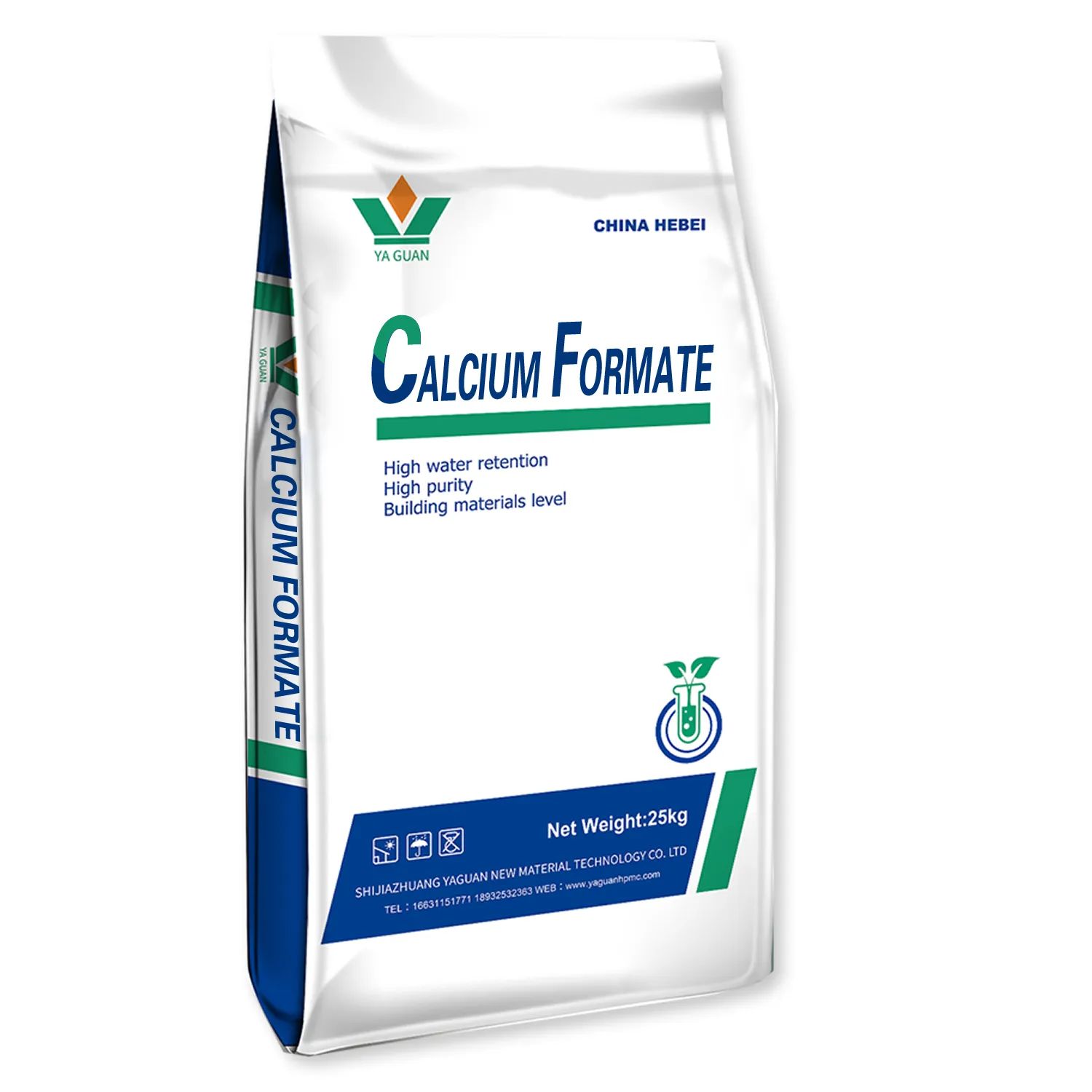
If you work with mortars, concretes, or winter pours, you’ve heard the chatter. The demand for Calcium Format accelerators is rising as contractors chase earlier demold times without flirting with chloride risk. From YAGUAN’s plant in Room 1320, Block C, Dongsheng Plaza, Chang'an District, Shijiazhuang, Hebei Province, I’ve seen a steady flow heading to admixture blenders, dry-mix mortar brands, and—surprisingly—oil and gas processors looking for a reliable processing aid.
Why Calcium Format is Having a Moment
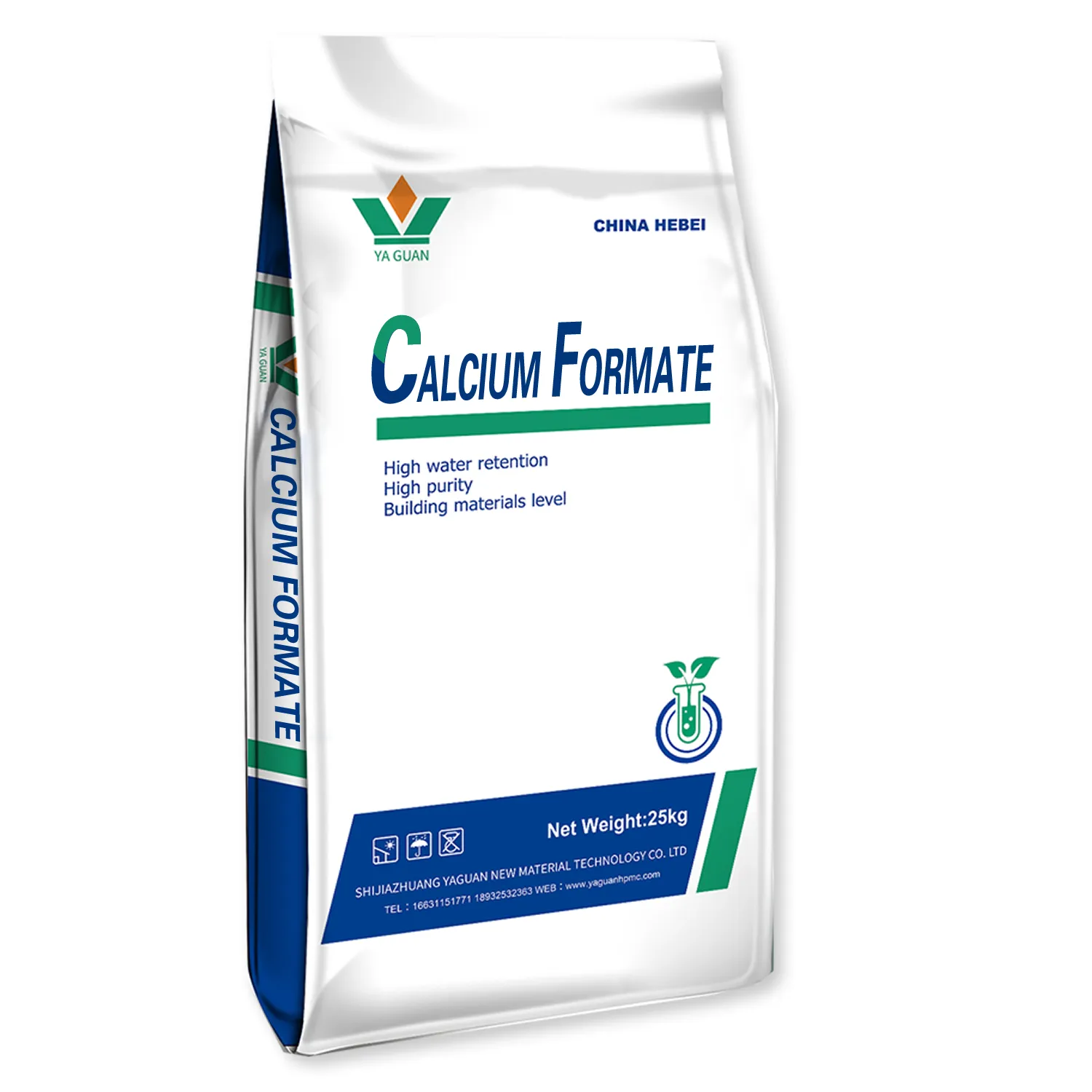
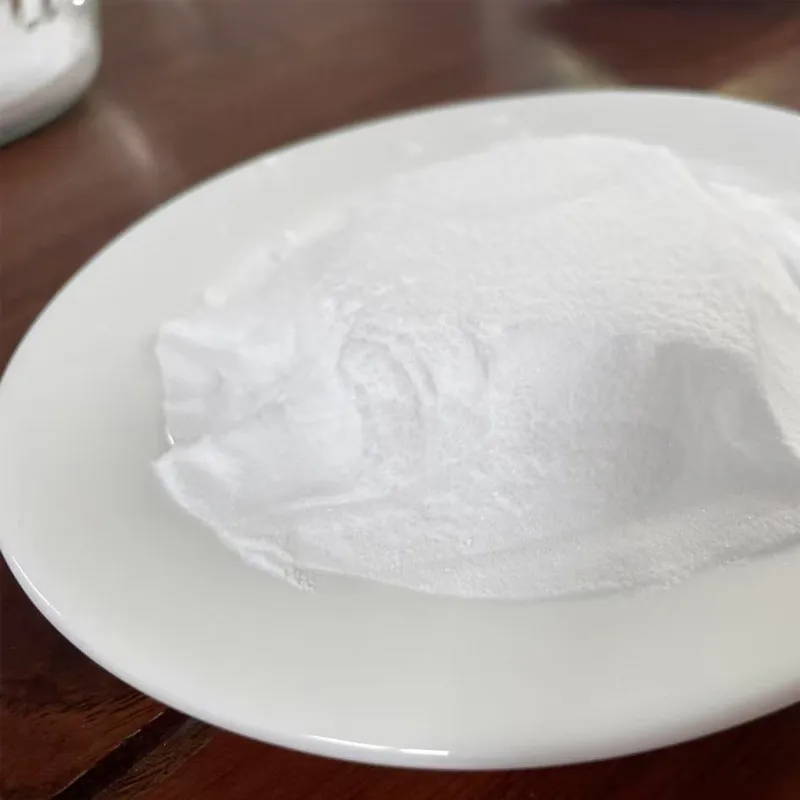
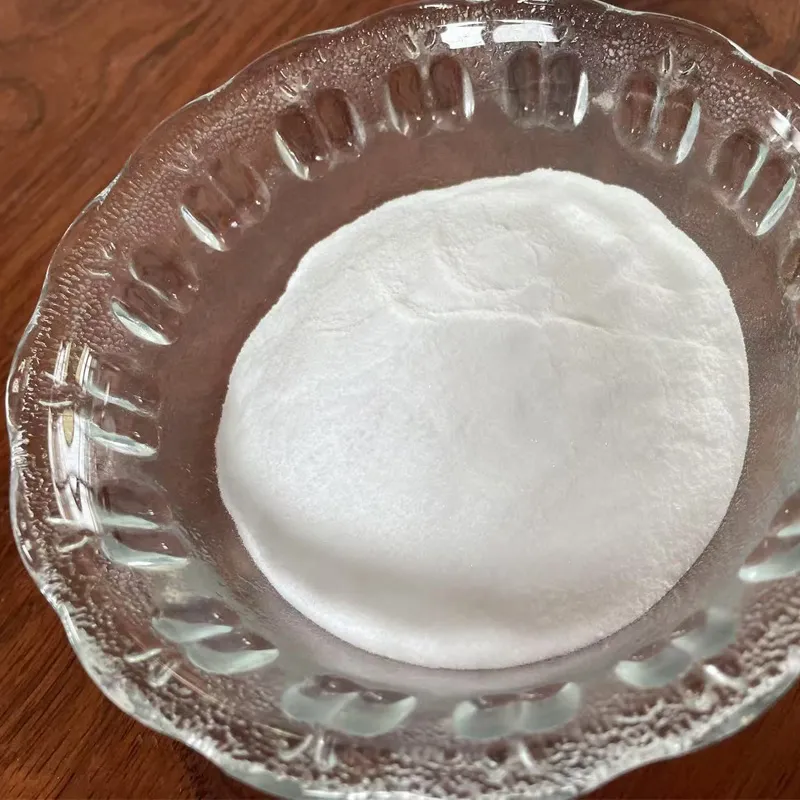
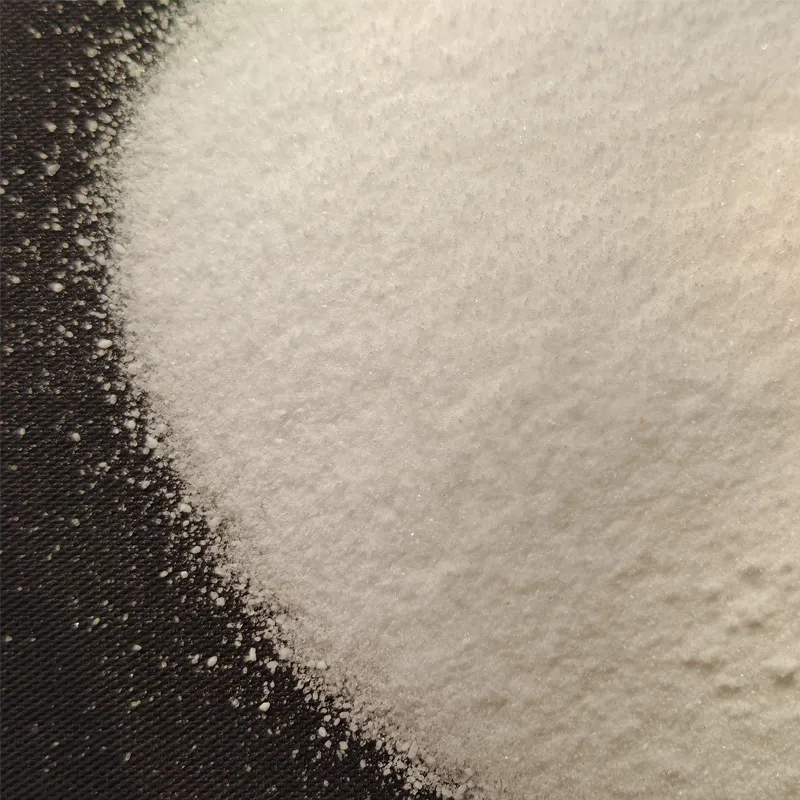
Short version: it speeds up set and early strength—without chloride. In cold or damp conditions, that’s gold. Many customers say they see fewer callbacks for “still green” tile beds and better throughput in precast. It’s a white to slightly yellowish powder (yes, with a faint smell), easy to dose in dry blends, liquid admixtures, or directly into mortar.
Process Flow (How it’s made and qualified)
- Materials: formic acid + calcium hydroxide/carbonate
- Method: neutralization → filtration → crystallization → drying → milling → sieving → packaging
- Testing: purity assay, moisture (loss on drying), chloride/insolubles, particle-size distribution, bulk density
- Application tests: EN 196-1 mortar strength, ASTM C403 set time, ASTM C109 compressive strength
- Shelf life: ≈ 24 months in dry, sealed bags; real-world use may vary
- Industries: construction mortars, concrete, petroleum and gas processing aid
Typical Product Specs
| Parameter | YAGUAN Spec (typ.) | Notes |
|---|---|---|
| Purity (as Calcium Format) | ≥ 98.0% | By titration/IC |
| Moisture | ≤ 0.5% | LOD at 105°C |
| Chloride (Cl−) | ≤ 0.02% | Non-chloride accelerator |
| Insolubles | ≤ 0.2% | Filter test |
| pH (10% sol.) | 6.5–7.5 | Neutral-ish, friendly to blends |
| Particle size | 100–200 mesh | Customizable |
Application Scenarios and Data
- Dry-mix tile adhesive: 0.5–1.5% Calcium Format by binder cuts set time by ≈20–35% and boosts 24h strength by 10–25% (EN 196-1 lab panels).
- Precast concrete: 0.8–2.0% on cement reduces ASTM C403 initial set by ≈30–45 min at 10°C; demold earlier without chloride.
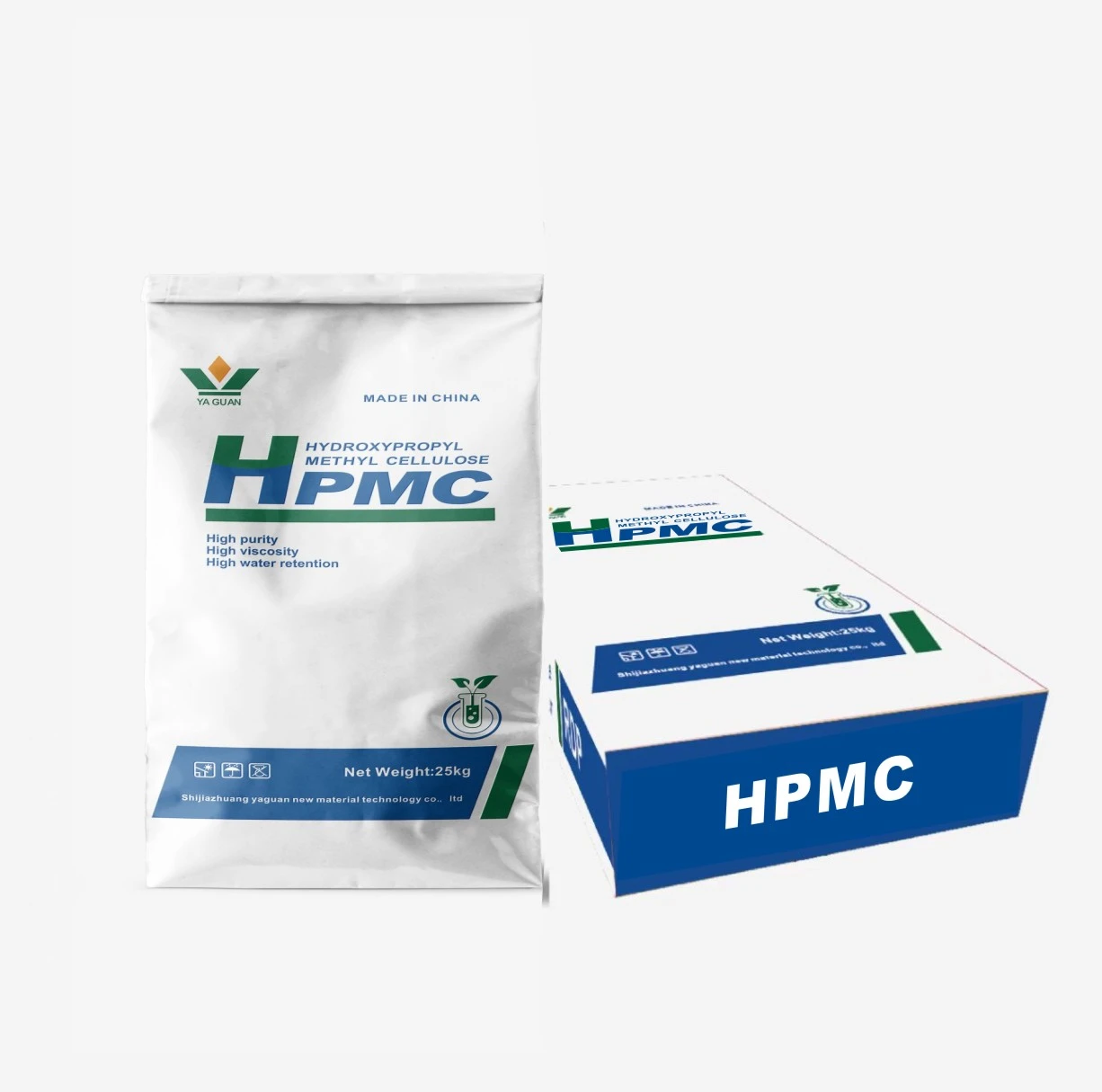
- Cold-weather mortar: pairs well with HPMC/HEMC; keeps workability while accelerating early grab.
- Petroleum/gas processing: used as a processing aid where mild buffering/complexing is preferred; consult process engineer for compatibility.
Customization and Compliance
YAGUAN offers tailored particle size, anti-caking options, low-sodium grades, and private-label bags (25 kg / 1,000 kg). Certifications: ISO 9001; REACH and RoHS statements available; routine 3rd-party SGS testing on request.
Vendor Comparison (snapshot)
| Vendor | Purity (typ.) | Lead Time | Customization | Certs |
|---|---|---|---|---|
| YAGUAN (Calcium Format) | ≥98% | 7–14 days | Particle size, anti-cake, private label | ISO 9001, REACH statement |
| Vendor A | ≈97–98% | 2–3 weeks | Limited | ISO 9001 |
| Vendor B | ≥98% | 3–5 weeks | Packaging only | ISO 9001, RoHS |
Note: indicative values; real-world availability varies with season and shipping lanes.
Case Notes from the Field
Tile adhesive brand, Northern Europe: switched to 1.0% Calcium Format in C1T; winter set time dropped from 6h to 4.2h at 10°C; slip stayed within EN 12004 limits. Customer feedback? “Fewer next-day callbacks; crews finish earlier.”
Precast yard, Central Asia: 1.5% dosage in M400 cement; initial set improved by ~40 min (ASTM C403) at 8–10°C; 24h compressive +18% (ASTM C109 mortar proxy). They kept plasticizer unchanged—nice surprise.
Practical Tips
- Start at 0.5–1.5% on cementitious binder; optimize with your plasticizer and cellulose ether.
- Pre-dissolve for liquid admixtures; strain to avoid agglomerates.
- Verify with EN 196-1/ASTM C109 panels and ASTM C403 set-time on your exact cement.
Safety & Compliance
Non-chloride, non-flammable. Use standard PPE; avoid dust. Meets typical industrial hygiene expectations; request SDS and REACH status for your jurisdiction.
References
- ASTM C403/C403M – Standard Test Method for Time of Setting of Concrete Mixtures by Penetration Resistance.
- ASTM C109/C109M – Standard Test Method for Compressive Strength of Hydraulic Cement Mortars.
- EN 196-1 – Methods of testing cement – Determination of strength.
- ECHA Substance Info: Calcium formate (CAS 544-17-2) – regulatory status and safety overview.