
Calcium Format: what builders really ask me about, and why it matters
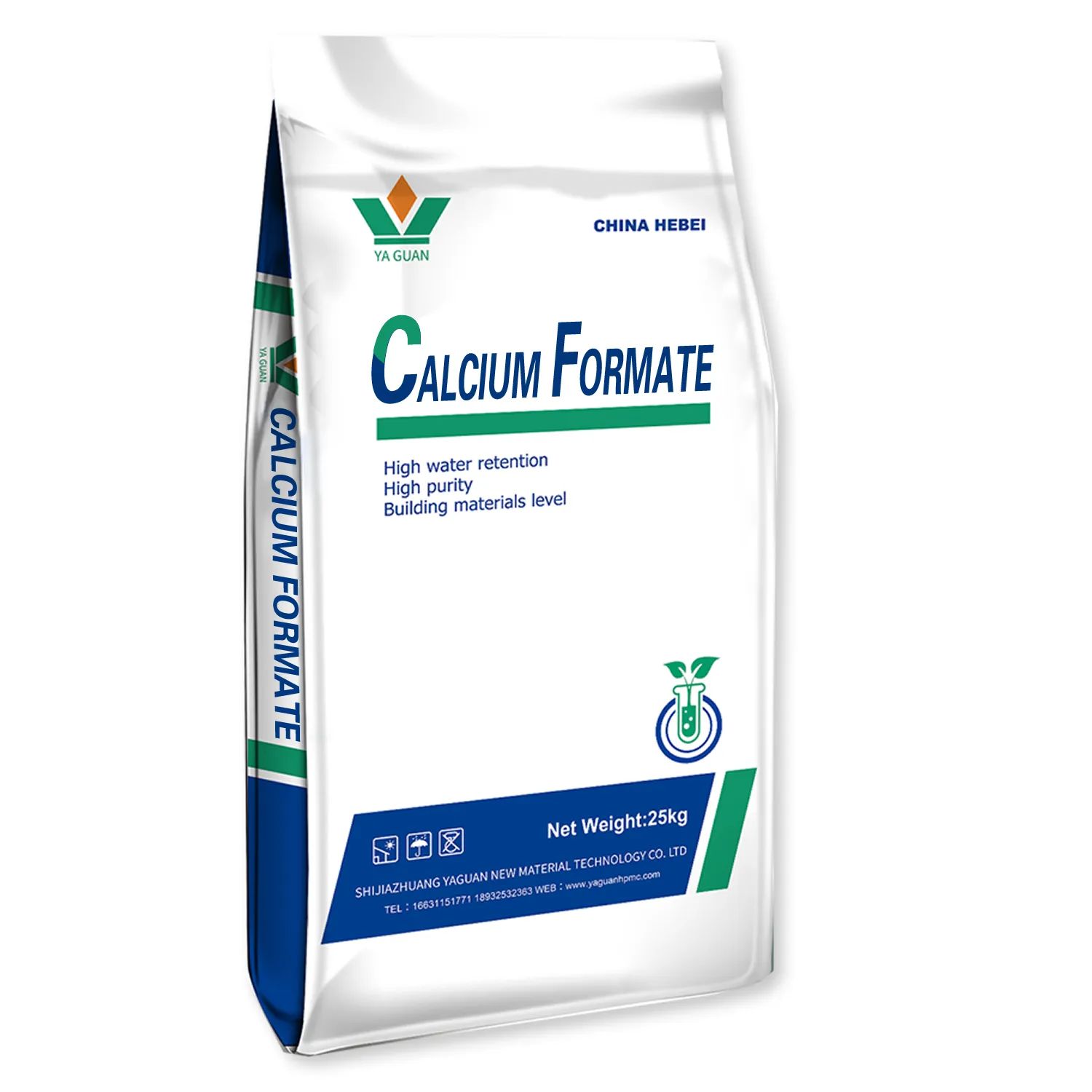
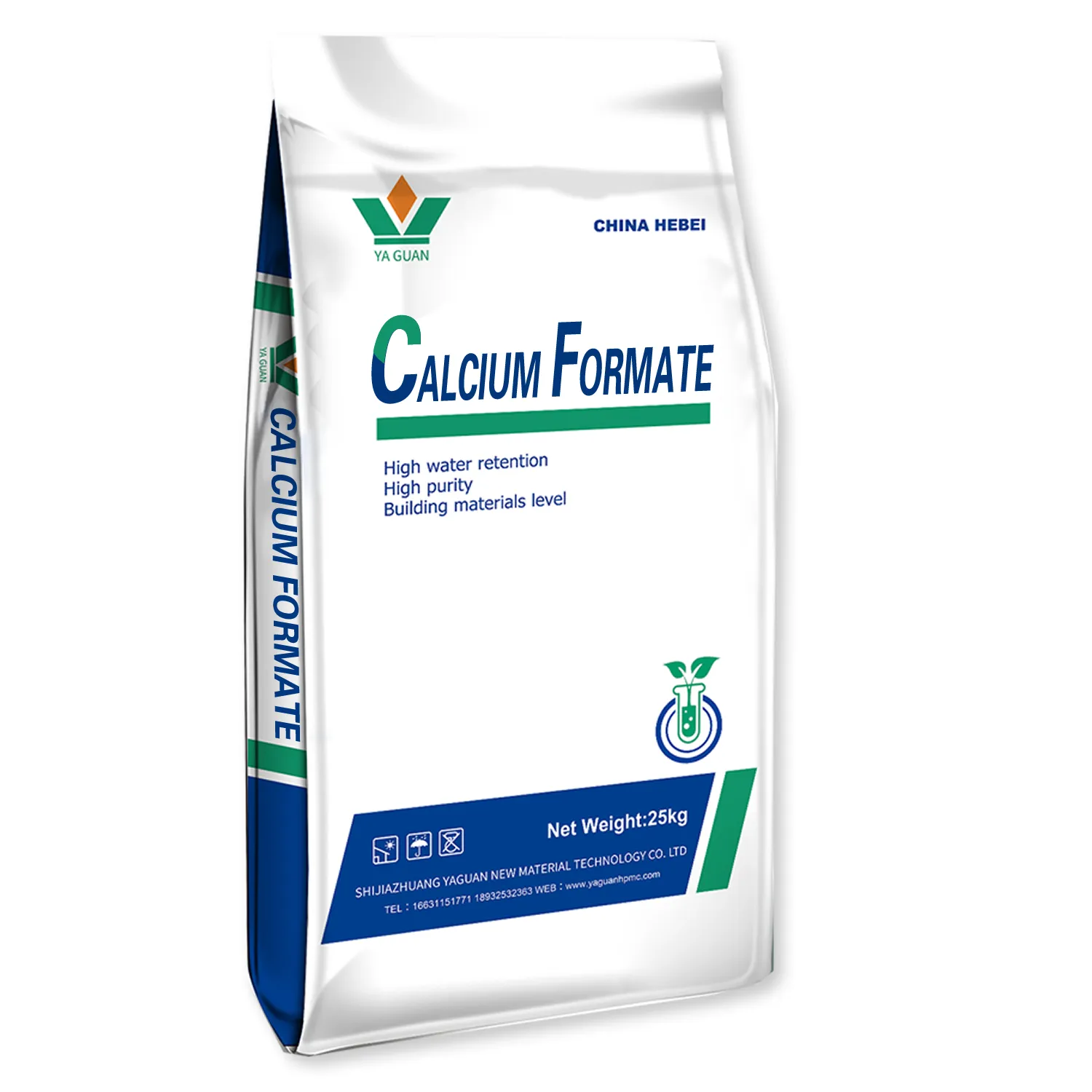
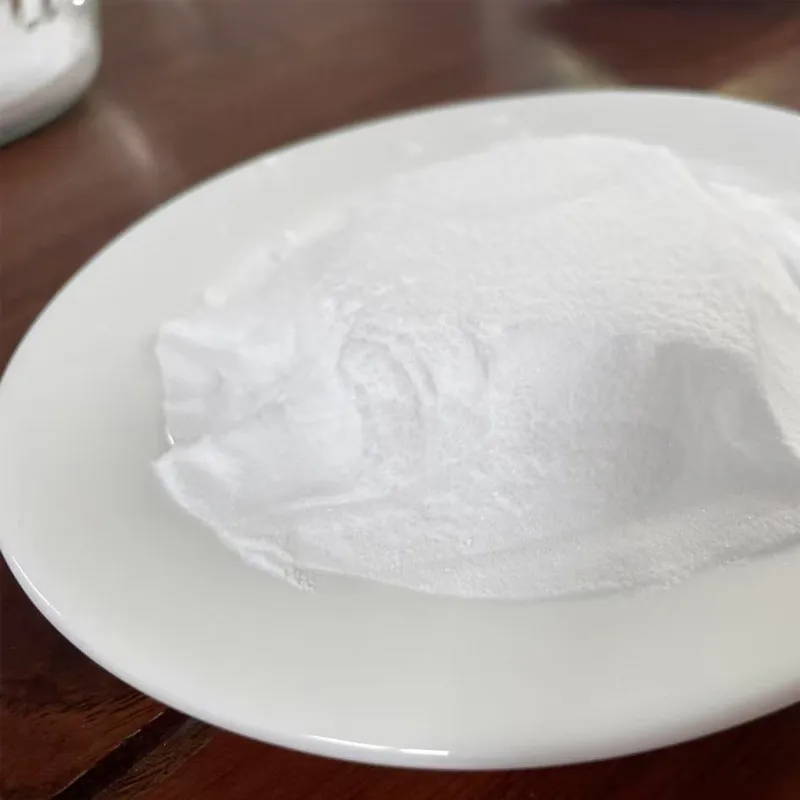
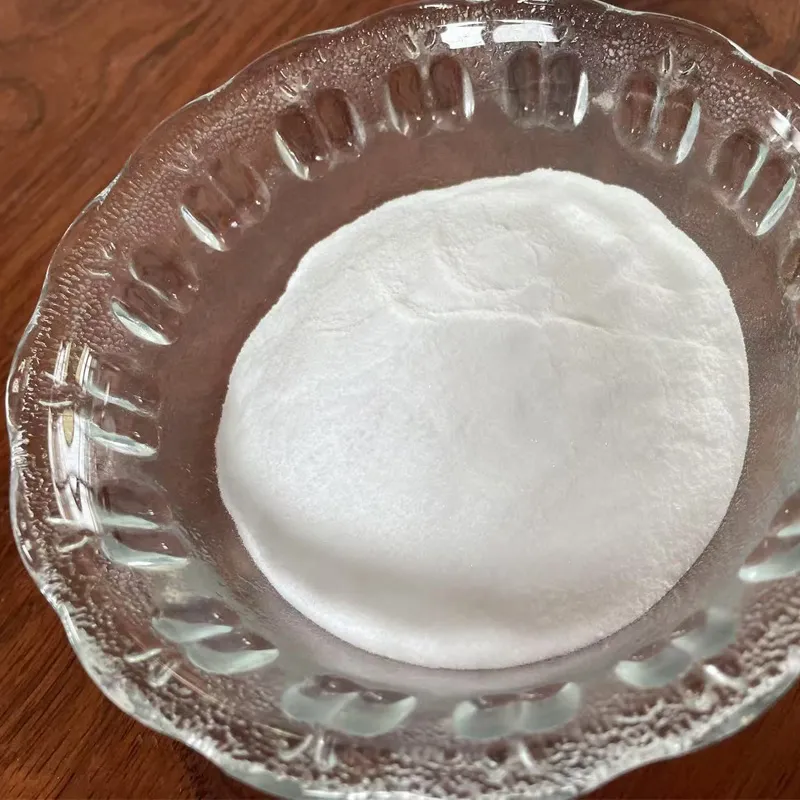
If you work in drymix or ready-mix, you’ve heard the buzz. To be honest, the market has quietly shifted toward chloride‑free accelerators, and calcium formate (Ca(HCOO)2) sits right at the center. YAGUAN’s take on it—white to slightly yellow powder, faint smell, nothing dramatic—has been cropping up in winter pours, tile adhesives, and even petroleum/gas processing. People keep calling it Calcium Format, which is fine by me; the performance is what counts.
Industry trend check
Two things are driving demand: colder job sites and lower‑carbon binders. With SCM-heavy cements (fly ash, slag) setting slower, contractors want a clean accelerator. Calcium Format is chloride‑free, compatible with most superplasticizers, and—surprisingly—plays nicely with gypsum-based systems as well.
Technical specifications (typical)
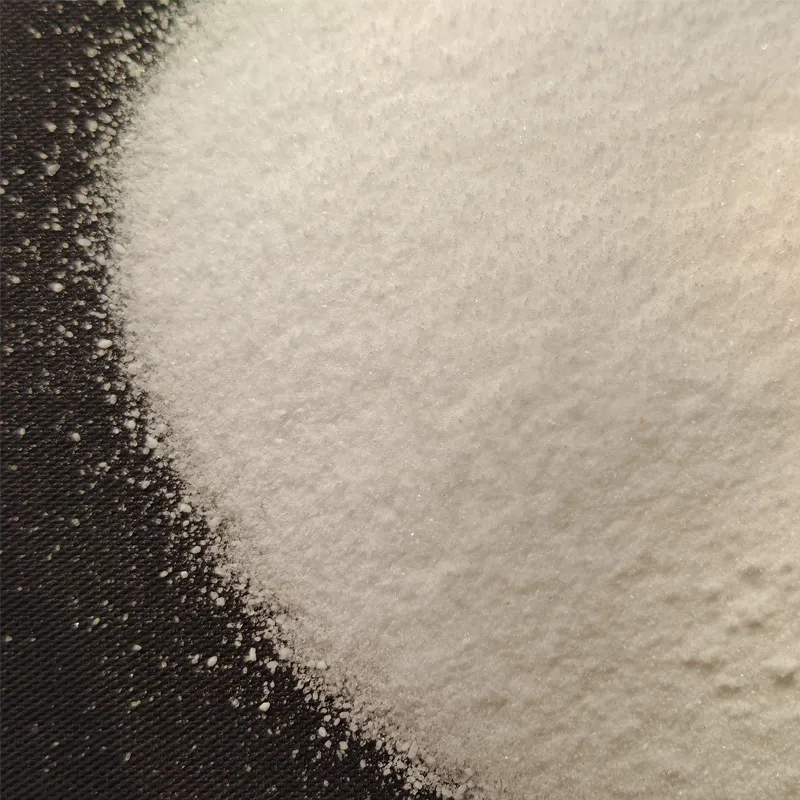
| Appearance | White–yellowish powder |
| Assay (as Ca(HCOO)2) | ≥ 98% (titration) |
| Moisture | ≤ 0.5% ≈ real‑world up to 0.8% |
| Chloride (Cl–) | ≤ 0.03% |
| pH (10% aq.) | 6.5–7.5 |
| Particle size | 80–200 mesh (customizable) |
| Bulk density | 0.80–1.00 g/cm³ |
| Shelf life | 24 months, dry and sealed |
Process flow and QA
Calcium Format is produced by neutralizing formic acid with calcium carbonate/hydroxide → crystallization → filtration → low‑temp drying → milling/sieving. QC typically includes assay by titration, moisture (oven), chloride (ion chromatography), and particle size (laser diffraction). Performance validation: EN 934‑2 (accelerating admixtures), ASTM C494 Type C/E (initial set and early strength on mortar/concrete), and EN 196‑1 compressive tests. Oilfield blends are often screened against API RP 10B‑2 procedures.
Applications and field data
- Construction mortar and concrete: 0.5–2.0% bwoc; initial set acceleration ≈ 20–60 minutes; 1‑day strength gain +15–30% vs. control (lab, 10°C).
- Tile adhesives/ETICS: faster grab in cold, stable rheology with HPMC/latex.
- Petroleum & gas processing aid: blends as dewatering/processing additives where chloride is restricted.
In practice, dosage is tuned to cement type and temperature. Compatibility is generally good with PCE/SNFs; always run a trial—real‑world use may vary.
Vendor snapshot (what buyers compare)
| Vendor | Purity | Certs | Customization | Notes |
|---|---|---|---|---|
| YAGUAN (Calcium Format) | ≥98% | ISO 9001, REACH prereg. | Mesh, moisture, anti‑caking | Origin: Room 1320, Block C, Dongsheng Plaza, Chang'an District, Shijiazhuang |
| Vendor A | ≈97–98% | ISO 9001 | Limited | Standard lead time |
| Vendor B (low‑cost) | 95–97% | — | — | Watch chloride/moisture |
Customization, packaging, compliance
Calcium Format can be milled to finer cuts for drymix homogeneity or treated with anti‑caking agents for humid regions. Typical packs: 25 kg bags, 1‑ton pallets, big bags on request. Safety: follow SDS; keep dry; avoid dust inhalation. Many customers say the sealed liners help during monsoon season.
Compliance touchpoints: ASTM C494/EN 934‑2 performance claims, low chloride reporting, and where applicable, REACH/UK REACH registration. CAS: 544‑17‑2.
Real‑world cases
Poland, winter mortar: 1.2% Calcium Format cut initial set by ~45 min at 5°C and boosted 24‑h compressive strength by 23% (EN 196‑1 cubes). Crew feedback: “less waiting, cleaner edges.”
Kazakhstan, gas facility: a processing aid package including Calcium Format improved dewatering stability by ≈12% compared with a chloride‑bearing blend; ops team liked the corrosion profile.
Bottom line
If you need early strength without chloride headaches, Calcium Format is an easy win—just validate dosage against your cement and temperature window.
- ASTM C494/C494M – Standard Specification for Chemical Admixtures for Concrete.
- EN 934‑2 – Admixtures for concrete, mortar and grout – Part 2: Concrete admixtures.
- EN 196‑1 – Methods of testing cement – Part 1: Compressive strength.
- API RP 10B‑2 – Recommended Practice for Testing Well Cements (Laboratory Testing).
- ECHA Substance Info: Calcium formate (CAS 544‑17‑2) – classification and guidance.