
On-the-ground look at Calcium Format: early strength, cold-weather reliability, real jobsite data
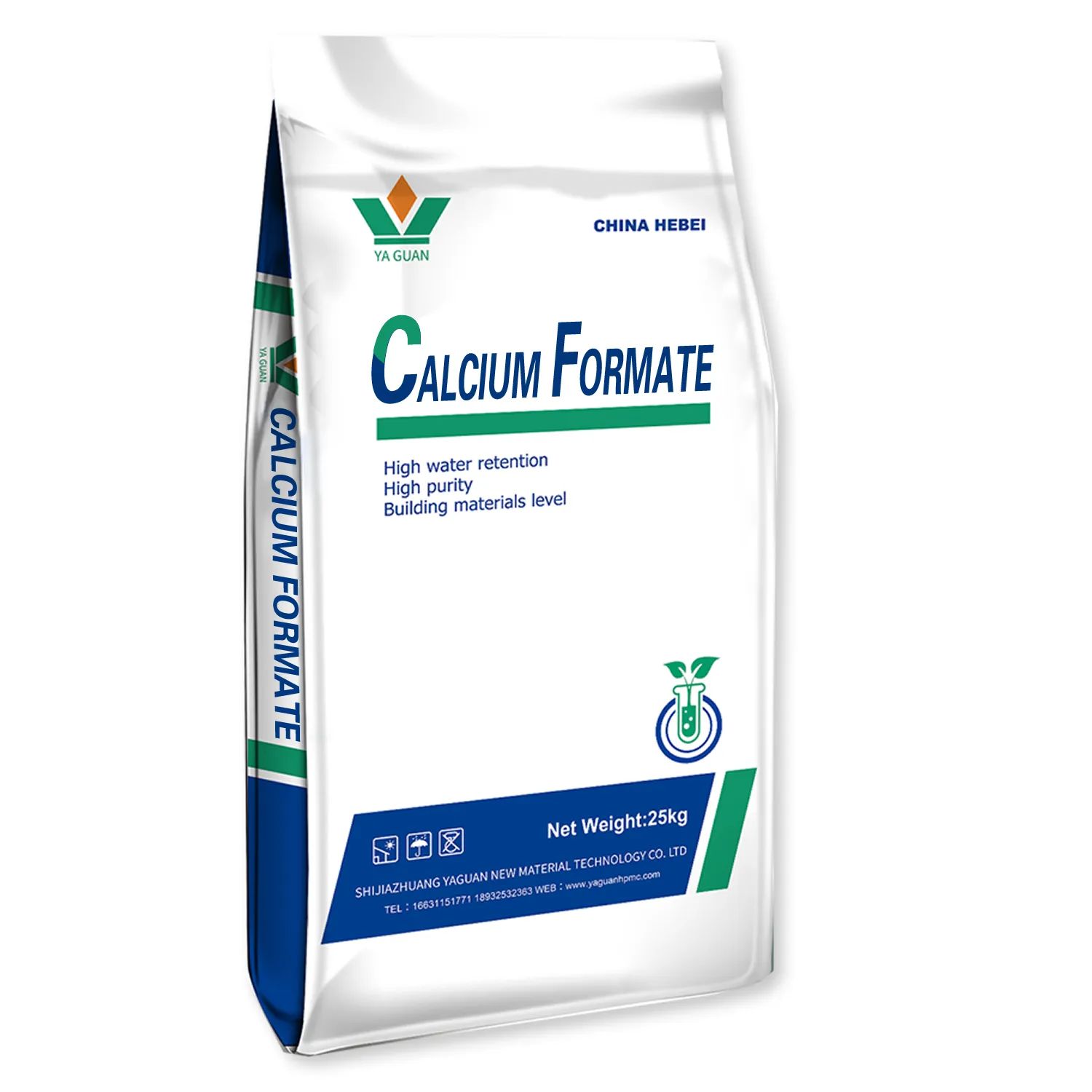
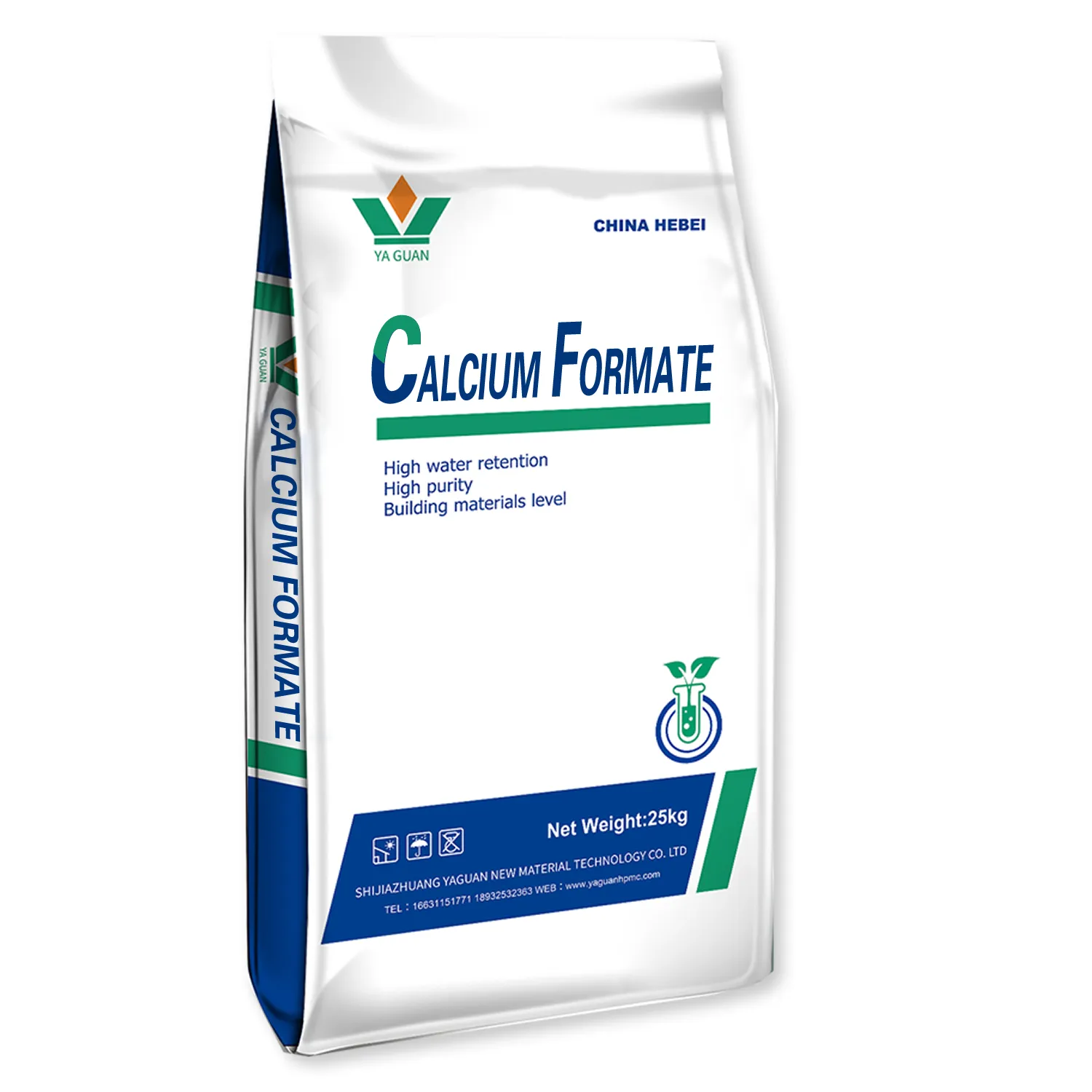
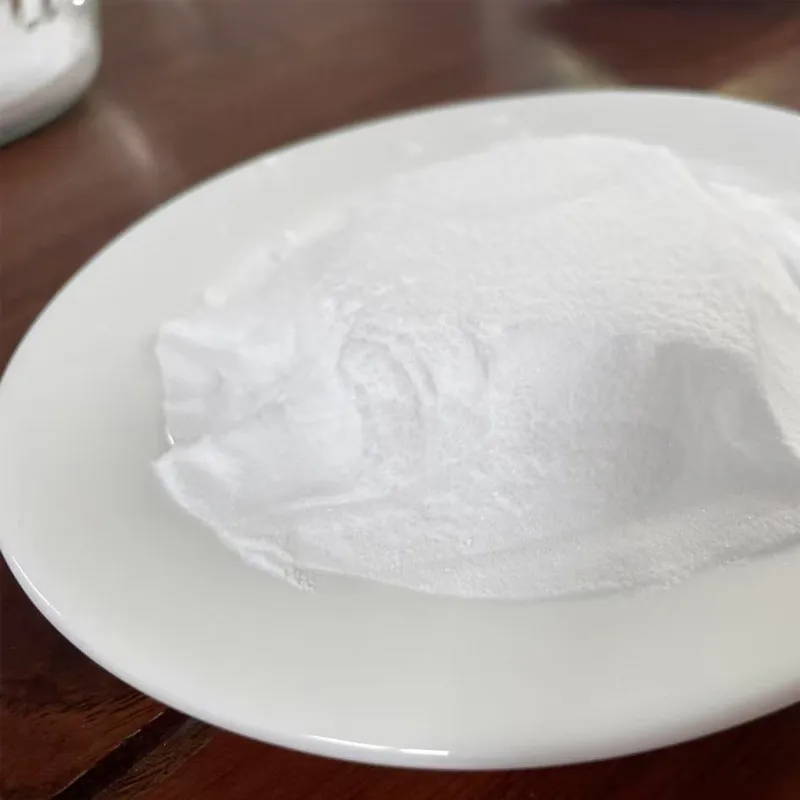
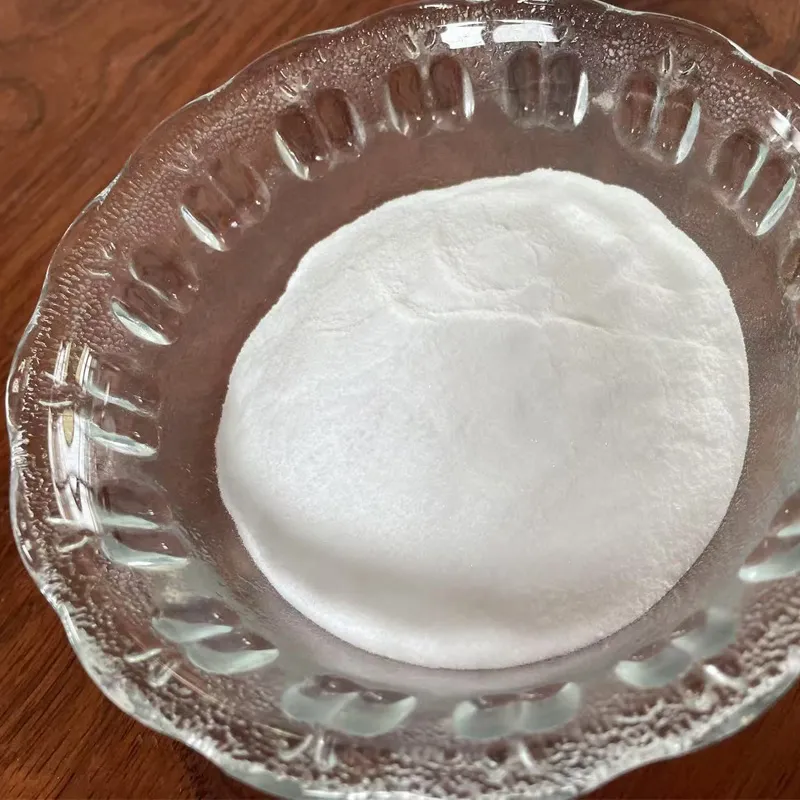
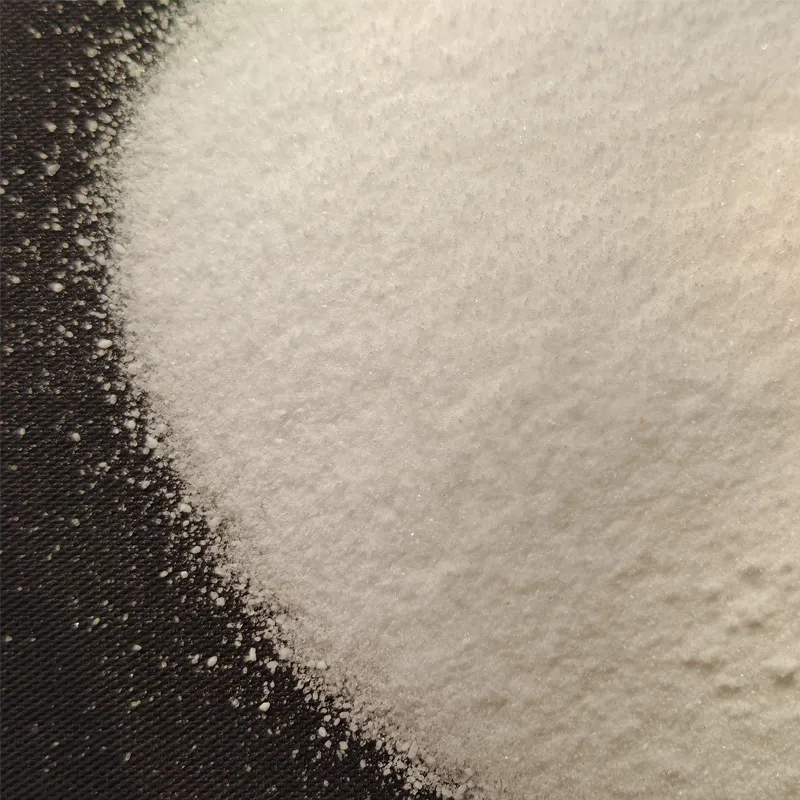
Construction admixtures rarely get the spotlight, but, to be honest, they make or break a winter pour. Over the last two seasons, demand for Calcium Format has quietly surged across mortar and precast plants, and even in oil and gas field services where it plays a niche role as a processing aid. It’s a white to slightly yellowish powder with a faint smell—unremarkable on the surface, yet surprisingly effective at accelerating set and boosting early compressive strength without the corrosion baggage of chloride-based accelerators.
Technical snapshot and typical specs
| Chemical name | Calcium formate (Ca(HCOO)2) |
| CAS | 544-17-2 |
| Purity (assay) | ≥ 98% (typical ≥ 98.5%) |
| Moisture | ≤ 0.5% |
| Particle size (D50) | ≈ 100–250 μm (customizable) |
| Bulk density | ≈ 0.75–0.95 g/cm³ |
| pH (10% sol.) | 7–8 |
| Color/odor | White to yellowish; slight odor |
How it’s made, tested, and used
Calcium Format is typically produced by neutralizing formic acid with calcium carbonate or calcium hydroxide, then filtering, crystallizing, drying, and milling. YAGUAN’s line (origin: Room 1320, Block C, Dongsheng Plaza, Chang'an District, Shijiazhuang, Hebei Province) follows a clean, closed-loop approach to manage residual acids—small detail, big impact on consistency.
Testing standards you’ll care about: EN 934-2 for admixture compliance; ASTM C403 for setting time; ASTM C109/C349 for early compressive strength; and chloride/corrosion screening per ASTM C1202 or equivalents. In our notes, early strength gains at 24h often land in the +25–40% range (real-world use may vary with cement chemistry).
Application scenarios and advantages
- Mortars and site-mix concretes needing faster set in cold weather.
- Precast elements where cycle time is king (forms out sooner).
- Oil & gas: as a processing aid and in select fluid-loss/control blends.
- Dry-mix products (tile adhesives, repair compounds) seeking predictable early grab.
Key advantages: non-chloride acceleration, improved early strengths, reduced bleed, and decent synergy with cellulose ethers and PCE superplasticizers—though, actually, trial mixes are still a must to dial in dosage (typically 0.5–2.0% by binder weight).
Vendor comparison (snapshot)
| Vendor | Purity | Moisture | Certifications | Packaging |
|---|---|---|---|---|
| YAGUAN | ≥98.5% | ≤0.5% | ISO 9001, REACH prereg. | 25 kg bags; 1 MT big-bags |
| Vendor B (Asia) | ≈98% | ≤0.8% | ISO 9001 | 25 kg bags |
| Vendor C (EU) | ≥99% | ≤0.3% | ISO 9001, 14001 | 20–500 kg formats |
Customization, service life, and real feedback
YAGUAN offers tailored particle size, anti-caking treatment, and assay tuning for delicate dry-mix formulas. Shelf life: about 24 months in unopened, dry storage (keep sealed; it’s mildly hygroscopic). In-service effects are immediate—set time reductions of 15–30% and earlier demolding; long-term strengths at 28 days are generally neutral vs. control, which many customers say is exactly what they want.
Case notes (field and lab)
- Precast yard, -5°C ambient: 1.5% Calcium Format cut set time ≈25% (ASTM C403), 24h compressive +32% (ASTM C109). Crew reported “forms flipped before lunch”—anecdotal but consistent.
- Repair mortar, urban job: 0.8% Calcium Format improved early grab without stickiness; pumpability unchanged. No chloride risk to embedded steel per ASTM C1202 indicators.
Compliance and safety: align use with EN 934-2 (type AF accelerators), SDS handling, and local codes. For oil & gas blending, verify compatibility with brines and polymers (small-batch QA first—trust me, it saves headaches).
Quick tips
- Blend Calcium Format into dry components for bagged mixes; for wet batching, pre-dissolve for uniformity.
- Watch sulfate balance and cement alkalis; minor tweaks to PCE dosage may be needed.
- Always test with project cement and sands—real-world aggregates can surprise you.
References
- EN 934-2: Admixtures for concrete, mortar and grout—Concrete admixtures—Definitions, requirements, conformity.
- ASTM C403/C403M: Standard Test Method for Time of Setting of Concrete Mixtures by Penetration Resistance.
- ASTM C109/C109M: Standard Test Method for Compressive Strength of Hydraulic Cement Mortars.
- ASTM C1202: Standard Test Method for Electrical Indication of Concrete’s Ability to Resist Chloride Ion Penetration.