

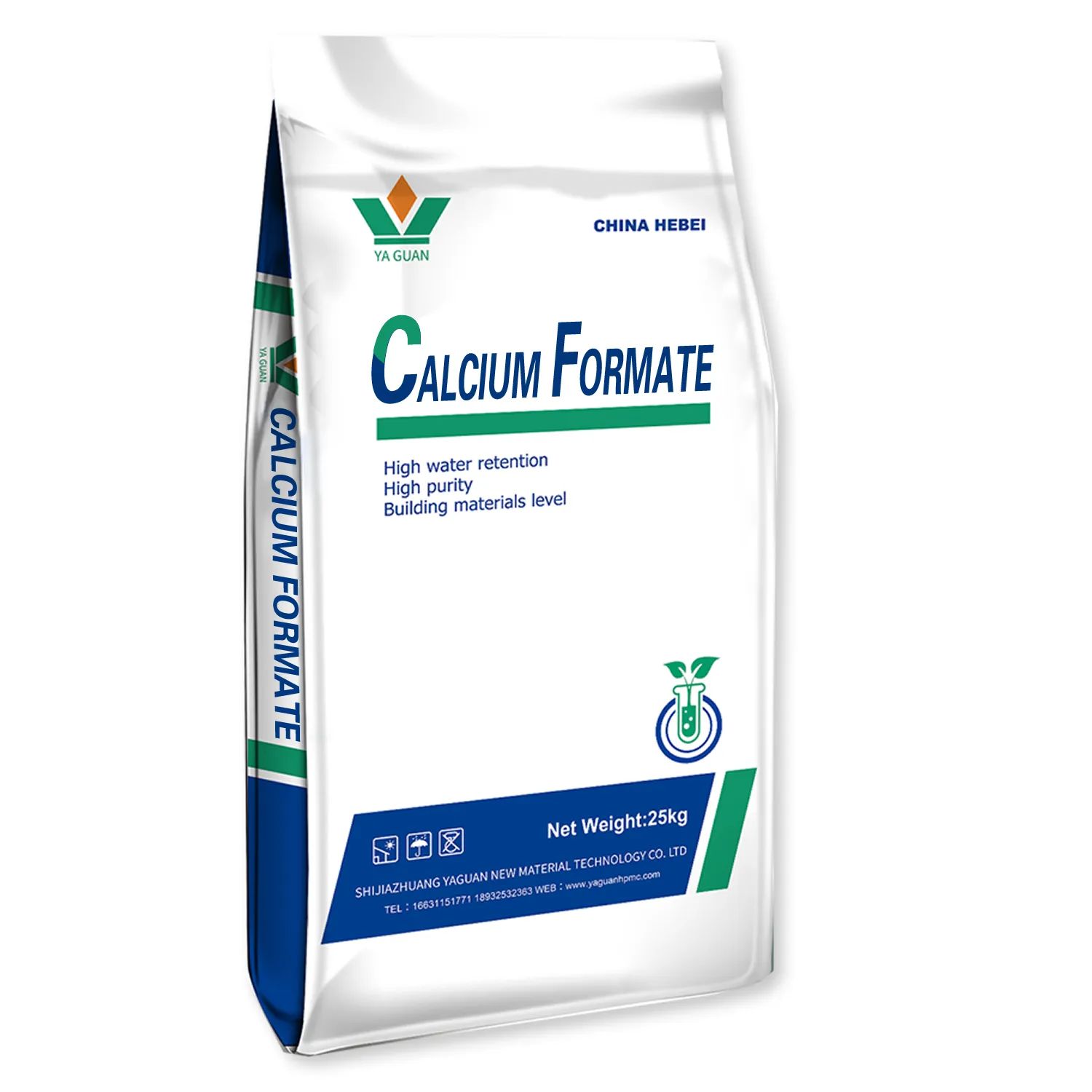
Introduction to Calcium Format
In the dynamic landscape of modern construction and chemical manufacturing, the demand for high-performance additives that enhance material properties while ensuring efficiency and sustainability is paramount. Calcium Format (Ca(HCOO)₂) emerges as a pivotal compound, widely recognized for its versatile applications as a cement accelerator, a corrosion inhibitor, and a vital component in various industrial processes. Its unique chemical structure, a calcium salt of formic acid, grants it exceptional properties that contribute significantly to the strength development, workability, and durability of cementitious materials, especially in low-temperature conditions. Beyond construction, its utility extends into feed additives, drilling fluids, and leather tanning, underscoring its broad industrial significance and the continuous innovation driving its production and application.
This article delves into the comprehensive aspects of Calcium Format, from its intricate manufacturing process and stringent technical specifications to its diverse application scenarios and the tangible advantages it offers. We will explore current industry trends, provide detailed technical data, analyze vendor capabilities, discuss customized solutions, and present compelling application case studies, all aimed at providing B2B decision-makers and technical professionals with an authoritative and trustworthy resource.
Manufacturing Process Flow of Calcium Format
The production of high-quality Calcium Format involves a meticulously controlled chemical synthesis process, ensuring purity, consistency, and optimal performance characteristics. The primary raw materials are typically formic acid (HCOOH) and a calcium source, such as calcium carbonate (CaCO₃) or calcium hydroxide (Ca(OH)₂). The selection and quality of these raw materials are critical to the final product's specifications.
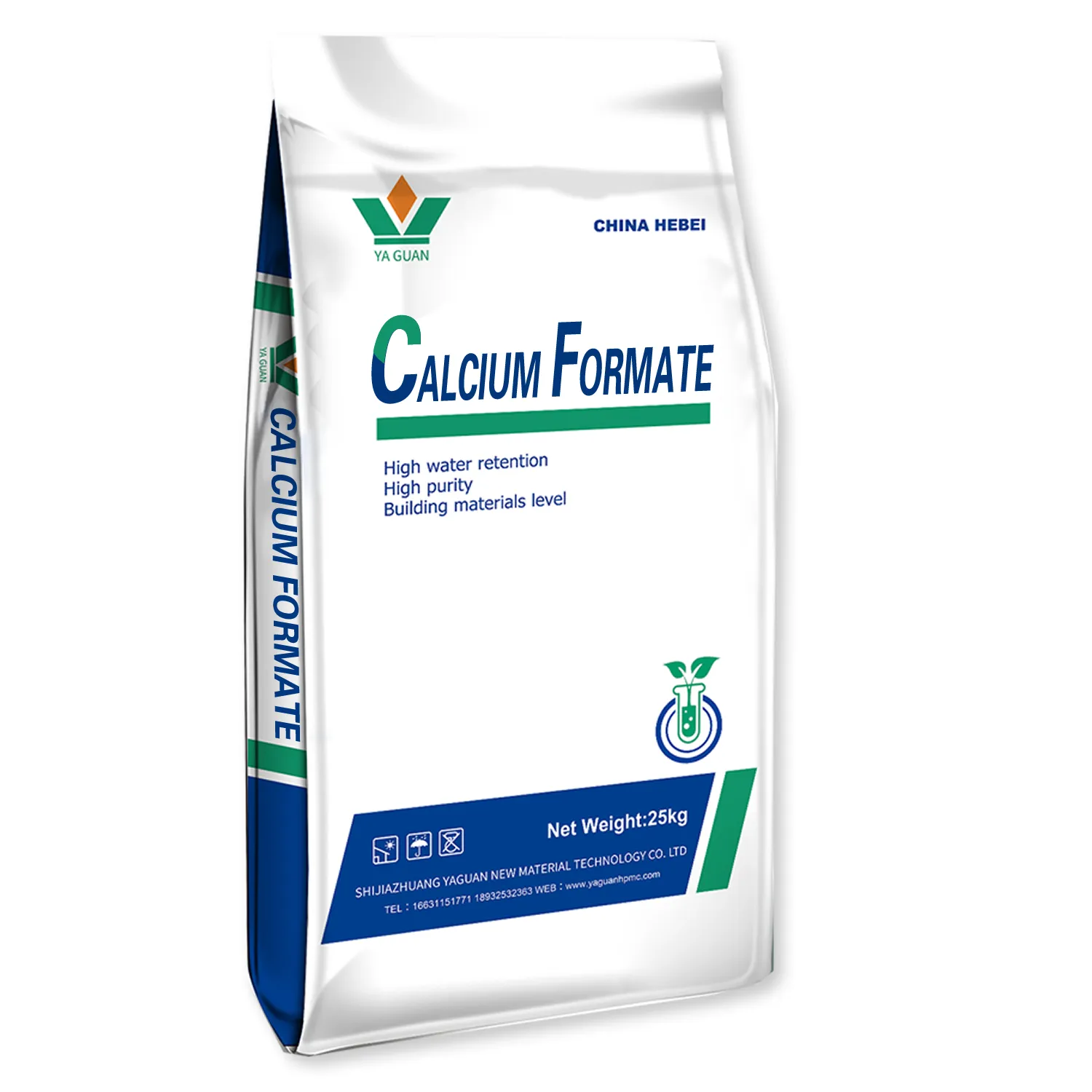
Figure 1: Typical appearance of Calcium Format powder.
Detailed Synthesis Steps:
- Raw Material Preparation: High-purity formic acid and calcium carbonate (or calcium hydroxide) are carefully measured and prepared. Quality control checks are performed to ensure raw material specifications meet production standards.
- Reaction/Neutralization: The calcium source is slowly added to a controlled aqueous solution of formic acid in a reaction vessel. This exothermic neutralization reaction produces Calcium Format and water, alongside carbon dioxide if calcium carbonate is used (CaCO₃ + 2HCOOH → Ca(HCOO)₂ + H₂O + CO₂). Precise temperature and pH control are maintained throughout this stage to optimize yield and purity.
- Filtration: After the reaction, the solution is filtered to remove any insoluble impurities or unreacted solids, ensuring a clean product stream.
- Crystallization/Drying: The filtered solution is then concentrated, typically through evaporation, to induce crystallization of Calcium Format. Controlled cooling and agitation promote the formation of uniform crystals. These crystals are then separated from the mother liquor and thoroughly dried using specialized dryers (e.g., spray dryers or rotary dryers) to achieve the desired moisture content.
- Milling and Sieving: The dried product may undergo milling to achieve a specific particle size distribution, followed by sieving to ensure uniformity and eliminate agglomerates. This step is crucial for applications requiring fine, consistent powders.
- Quality Control and Packaging: Final product batches undergo rigorous testing against internal and international standards (e.g., ISO 9001, specific ASTM or EN standards for construction additives). Key parameters such as purity, moisture content, pH, and particle size are verified. Once approved, the product is packaged in moisture-resistant bags or container111s, ready for distribution.
This process ensures the production of high-grade Calcium Format suitable for demanding applications in target industries such as construction (as a set accelerator and strength enhancer for cement and mortar), petrochemicals (drilling fluids), and animal nutrition. The emphasis on precise control throughout the manufacturing lifecycle directly translates to advantages such as consistent performance, enhanced material properties, and extended service life for end-products.
Industry Trends and Market Dynamics for Calcium Format
The global market for Calcium Format is experiencing robust growth, driven primarily by the escalating demands of the construction sector and the increasing focus on sustainable and high-performance building materials. Rapid urbanization and infrastructure development in emerging economies continue to fuel the need for concrete admixtures that can accelerate setting times and improve early strength, especially in colder climates or for projects requiring rapid turnaround.
- Construction Boom: The Asia-Pacific region, particularly China and India, remains a dominant force in construction, leading to substantial consumption of concrete additives like Calcium Format. North America and Europe also maintain steady demand, driven by repair, renovation, and smart city initiatives.
- Sustainability Focus: There's a growing trend towards environmentally friendly construction practices. Calcium Format, being non-toxic and biodegradable, aligns well with these green building standards, positioning it favorably against less sustainable alternatives.
- Performance Enhancement: Innovations in concrete technology demand admixtures that can deliver superior performance, such as ultra-high-performance concrete (UHPC) or self-consolidating concrete (SCC). Calcium Format's role in accelerating cement hydration and improving mechanical properties is crucial for these advanced applications.
- Diversification of Applications: Beyond construction, the use of Calcium Format in oil and gas drilling as a shale stabilizer and corrosion inhibitor, and in animal feed as an acidifier to improve gut health, is expanding. This diversification contributes to market resilience and growth.
Market analysts predict a steady CAGR for Calcium Format in the coming years, propelled by continuous infrastructure investments and technological advancements in material science. The emphasis on high-quality, traceable products from reputable suppliers is also becoming a key differentiator in a competitive market.
Technical Specifications and Parameters of Calcium Format
Understanding the precise technical specifications of Calcium Format is critical for ensuring its optimal performance in various industrial applications. These parameters dictate its reactivity, solubility, and overall efficacy when integrated into complex formulations. Our product adheres to stringent quality control measures, ensuring consistent and reliable performance.
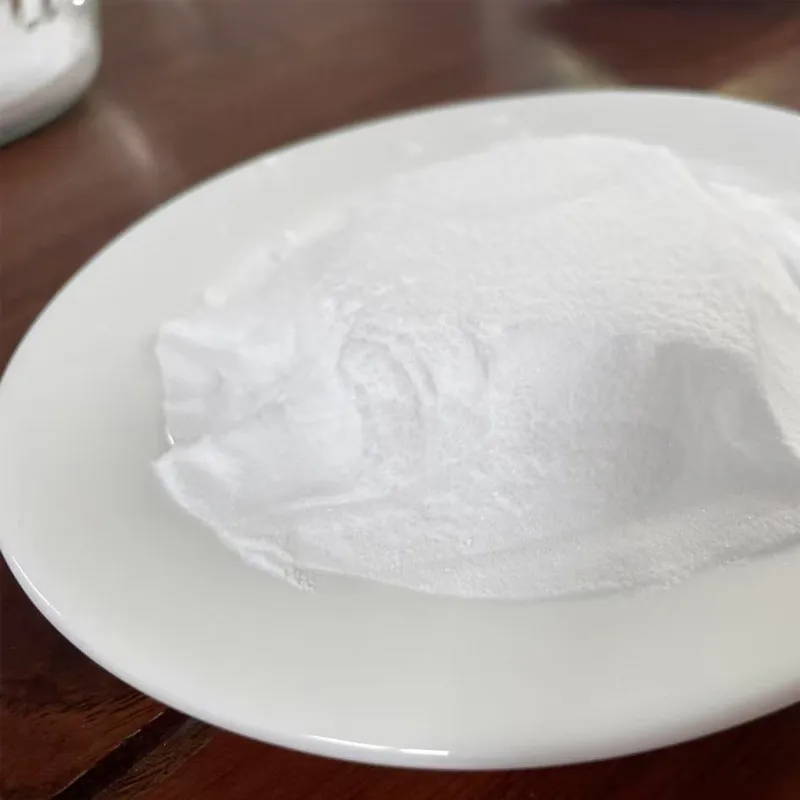
Figure 2: Quality control analysis of Calcium Format.
Typical Product Specifications:
| Parameter | Specification |
|---|---|
| Chemical Formula | Ca(HCOO)₂ |
| CAS No. | 544-17-2 |
| Purity (as Ca(HCOO)₂) | ≥ 98.0% |
| Calcium Content (as Ca) | ≥ 30.0% |
| Moisture Content | ≤ 0.5% |
| pH (10% aqueous solution) | 6.0 - 7.0 |
| Chloride (as Cl) | ≤ 0.05% |
| Heavy Metals (as Pb) | ≤ 10 ppm |
| Appearance | White Crystalline Powder |
| Particle Size (e.g., passing 80 mesh) | ≥ 95% |
These specifications are crucial for architects, engineers, and formulators to ensure compatibility and performance in their applications. For instance, low chloride content is essential in reinforced concrete to prevent rebar corrosion, extending the service life of structures. Similarly, precise particle size distribution influences dissolution rates and mixing efficiency in dry-mix mortars and concrete. All batches are tested in accordance with relevant ISO standards and internal quality protocols.
Key Application Scenarios of Calcium Format
The versatility of Calcium Format allows it to serve as a critical additive across a multitude of industries, enhancing performance and operational efficiency. Its unique chemical properties make it indispensable in applications where rapid setting, improved strength, and material stability are paramount.
- Construction Industry (Cement & Concrete Admixture): This is the primary application. Calcium Format acts as an effective early strength accelerator, significantly reducing the setting time of cement and concrete, especially at lower temperatures. This is vital for cold-weather concreting, prefabrication, and projects requiring rapid formwork removal. It improves compressive strength development, adhesion, and workability without introducing harmful chlorides.
- Dry Mix Mortars: In tile adhesives, renders, screeds, and repair mortars, Calcium Format enhances bond strength, plasticity, and open time while accelerating hardening. It contributes to improved consistency and reduced shrinkage, crucial for durable and aesthetically pleasing finishes.
- Oil & Gas Drilling: As a component in drilling fluids, it serves as a non-corrosive shale inhibitor, enhancing borehole stability and preventing clay swelling. It's preferred over chloride-based alternatives for its environmental profile and minimal impact on steel components.
- Animal Feed Additive: In animal nutrition, Calcium Format acts as an acidifier, promoting gut health and improving nutrient absorption in livestock, particularly swine and poultry. Its non-toxic nature makes it a safe and effective alternative to other acidic compounds.
- Leather Tanning: Used as a masking agent in chrome tanning, it helps to achieve a more uniform and efficient penetration of chrome into the leather, resulting in a higher quality finished product.
The adaptability of Calcium Format to such diverse and demanding applications underscores its value as a multi-functional chemical additive, driving efficiency and performance across various industrial sectors.
Technical Advantages of Utilizing Calcium Format
The incorporation of Calcium Format into various industrial processes yields a range of significant technical advantages, contributing to enhanced product performance, increased operational efficiency, and improved sustainability.
Figure 3: Enhanced concrete performance with Calcium Format.
- Accelerated Early Strength Development: In concrete and mortar applications, Calcium Format significantly accelerates the hydration of tricalcium silicate (C₃S), leading to faster setting times and rapid early strength gain. This is particularly beneficial for cold-weather construction, enabling faster demolding and turnaround. This advantage directly translates to cost savings through reduced waiting times and improved project timelines.
- Non-Corrosive Nature: Unlike chloride-based accelerators, Calcium Format is a non-corrosive admixture. This is a critical advantage for reinforced concrete structures, as it eliminates the risk of steel rebar corrosion, thereby extending the structural integrity and service life of buildings and infrastructure.
- Improved Workability and Density: It can enhance the plasticity and workability of fresh concrete, facilitating easier placement and compaction, which in turn leads to denser, more homogeneous concrete with fewer voids. This contributes to increased durability and resistance to environmental degradation.
- Enhanced Adhesion and Cohesion: In dry-mix mortars and tile adhesives, Calcium Format improves the adhesive properties and cohesion of the mix, resulting in stronger bonds and reduced sagging, which is crucial for vertical applications.
- Eco-Friendly Profile: As a non-toxic, non-hazardous, and biodegradable compound, Calcium Format presents an environmentally sound choice, aligning with modern sustainability initiatives and regulatory requirements in various industries.
- Reduced Shrinkage: In certain applications, its inclusion can contribute to a reduction in drying shrinkage, which helps mitigate cracking and improves the long-term performance and aesthetics of cementitious materials.
These advantages position Calcium Format as a superior choice for professionals seeking to optimize material performance and achieve robust, long-lasting results in their applications.
Vendor Comparison: Selecting the Right Calcium Format Supplier
Choosing a reliable supplier for Calcium Format is as crucial as understanding the product itself. The consistency of supply, quality assurance, technical support, and ethical practices of a vendor directly impact your project's success and operational continuity. Here's a comparison framework to aid in vendor selection:
Key Vendor Evaluation Criteria:
| Criterion | Premium Supplier (e.g., Yaguan HPMC) | Standard Supplier |
|---|---|---|
| Product Purity & Consistency | Guaranteed ≥ 98.0% purity; rigorous batch-to-batch consistency via ISO 9001. | Often 95-97%; variable consistency, less stringent QC. |
| Technical Support & R&D | Dedicated technical team, formulation guidance, custom solution development, active R&D. | Basic product data sheets, limited application support. |
| Certifications & Compliance | ISO 9001, REACH compliant, specific industry certifications (e.g., for food/feed grade). | May only have basic internal QC or limited certifications. |
| Supply Chain & Logistics | Robust global supply chain, efficient logistics, reliable lead times, secure packaging. | Potentially inconsistent delivery, limited geographic reach, basic packaging. |
| Pricing Model | Transparent, value-driven pricing reflecting quality and service, long-term contracts. | Often lowest upfront price, but potential hidden costs from quality issues or delays. |
| After-Sales Support & Warranty | Comprehensive warranty, responsive issue resolution, long-term customer relationships. | Limited or no formal warranty, reactive support. |
A premium supplier not only provides a superior product like Calcium Format but also acts as a strategic partner, offering expertise and reliability that safeguard your operations and reputation. Prioritizing long-term value over short-term cost savings is paramount in B2B chemical procurement.
Customized Solutions for Calcium Format Applications
Recognizing that every industrial application has unique requirements, leading suppliers offer customized Calcium Format solutions tailored to specific performance criteria. This approach moves beyond standard off-the-shelf products, providing formulations that precisely match the nuances of client operations.
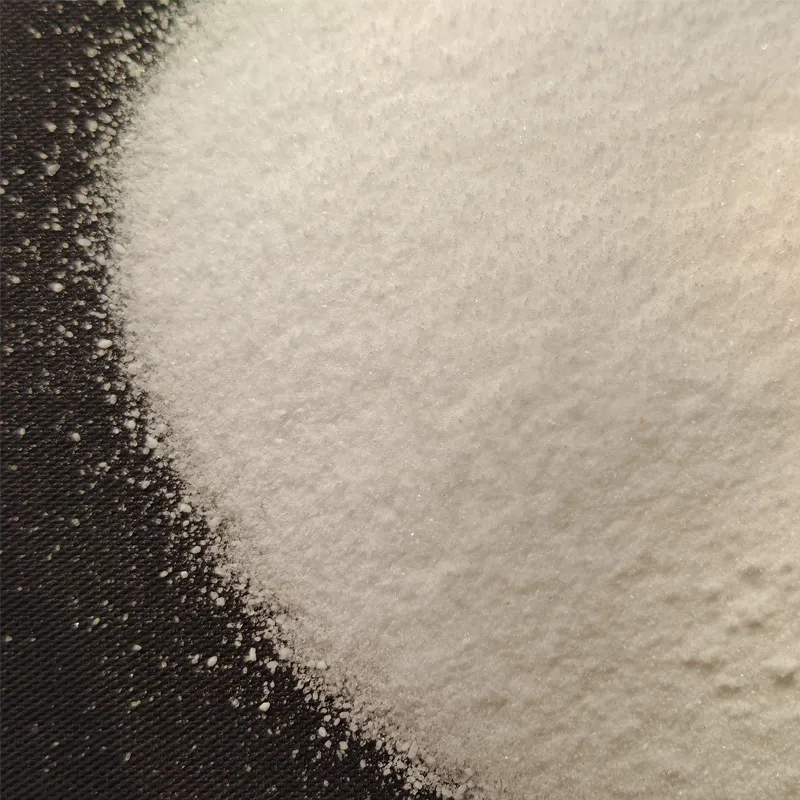
Figure 4: Tailored chemical solutions development.
- Particle Size Optimization: For specific applications like dry-mix mortars or precision chemical reactions, particle size distribution is critical. We can provide Calcium Format with customized fineness, ranging from coarse granules to ultra-fine powders, to ensure optimal dissolution rates, mixing properties, and final product homogeneity.
- Purity and Additive Blends: While our standard purity is high, certain sensitive applications (e.g., pharmaceutical or specific feed grades) may demand even higher specifications for trace elements. We can also develop pre-blended formulations where Calcium Format is combined with other admixtures (e.g., superplasticizers, air-entraining agents) to create a multi-functional solution, simplifying dosing and improving performance synergy.
- Specific Packaging & Delivery: Beyond standard bags, we can offer customized packaging solutions, including bulk bags (FIBCs), specialized container111s, or specific weight increments to integrate seamlessly with client production lines and logistical requirements.
- Application-Specific Testing: For unique use cases, we can conduct specialized testing to validate the performance of Calcium Format under simulated client conditions, ensuring guaranteed results before large-scale implementation.
Our technical experts collaborate closely with clients to understand their precise needs, providing R&D support and lab-scale trials to formulate and validate bespoke Calcium Format products that deliver maximum value and efficiency.
Application Case Studies: Real-World Impact of Calcium Format
The proven efficacy of Calcium Format is best illustrated through its successful implementation in challenging real-world scenarios. These case studies highlight its tangible benefits across diverse industries.
Case Study 1: Cold-Weather Concrete Pour in Northern Europe
A major infrastructure project in Northern Europe faced significant delays due to persistent sub-zero temperatures affecting concrete setting times. Traditional chloride-based accelerators were ruled out due to concerns about rebar corrosion and environmental regulations. Our client, a leading construction firm, adopted Calcium Format at a dosage rate of 2% by cement weight.
- Challenge: Achieving minimum early strength (20 MPa) within 24 hours at 0°C.
- Solution: Implementation of Calcium Format as a non-chloride accelerator.
- Results: Concrete achieved 28 MPa within 24 hours, exceeding the target. Formwork removal time was reduced by 30%, significantly accelerating project timelines and saving an estimated 15% in labor and equipment costs for the cold-weather phase.
Case Study 2: High-Performance Tile Adhesive for Commercial Fit-out
A manufacturer of premium dry-mix tile adhesives sought to improve their product's setting speed and adhesion properties for large-format porcelain tiles. They were experiencing issues with slump and prolonged open times, which affected installer efficiency.
- Challenge: Develop a rapid-setting, high-bond-strength tile adhesive suitable for large tiles, reducing open time without compromising workability.
- Solution: Customized blend containing optimized Calcium Format (1.5% by weight of cement) alongside other proprietary additives.
- Results: The new formulation reduced initial setting time by 40% and improved adhesive shear strength by 25% after 24 hours. The enhanced performance led to a 20% increase in market share for their premium adhesive line due to improved contractor satisfaction and project turnaround.
Case Study 3: Shale Stabilization in Oil & Gas Drilling
An offshore drilling operation faced challenges with wellbore instability caused by reactive shales, leading to costly non-productive time. They required an environmentally friendly drilling fluid additive to mitigate shale hydration.
- Challenge: Prevent shale swelling and maintain wellbore integrity without using chloride-based or environmentally hazardous chemicals.
- Solution: Integration of high-purity Calcium Format into the drilling fluid formulation as a shale inhibitor and osmotic pressure reducer.
- Results: Significant reduction in clay swelling and improved wellbore stability, leading to a 10% decrease in overall drilling time and a substantial reduction in waste disposal costs due to the environmentally benign nature of the fluid.
Certifications, Quality Assurance, and Trustworthiness
At Yaguan HPMC, our commitment to quality and customer trust is paramount. We ensure that every batch of Calcium Format meets or exceeds international standards through rigorous testing and adherence to certified management systems. Our long-standing presence in the industry, coupled with strategic partnerships, underlines our authoritativeness as a trusted supplier.
Certifications and Standards:
- ISO 9001:2015 Certified: Our entire manufacturing and quality management system is certified under ISO 9001, ensuring consistent product quality and continuous improvement.
- REACH Compliant: Our Calcium Format products comply with the European Union's REACH (Registration, Evaluation, Authorisation and Restriction of Chemicals) regulation, demonstrating our commitment to safe chemical management.
- Comprehensive Internal QC: Each production batch undergoes extensive analysis in our state-of-the-art laboratories for purity, moisture content, particle size, and other critical parameters using methods aligned with ASTM and EN standards.
FAQ Module:
A: The optimal dosage typically ranges from 1.0% to 3.0% by weight of cement, depending on the desired acceleration, ambient temperature, and specific concrete mix design. We recommend conducting preliminary trials to determine the precise dosage for your application.
A: Yes, it is generally compatible with most common concrete admixtures, including superplasticizers, air-entraining agents, and retarders. However, it's always advisable to perform compatibility tests with the specific admixture combination to ensure no adverse reactions occur.
A: It should be stored in its original, unopened packaging in a cool, dry place, away from direct sunlight and moisture. When properly stored, it has a shelf life of at least 12-24 months.
Lead Time & Fulfillment:
We maintain a robust inventory and efficient logistics network to ensure prompt order fulfillment. Standard lead times for bulk orders typically range from 7-14 business days, depending on destination and order volume. Expedited shipping options are available upon request for urgent requirements. Our dedicated logistics team works to minimize transit times and ensure secure delivery.
Warranty Commitments:
Yaguan HPMC guarantees that our Calcium Format products will meet the published technical specifications at the time of delivery. Any product found to be non-conforming will be replaced or refunded, subject to our standard terms and conditions. Our commitment extends to providing high-quality materials that perform as expected, backed by comprehensive product liability insurance.
Customer Support:
Our expert technical support team is available to assist with product selection, application guidance, troubleshooting, and customized solution development. We offer multi-channel support via phone, email, and online consultation to ensure timely and effective assistance for our global clientele. Reach out to us for any queries or technical assistance related to Calcium Format.
Conclusion
Calcium Format stands as a versatile and indispensable chemical additive, offering significant advantages across diverse industrial sectors, particularly in construction, oil and gas, and animal nutrition. Its ability to accelerate early strength development, inhibit corrosion, and enhance material properties without compromising environmental integrity makes it a preferred choice for professionals seeking reliable and sustainable solutions. By partnering with a reputable supplier that emphasizes rigorous quality control, technical expertise, and customer-centric service, businesses can fully leverage the transformative potential of high-quality Calcium Format to achieve superior performance and operational excellence.
References
- Mindess, S., Young, J. F., & Darwin, D. (2003). Concrete. Prentice Hall.
- Hewlett, P. C. (2004). Lea's Chemistry of Cement and Concrete. Butterworth-Heinemann.
- Taylor, H. F. W. (1997). Cement Chemistry. Thomas Telford Publishing.
- Kosmatka, S. H., Kerkhoff, B., & Panarese, W. C. (2002). Design and Control of Concrete Mixtures. Portland Cement Association.











