
Industry Trends and Market Dynamics for Calcium Format
The global market for Calcium Format is experiencing robust growth, driven by increasing demand across diverse industrial sectors, particularly in construction, animal feed, and specialized chemicals. As a versatile organic salt derived from formic acid, Calcium Format offers unique properties that make it indispensable for enhancing product performance and operational efficiency. In the construction industry, its role as an early strength admixture for cement and concrete formulations is paramount. It significantly accelerates hydration rates, allowing for faster demolding times and improved productivity in precast concrete operations, tunneling, and cold-weather concreting. This demand is further amplified by global infrastructure development projects and the imperative for sustainable and efficient building practices. Concurrently, the animal feed sector recognizes Calcium Format as an effective growth promoter and a safe alternative to antibiotic growth promoters, contributing to improved feed conversion ratios and overall animal health. Its antibacterial properties help maintain gut health, reducing the incidence of digestive issues in livestock and poultry. Beyond these primary applications, Calcium Format also finds niche uses in the leather tanning industry as a masking agent, in drilling fluids for oil and gas exploration, and as an environmentally friendly de-icing agent. The continuous innovation in material science and the push for greener chemical solutions are expected to further broaden its application scope, solidifying its position as a critical chemical additive in the modern industrial landscape. This sustained demand underscores the material's inherent value and its capacity to address specific performance challenges in various B2B contexts, making it a pivotal component for businesses aiming for enhanced operational efficiency and product quality.
Technical Parameters and Specifications of Calcium Format
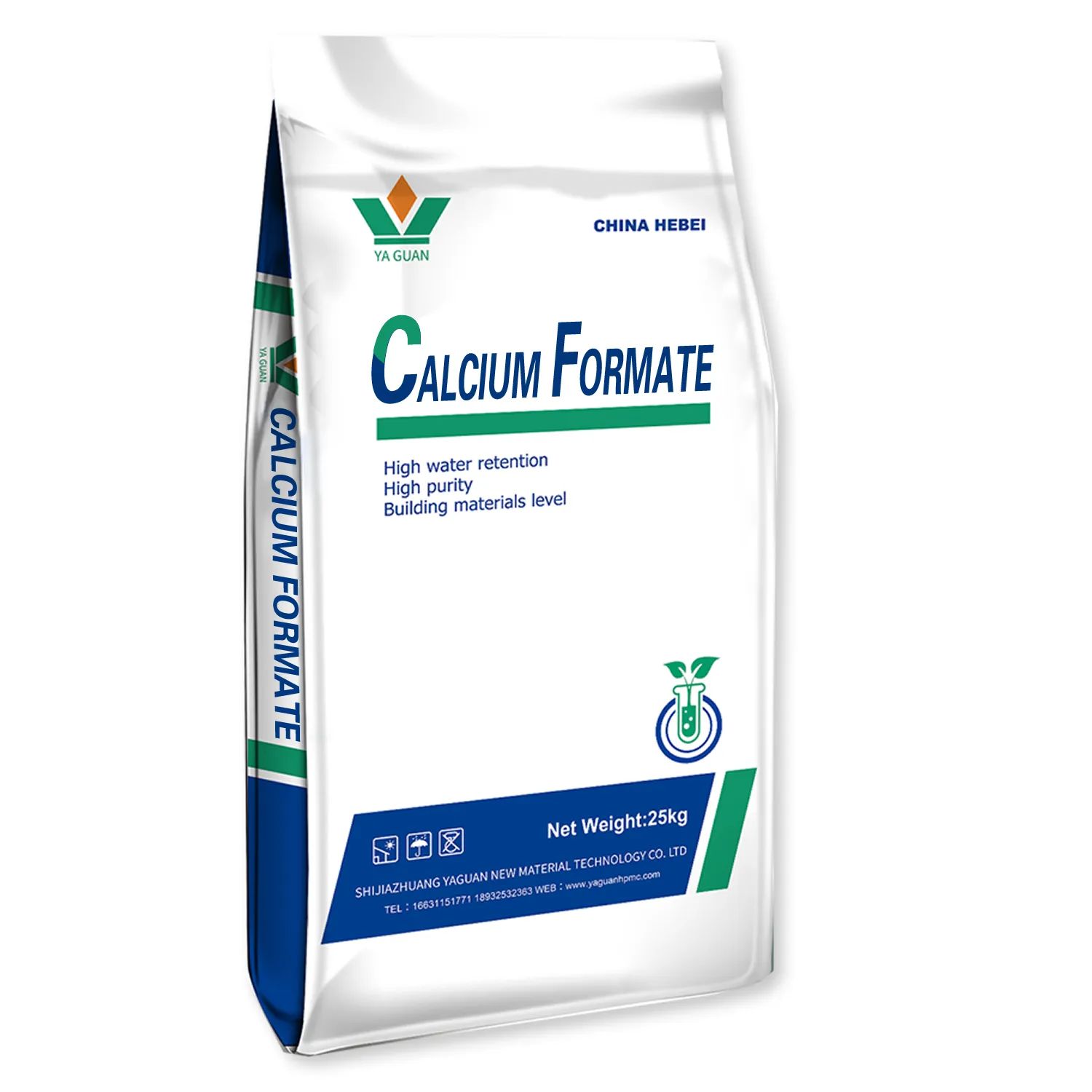
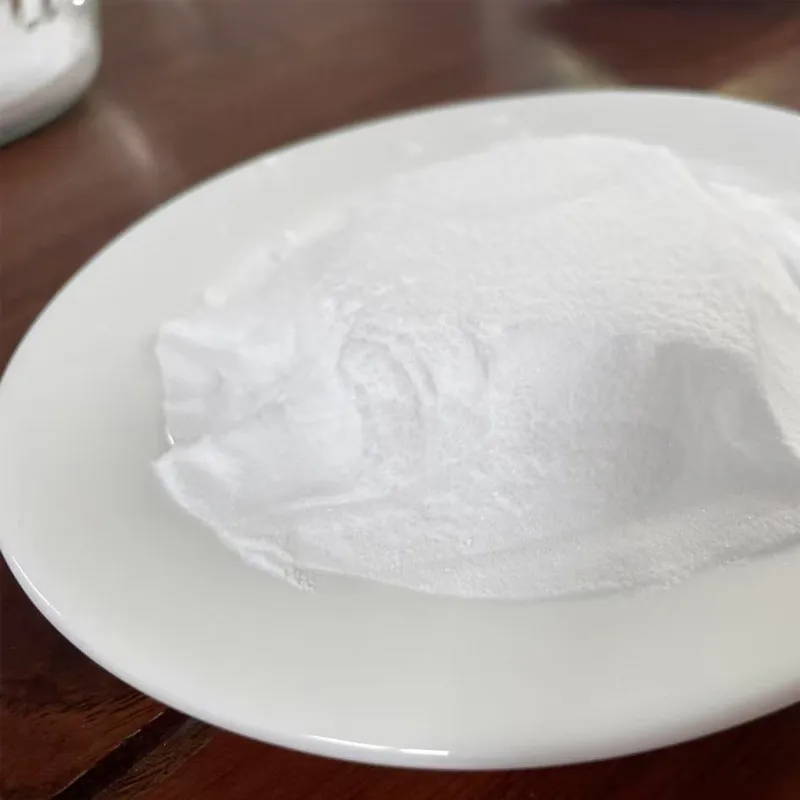
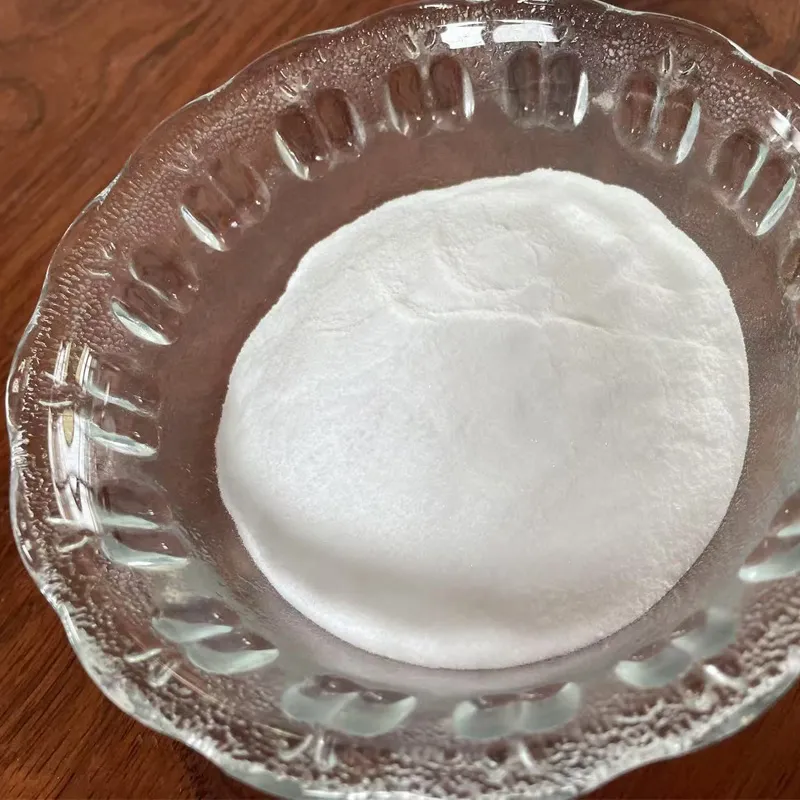
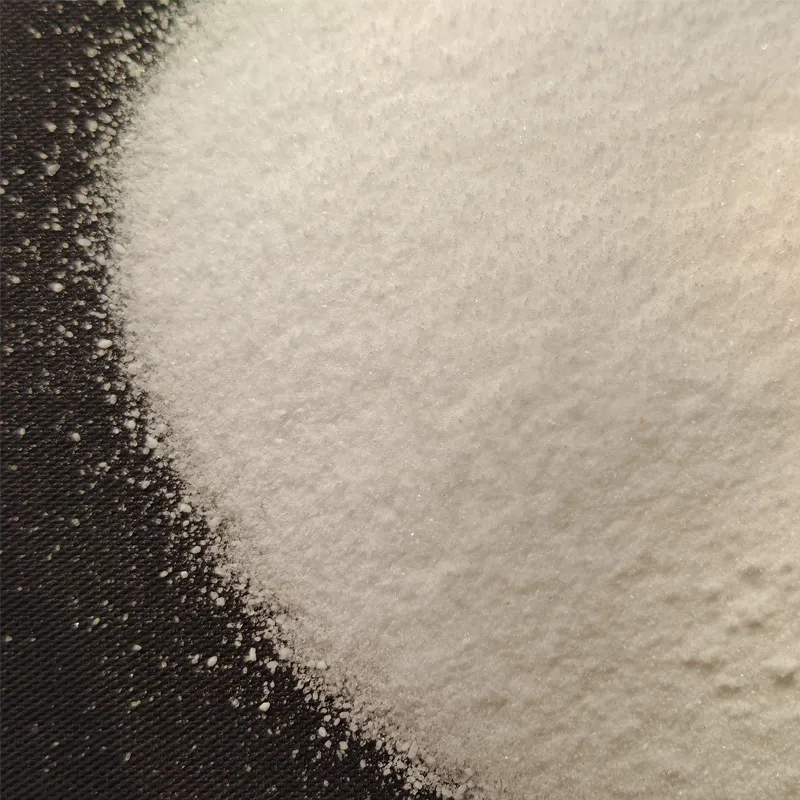
Understanding the precise technical parameters of Calcium Format is crucial for its effective application and ensures optimal performance across its diverse uses. Chemically, Calcium Format (Ca(HCOO)2) is the calcium salt of formic acid. It typically appears as a white crystalline powder, highly soluble in water, and possesses excellent flowability, which simplifies handling and integration into various formulations. Its molecular weight is approximately 130.11 g/mol, and its melting point is around 300°C (decomposes). A key characteristic is its non-toxic, non-corrosive nature, making it a safer alternative to other chemical additives in sensitive applications like animal feed. The quality of Calcium Format is primarily defined by its purity, typically ranging from 98% to 99.5%, with minimal moisture content to prevent caking and ensure stability. The pH value of a 10% aqueous solution usually falls between 6.0 and 7.0, indicating its near-neutral nature, which is beneficial for maintaining the chemical balance in various end products. Bulk density, another critical parameter, can vary based on particle size distribution, impacting storage and mixing efficiency. Suppliers often provide different grades, such as technical grade for construction and industrial applications, and feed grade which adheres to stricter purity and heavy metal content regulations as per international standards like FDA or specific national feed regulations. These specifications are meticulously measured through standardized analytical methods, including titration for purity, Karl Fischer titration for moisture content, and atomic absorption spectroscopy for heavy metals. Adherence to these strict parameters ensures the consistent performance of Calcium Format as an early strength agent, a feed additive, or in other specialized applications, providing reliability for industrial clients.
| Parameter | Specification | Testing Method/Standard |
|---|---|---|
| Purity (Ca(HCOO)2) | ≥ 98.0% (min) - 99.5% (typically) | Titration Method |
| Moisture Content | ≤ 0.5% | Karl Fischer Titration |
| pH (10% aqueous solution) | 6.0 - 7.0 | pH Meter |
| Appearance | White Crystalline Powder | Visual Inspection |
| Calcium Content (Ca) | ~30.5% | ICP-OES / AAS |
| Particle Size (mesh) | Typically 80-120 mesh (customizable) | Sieve Analysis |
| Heavy Metals (as Pb) | ≤ 10 ppm (for feed grade) | ICP-OES / AAS |

Detailed Manufacturing Process of Calcium Format
The production of high-quality Calcium Format involves a sophisticated manufacturing process that ensures consistent purity and desired physical characteristics. Typically, the primary raw materials are calcium carbonate (CaCO3) and formic acid (HCOOH). The process often begins with the reaction of calcium carbonate, commonly in the form of limestone or marble, with an aqueous solution of formic acid. This acid-base neutralization reaction produces Calcium Format and water, along with carbon dioxide as a byproduct. The reaction mixture is carefully controlled for temperature and pH to optimize yield and prevent the formation of impurities. Following the reaction, the solution undergoes several purification steps, including filtration to remove any insoluble residues and crystallization to separate the Calcium Format from the solution. The crystallization process is critical for achieving the desired particle size and crystal morphology, which directly impacts the product's flowability, solubility, and ultimately, its performance in end applications. After crystallization, the Calcium Format crystals are subjected to rigorous washing to remove residual impurities, followed by drying in a controlled environment to achieve the target moisture content. This drying phase is crucial to prevent caking and ensure long-term stability of the product. The final steps involve milling and sieving to attain the required particle size distribution, which can be customized to client specifications, such as fine powder for specific concrete admixtures or coarser granules for certain feed applications. Throughout the entire manufacturing chain, stringent quality control measures are implemented, adhering to international standards such as ISO 9001 for quality management systems. Each batch undergoes comprehensive testing, including chemical analysis for purity and moisture, physical characterization for particle size and bulk density, and in the case of feed-grade Calcium Format, strict screening for heavy metals and microbial contaminants, aligning with FDA and relevant national regulations. This meticulous process ensures the production of a reliable and high-performance Calcium Format that meets the exacting demands of B2B customers across various industries.
Key Application Scenarios and Technical Advantages of Calcium Format
Calcium Format exhibits remarkable versatility, finding critical applications across several key industries, each leveraging its unique technical advantages. In the construction sector, it functions as a highly effective early strength admixture for cement and concrete. By accelerating the hydration of tricalcium silicate, a primary component of cement, Calcium Format significantly shortens the setting time and increases the early compressive strength of concrete. This translates directly into operational efficiencies such as faster formwork removal, reduced curing times, and improved overall project timelines, leading to substantial energy savings due to quicker turnarounds and potentially less need for extended heating in cold weather conditions. Furthermore, its non-corrosive nature ensures the longevity of steel reinforcements within concrete structures, offering an advantage over chloride-based accelerators. In the animal feed industry, Calcium Format serves as a vital acidifier and a non-antibiotic growth promoter. Its ability to lower the pH in the gastrointestinal tract of monogastric animals like pigs and poultry enhances protein digestion and nutrient absorption. This improved digestion contributes to better feed conversion rates, leading to healthier animals and more economical production. Additionally, its antibacterial properties help to suppress the growth of harmful pathogens, promoting gut health and reducing the reliance on conventional antibiotics. The oil and gas industry utilizes Calcium Format in drilling fluids as a shale inhibitor and fluid loss additive. Its high thermal stability and compatibility with other drilling fluid components make it ideal for high-pressure, high-temperature (HPHT) environments, helping to stabilize wellbores and optimize drilling performance. Beyond these major applications, Calcium Format also plays a role in the leather tanning process as a masking agent for chrome tanning, ensuring a more uniform and effective tanning process while reducing the environmental impact by minimizing chrome waste. Its properties of being non-toxic, readily biodegradable, and environmentally benign further underscore its technical advantages, offering a sustainable and high-performance solution for various industrial challenges.
Manufacturer Comparison and Tailored Calcium Format Solutions
When sourcing Calcium Format, B2B decision-makers face the critical task of evaluating manufacturers based on a confluence of factors beyond just price. Key considerations include product purity and consistency, production capacity, adherence to international quality standards, technical support, and the ability to offer customized solutions. Leading manufacturers differentiate themselves by demonstrating robust quality control processes, often backed by ISO 9001, ISO 14001, and sometimes even specific certifications like FAMI-QS for feed additives, ensuring that their Calcium Format meets stringent industry and regulatory requirements. A reputable supplier should be able to provide comprehensive Certificates of Analysis (CoA) for each batch, detailing purity, moisture content, heavy metal levels, and particle size distribution. Beyond standard specifications, the capacity for offering tailored Calcium Format solutions is a significant value proposition. Clients often require specific particle sizes to optimize their formulation processes, such as a finer powder for dry mix concrete applications or a coarser granule for dust-free animal feed blending. Customized packaging options, ranging from bulk bags to smaller sacks, and specialized formulations for specific performance enhancements, further demonstrate a manufacturer's commitment to client needs. An experienced manufacturer will also possess a deep understanding of application-specific requirements, leveraging years of industry experience to guide clients on optimal dosage and integration methods, ensuring maximum efficacy and return on investment. This includes providing expert technical consultation, troubleshooting support, and conducting pilot tests to validate customized solutions. The ability to guarantee a stable supply chain, manage logistics efficiently for global delivery, and uphold consistent quality over long-term partnerships underscores the reliability and authoritativeness of a top-tier Calcium Format producer, positioning them as a strategic partner rather than just a supplier in the competitive B2B landscape.
Application Cases and Commitment to Trustworthiness for Calcium Format Supply
The proven efficacy of Calcium Format is best illustrated through real-world application cases, underscoring its tangible benefits and our commitment to trustworthiness. In a recent project, a major precast concrete manufacturer in a high-demand urban development needed to accelerate production cycles to meet aggressive project deadlines, especially during colder months. By incorporating our high-purity Calcium Format as an early strength admixture, they achieved a 30% reduction in demolding time, significantly increasing their daily output and reducing energy consumption associated with heating curing chambers. This led to substantial cost savings and timely project completion. Another compelling case involved a large-scale poultry farm seeking to reduce antibiotic usage while maintaining optimal growth rates. Integrating feed-grade Calcium Format into their standard feed formulations resulted in a measurable improvement in average daily gain (ADG) by 5-7% and a notable decrease in the incidence of common digestive issues, demonstrating its effectiveness as a safe and natural growth promoter. These successes are built upon a foundation of unwavering trustworthiness, which is paramount in B2B relationships. Our commitment is reflected in transparent delivery schedules, with a typical lead time of 7-14 days for standard orders and clear communication for larger or customized requests. Quality assurance is integrated into every stage, from raw material sourcing to final product inspection, ensuring that every batch of Calcium Format meets or exceeds specified parameters and international standards. We offer comprehensive product warranties, covering purity and performance, demonstrating our confidence in the consistency and reliability of our material. Furthermore, our dedicated customer support team provides responsive technical assistance and after-sales service, ensuring that clients receive timely guidance on product application, storage, and troubleshooting. This holistic approach to product quality, logistical efficiency, and client support cultivates long-term partnerships built on mutual trust and shared success, making us a reliable partner for your Calcium Format needs.
Frequently Asked Questions (FAQ) about Calcium Format and Authoritative References
Frequently Asked Questions (FAQ)
Navigating the intricacies of chemical additives often brings forth specific questions regarding application, storage, and safety. Here are some frequently asked questions about Calcium Format to provide clarity and facilitate its optimal use. What is the recommended storage condition for Calcium Format? Calcium Format should be stored in a cool, dry place, in tightly sealed container111s, away from moisture and direct sunlight. Its shelf life typically extends for two years when stored properly. Is Calcium Format safe for use in animal feed? Yes, feed-grade Calcium Format is recognized as safe and effective by regulatory bodies for use in animal feed, contributing to gut health and growth promotion without antibiotic residues. It is a commonly used feed additive, compliant with relevant food safety standards. How does Calcium Format impact concrete setting time and strength? As an early strength agent, Calcium Format accelerates the hydration of cement, particularly tricalcium silicate, leading to a significantly reduced setting time and a rapid increase in early compressive strength. The dosage will vary depending on the specific concrete mix design, ambient temperature, and desired performance. What are the typical packaging options available for Calcium Format? Calcium Format is commonly supplied in 25kg paper-plastic compound bags, 500kg or 1000kg bulk bags (FIBCs), or as per specific customer requirements, ensuring convenient handling and storage for various scales of operations. Does Calcium Format contribute to corrosion of steel reinforcement in concrete? No, unlike chloride-based accelerators, Calcium Format is non-corrosive to steel reinforcement, making it a preferred choice for durable concrete structures and ensuring the long-term integrity of construction projects. This makes it a superior option for critical infrastructure where corrosion resistance is paramount. Are there any environmental considerations when using Calcium Format? Calcium Format is considered environmentally friendly; it is biodegradable and does not pose significant environmental hazards when handled and disposed of properly according to local regulations. Its use often supports sustainable practices, particularly in construction and agriculture, aligning with growing industry demands for green chemicals.
Authoritative References
- Ramachandran, V. S. (1995). Concrete Admixtures Handbook: Properties, Science, and Technology. Noyes Publications. (Discusses early strength admixtures including Calcium Format in concrete.)
- European Food Safety Authority (EFSA). (2007). Scientific Opinion on the Safety and Efficacy of Formic Acid and its Salts (Calcium Formate, Sodium Formate and Ammonium Formate) for all Animal Species. EFSA Journal, 5(6), 1-27. (Comprehensive assessment of Calcium Format as a feed additive.)
- Hewlett, P. C. (Ed.). (2004). Lea's Chemistry of Cement and Concrete. Butterworth-Heinemann. (Provides in-depth chemical principles and applications of cement additives, relevant to Calcium Format's mechanism.)
- Scholtz, H., & Schattenberg, H. (2000). Organic Formates. Ullmann's Encyclopedia of Industrial Chemistry. (Overview of organic formates production and industrial uses, including Calcium Format.)