
Understanding CAS 9002 89 5: The Unsung Hero of Modern Industry
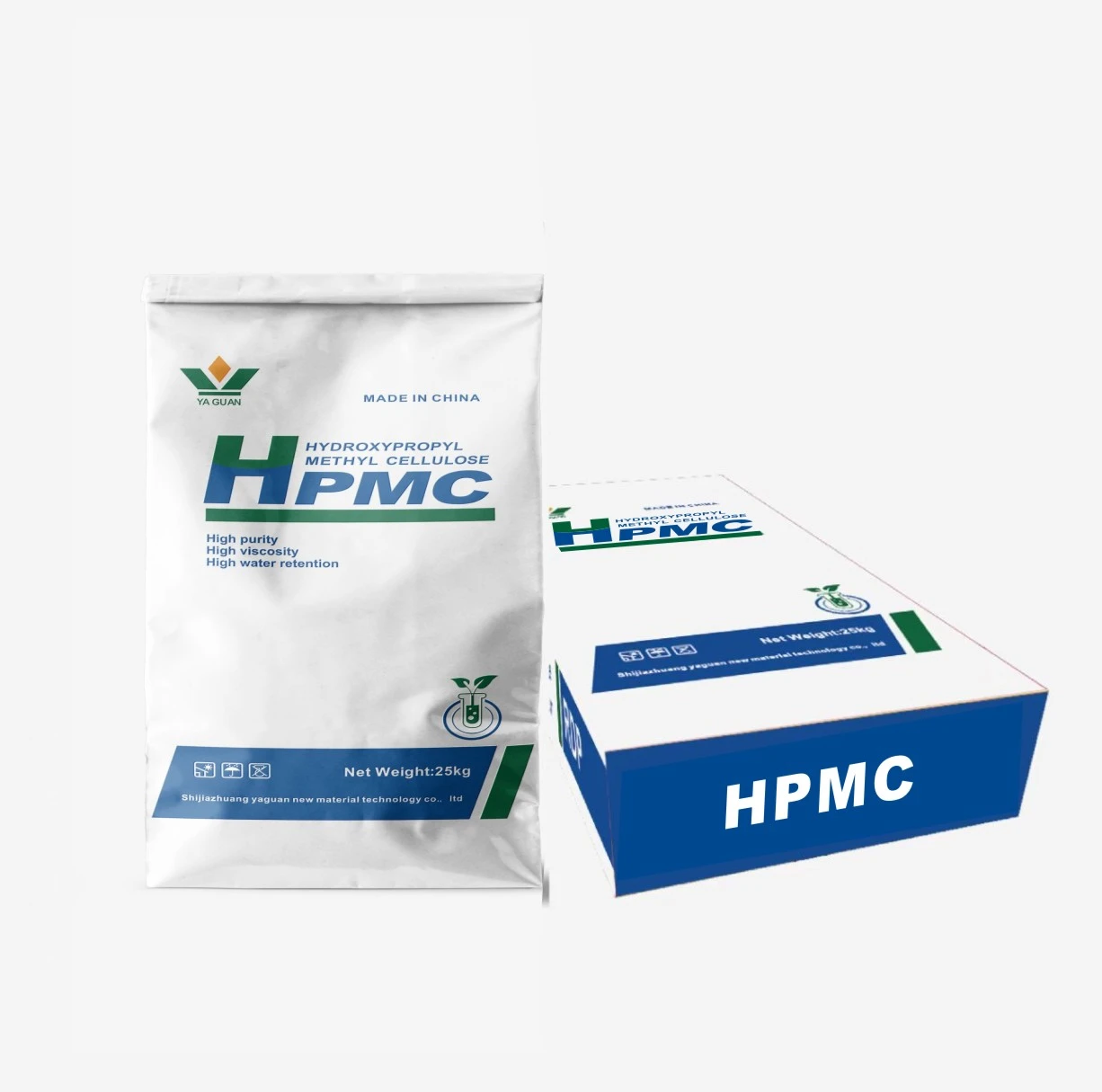
If you’ve ever skimmed chemical catalogs or glanced at product safety sheets, you might’ve come across CAS 9002 89 5. But what is it exactly, and why is it quietly impacting so many industries worldwide? Simply put, CAS 9002 89 5, the Chemical Abstract Service number for Hydroxypropyl Methylcellulose (HPMC), is an incredibly versatile polymer used everywhere from pharmaceuticals to construction. Understanding its properties and applications isn’t just academic; it unlocks practical benefits for industries grappling with durability, sustainability, and efficiency challenges globally.
Why CAS 9002 89 5 Matters on the Global Stage
Globally, industries are under mounting pressure to improve sustainability, cut costs, and innovate faster. According to [ISO](https://www.iso.org), over 50% of global innovations target materials that are more environmentally friendly and adaptable. CAS 9002 89 5 stands out by bridging a crucial gap — a biodegradable, non-toxic additive that enhances everything it’s mixed with, from concrete mixtures in Asia to tablets in Europe. Consider construction, where faster setting times and water retention can make or break a project. Or healthcare, where pharmaceutical suspensions rely on the stabilizing power of this compound.
Yet, the problem is often sourcing consistent quality and understanding how this polymer behaves in different environments. That’s why industries need to pay attention to CAS 9002 89 5 — it’s often the difference between a project's success and costly failure.
Breaking Down CAS 9002 89 5: What Is It?
At its core, CAS 9002 89 5 refers to Hydroxypropyl Methylcellulose, a cellulose derivative chemically modified to improve solubility and functional properties. Imagine it as nature’s fibrous material upgraded for modern demands — made from plant fibers but processed to be water-soluble, stable in varying pH ranges, and film-forming.
Industries prize it for this blend of natural origin and engineered versatility. From thickening agents that improve texture and suspension to binders in building materials, it’s literally everywhere, though subtly working behind the scenes. For humanitarian needs, such as rapid-deployment housing or water purification, the polymer’s non-toxic footprint and ability to adapt have been ticking boxes few alternatives cover.
Key Characteristics of CAS 9002 89 5
- Water Retention: Maintains hydration in cementitious mixes.
- Thickening Agent: Improves viscosity without toxicity.
- Stabilization: Prevents particles from settling in suspensions.
- Film Forming: Creates a flexible protective layer in coatings.
- Biocompatibility: Safe for pharmaceutical and food uses.
Main Components and Practical Benefits
Durability Enhancement
Adding CAS 9002 89 5 to concrete or mortar significantly improves adhesion and elasticity, helping structures withstand cracks and shrinkage during curing. This is huge, because builders worldwide face issues with brittle materials failing prematurely. It’s almost like the polymer acts as the unseen glue or cushion—fascinating how a small amount can make that big a difference!
Scalability and Versatility
One of the practical perks is how easily it scales from lab samples to industrial tonnage, adapting to applications as diverse as paints, adhesives, or pill coatings. A single compound fitting so many needs means fewer supply chain headaches, and frankly, that’s a relief when sourcing globally.
Cost Efficiency
Although it’s not the cheapest polymer out there, its multifunctional benefits save costs downstream. Less cracking means lower repair bills. Better suspension means fewer defective batches. And greater shelf stability means less waste. Over time, companies notice the value, especially if they’re dealing with bulk processing or exports.
Safety and Environmental Impact
Perhaps the most important factor is its environmentally benign nature — non-toxic, biodegradable, and plant-derived. Materials like these are increasingly mandated by global organizations including the UN to reduce environmental footprints of industrial processes.
Global Applications & Who’s Using CAS 9002 89 5?
In Southeast Asia, construction companies incorporate it into plaster and tile adhesives to withstand humid climates. European pharmaceutical giants rely on it for controlled-release capsules and tablet coatings. NGOs engaged in disaster relief fund portable water filtration kits using HPMC to stabilize suspended particles. Meanwhile, industrial zones in Africa use it as a vital additive in paints that resist cracking in extreme temperatures.
It’s interesting how one chemical touches so many sectors globally, from the dusty construction sites in India to climate-controlled pharmaceutical labs in Germany.
Advantages and Long-Term Value of Using CAS 9002 89 5
- Cost Savings: Reduces waste, improves material lifespan.
- Sustainability: Biodegradable and naturally sourced.
- Reliability: Consistent performance across different climates.
- Social Impact: Enhances affordable housing and health products.
- Innovation Potential: Opens doors in bio-based materials research.
Beyond the facts and figures, there’s a human element: safer homes, better medicines, and stronger communities built on substances like CAS 9002 89 5. And that feels worth a pause.
Future Trends: What’s Next for CAS 9002 89 5?
Looking ahead, researchers are marrying HPMC with nanomaterials to create “smart” coatings that react to environmental changes. The rise of green chemistry means more sustainable sourcing methods and biodegradable packaging integrating HPMC. Digital factories optimize polymer blends automatically, cutting errors and raw material waste — it’s not sci-fi, it’s happening as we speak. Sustainability policies globally are pushing for bio-based additives, and CAS 9002 89 5 fits neatly into that agenda.
Challenges and How Industry Tackles Them
Of course, there are hurdles. Variations in raw material quality challenge uniformity. Moisture sensitivity can complicate storage. And cost fluctuations affect budgeting. However, many vendors now offer customized grades and robust quality controls. Tech advances in drying, packaging, and real-time testing also help keep things consistent. Some engineers suggest blending polymers to offset limitations—kind of like mixing your coffee just right rather than settling for plain black.
CAS 9002 89 5 Specification Table
| Property | Value / Range | Unit | Notes |
|---|---|---|---|
| Molecular Weight | 86,000 - 126,000 | g/mol | Grade-dependent |
| Methoxyl Content | 19% - 24% | % | Affects solubility |
| Hydroxypropoxyl Content | 4% - 12% | % | Improves viscosity |
| Appearance | White powder | – | Typical |
| Solubility | Cold water soluble | – | Essential for many uses |
Vendor Comparison: CAS 9002 89 5 Suppliers
| Supplier | Quality Control | Price Range (USD/kg) | Global Reach | Customization Options |
|---|---|---|---|---|
| Yaguan HPMC Co. | ISO 9001 Certified | 1.50 - 3.00 | Asia, Europe, North America | Wide variety of grades and blends |
| Global Cellulose Inc. | Batch Testing + Traceability | 1.30 - 2.70 | Europe, North America | Standard grades with limited blends |
| EcoPolymer Solutions | Certified Green Manufacturing | 2.00 - 3.50 | Worldwide | Premium sustainable product lines |
FAQs About CAS 9002 89 5
What industries benefit most from CAS 9002 89 5?
Many industries use it, but the construction, pharmaceutical, and paint/coatings sectors are the heaviest users. Its multifunctional nature makes it attractive for developing new materials requiring viscosity control, film formation, or improved mechanical properties.
Is CAS 9002 89 5 safe for food and pharma?
Yes. It’s generally recognized as safe (GRAS), used as a food additive, and approved for pharmaceutical use as a binder and coating agent. Its plant-based origin and biodegradability increase its safety profile.
How does moisture affect the storage of CAS 9002 89 5?
Because it’s hygroscopic, it can absorb moisture and clump if stored improperly. Vendors recommend sealed packaging and dry climate storage to maintain powder flow and quality.
Can I customize CAS 9002 89 5 for specific applications?
Yes, many producers offer tailored methoxyl and hydroxypropoxyl substitution grades to fine-tune solubility, viscosity, and setting times for client needs.
How quickly can CAS 9002 89 5 be shipped internationally?
Depending on the vendor, stock availability, and destination, international shipping can take anywhere from a few days (air freight) to several weeks (sea freight). cas 9002 89 5 suppliers often provide logistics support for smooth imports.
Wrapping It Up
CAS 9002 89 5 is a quietly powerful material, deeply woven into modern solutions for industry and society alike. From strengthening our homes to ensuring reliable medicines, its impact is wide and growing. If you’re exploring polymers to advance your projects, keeping an eye on Hydroxypropyl Methylcellulose and trusted vendors like cas 9002 89 5 providers makes smart sense.
Interested? Visit https://www.yaguanhpmc.com to explore quality grades, technical guidance, and sourcing options today.
Quick Takeaways
- CAS 9002 89 5 is a versatile cellulose derivative with wide industry uses.
- Its blend of durability, safety, and eco-friendly traits will shape future materials.
- Choosing the right grade and supplier is key for consistent quality and performance.