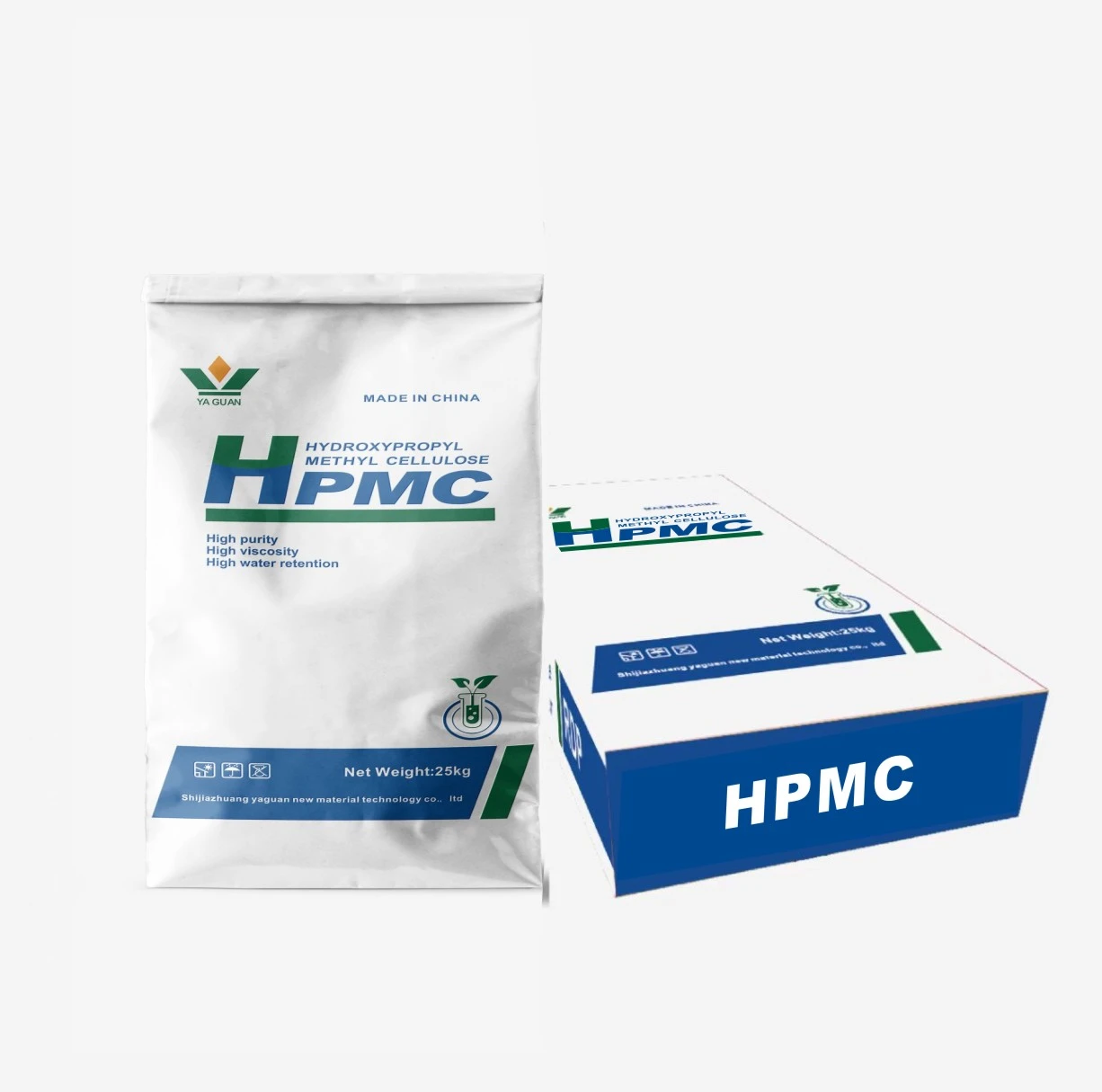

What Is CAS 9004-65-3 and Why It Matters Globally
CAS 9004-65-3 refers to a chemical identifier assigned to hydroxypropyl methylcellulose (HPMC), a versatile polymer widely used across industries — from construction and pharmaceuticals to food production and cosmetics. Understanding CAS 9004-65-3 opens doors to grasping modern material science applications that support everything from sustainable building to novel drug delivery systems. Globally, HPMC’s use reflects growing demand for eco-friendly, biodegradable polymers that deliver durability without compromising health or environment.
Why care about this polymer? Well, its adaptability solves challenges like improving building insulation, stabilizing pharmaceuticals, or creating vegetarian capsules. With sustainability on everyone’s minds, materials like the one identified by CAS 9004-65-3 embody the shift toward greener, safer industrial solutions. As industries push for innovation, a clearer understanding of HPMC’s role—and its global impact—becomes essential.
Global Context: Where CAS 9004-65-3 Fits In Today
According to ISO standards and UN environmental reports, demand for bio-based polymers is expected to surge by over 12% annually through 2030. Hydroxypropyl methylcellulose (CAS 9004-65-3) sits at the center of this wave. Countries invested in sustainable manufacturing, like Germany and Japan, lead in adopting this polymer for eco-sensitive applications.
The challenge? Synthetic polymers dominate many sectors due to cost and familiarity, even though their environmental footprint is substantial. CAS 9004-65-3 helps reduce this dependence by offering a biodegradable and non-toxic alternative that meets stringent regulatory standards worldwide.
Defining CAS 9004-65-3: Breaking It Down
Simply put, CAS 9004-65-3 is a unique numerical identifier for hydroxypropyl methylcellulose (HPMC) registered with the Chemical Abstracts Service. HPMC itself is a chemically modified cellulose, derived mostly from wood pulp or cotton. It’s known for water solubility, film-forming abilities, and thermal stability.
These properties underpin many modern uses: from thickening agents in food to binders in tablets and thick layers in plaster. In humanitarian efforts, this means creating coatings or films that protect without toxic residues, which is invaluable when safety and sustainability are priorities.
Key Features of CAS 9004-65-3 That Drive Innovation
1. Durability & Stability
HPMC forms stable gels at relatively low temperatures and maintains integrity under fluctuating environmental conditions. This durability makes it a go-to polymer in construction materials like tile adhesives or plaster.
2. Water Retention & Thickening
The polymer’s remarkable ability to hold water helps regulate moisture in products, essential in cement mixtures or cosmetic creams. I’ve noticed manufacturers often highlight this trait when tweaking product textures.
3. Biodegradability & Eco-Friendliness
Being cellulose-based, CAS 9004-65-3 degrades naturally without harmful residues. Given global pushbacks on plastic pollution, this is a big plus for eco-conscious brands and regulators.
4. Compatibility & Versatility
Its chemistry allows it to mix well with various substances — from inorganic powders to organic compounds — expanding its potential applications immensely.
5. Regulatory Safety
Approved by many health authorities, including the US FDA and EU standards, for food and pharmaceutical applications, highlighting its safety and low toxicity profile.
Mini Takeaway: CAS 9004-65-3’s strength is its blend of durability with sustainability—qualities industries crave as they modernize their materials portfolio.
Real-World Applications of CAS 9004-65-3
This polymer finds itself quietly woven into numerous sectors worldwide:
- Construction Industry: Used extensively in cementitious products, plaster, and tile adhesives to improve workability and water retention.
- Pharmaceuticals: Serves as a binder and controlled-release agent in tablets and capsules.
- Food Sector: Acts as a thickener and stabilizer in baked goods, sauces, and dairy products.
- Cosmetics: Employed for its film-forming and moisture retention in creams and lotions.
- Disaster Relief: NGOs utilize materials containing HPMC for rapid construction of durable shelters and hygienic coatings.
Oddly enough, you’re probably interacting with this polymer more often than you realize — from the bread you eat to the plaster you see on buildings. In remote industrial zones, HPMC-enhanced products improve structural integrity where conventional additives fail.
CAS 9004-65-3 Product Specification Table
| Property | Typical Value | Unit | Notes |
|---|---|---|---|
| Appearance | White to off-white Powder | - | Free-flowing |
| Viscosity | 4000-10000 | mPa·s (2% solution) | Determines thickening power |
| Methoxy Content | 19–24 | % | Impacts solubility |
| Hydroxypropyl Content | 4–12 | % | Affects water retention |
| pH (2% solution) | 5.0–8.0 | - | Neutral to slightly alkaline |
Advantages & Long-Term Value of CAS 9004-65-3
It’s easy to get lost in the technical specs, but the real value of CAS 9004-65-3 shines through in its benefits:
- Cost Efficiency: Despite its advanced profile, HPMC keeps costs manageable, especially when factoring in longevity and reduced environmental impact.
- Sustainability: Being bio-based, it supports circular economy goals and helps brands meet strict international regulations.
- Social Impact: Used in affordable construction materials, it enables better shelter for vulnerable populations.
- Reliability: Endurance in extreme climates means fewer maintenance headaches — crucial in industrial zones.
When you think about safety or innovation in a material, this polymer feels like the quiet hero — reliable, flexible, trusted in countless products and scenarios.
Future Trends in CAS 9004-65-3 and HPMC Applications
The future looks bright and green. Researchers are merging CAS 9004-65-3 with nano-materials to create super-strong, ultra-light composites for aerospace and automotive industries. Digital manufacturing processes now integrate HPMC as bio-inks in 3D printing — frankly, a game-changer for custom prosthetics and packaging.
Regulations encouraging reduced carbon footprints will likely push more companies to swap petroleum-based polymers for this alternative. Also, expect innovations targeting improved mechanical strength and faster biodegradability, marrying functionality with environmental stewardship.
Challenges & Innovative Solutions
Of course, not everything is sunshine and roses. HPMC can sometimes be sensitive to pH and temperature extremes beyond design specs. There’s also batch-to-batch variability posing quality control challenges.
But innovation rarely stalls. To tackle these issues, manufacturers use crosslinking agents or blend HPMC with synthetic polymers for balance. Automated quality testing based on AI algorithms helps reduce inconsistencies. It’s kind of reassuring how far the industry has come to smooth out these wrinkles.
Vendor Comparison: Popular CAS 9004-65-3 Suppliers
| Vendor | Price (per kg) | Grade Variety | Global Shipping | Customer Support |
|---|---|---|---|---|
| Yaguan HPMC Co. | $8.50 | 10+ specialized | Yes - worldwide | 24/7 technical |
| PolyMerx Ltd. | $9.10 | 7 varied grades | Limited | Business hours |
| CelluForm Inc. | $7.90 | 5 standard | Yes - regional | Limited |
Frequently Asked Questions About CAS 9004-65-3
- What are the main advantages of using CAS 9004-65-3 in construction materials?
- It enhances water retention, improves workability, and strengthens durability in plasters, tile adhesives, and cement-based products — all critical for consistent quality and longer-lasting structures.
- Is CAS 9004-65-3 safe for pharmaceutical use?
- Yes, it's approved by many health authorities globally for use as a binder or controlled-release agent in tablets and capsules, known for biocompatibility and low toxicity.
- Can CAS 9004-65-3 help reduce environmental impact?
- Definitely. Being cellulose-based and biodegradable, it replaces many petroleum-based polymers, reducing pollution and supporting circular economy models.
- How can NGOs use products containing CAS 9004-65-3 in disaster relief?
- NGOs often source HPMC-based materials for rapid construction and protective coatings that are lightweight, non-toxic, and easily deployed in emergency shelters.
- What’s the shelf life of CAS 9004-65-3 powders?
- Stored properly in dry conditions, shelf life can exceed 2 years, making it practical for various industries needing long-term inventories.
Wrapping It Up: Why CAS 9004-65-3 Matters for the Future
CAS 9004-65-3, or hydroxypropyl methylcellulose, blends performance with sustainability in a way few materials manage. Its global applications span critical industries that underpin modern society and humanitarian aid alike. From boosting product quality to supporting green goals, it’s the polymer quietly shaping many innovations.
For companies or engineers interested in tapping into this polymer’s potential, visiting trusted vendors like Yaguan HPMC Co. is a smart move. Exploring their range could make a real difference in your next project.
References: