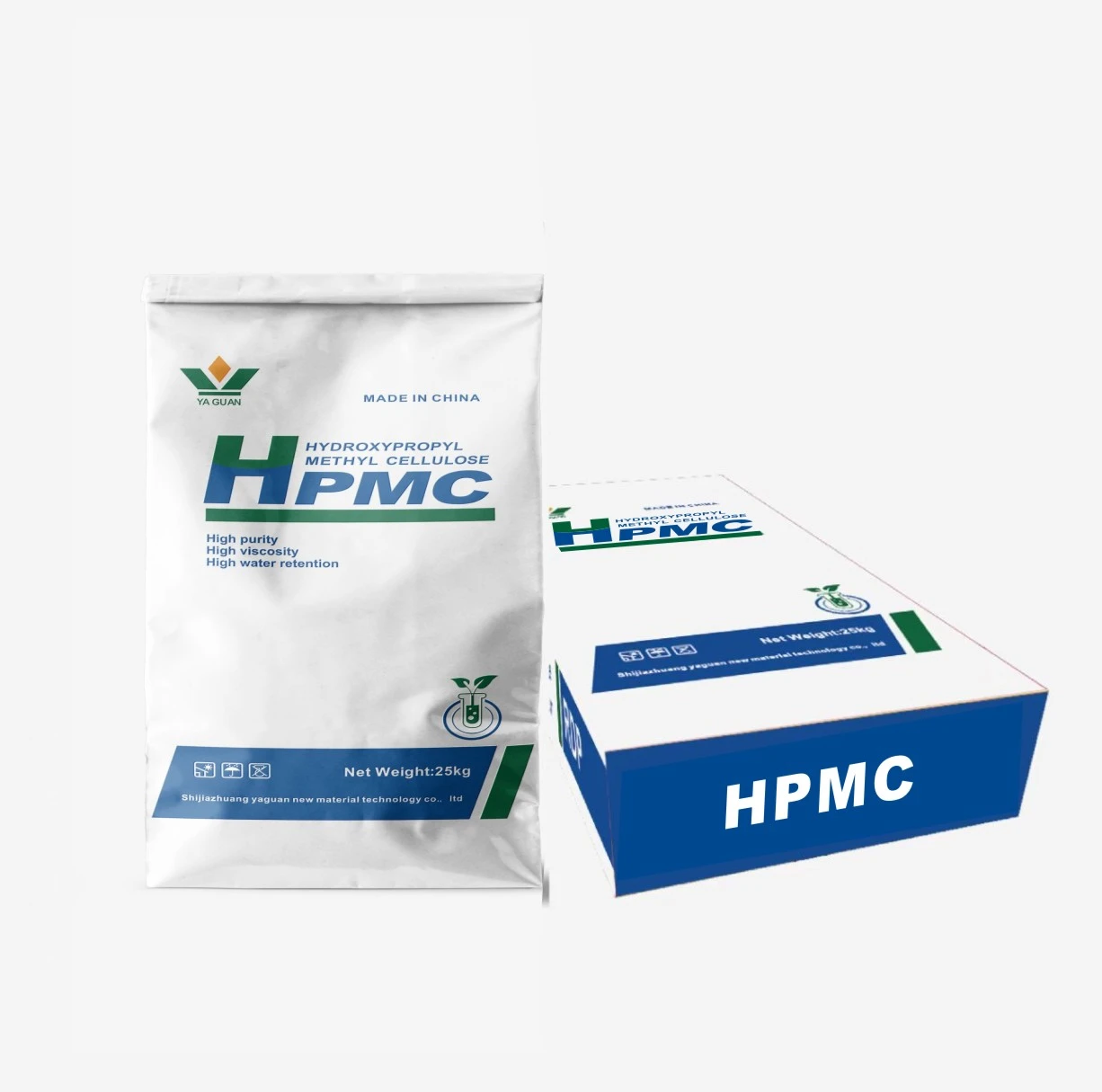

What Is Hydroxypropyl Methylcellulose CAS Number and Why Should We Care?
If you’re in industries ranging from pharmaceuticals to construction, chances are you’ve run into hydroxypropyl methylcellulose CAS number at some point. Yet, it’s more than just a chemical identifier; it’s a gateway to understanding a widely used compound with global impact. This article explores what it means, where it’s used, and why knowing its CAS number can smooth the path for manufacturers, researchers, and regulators alike.
Globally, chemical identification frameworks matter because they help maintain safety, consistency, and trust across borders. The hydroxypropyl methylcellulose (HPMC) molecule is a powerhouse in sectors that value non-toxicity and versatility.
Before we dive deeper, here’s a tiny spoiler: the CAS number itself is a unique numerical identifier designed to precisely anchor the chemical’s identity — kind of like a passport number for molecules.
Setting the Stage: The Global Context of Hydroxypropyl Methylcellulose
In 2023, global chemical production was estimated at over 2.5 billion metric tons (source: ISO). Within that, cellulose derivatives like hydroxypropyl methylcellulose have carved a niche due to their biocompatibility and environmental friendliness.
Why does this matter? Well, in industries such as pharmaceuticals, food, cosmetics, and even oil drilling, there’s a pressing need for substances that are safe, effective, and sustainable. The hydroxypropyl methylcellulose CAS number (often 9004-65-3) ensures clear communication and avoids costly mix-ups or regulatory hiccups.
Globally, as regulations tighten, accurate chemical identification underpins product safety and international trade — challenges that would otherwise stall innovation and logistics. For example, food safety standards by the UN Food and Agriculture Organization require impeccable traceability for additives, many of which are cellulose-derivative compounds.
So knowing the CAS number isn’t just technical nitpicking; it’s part of a global effort to streamline usage and compliance.
Breaking It Down: What Exactly Is Hydroxypropyl Methylcellulose?
In simple terms, hydroxypropyl methylcellulose (HPMC) is a semi-synthetic polymer derived from cellulose, the main component in plant cell walls. By chemically modifying cellulose with methyl and hydroxypropyl groups, manufacturers create a water-soluble powder or granulate with unique properties.
This transformation yields a material that can thicken, stabilize, form films, and even act as a binder — without the hazards of synthetic plastics or harmful chemicals.
Because it’s inert and non-toxic, HPMC finds a role in modern industries needing safe, versatile binders and films. For instance, capsules in the pharma sector commonly use HPMC as a vegetarian alternative to gelatin.
Its CAS number — basically a unique registry code — confirms the exact chemical identity, eliminating guesswork whether you’re mixing batches in a factory or shipping internationally.
Core Factors of Hydroxypropyl Methylcellulose That Matter
1. Solubility & Viscosity Control
HPMC is water-soluble but insoluble in organic solvents — a neat trick that allows it to control viscosity in diverse formulations, from paints to food glazes.
2. Thermal Gelation
Oddly enough, when heated, HPMC solutions thicken and gel — a property used in self-healing construction materials and adhesives.
3. Film Formation & Binding
This polymer forms transparent, flexible films, making it a favorite in pharmaceuticals for coating tablets or forming vegetarian capsules.
4. Chemical Stability & Safety
Because it is non-toxic, stable under various pH levels, and resistant to enzymes, HPMC stays reliable across applications.
5. Environmental Compatibility
Being derived from cellulose, it’s biodegradable and sourced from renewables, ticking many sustainability boxes these days.
To sum it up — these characteristics together help manufacturers optimize product texture, stability, and safety, which honestly can be a dizzying balancing act sometimes.
Global Uses and Real-World Applications
The versatility of HPMC means it shows up in all kinds of places. Here are a few:
- Pharmaceutical Industry: As excipient or binder in pills, and in veggie capsules — especially valued in regions with dietary restrictions.
- Construction: In drywall joint compounds, tile adhesives, and cement mixtures to improve workability and adhesion.
- Food Industry: Acting as a thickener, emulsifier, or stabilizer in sauces or ice creams.
- Personal Care: In shampoos and lotions for texture and film formation.
- Oil & Gas: Used in drilling fluids to stabilize boreholes.
In disaster relief, for instance, construction compounds with HPMC improve quick-setting mortars for rapid shelter rebuilding. Meanwhile, industries in Asia and Europe extensively rely on it for pharmaceutical manufacturing — showcasing its global footprint.
Hydroxypropyl Methylcellulose Product Specifications at a Glance
| Property | Typical Range | Units |
|---|---|---|
| CAS Number | 9004-65-3 | - |
| Methoxy Content | 19.0 - 24.0 | % |
| Hydroxypropyl Content | 4.0 - 12.0 | % |
| Viscosity (2% aqueous solution) | 50 - 4000 | mPa·s |
| pH (2% solution) | 5.0 - 8.0 | - |
How Vendors Stack Up: A Quick Comparison
| Vendor | Product Range | Price Range (USD/kg) | Quality Certifications | Global Availability |
|---|---|---|---|---|
| Yaguan HPMC | Standard & Customized Grades | 1.50 – 3.20 | ISO 9001, FDA Approved | Asia, Europe, Americas |
| Dow Chemical | Industrial & Pharma Grades | 2.00 – 3.50 | ISO, REACH, FDA | Global |
| Ashland | Pharmaceutical Specialty | 3.00 – 4.50 | ISO, NSF, FDA | Americas, Europe |
Why Bother? Advantages and Long-Term Value of Hydroxypropyl Methylcellulose
HPMC’s benefits aren’t just on paper; they have real-world value that companies and end-users recognize instantly:
- Cost Efficiency: Its wide availability and ease of formulation make products more affordable.
- Sustainability: Derived from renewable cellulose, biodegradable, and non-polluting.
- Safety and Trust: Non-toxic and approved by regulatory bodies worldwide — which really counts when you’re making medicines or food.
- Innovation Support: Enables new product designs, like vegetarian capsules or eco-friendly paints.
- Reliability: Stable across a broad pH and temperature range, so products last longer.
I’ve chatted with formulators who say it’s like the “Swiss army knife” of binders — you use it everywhere, with confidence.
The Road Ahead: Trends and Innovations in Hydroxypropyl Methylcellulose
Looking forward, research is pushing HPMC into greener, more personalized formulations.
- Bio-based Sourcing: Efforts to source cellulose even more sustainably, reducing carbon footprints.
- Smart Polymers: Synthesizing HPMC blends that respond to environmental triggers — imagine coatings that heal themselves!
- Digital Transformation: Using AI-based quality control in HPMC production for consistent batch performance.
- Regulatory Evolution: Stricter international standards encouraging cleaner, safer, and traceable cellulose derivatives hydroxypropyl methylcellulose cas number use.
While these developments aren’t immediately visible on packaging, they shape the future of product reliability and sustainability.
Challenges in Using Hydroxypropyl Methylcellulose and How Industry Tackles Them
Of course, not everything is rosy. Some challenges include:
- Batch Variability: Natural cellulose feedstocks can fluctuate in quality, affecting final HPMC consistency.
- Dissolution Times: Depending on grade, some HPMC powders take longer to dissolve, complicating manufacturing.
- Cost Pressures: While affordable, competing synthetic substitutes sometimes undercut pricing.
- Limited Thermal Stability: High-temperature applications can degrade it.
To overcome these, manufacturers invest in stricter quality controls, tailor-made grades, and blending strategies. Like most industries, it’s a mix of science and art — balancing purity, performance, and price.
FAQ: Answers to Your Common Questions About Hydroxypropyl Methylcellulose CAS Number
- Q: What exactly does the hydroxypropyl methylcellulose CAS number tell me?
- A: It uniquely identifies hydroxypropyl methylcellulose for regulatory, safety, and quality tracking. Using the CAS number 9004-65-3 ensures you’re discussing the exact chemical substance without ambiguity.
- Q: How is hydroxypropyl methylcellulose different from methylcellulose?
- A: HPMC includes hydroxypropyl groups alongside methyl groups, which improves solubility and thermal gelation properties compared to plain methylcellulose.
- Q: Can hydroxypropyl methylcellulose be used in vegan pharmaceutical capsules?
- A: Yes, HPMC is widely used as a vegetarian alternative to gelatin capsules, offering similar protective and release properties.
- Q: Can I find detailed safety and regulatory documentation using the CAS number?
- A: Absolutely, the hydroxypropyl methylcellulose CAS number is the key to accessing datasheets, safety datasheets (SDS), and regulatory approvals worldwide.
- Q: Is hydroxypropyl methylcellulose eco-friendly?
- A: Yes, since it’s derived from cellulose, a renewable resource, and is biodegradable, it’s generally considered sustainable compared to synthetic polymers.
Wrapping Up
Hydroxypropyl methylcellulose and its CAS number may seem technical or obscure at first glance — but this identifier opens doors to safe handling, formulation precision, and global trade efficiency. Its role across multiple industries, combined with ever-evolving greener tech, means it’s here to stay for good. Whether you’re a manufacturer, researcher, or even a curious consumer, understanding hydroxypropyl methylcellulose cas number ensures you’re aligned with best practices in quality and safety.
Want to dive deeper? Visit our website: https://www.yaguanhpmc.com for detailed specs, case studies, and expert advice.