
Demystifying Hydroxypropyl Methylcellulose CAS No: Why It Matters Globally
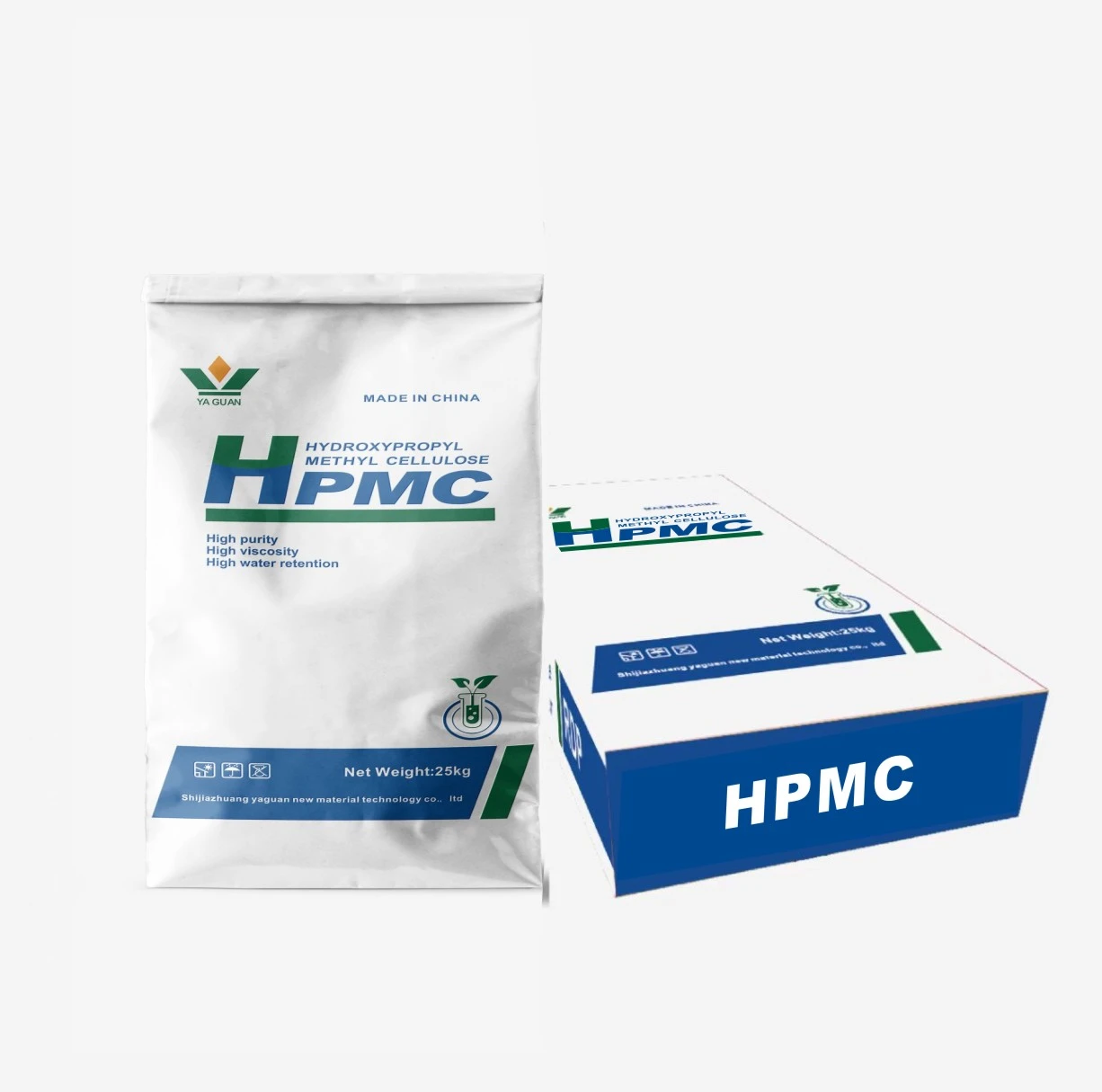
Hydroxypropyl methylcellulose CAS No (often abbreviated HPMC) might sound like a mouthful of chemistry, but it’s truly a staple in many industries around the world. This cellulose derivative, marked specifically by its CAS registry number, is one of those unsung heroes that quietly keep things running—from making capsules in pharma to improving construction materials.
Globally, the significance of hydroxypropyl methylcellulose cannot be overstated. It acts as a stabilizer, thickener, film former, and more—essential qualities that help numerous industries maintain quality, safety, and performance standards. Understanding this compound equips professionals with smarter choices for product formulation and innovation.
Mini takeaway: Grasping HPMC’s role is like having a backstage pass to some of the most common yet critical industrial products and processes worldwide.
Introduction: Global Relevance of Hydroxypropyl Methylcellulose CAS No
The world produces millions of tons of polymers annually, but few are as versatile or globally applicable as HPMC. According to ISO standards on cellulose ethers and the United Nations sustainable production guidelines, materials that combine performance with eco-friendliness are increasingly in demand. Here, hydroxypropyl methylcellulose steps in to address those priorities.
Take the pharmaceutical sector. With global medicine consumption predicted to grow by 3-6% each year (World Bank data), ensuring consistent drug delivery hinges on excipients like HPMC to craft reliable capsules.
On the construction side, HPMC improves cement workability and durability, enabling safer infrastructures, especially in disaster-prone regions. But the challenge remains: how to scale these benefits sustainably and cost-effectively.
Mini takeaway: Hydroxypropyl methylcellulose CAS No is integral to meeting rising global demands for sustainability, quality, and safety across sectors.
What Exactly is Hydroxypropyl Methylcellulose CAS No?
Simply put, hydroxypropyl methylcellulose is a chemically modified cellulose where hydroxyl groups are replaced partially by methoxy and hydroxypropyl groups. The “CAS No” refers to its unique identifier in the Chemical Abstracts Service, typically 9004-65-3, ensuring you know precisely which substance you’re dealing with—crucial for product standards and regulatory compliance.
This complex name belies its broad utility. It’s a water-soluble polymer that thickens, binds, and forms films without toxicity. Its pharma-grade forms are vital for creating vegetarian capsules, while its construction-grade variants enhance mortar and concrete properties.
hydroxypropyl methylcellulose cas no ties directly into modern needs: cleaner medicines, longer-lasting buildings, and even food products with better texture.
Key Factors That Define HPMC's Utility
1. Flexibility Across Industries
Whether you’re mixing a cement batch or manufacturing a capsule, HPMC adapts beautifully to different forms—powder, granules, or slurry—making processing smoother and outcomes reliable.
2. Water Retention & Thickening
It retains water exceptionally well, which enhances mortar workability and prolongs curing times in construction, or stabilizes emulsions and liquids in food and pharma.
3. Thermal Stability
HPMC withstands moderate heat, allowing it to maintain performance in varying climates or during production processes without degrading.
4. Safety & Biocompatibility
It’s non-toxic and hypoallergenic, which is why it's a preferred excipient in pharmaceutical capsules and eye drops—a critical band of trust with end users.
5. Film-Forming Ability
The formation of flexible, transparent films lends itself to coatings on tablets and controlled-release drug mechanisms.
6. Environmentally Friendly
Being cellulose-based, HPMC is biodegradable, a big win at a time when sustainability is no longer optional.
Mini takeaway: HPMC’s versatility—stretching from durability to safety—is what makes it an essential multipurpose agent.
Global Applications and Real-World Use Cases
- Pharmaceutical Industry: Used widely in tablet coatings and as a vegan capsule alternative. Major pharma companies in Europe, North America, and Asia swear by HPMC for consistent release profiles.
- Construction Sector: In countries facing extreme climates or seismic activity, like Japan and the US, HPMC enhances concrete flexibility, reduces cracking, and improves adhesion.
- Food Technology: Acts as a thickener and stabilizer in vegan dairy substitutes and gluten-free baking products, popular in Western Europe and North America.
- Cosmetics & Personal Care: Used in lotions and eye drops to provide smooth texture and moisture retention—popular in markets across Asia-Pacific.
For example, in post-disaster recovery operations, rapidly deployable concrete solutions enhanced with HPMC have helped rebuild resilient housing. The NGO Médecins Sans Frontières also sources pharma-grade HPMC capsules to distribute medication safely around conflict zones.
Mini takeaway: Hydroxypropyl methylcellulose CAS No finds itself at the heart of daily life, aiding sectors and regions with unique challenges and needs.
Advantages and Long-Term Value of Hydroxypropyl Methylcellulose
Let’s get real: beyond the technical specs, HPMC’s benefits resonate on both emotional and practical levels. From a cost perspective, it’s affordable, readily sourced, and improves product longevity, reducing waste. On sustainability, its biodegradability aligns with global circular economy goals.
Social benefits are just as critical. In medicine, products containing HPMC enhance patient trust—knowing the capsule ingredients are safe and cruelty-free carries weight. Construction materials using HPMC contribute indirectly to safer communities, lessening rebuilding frequency and cost.
Innovation thrives thanks to HPMC’s adaptability, inspiring new food innovations, safer cosmetics, and environmentally-friendly building methods.
Product Specification Table: Typical Hydroxypropyl Methylcellulose Grades
| Property | Specification | Typical Range |
|---|---|---|
| CAS Number | 9004-65-3 | — |
| Methoxy Content (%) | 19.0 – 24.0 | 19 – 24 |
| Hydroxypropyl Content (%) | 4.0 – 12.0 | 4 – 12 |
| Viscosity (mPa·s at 2% solution) | 100 – 4000 | Wide range by grade |
| pH of 1% solution | 5.0 – 8.0 | Neutral to slight alkaline |
| Solubility | Cold water soluble | Complete |
Comparing Top Hydroxypropyl Methylcellulose Suppliers
| Supplier | Product Grade Range | Global Reach | Sustainability Initiatives | Pricing Level |
|---|---|---|---|---|
| Yaguan HPMC | Pharma, Construction, Food Grades | Asia, Europe, Americas | Eco-friendly sourcing, waste reduction | Competitive |
| Ashland Inc. | Wide viscosity range, Specialty grades | Worldwide | Focus on renewable raw materials | Premium |
| Dow Chemical | Construction & Industrial Grades | Global | Sustainability in packaging | Mid-Range |
Looking Forward: Trends & Innovations Around Hydroxypropyl Methylcellulose CAS No
Roughly speaking, the world is moving toward greener, smarter materials—and HPMC sits comfortably in that space. The push towards biopolymers has sparked innovative blends of HPMC with nanocellulose, promising even better mechanical and barrier properties.
Digitization is another trend reshaping procurement and testing—smart sensors now assess HPMC quality in real time during production, ensuring consistency. Moreover, automation unlocks custom viscosity grades with precision like never before.
Policy pressures, especially from the European Green Deal and similar initiatives, promote products that reduce carbon footprints, giving HPMC an edge because it’s derived from renewable resources.
Challenges & Solutions in Using Hydroxypropyl Methylcellulose
Despite its advantages, working with HPMC isn't always straightforward. For example, achieving consistency in viscosity can be tricky depending on raw material variations. Also, moisture sensitivity requires tight storage controls.
Experts recommend rigorous supplier audits and standardized testing protocols to overcome these challenges. Companies like Yaguan HPMC offer comprehensive technical support, optimizing formulations to minimize batch-to-batch variability.
And frankly, the evolving regulatory landscapes mandate proactive compliance strategies—something your supplier’s experience makes a huge difference in.
FAQ: Frequently Asked Questions About Hydroxypropyl Methylcellulose CAS No
- Q1: What is the typical shelf life of hydroxypropyl methylcellulose?
- A1: Most grades maintain stability for up to 24 months if stored in cool, dry conditions away from direct sunlight and moisture. Proper packaging further extends usability.
- Q2: Can HPMC be used in gluten-free food products?
- A2: Absolutely. HPMC functions as a gluten replacement, offering structure and moisture retention in gluten-free bread, cakes, and other baked goods.
- Q3: How does HPMC improve cement or mortar performance?
- A3: It controls water retention and workability, reducing cracking and improving adhesion, ultimately enhancing strength and durability.
- Q4: Are there vegan alternatives to gelatin capsules using HPMC?
- A4: Yes. Pharma-grade HPMC capsules are plant-based, non-toxic, and widely accepted as vegan-friendly substitutes to traditional gelatin capsules.
- Q5: What regulations govern the use of HPMC in pharmaceuticals?
- A5: HPMC complies with pharmacopeias such as USP, EP, and JP, ensuring safety and quality for medicinal applications.
Conclusion
Hydroxypropyl methylcellulose CAS No, far from just a chemical curiosity, is a cornerstone in various industries, providing flexibility, safety, and sustainability benefits that ripple globally. It’s a material that empowers manufacturers, supports innovation, and meets rigorous standards all at once.
Curious to explore more or source high-quality HPMC? Visit us at Yaguan HPMC for trusted grades and expert guidance.
Mini takeaway: Investing time to understand HPMC isn’t just smart chemistry—it’s foresight into safer, better products and a greener world.