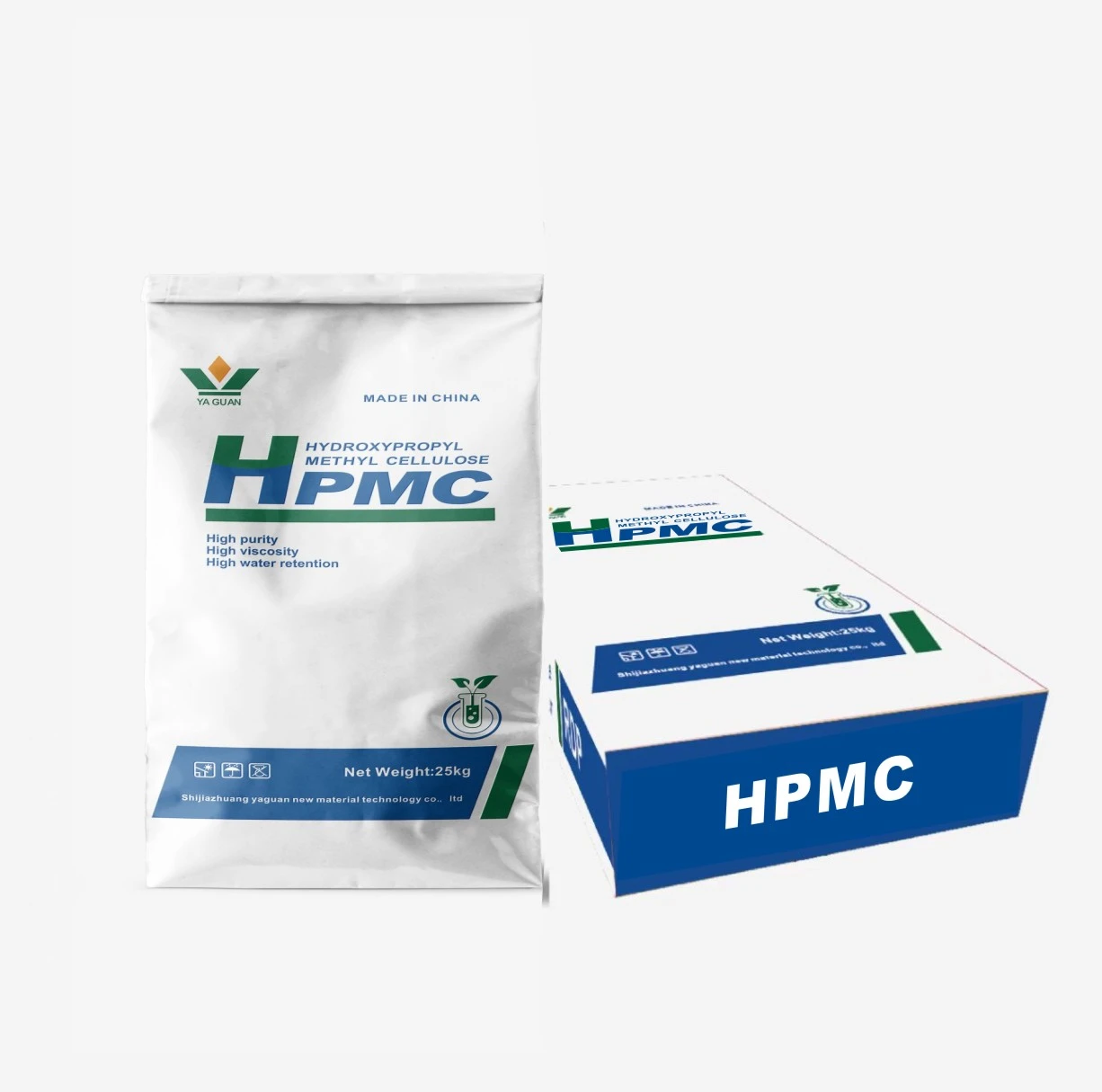

Understanding Cellulose Ether HPMC: Why It Matters in Today’s World
If you’ve ever wondered what keeps modern construction adhesives, pharmaceuticals, and food thickeners running smoothly, cellulose ether HPMC probably has a hand in it. Cellulose ether HPMC (hydroxypropyl methylcellulose) is a versatile, water-soluble polymer derived from cellulose — the stuff that composes plant cell walls. This material isn’t just some lab curiosity; it’s central to solving global challenges like improving building materials and healthcare formulations with sustainability in mind.
Globally, cellulose ether HPMC influences industries worth billions, from construction to cosmetics. Its significance grows as demand for environmentally friendly and efficient materials spikes, especially in places facing rapid urbanization and infrastructure needs. Understanding it means appreciating how chemistry blends with practical innovation for reliable, affordable, and green solutions.
Mini takeaway: Cellulose ether HPMC isn’t just a complicated chemical name; it’s a game-changer across multiple global sectors.
The Global Context: Why Cellulose Ether HPMC Is Everywhere
Across continents, the construction industry alone consumes huge quantities of cellulose ether HPMC, used primarily for its thickening, water retention, and adhesive properties. According to ISO standards and market surveys, the global cellulose ethers market was valued at several billion dollars as early as 2020, with consistent growth forecasted. Urbanization drives the need for durable plaster, tile adhesives, and cement mixtures—all of which lean on this polymer.
Oddly enough, while cities grow vertically and infrastructure doubles down on speed and sustainability, cellulose ether HPMC tick-boxes many challenges—like improving adhesion in rainy climates or extending shelf life in food products that face temperature extremes. In humanitarian sectors, it shows up in pharmaceuticals and controlled drug release technologies, offering safer medicines worldwide.
Mini takeaway: HPMC is a silent but vital partner across industries adapting to global pressures for durability and sustainability.
What Exactly Is Cellulose Ether HPMC?
Breaking down the term: "cellulose ether" is a cellulose derivative where ether groups attach to the cellulose backbone, increasing water solubility; "HPMC" stands for hydroxypropyl methylcellulose, named after its chemical structure. Essentially, it's a powder that dissolves in cold water to form clear, viscous solutions—making it perfect as a thickener, stabilizer, and binder.
Think of cellulose ether HPMC as nature-modified: cellulose harvested from wood pulp or cotton linters undergoes chemical modification to meet industrial demands. This marriage of natural origins and synthetic tweaks is why it’s so trusted in fields requiring food-safe, non-toxic, and biodegradable ingredients.
Mini takeaway: HPMC is a cleverly tweaked natural polymer that balances performance with environmental safety.
Core Properties That Define Its Use
Water Retention
One of HPMC's standout qualities is its ability to hold water exceptionally well. For builders, that means cement and plaster stay workable longer, reducing cracking and improving adherence.
Thickening and Viscosity Control
Manufacturers count on it to boost thickness without adding harsh chemicals, whether in paints, cosmetics, or food. This makes HPMC indispensable for quality control.
Thermal Gelation
HPMC solutions gel when heated above certain temperatures. This property helps in creating controlled-release medications or in improving application ease for adhesives.
Low Toxicity and Biodegradability
Unlike many synthetic polymers, HPMC breaks down safely and is non-toxic—key reasons it’s popular in pharmaceuticals and food products.
Compatibility
It mixes well with a broad range of other chemicals and additives, allowing manufacturers to customize formulations easily.
Mini takeaway: These properties make cellulose ether HPMC an adaptable powerhouse, fitting into countless product recipes with ease.
How Cellulose Ether HPMC Makes an Impact Globally
If you’ve ever visited fast-growing urban areas in Asia or the Middle East, you’ve witnessed HPMC’s practical magic in construction — flexible mortars, smooth wall finishes, and reliable adhesives that stand up to extreme weather. In Europe and North America, it’s a staple in drug delivery systems, improving patient safety by ensuring precise dosage control.
Humanitarian organizations rely on cellulose ether HPMC too. During disaster relief, supplies like ready-to-eat meals, powdered medicines, or emergency construction kits benefit from its stabilizing and thickening features. In remote industrial zones, additives based on HPMC improve resource efficiency, making projects both cost-effective and sustainable.
Mini takeaway: Wherever there’s demand for reliability and adaptability under diverse conditions, cellulose ether HPMC quietly delivers.
Advantages and Long-Term Benefits
- Cost efficiency: HPMC’s ability to improve product performance means less waste and lower material consumption.
- Environmental sustainability: Its biodegradable nature matches growing eco-conscious regulatory standards worldwide.
- Product consistency: Ensures quality control from batch to batch, reducing failures on-site or in production.
- Safety & trust: Non-toxic and FDA-approved for food and pharmaceuticals, reassuring for both manufacturers and consumers.
- Innovation potential: Its compatibility opens doors for novel formulations and customized solutions.
Mini takeaway: Cellulose ether HPMC offers a rare combination of economical, ecological, and technical benefits that build trust and future-proof industries.
Emerging Trends and Innovations
Green chemistry labs are working on HPMC variants with enhanced biodegradability and better thermal stability. Automation in manufacturing now allows precise molecular modifications for targeted performance, bringing down costs even more.
Besides, digital innovation is driving new testing methods to predict HPMC behavior in various environments—cutting down trial-and-error in product development. Plus, there's a push toward incorporating HPMC in bio-based packaging and sustainable textiles, tying it to broader efforts combating climate change.
Mini takeaway: HPMC isn’t stuck in the past — it evolves alongside sustainability and smart tech trends.
Addressing Challenges and Offering Solutions
True, some industries face challenges like batch variability or moisture sensitivity of cellulose ethers that can affect shelf life and performance. But ongoing R&D is tackling this with stabilized formulations and precise process controls.
Another hurdle is the relatively higher price compared to some synthetic polymers, but that often pays off when factoring long-term savings in product stability and environmental compliance. Plus, expert blending and supplier selection ensure consistent quality.
Mini takeaway: Challenges exist but aren’t show-stoppers — innovation and quality control smooth the path.
Product Specification Table: Typical Cellulose Ether HPMC Grades
| Property | Low Viscosity Grade | Medium Viscosity Grade | High Viscosity Grade |
|---|---|---|---|
| Viscosity (mPas, 2% w/w solution at 20°C) | 50 - 150 | 400 - 800 | 2000 - 5000 |
| Water Retention (%) | 85 – 90 | 90 – 95 | 95 – 98 |
| pH Range | 5–11 | 5–11 | 5–11 |
| Bulk Density (g/L) | 450–650 | 400–600 | 350–550 |
Vendor Comparison: Popular Cellulose Ether HPMC Suppliers
| Supplier | Grade Range | Global Reach | Sustainability Initiatives | Typical Price Per kg (USD) |
|---|---|---|---|---|
| Supplier A | Broad (Low to High viscosity) | North America, Europe, Asia | Recycled raw materials, carbon neutral factories | 2.40 - 3.20 |
| Supplier B | Specialist mid-viscosity range | Europe, Middle East | Organic certification, waste reduction programs | 3.00 - 3.50 |
| Supplier C | Low viscosity focused | Asia-Pacific | Renewable energy usage, water recycling | 2.00 - 2.80 |
Frequently Asked Questions About Cellulose Ether HPMC
- What industries benefit most from cellulose ether HPMC?
- Construction, pharmaceuticals, food, and cosmetics are the largest users. Its thickening and water retention qualities make it a go-to additive in adhesives, drug delivery, and food stabilization.
- Is cellulose ether HPMC safe for food and medicine?
- Yes, it is FDA-approved and non-toxic, making it suitable for edible products and pharmaceutical formulations, ensuring consumer safety without compromising functionality.
- How does cellulose ether HPMC improve construction materials?
- By enhancing water retention, it ensures mortar or plaster sets evenly, reducing cracks and improving workability. Its adhesive properties also boost bonding strength.
- Can cellulose ether HPMC be tailored for custom applications?
- Absolutely. Different viscosity grades and chemical modifications allow manufacturers to achieve specific texture, thickness, and performance targets.
- Where can I find reliable suppliers of HPMC?
- Look for established chemical providers with certifications, sustainable practices, and global reach. Supplier comparison tables like the one above can guide your choice.
Conclusion: The Sustainable Polymer Powering Future Innovations
The long-term value of cellulose ether HPMC lies in its rare combination of eco-friendliness, cost-effectiveness, and versatile performance. Whether enhancing the durability of a building, stabilizing a drug formulation, or thickening your favorite cosmetic cream, HPMC quietly but surely empowers smarter, greener industry choices.
So the next time you consider innovation in materials or sustainability, remember this humble polymer. For more insights and quality cellulose ether HPMC products, visit cellulose ether hpmc.