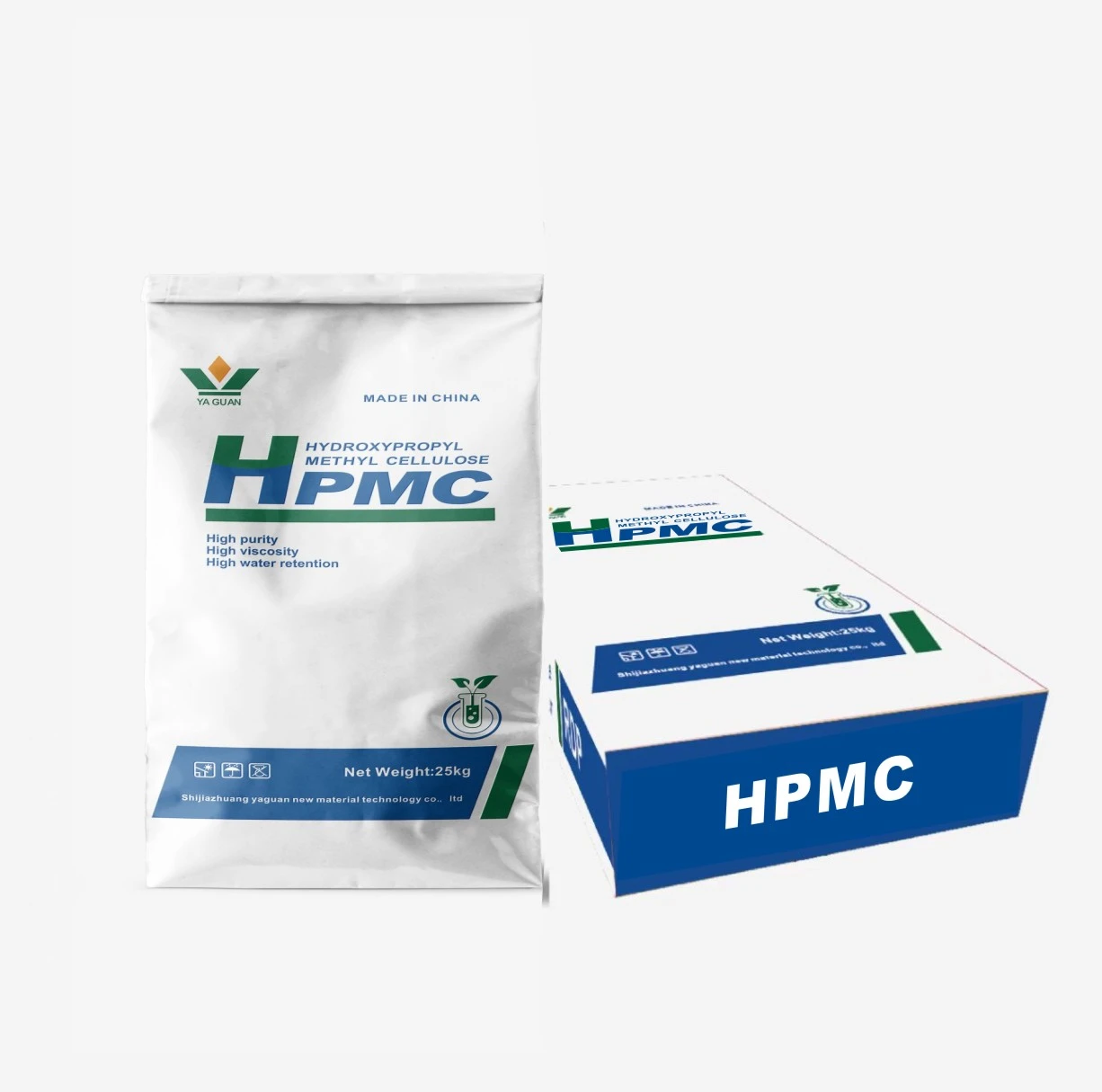

Understanding Methyl Hydroxyethyl Cellulose Manufacturers: Why It Matters Globally
When it comes to specialized chemical additives, methyl hydroxyethyl cellulose (MHEC) might not be the first term that springs to mind — yet, it plays a quiet but vital role in many industries worldwide. Basically, it’s a cellulose ether that modifies viscosity, enhances water retention, and improves workability in products ranging from construction materials like cement mortars, to personal care and even food. Knowing who the reputable methyl hydroxyethyl cellulose manufacturers are, what they offer, and why it matters can feel like peering behind an industrial curtain often unnoticed but enormously important globally.
Why care about these manufacturers? Globally, the construction industry alone consumes tens of thousands of tons of cellulose ethers yearly, supporting infrastructure that literally shapes societies. Simultaneously, there’s been growing pressure to optimize product sustainability and efficiency — areas where MHEC functionalities truly shine. This article will unpack the ins and outs of the methyl hydroxyethyl cellulose manufacturers ecosystem, their global footprint, and what the future holds.
The Global Context: A Backbone of Modern Industry
To appreciate the significance of methyl hydroxyethyl cellulose manufacturers, consider some context. According to the United Nations Industrial Development Organization (UNIDO), industrial sectors like construction, adhesives, and coatings — all heavy users of cellulose derivatives — have seen growth rates exceeding 4% annually in emerging markets since 2018. The demand for versatile, eco-friendly additives is propelling MHEC consumption further. However, challenges such as raw material sourcing, quality consistency, and shifting regulatory frameworks create substantial hurdles for producers. Global supply chains, too, have had their share of disruptions, spotlighting the need for reliable manufacturers.
Oddly enough, while the world grows more digital, the reliance on materials like cellulose ethers remains unwavering. This paradox between high-tech aspirations and foundational raw materials makes understanding manufacturers more than an industry sidebar — it’s a real lens into economic resilience and innovation.
Defining Methyl Hydroxyethyl Cellulose Manufacturers
So, what exactly are these manufacturers? Methyl hydroxyethyl cellulose manufacturers are companies or industrial entities specializing in producing MHEC — a chemically modified cellulose ether derived mainly from wood pulp or cotton linters. The "methyl" and "hydroxyethyl" parts refer to the chemical groups attached to the cellulose backbone, giving it water-soluble, non-ionic properties that make it valuable as a thickener, stabilizer, or binder.
These manufacturers operate at the intersection of chemistry and logistics, supplying processed powders tailored for downstream industries. From binding mortar in massive urban developments in Asia to improving the texture of skincare creams in Europe, MHEC is everywhere but often invisible.
Mini takeaway:
- MHEC manufacturers transform natural cellulose into versatile chemical additives.
- They serve industries pivotal for infrastructure and consumer products.
Key Factors Behind Methyl Hydroxyethyl Cellulose Production
1. Raw Material Sourcing
The backbone here is cellulose, usually sourced from sustainable wood pulp or cotton linters. Manufacturers with steady, eco-friendly supplies often edge ahead, since fluctuations or poor quality directly affect MHEC purity and performance.
2. Chemical Modification Process
This includes methylation and hydroxyethylation steps — where process control is king. Even minor changes in temperature, reactant concentration, or time impact viscosity grades and solubility. Many manufacturers pride themselves on proprietary tweaks to ensure consistent batch quality.
3. Product Customization and Viscosity Grades
Manufacturers offer multiple viscosity grades — from low to high — tailored for application needs. A cement manufacturer may require a particular grade for workability, whereas a cosmetics formulator may prioritize solubility and skin feel. This versatility is a core selling point.
4. Quality Control and Testing
Robust analytical labs test viscosity, pH, moisture content, and particle size. Rigorous standards minimize surprises in final product performance. According to ISO 9001 certified manufacturers, consistent quality often translates into customer loyalty.
5. Environmental Responsibility
Though cellulose is renewable, the chemicals used can matter environmentally. Manufacturers increasingly adopt greener solvents and optimize waste management. It’s a mix of meeting regulations and responding to growing customer demands for sustainability.
6. Logistics and Global Reach
Many manufacturers blend technical expertise with logistics savvy to supply globally. Proximity to key markets or access to port infrastructure can determine lead times and cost-effectiveness, vital for industries working on tight project timelines.
Mini takeaway:
- Material quality, processing control, and customization are critical manufacturing pillars.
- Environmental and logistical factors increasingly influence success.
Methyl Hydroxyethyl Cellulose Manufacturers: Real-World Applications
MHEC is something engineers and product developers depend on across various sectors:
- Construction Industry: Cement mortars and tile adhesives use MHEC to boost water retention and workability. This ensures smoother application and stronger bonds in walls and floors.
- Paints and Coatings: Provides viscosity control for smooth finishes and prevents sagging.
- Personal Care Products: Thickening agents in lotions and creams, offering pleasant texture without greasiness.
- Pharmaceuticals & Food: As stabilizers and binders in tablets or food products, ensuring consistency.
In regions recovering from natural disasters, faster infrastructure rebuilding often leans on supplied cement mortars fortified with MHEC. Industries in remote zones, like mining outposts, rely on these materials for rapid, durable repairs where traditional materials can fail under extreme conditions.
Mini takeaway:
The broad applicability underlines the indispensable nature of quality methyl hydroxyethyl cellulose manufacturers worldwide.
Advantages & Long-Term Value of Quality MHEC Production
Looking under the hood, the value offered by reliable manufacturers goes far beyond simple ingredients:
- Cost Efficiency: Optimized formulations reduce wastage and improve work rates, saving projects time and money.
- Sustainability: Using renewable cellulose and more eco-conscious processes aligns with global environmental commitments.
- Reliability: Consistent quality assures customers, fostering trust and ongoing partnerships.
- Innovation: Custom grades tailored to challenging applications enable cutting-edge products.
- Safety & Dignity in Use: For end users, better-prepared construction materials or smoother personal care products contribute to everyday comfort and well-being.
Looking Ahead: Future Trends in MHEC Manufacturing
The landscape is evolving. A few trends worth noting:
- Green Chemistry Advances: New catalysts and solvents to reduce emissions.
- Digitalized Manufacturing: IoT-based process monitoring for tighter control and efficiency.
- Customization at Scale: More tailored grades for niche applications via modular production lines.
- Expanding Regional Production: Emerging markets seeking local suppliers to cut costs and increase supply chain resilience.
Manufacturers willing to embrace these opportunities will likely dominate the next decade’s market.
Challenges in the Industry and How They’re Overcome
Of course, the industry has its challenges:
- Raw Material Price Fluctuations: Global pulp supply can be volatile — manufacturers hedge or vertically integrate to stabilize costs.
- Stringent Regulatory Environment: Tightening regulations around chemicals push costly upgrades but also encourage innovation.
- Quality Consistency: Achieving uniformity across batches demands high-tech monitoring, sometimes a financial burden for smaller players.
- Logistics Disruptions: Natural disasters or geopolitical events can delay shipments; some companies build buffer stocks or source regionally to cope.
Innovative companies often leverage process automation, realtime analytics, and sustainable sourcing to stay ahead — a neat proof that even in mature industries, agility counts.
FAQ: Frequently Asked Questions About Methyl Hydroxyethyl Cellulose Manufacturers
- Q1: What industries commonly source MHEC from manufacturers?
- A1: MHEC is widely used in construction (cement mortars, tile adhesives), paints, personal care, pharmaceuticals, and food sectors. Its versatility makes it valuable wherever thickening or binding is needed.
- Q2: How do manufacturers ensure batch-to-batch quality consistency?
- A2: Quality control labs perform routine tests on viscosity, moisture content, pH, and particle size. Many top manufacturers also adopt ISO 9001 standards and leverage automated process controls.
- Q3: Are there eco-friendly options available from MHEC manufacturers?
- A3: Yes. Leading producers are shifting toward greener chemical processes, reducing volatile organic compounds (VOCs), and optimizing cellulose sources for sustainability.
- Q4: How does the choice of viscosity grade impact end-product performance?
- A4: Different viscosity grades affect workability, water retention, and texture. For example, higher viscosity MHEC improves mortar water retention, leading to stronger, longer-lasting construction.
- Q5: Can MHEC manufacturers supply customized formulations?
- A5: Definitely. Many top-level manufacturers offer tailored grades designed to meet specific customer requirements or niche applications.
Comparing Leading MHEC Manufacturers
| Manufacturer | Location | Viscosity Range (mPa·s) | Certifications | Sustainability Initiatives |
|---|---|---|---|---|
| Yaguan Chemicals | China | 1000 - 30000 | ISO 9001, REACH | Green solvent usage, waste reduction |
| Dow Chemical | USA | 1200 - 35000 | ISO 9001, TSCA | Sustainable supply chain |
| Ashland Inc. | Europe/USA | 800 - 25000 | ISO 9001, GMP | Renewable raw materials sourcing |
Typical Product Specification for Methyl Hydroxyethyl Cellulose
| Parameter | Unit | Typical Range | Test Method |
|---|---|---|---|
| Viscosity (2% aqueous solution) | mPa·s | 1000 – 30000 | Brookfield Viscometer |
| pH (2% solution) | - | 6.5 – 8.5 | pH Meter |
| Moisture Content | % | ≤5 | Karl Fischer Titration |
| Degree of Substitution | - | 0.8 – 1.4 | NMR Spectroscopy |
| Ash Content | % | ≤1.5 | Gravimetric Analysis |
Wrapping Up: Why Knowing Your Methyl Hydroxyethyl Cellulose Manufacturer Counts
Ultimately, the companies behind methyl hydroxyethyl cellulose production form a hidden yet essential thread in the fabric of global industry. By delivering consistent, customizable, and eco-conscious materials, these manufacturers enable everything from durable housing to everyday consumer goods. For businesses seeking dependable, innovative solutions, choosing the right supplier is no trivial matter.
For those intrigued or involved in sectors using MHEC, exploring trusted manufacturers like methyl hydroxyethyl cellulose manufacturers can uncover opportunities to improve product performance, sustainability, and economic outcomes.
To keep pace with industry trends and innovations, stay curious, keep asking questions, and never underestimate the power of something that just feels “sticky enough.”