
Understanding Hydroxypropylmethylcellulose Supplier: A Modern Industrial Linchpin
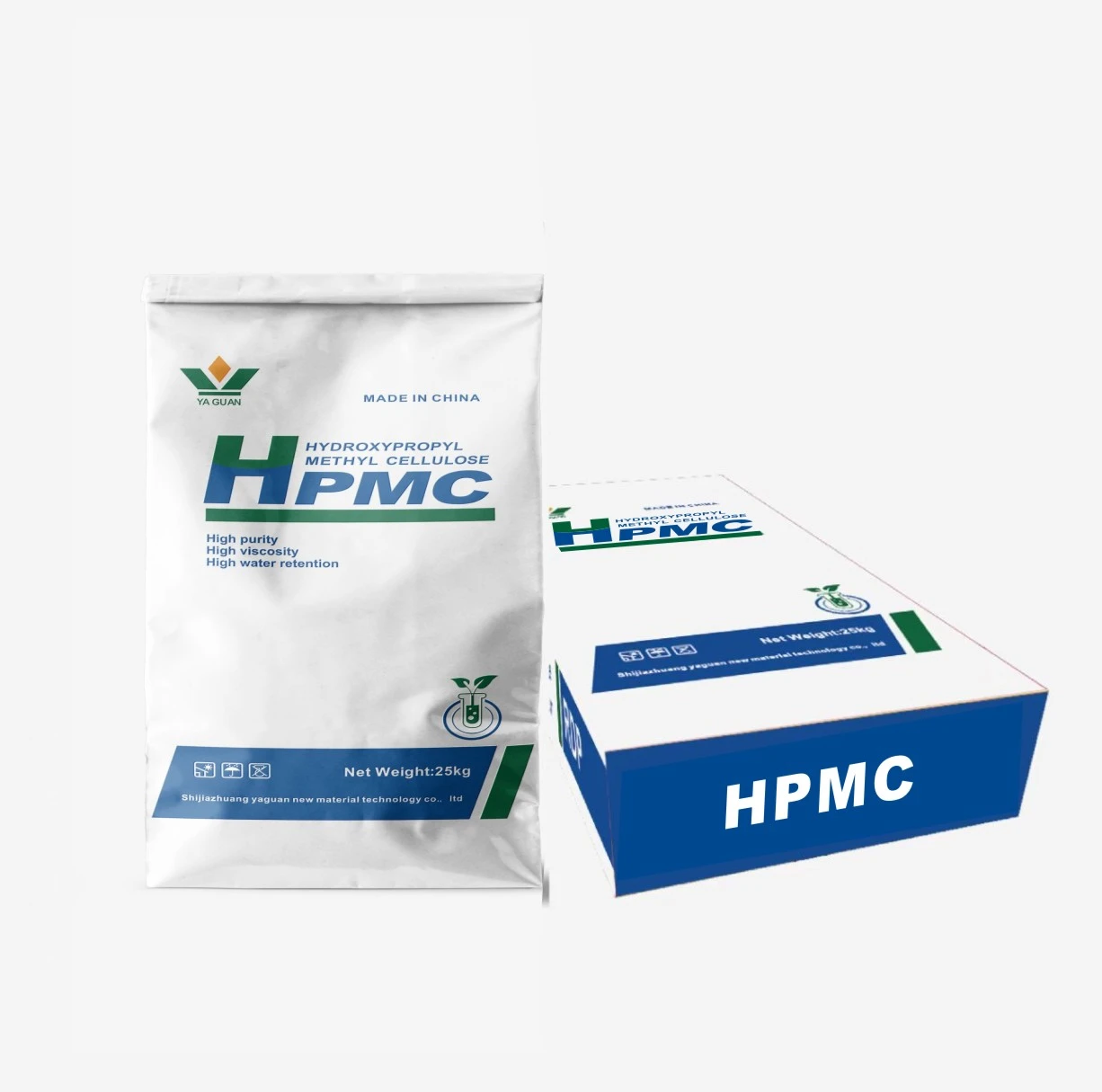
There’s a whisper in the background of countless industries—pharmaceuticals, construction, food production—that centers on hydroxypropylmethylcellulose (HPMC). For many, it’s just another chemical with a complicated name, but for manufacturers and buyers, finding the right hydroxypropylmethylcellulose supplier can be a game-changer. This substance plays a subtle yet vital role in ensuring product quality, safety, and efficiency. Globally, as industries evolve toward more sustainable and versatile materials, understanding HPMC and its supply chain becomes not just important but essential.
Why should this matter? Well, the global market for cellulose derivatives like HPMC is projected to grow steadily, driven especially by eco-friendly applications and rising demand in Asia and Europe. As production increases, locating a reliable supplier with consistent quality impacts everything from drug consistency to building material performance. Let’s dive into what the term really means, its key factors, and why savvy buyers keep it on their radar.
Global Context: Why Hydroxypropylmethylcellulose Matters More Than Ever
Hydroxypropylmethylcellulose is not just a niche chemical tucked away in a lab. According to industry reports, the cellulose ethers market had a valuation around $5 billion in 2023, with HPMC making up a significant share. It’s no secret that the pharmaceutical and construction industries are booming, with demand for reliable packaging, coatings, and stable drug formulations at an all-time high.
UN trade statistics highlight that Asia Pacific accounts for over 40% of cellulose ether import and export — a sign that HPMC’s significance is truly global. Yet, challenges remain: inconsistent supplier quality and erratic supply chains especially post-pandemic have caused headaches worldwide. That’s where a dependable hydroxypropylmethylcellulose supplier becomes vital. It’s the difference between a smooth production line and costly delays.
Mini takeaway: HPMC is a growing global commodity, with supply reliability and quality assurance at the heart of industrial success.
What Is a Hydroxypropylmethylcellulose Supplier, Really?
In the simplest terms, a hydroxypropylmethylcellulose supplier is a company or entity that produces or distributes HPMC—a water-soluble polymer derived from cellulose. This polymer is prized for its non-toxic, biodegradable qualities, with uses ranging from thickening agents in paints to binders in tablets.
Essentially, these suppliers provide the raw or processed HPMC to manufacturers who embed it into their products. Without them, modern pharmaceuticals couldn’t guarantee consistent pill dissolution rates, adhesives wouldn’t stick properly, and food products might lose texture and freshness. In short, they’re the unsung heroes behind many everyday products.
Key Aspects That Define a Top Hydroxypropylmethylcellulose Supplier
1. Quality Assurance and Purity
A reputable supplier guarantees HPMC meets strict industrial standards like USP, EP, or JP. Purity affects everything from pharmaceutical safety to construction material performance. Many engineers I spoke with emphasized this as non-negotiable—low-grade HPMC invites product failures.
2. Range of Viscosities & Grades
HPMC isn’t one-size-fits-all. Its viscosity and substitution degree determine its suitability for different applications—whether it’s a fast-dissolving pill coating or a slow-setting adhesive. Suppliers offering a broad portfolio empower innovation.
3. Scalability and Delivery Reliability
Industrial users often require bulk supply on tight schedules. Variabilities in supply can hit production hard. Hence, suppliers with strong logistics and manufacturing capacity are preferred. It feels like a small detail but can save millions.
4. Regulatory Compliance
Especially in pharma and food, suppliers must conform to strict safety and environmental regulations. Compliance protects end-users and assures manufacturers can market globally without hurdles.
5. Sustainability & Environmental Impact
Suppliers moving toward greener production processes (e.g., reduced solvents, renewable feedstocks) get brownie points in sectors pushing sustainability.
Mini takeaway: When choosing a supplier, think beyond price: quality, variety, compliance, and green credentials often matter more in the long haul.
Real-World Applications: How HPMC Shapes Industries Worldwide
In my travels, it was fascinating to see HPMC’s footprint stretching from dense urban factories in Germany to sprawling pharma plants in India.
- Pharmaceuticals: HPMC acts as a binder and controlled-release agent in tablets, ensuring medication works precisely as intended. Companies like Johnson & Johnson invest heavily in HPMC grade consistency.
- Construction: Used as a thickener in cement and paints, HPMC improves workability and durability. In Europe, eco-conscious manufacturers prefer HPMC over synthetic polymers.
- Food Industry: It stabilizes textures in gluten-free products and ice creams, with suppliers ensuring food-grade certifications.
- Consumer Products: From shampoos to eye drops, HPMC adds viscosity and improves shelf life.
Significantly, in disaster relief and humanitarian aid—where rapid, safe packaging and durable materials are required—NGOs rely on products sourced via trusted hydroxypropylmethylcellulose suppliers. Imagine stable medicines in tropical climates or quick-setting plaster in war zones. Without it, much of the trust in these efforts would falter.
Advantages and Long-Term Value of Partnering with the Right Supplier
To put it simply, proper sourcing of HPMC translates into:
- Cost Savings: Reduced waste and fewer product failures save money.
- Sustainability: Environmentally friendlier options mean better regulatory adherence and brand goodwill.
- Innovation: Broad product ranges enable companies to pioneer new formulations or materials.
- Trust & Safety: Reliable supply chains assure consumer safety — a priceless asset in pharmaceuticals.
- Social Impact: Especially in food and medical sectors, improving product quality helps millions.
Frankly, it’s not just economic – it’s about reliability and dignity. A patient deserves flawless medicine; a family in a disaster zone deserves durable building materials sourced sustainably.
What’s Next? Future Trends Affecting Hydroxypropylmethylcellulose Supply Chains
It feels like the industry is becoming increasingly intertwined with digital and green revolutions.
- Automation & AI: Predictive supply logistics are smoothing procurement cycles.
- Green Chemistry: New bio-based production methods reduce environmental footprints.
- Regulatory Evolution: Anticipate tighter global standards requiring more transparency from suppliers.
- Nanotechnologies: Enhanced HPMC formulations with higher performance in specialized applications.
All pointing toward a future where hydroxypropylmethylcellulose suppliers do more than just sell a chemical—they become innovation partners.
Challenges in Current Supply and How to Overcome Them
Despite the growth, there are glitches.
- Supply Chain Disruptions: Fluctuating raw material costs and logistics snarls post-pandemic.
- Quality Variation: Not all suppliers maintain consistent product specs.
- Environmental Concerns: Traditional production sometimes involves harsh chemicals.
Experts suggest multi-sourcing strategies, investing in supplier audits, and pushing for greener practices. It’s a collective effort but one that clearly pays off.
Quick FAQ: Hydroxypropylmethylcellulose Supplier
- What makes a reliable hydroxypropylmethylcellulose supplier stand out?
- Reliable suppliers offer certified quality, varied product grades, timely delivery, and regulatory compliance, ensuring your operations never miss a beat.
- Can HPMC supplied be customized for specific industries?
- Absolutely. Many suppliers offer tailored viscosity and substitution levels ideal for pharmaceuticals, food, or construction.
- How do I ensure the supplier meets environmental regulations?
- Look for certifications like ISO 14001 and request detailed environmental compliance reports during vendor evaluation.
- Is it possible to import HPMC internationally without hassle?
- Yes, but it requires working with suppliers experienced in customs documentation, relevant permits, and compliance with your destination country’s standards.
Specification Table: Typical HPMC Grades by Application
| Grade | Viscosity (mPa·s) | Substitution % | Typical Use |
|---|---|---|---|
| HPMC-1 | 5,000 | 19% | Pharma binders |
| HPMC-2 | 15,000 | 27% | Construction additives |
| HPMC-3 | 50,000 | 25% | Food stabilizers |
Vendor Comparison: Leading Hydroxypropylmethylcellulose Suppliers
| Supplier | Global Reach | Product Range | Sustainability | Lead Time |
|---|---|---|---|---|
| Yaguan HPMC | Asia, Europe, Americas | Extensive, customized grades | ISO 14001 certified | 3-4 weeks |
| Supplier B Ltd. | Europe & NA | Focused pharma grades | Partial green initiatives | 4-6 weeks |
| Global Chem Inc. | Worldwide | Broad, standard options | Limited sustainability focus | 5-7 weeks |
Wrapping It Up: Why Your Choice of Hydroxypropylmethylcellulose Supplier Matters
At the end of the day, the chemistry behind hydroxypropylmethylcellulose might feel dense or technical, but the impact is deeply tangible — from ensuring patients get medicine that works exactly as intended, to enabling builders to create structures that last decades, or food makers to keep products fresh and appealing.
Working with a trusted hydroxypropylmethylcellulose supplier isn’t just a transaction, it’s forging a partnership for future-proof manufacturing and innovation. Whether you’re aiming to improve sustainability, cut costs, or innovate new formulations, the right supplier is your foundation.
Take your first step today — visit Yaguan HPMC Supplier to explore quality options that fit your needs.