
Understanding Cellulose Ether Price: Why It Matters Globally
Cellulose ethers—versatile derivatives of cellulose—are the unsung heroes behind many of our everyday products, from paints and adhesives to pharmaceuticals and food additives. But there's a catch: their pricing can ripple across industries worldwide, influencing manufacturing costs, sustainability goals, and product innovation. So, why should we care about cellulose ether price? Well, it’s not just about economics—it's about balancing affordability with quality and environmental responsibility on a global scale.
At a glance, knowing how cellulose ether prices fluctuate helps manufacturers plan better, consumers get fair products, and environmentalists gauge sustainability impacts. Let’s unpack this together.
The Global Context: Why Cellulose Ether Pricing is a Big Deal
Cellulose ethers are indispensable in many supply chains, making their pricing a global matter. According to the United Nations, industries dependent on cellulose derivatives represent millions of jobs worldwide. Meanwhile, ISO standards increasingly emphasize sustainable sourcing—adding pressure on suppliers to balance cost and environmental footprint.
Yet, the challenge lies in the variability. Prices can be affected by raw material availability (mostly wood pulp), energy costs, geopolitical shifts, and environmental regulations. For instance, in 2023, cellulose ether prices saw a volatile swing due to raw material shortages in Asia and rising transportation fees globally. This ripple effect impacted everything from tile adhesives in Europe to food thickeners in North America.
Frankly, it’s a classic example of how a specialized chemical’s price influences economies and sustainability efforts worldwide, sometimes in ways that aren’t immediately obvious.
What Does "Cellulose Ether Price" Actually Mean?
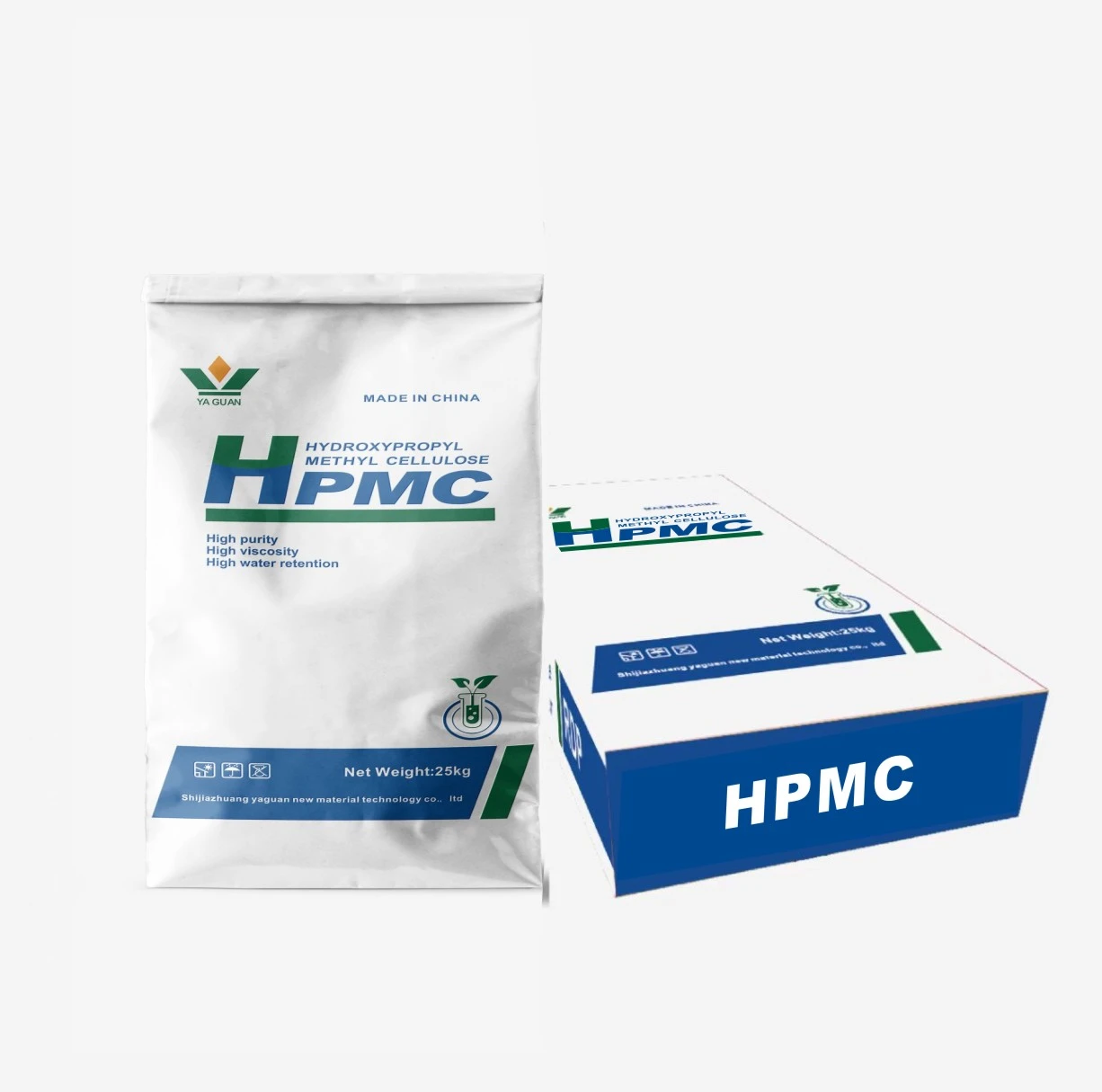
In simple terms, the cellulose ether price is the cost per unit for purchasing these water-soluble derivatives of cellulose, commonly expressed in USD per kilogram or metric ton. It's influenced by factors like purity, type (methylcellulose, hydroxypropyl methylcellulose, etc.), and intended industrial use.
These prices matter practically because cellulose ethers are everywhere—even if you don’t realize it. They improve texture in cosmetic creams, enhance water retention in construction mortars, stabilize drilling fluids in oil rigs, and ensure drug delivery in pharmaceuticals. So knowing the price means understanding how much industries invest in reliable, quality components.
Key Factors Influencing Cellulose Ether Pricing
1. Raw Material Source and Quality
Wood pulp is the core source for cellulose ethers, and its quality affects processing ease and final product characteristics. For example, sustainably harvested bamboo versus conventional pulp can shift costs meaningfully.
2. Production Scale and Technology
Large-scale plants leveraging automated production tend to offer more consistent pricing, while niche or specialty grades may come at premium rates due to smaller batches and advanced chemical modifications.
3. Regulatory Compliance and Sustainability
Manufacturers who adhere to strict environmental rules generally face higher costs—yet these premiums can pay off in brand trust and market access, especially in Europe or Japan.
4. Transportation and Supply Chain Complexities
Since cellulose ethers are bulky and sensitive, logistical hurdles add to the price. Regional shortages or port delays can inflate costs unexpectedly.
5. Market Demand and Global Economics
During construction booms, demand spikes can push prices up. Likewise, macroeconomic factors like currency fluctuations or tariffs significantly impact pricing.
Typical Product Specifications of Cellulose Ethers
| Specification | Methylcellulose (MC) | Hydroxypropyl Methylcellulose (HPMC) | Hydroxyethyl Cellulose (HEC) |
|---|---|---|---|
| Appearance | White powder | White to off-white powder | White powder |
| Viscosity Range (mPa·s) | 100 - 10,000 | 400 - 12,000 | 50 - 12,000 |
| pH Range | 5 - 8 | 5 - 8 | 5 - 8 |
| Typical Use | Paints, adhesives | Pharmaceutical gels, construction | Cosmetics, cleaners |
| Typical Price (USD/kg) | 2.5 - 5.0 | 3.0 - 6.0 | 2.0 - 4.5 |
Prices vary depending on supplier, volume, and region.
Where Is Cellulose Ether Price Making a Difference?
Weirdly enough, cellulose ether pricing can be a sort of hidden linchpin in projects ranging from remote mining camps in Australia to disaster relief shelters in Southeast Asia.
- Construction Industry: Affordable cellulose ethers improve mortar adhesion and water retention, especially in emerging markets.
- Pharmaceuticals: Price stability ensures mass production of controlled-release drugs remains viable.
- Food and Cosmetics: Manufacturers balancing cost and quality for thickeners and stabilizers rely heavily on these prices.
- Oil & Gas: Drilling fluids use specialized cellulose ethers—price spikes can affect project timelines.
- Humanitarian Operations: Post-disaster housing and water purification products often depend on cost-effective cellulose ethers.
Take the case of a Southeast Asian NGO that deployed low-cost, cellulose ether-based waterproof coatings for emergency shelters in flood-prone areas. Lower material prices meant quicker turnaround and more durable housing. That’s the kind of real-world ripple effect you rarely see touted in industry briefs.
Comparing Major Cellulose Ether Vendors
| Vendor | Primary Product Types | Typical Price Range (USD/kg) | Sustainability Certifications | Global Presence |
|---|---|---|---|---|
| Dow Chemical | HPMC, MC | 3.0 - 5.5 | ISO 14001, FSC | North America, Europe, Asia |
| Ashland | MC, HEC, HPC | 2.8 - 5.0 | ISO 9001 | Global |
| Shin-Etsu | HPMC, MC | 3.5 - 6.0 | FSC, REACH | Asia, Europe, North America |
| Lamberti | HEC, MC | 2.5 - 5.0 | ISO 14001, Ecocert | Europe, Americas |
Long-Term Benefits of Monitoring Cellulose Ether Price
Tracking and understanding cellulose ether price trends isn’t just for accountants or procurement specialists—it actually guides innovation, sustainability efforts, and even social responsibility. Lower prices can mean more affordable housing materials in developing countries. Stable prices allow pharmaceutical companies to plan R&D investments better, which might lead to breakthrough meds.
There’s an emotional side too: when prices align with environmental responsibility, we’re investing in a safer, cleaner planet. Reliability breeds trust between suppliers and end-users. And in uncertain economic times, clarity on cellulose ether pricing can provide a rare anchor.
Emerging Trends Impacting Cellulose Ether Price
- Green Chemistry Innovations: Companies are developing bio-based cellulose ethers using less energy, aiming to reduce costs and carbon footprints.
- Digital Supply Chain Tools: Blockchain and AI improve tracking of raw material provenance and forecast cellulose ether price fluctuations.
- Regulatory Shifts: New global standards will favor manufacturers adhering to sustainable sourcing, influencing price premiums.
- Automation: Increased automation lowers labor costs but requires upfront investment, influencing pricing differently per region.
Common Challenges & How Experts Overcome Them
One big headache is raw material scarcity, which can push prices unpredictably. Some firms are investing in alternative feedstocks or recycling cellulose waste to buffer this risk.
Logistics bottlenecks amid global disruptions create delivery delays, but developing diversified supply chains and localized production hubs helps mitigate these issues.
Finally, balancing price versus performance remains tricky. Engineers often customize formulations or blend cellulose ethers to get the best bang for their buck—even if the price slides a bit higher, the overall project gains efficiency.
FAQ: Practical Questions About Cellulose Ether Price
- Q: What influences the fluctuations in cellulose ether prices the most?
A: Primarily raw material availability, production scale, energy costs, and global logistics impact prices. Geopolitical tensions and environmental regulations can also cause short-term spikes. - Q: How does cellulose ether pricing affect product quality?
A: While lower prices might tempt buyers, compromising on quality could lead to weaker performance. Balanced pricing ensures manufacturers can deliver reliable consistency. - Q: Are there eco-friendly cellulose ethers available at competitive prices?
A: Yes, emerging bio-based and sustainably sourced cellulose ethers are increasingly available, though sometimes at a slight premium, offset by environmental benefits and growing demand. - Q: Can small manufacturers compete given the pricing dynamics?
A: Small players can compete by focusing on niche applications, customization, or building local supply chains to reduce logistics costs.
Wrapping It Up: Why Tracking Cellulose Ether Price Is Essential
So, it turns out that keeping an eye on cellulose ether price isn’t just some behind-the-scenes procurement detail. It’s a driving force that touches innovation, sustainability, affordability, and even humanitarian outcomes. Businesses across manufacturing sectors, NGOs, and researchers all feel the beat of these market rhythms.
If you're looking to stay ahead, improve your sourcing strategies, or simply want a clear view of how cost and quality intermingle, monitoring cellulose ether price will offer surprising insights—and maybe even some exciting opportunities.
Take a moment to explore more about cellulose ethers and their pricing trends on our site—and keep in mind, these numbers quietly push the world forward, one formula at a time.