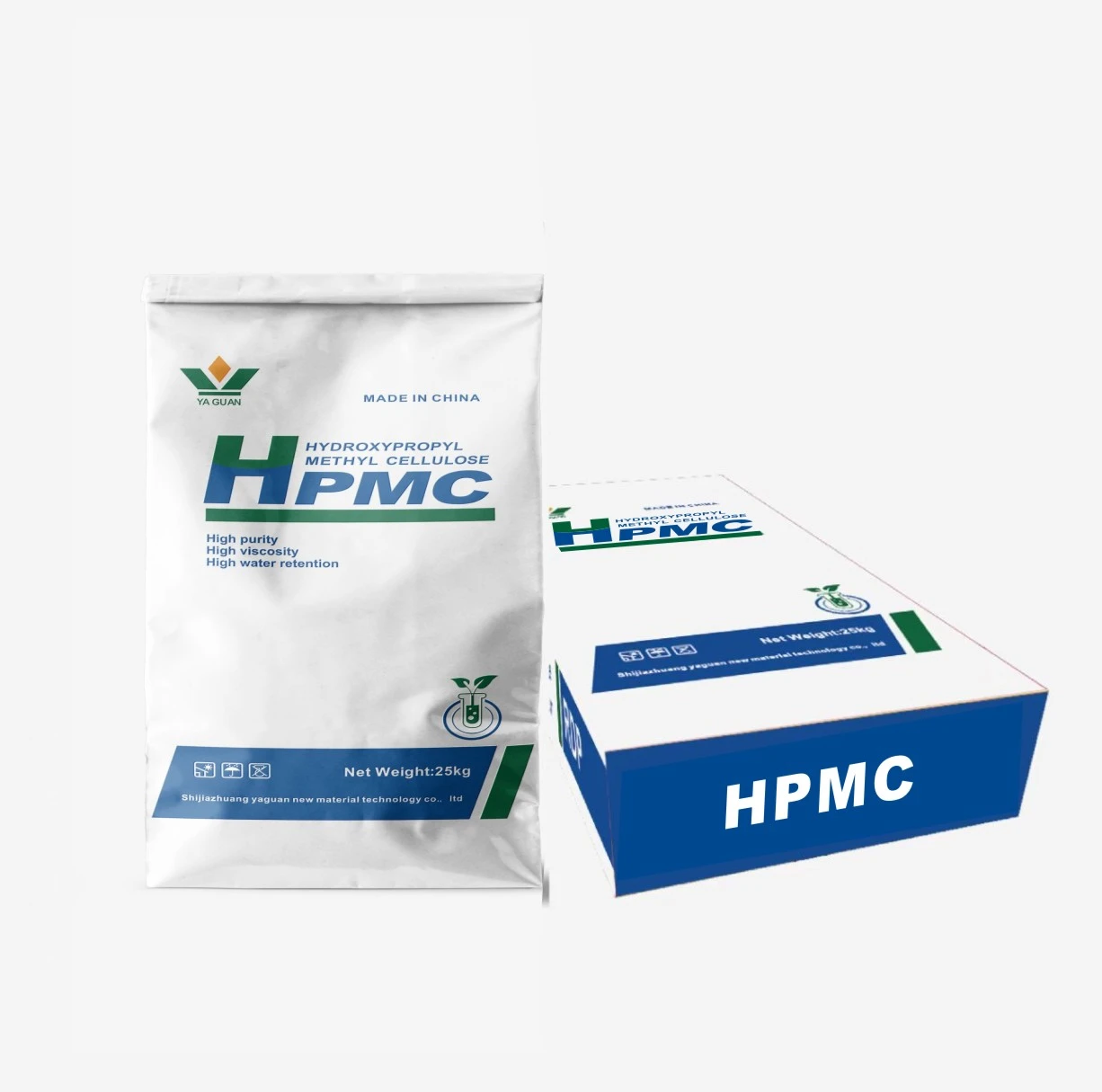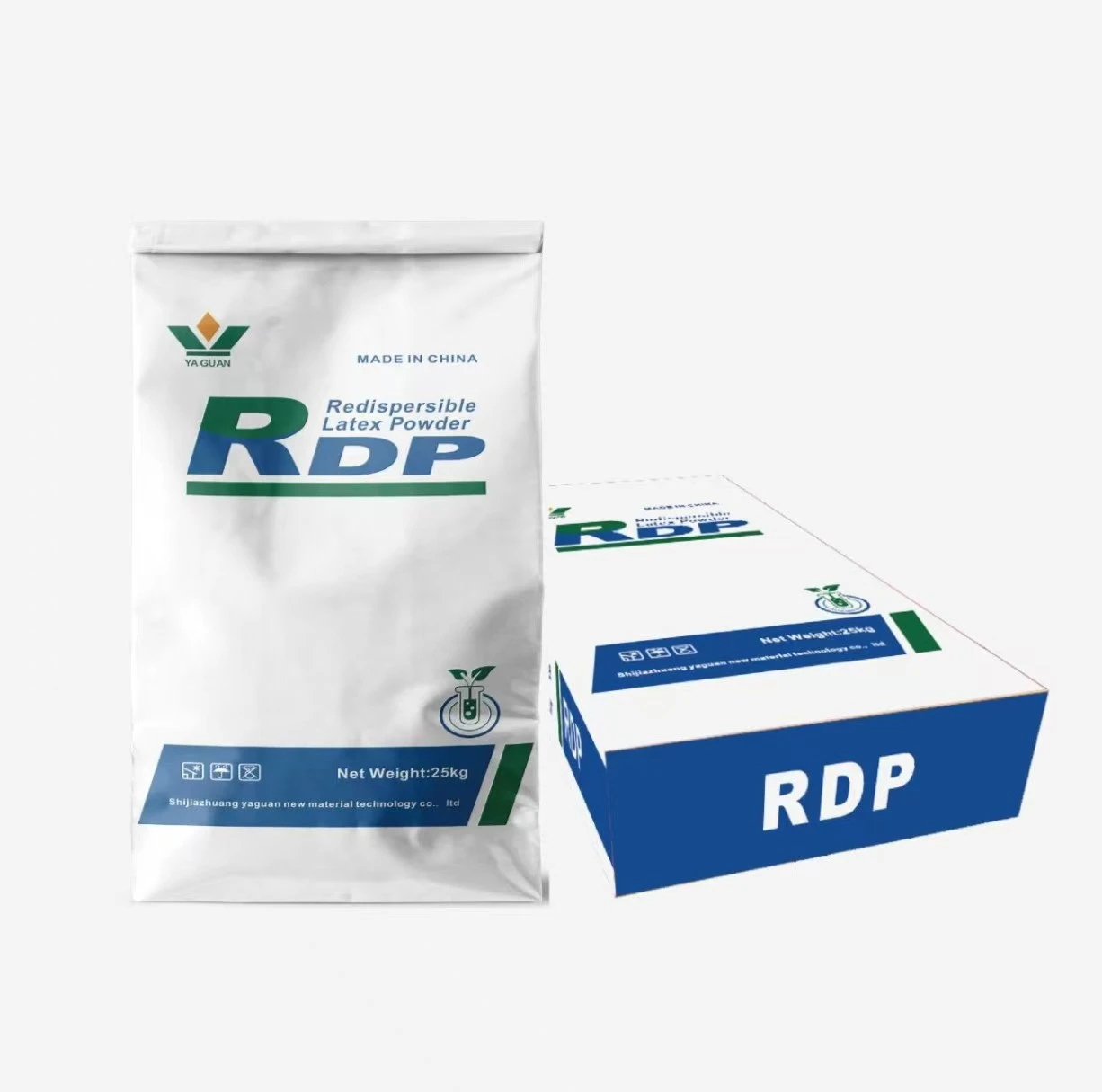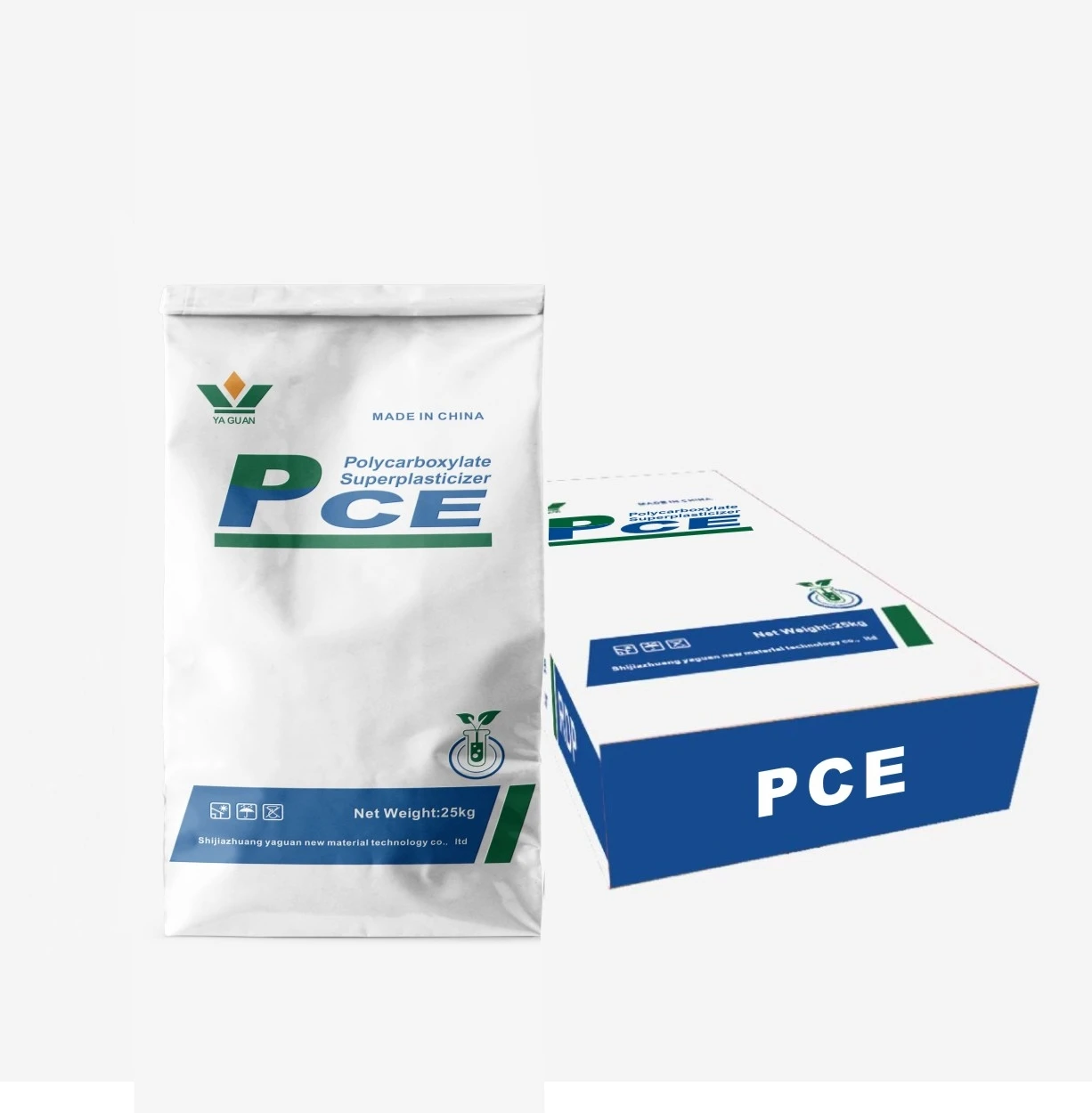

A Quick Dive into Chemical Products: Why They Matter to Everyone
Chemical products touch nearly every corner of our lives — from the paint on the walls to industrial coolants, from medicines to agricultural fertilizers. Globally, the industry is a $5 trillion behemoth (1), essential not just for growth but for the everyday. Understanding chemical products isn’t about memorizing formulas; it's about grasping how these materials shape economies, support industries, and even solve pressing humanitarian challenges.
One reason chemical products are so critical right now? Sustainability. With increasing environmental pressures, producing safer, more eco-friendly chemicals has become a quest rather than an afterthought.
Global Relevance of Chemical Products: An Industry Underpinning Modern Life
Look around: everything from smartphones to sanitized water relies on chemical products. According to the United Nations Industrial Development Organization (UNIDO), the chemical sector accounts for nearly 10% of global manufacturing output (2), making it a linchpin for development. Yet, it faces massive challenges — such as environmental regulations, supply chain disruptions, and the rising costs of raw materials — that require constant adaptation.
For example, the global push to reduce carbon emissions is forcing chemical manufacturers to rethink processes and materials, often with tight deadlines and complex international compliance demands. This is the backdrop where chemical products aren’t just commodities, but innovation vectors.
What Exactly Are Chemical Products?
Put simply, chemical products are substances or mixtures produced through chemical processes. These range from basic chemicals like sulfuric acid and ethylene to more complex formulations such as pharmaceuticals or advanced polymers. They form the backbone of many industries: agriculture, healthcare, manufacturing, and even humanitarian aid.
In humanitarian efforts, chemical products enable sanitation, water purification, and preservation of food — areas often overlooked in typical industrial discussions but vitally important to millions.
Core Components and Key Factors of Chemical Products
Durability and Stability
You might not think about it until something fails, but the chemical stability of a product impacts its lifespan and safety — for instance, a pesticide needs to persist long enough to protect crops but then degrade safely. These properties are engineered carefully to balance efficacy and environmental safety.
Cost Efficiency
Raw materials, energy use, and production techniques all dictate cost. A producer that can tweak formulations slightly to use less expensive substrates without losing quality gains a big competitive advantage, especially in emerging markets.
Scalability
How easily can production ramp up? For chemicals that feed into pharmaceuticals or disaster relief supplies, scalability can be a life-or-death factor. It’s not just about batch size, but process repeatability and quality control.
Environmental Impact
Few topics are as hot right now as the environmental footprint — from hazardous waste generated to emissions and end-of-life biodegradability. Companies embed principles of green chemistry whenever possible, aiming to reduce harm without compromising function.
Compliance & Safety Standards
From OSHA in the US to REACH in Europe, chemical products must meet rigid safety and handling standards. This ensures worker safety and consumer protection, plus smooth international trade.
Real-World Uses of Chemical Products: From Cities to Crisis Zones
Industries worldwide rely on chemical products daily:
- Agriculture: Fertilizers and pesticides increase crop yields, essential in feeding billions.
- Healthcare: Pharmaceuticals, antiseptics, and sterilization agents keep us healthy.
- Manufacturing: Plastics, coatings, adhesives — essentially any durable good uses chemicals.
- Humanitarian Aid: Water purification chemicals enable safe drinking water in disaster zones, crucial after floods or conflicts.
Oddly enough, some of the toughest environments—like remote mining operations or refugee camps—depend on chemical products for basic needs such as clean water or reliable energy storage. For instance, in the aftermath of natural disasters, quickly deployed chemical-based water purification prevents disease outbreaks.
Product Specification Table
| Specification | Typical Value | Unit |
|---|---|---|
| Purity | 99.5 | % |
| Shelf Life | 24 | Months |
| Density | 1.25 | g/cm³ |
| Production Capacity | 5000 | tons/year |
| VOC Emissions | ppm |
Advantages & Long-Term Value of Chemical Products
In real terms, reliable chemical products reduce costs by increasing efficiency and minimizing material waste. They also foster sustainability by enabling green alternatives — like bio-based plastics and cleaner solvents. Many engineers I've talked to swear by trusted suppliers who not only meet specifications but innovate around environmental safety and social responsibility.
Then there’s the emotional aspect — reliable chemical products can mean safe drinking water for children, better medicines, or fuel for heating in harsh climates. This trust and dignity that come from dependable products are often underrated but deeply felt by communities worldwide.
Vendor Comparison Table
| Vendor | Product Range | Environmental Certifications | Average Lead Time | Global Reach |
|---|---|---|---|---|
| ChemCo Solutions | Basic and Specialty Chemicals | ISO 14001, REACH | 4 weeks | Europe, Asia |
| GreenSynthetics | Bio-based Polymers | US EPA, Green Seal | 6 weeks | North America, Europe |
| ReliChem Corp. | Industrial & Agro Chemicals | REACH, OSHA | 3 weeks | Global |
The Road Ahead: Innovations and Trends in Chemical Products
Sustainability leads the pack in shaping future chemical products. Think green energy integration in manufacturing, or digital transformation to monitor batch quality remotely. AI-driven molecular modeling accelerates the design of novel polymers that biodegrade gracefully.
Meanwhile, automation is streamlining production lines, enhancing precision, and reducing human error. This isn’t just about efficiency — it’s about meeting tighter compliance and consumer expectations simultaneously.
Common Challenges and What’s Being Done
Many producers wrestle with balancing cost, environmental regulations, and scalability. Raw material shortages add unpredictability. Yet companies are turning to circular economy models, recycling feedstocks, and employing advanced catalysis to reduce waste.
Industry consortia and standard bodies collaborate intensively to harmonize regulations, easing cross-border trade and innovation adoption. It’s messy but promising.
FAQ: Common Questions About Chemical Products
Q: How do chemical products impact environmental safety?
A: Chemical products, if unmanaged, can pose environmental risks, but through green chemistry and strict safety standards, risks are minimized. Many modern products are formulated for biodegradability and low toxicity, dramatically reducing their footprint.
Q: Can chemical products be customized for specific industries?
A: Absolutely. Many manufacturers tailor chemical formulations to meet the exact needs of industries like agriculture, pharmaceuticals, or construction. Customization ensures optimal performance and compliance.
Q: What measures assure the quality of chemical products?
A: Quality is ensured through rigorous testing, certifications like ISO standards, and real-time monitoring during production. Suppliers often provide detailed material safety data sheets (MSDS) for transparency.
Q: Are chemical products safe for use in humanitarian aid?
A: Yes. Many chemical products, especially purification agents and disinfectants, are specifically designed for humanitarian operations, balancing efficacy with safety and ease of use.
Q: How long does it take to procure chemical products from global vendors?
A: Lead times vary from 3 to 6 weeks depending on the supplier, product complexity, and shipping logistics. Advanced order planning can smooth this out significantly.
Wrapping It Up: Why Chemical Products Will Continue Shaping Our World
Frankly, chemical products are more than just inputs; they’re catalysts for progress — whether enabling sustainable agriculture, clean water, or greener industries. As technologies evolve and global challenges mount, knowing about these products helps us appreciate a quieter, essential innovation engine.
If you want to explore more detailed products, formulations, or vendor solutions, I suggest visiting chemical products suppliers online — it’s where theory meets everyday impact.
- UNIDO, Industrial Development Report, 2022
- United Nations Sustainable Development Goals Report, 2023
- ISO Standards for Chemical Manufacturing and Safety Compliance, 2023