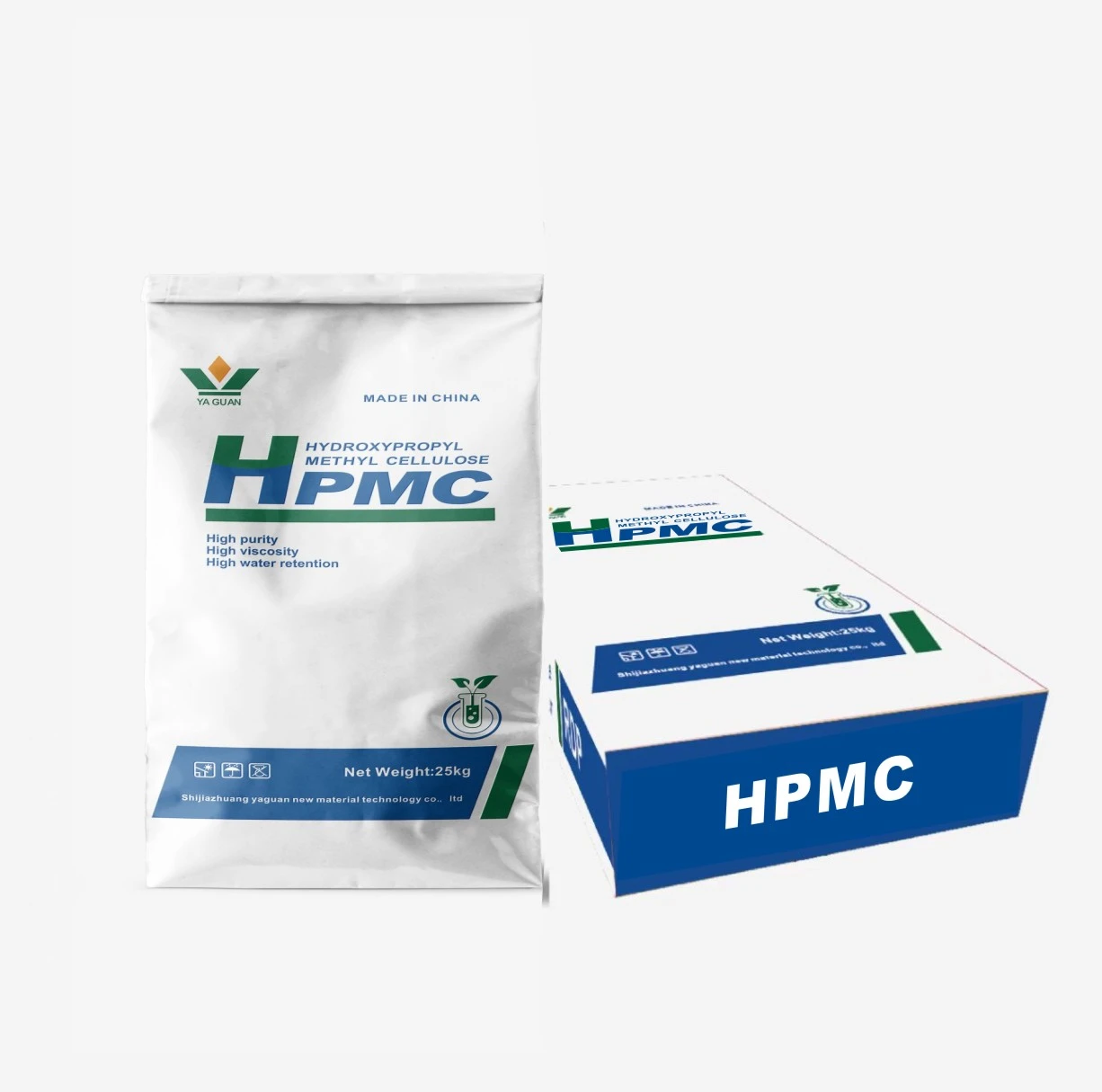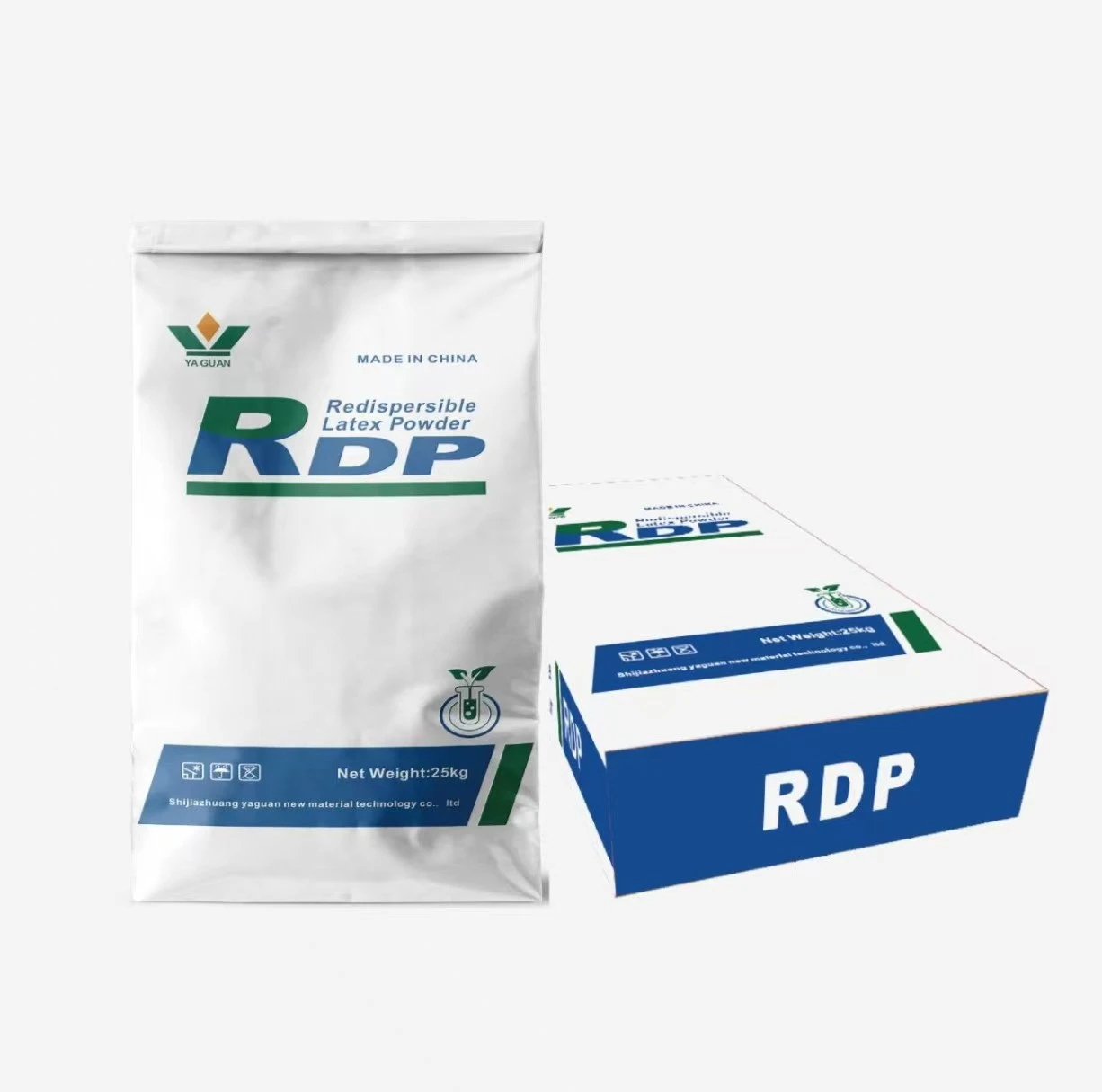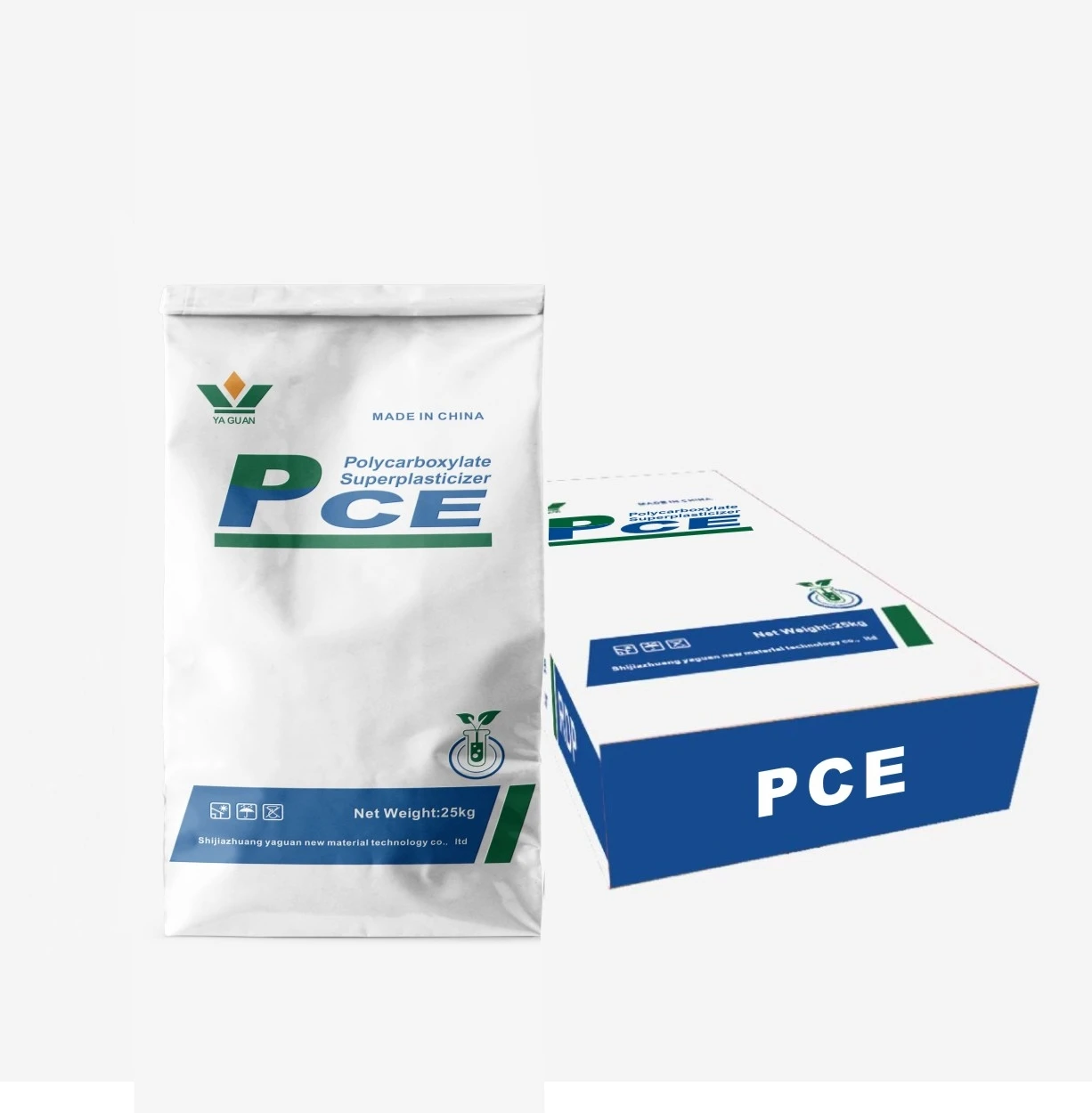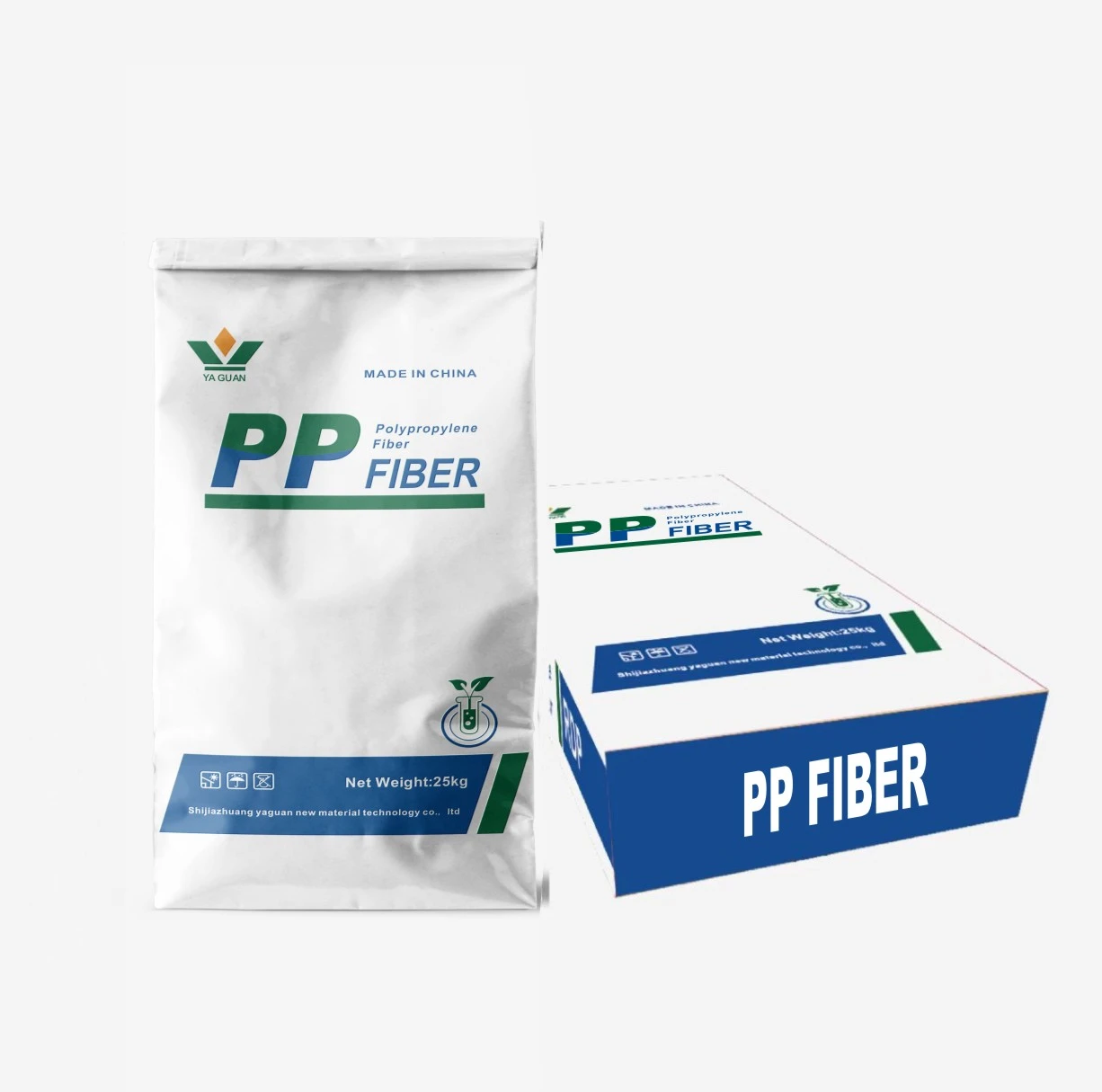

The Essential Guide to Chemical Manufacturing: Global Impact and Why It Matters
At first glance, chemical manufacturing might sound like arcane lab work tucked away in some remote industrial park. But here’s the thing: this sector underpins much of modern life — from your shampoo to fertilizers that make food grow, and even the polymers in your smartphone case. Understanding chemical manufacturing isn’t just for specialists; it’s a key to grasping how industrial progress shapes economies, environments, and everyday wellbeing across the globe.
Why should we care? Beyond the obvious industrial buzz, better knowledge here offers a pathway to solving real-world issues — resource sustainability, pollution control, public health, and more. Companies pushing on the frontier of chemical manufacturing are experimenting with cleaner processes and smarter materials. It’s an exciting space where technology meets global challenges.
chemical manufacturingWhy Chemical Manufacturing is a Cornerstone of Global Industry
The chemical manufacturing industry is colossal — it represents roughly 6% of the global manufacturing GDP, according to World Bank data. From Asia’s fast-expanding markets to Europe’s sustainable tech initiatives, chemicals are the unseen building blocks of countless other industries: automotive, agriculture, construction, and healthcare.
Despite its importance, the sector faces significant challenges. Resource depletion, waste production, and regulatory pressures push companies to rethink traditional methods. The World Economic Forum and ISO have highlighted the need for sustainable innovation in chemical manufacturing — not just as a trend but a necessity.
One pressing problem? Balancing productivity with environmental stewardship. For many nations, this means upgrading infrastructure and investing in cleaner technologies — a complex dance between economic growth and ecological responsibility.
What Exactly is Chemical Manufacturing?
Simply put, chemical manufacturing involves the industrial-scale production of chemicals through transforming raw materials like oil, natural gas, minerals, and biomass into usable products such as plastics, fertilizers, detergents, and pharmaceuticals. It’s both an art and a science of controlling reactions, processes, and engineering systems to create materials required by almost every business sector.
Its reach extends to humanitarian needs as well — consider water treatment chemicals that ensure safe drinking water, or materials that help produce vital medicines. Without chemical manufacturing, many modern conveniences and emergency relief efforts would grind to a halt.
Core Components of Effective Chemical Manufacturing
1. Scalability
One of the biggest factors — and often the trickiest — is scaling from lab discovery to mass production. You want consistent quality without skyrocketing costs. Roughly speaking, scalability determines how quickly a promising chemical process can reach full industrial output.
2. Cost Efficiency
Raw materials, energy consumption, labor, and waste disposal all impact costs. Efficient chemical manufacturing strives to minimize input without compromising safety or performance, which often involves automation and process optimization.
3. Durability & Quality Control
Chemicals, whether for coatings or pharmaceuticals, must meet rigorous standards. Continuous monitoring and testing ensure products perform reliably over time. Oddly enough, some of the most innovative production lines are essentially sophisticated quality watchdogs.
4. Environmental Impact
There’s increasing attention on reducing emissions, waste, and hazardous by-products. Green chemistry principles influence many new processes, shifting the industry closer to sustainability.
5. Flexibility & Customization
Markets want tailored substances for specific needs — from bioplastics for eco-conscious brands to specialized surfactants in cosmetics. The ability to customize while maintaining cost and safety standards drives competitiveness.
Mini takeaway: Chemical manufacturing is a detailed balancing act, where efficiency, quality, and environmental responsibility must all align.
Global Applications: Where Chemical Manufacturing Makes a Difference
- Asia-Pacific: Rapid urbanization fuels demand for polymers and construction chemicals. China and India lead large-scale production.
- North America and Europe: Focus on sustainable processes, especially in the EU’s chemical sector, due to strict environmental policies.
- Africa: Emerging industries use fertilizers to boost agriculture, supporting food security initiatives.
- Humanitarian Relief: Chemicals for water purification and sanitation in disaster zones offer practical aid — stabilizing communities rapidly.
For example, in post-disaster relief operations following floods, chemical manufacturers produce water treatment chemicals deployed on-site, restoring safe drinking water quickly. Meanwhile, remote industrial zones in South America depend on specialty chemicals to advance mining and energy sectors sustainably.
Advantages & Long-Term Value of Modern Chemical Manufacturing
On a practical level, companies gain by lowering operational costs through smarter raw material use and energy savings. For society, safer products mean fewer health risks and more durable goods. Emotionally, innovations here reassure consumers who increasingly demand eco-friendly and transparent supply chains.
Socially, reliable chemical production helps maintain job markets and industrial growth, fostering trust in manufacturing hubs. Innovations are driven not only by profits but also by a growing sense of responsibility — after all, people don’t want to inherit a polluted planet.
Shaping the Future: Trends and Innovations in Chemical Manufacturing
Looking ahead, we see a blend of automation, AI for process control, and green chemistry shaping the future. Digital twins — virtual replicas of factories — allow companies to simulate changes before real-world implementation, cutting waste and costs.
Energy-wise, many producers are adopting renewable energy sources and bio-based feedstocks, gradually moving away from fossil fuels. Circular economy principles push manufacturers to design products recyclable at end-of-life stages.
Challenges and How the Industry is Tackling Them
Challenges remain substantial. Regulatory hurdles, high initial capital investment, and complex logistics can stall new technology adoption. Plus, ensuring worker safety in hazardous environments is an ongoing concern.
Industry experts suggest integrated approaches: combining digital tools with traditional expertise to improve safety, efficiency, and compliance. Partnerships between government, academia, and business also accelerate progress toward sustainable chemical manufacturing.
Frequently Asked Questions About Chemical Manufacturing
Q1: What are the main raw materials used in chemical manufacturing?
The primary raw materials typically include petroleum, natural gas, minerals, and increasingly biomass. The choice depends on the desired chemical products and the focus on sustainability. For example, bio-based feedstocks are gaining traction as eco-friendly alternatives.
Q2: How does chemical manufacturing impact environmental sustainability?
Historically, chemical manufacturing could generate significant pollution. Today, many companies implement green chemistry principles, waste recycling, and energy-efficient processes to minimize environmental footprints and comply with stricter regulations.
Q3: Is automation common in chemical manufacturing plants?
Yes, automation is widely used to improve accuracy, safety, and productivity. Modern plants incorporate robotics, AI monitoring, and process control systems, which help reduce human error and optimize resource use.
Q4: Can customized chemical solutions be produced at scale?
Absolutely. Advances in modular process technology and flexible production lines enable manufacturers to produce tailored chemicals efficiently without sacrificing cost-effectiveness or quality.
Q5: How do international regulations affect chemical manufacturing?
Regulations vary by country but generally focus on product safety, environmental protection, and worker health. Compliance adds complexity and cost but drives innovation and global standards that benefit broader society.
Comparing Product Specifications and Vendor Options
| Specification | Typical Range | Importance |
|---|---|---|
| Production Capacity | 10,000 - 500,000 tons/year | High |
| Energy Consumption | 1,200 - 3,500 kWh/ton product | Medium |
| Waste Generation | 5-15% of input materials | High |
| Automation Level | Partially to Fully automated | Medium |
| Custom Formulations | Available on request | High |
| Vendor | Location | Sustainability Focus | Capacity | Custom Solutions |
|---|---|---|---|---|
| GreenChem Industries | Germany | High | 200,000 tons/year | Yes |
| AsiaPoly Corp | China | Medium | 500,000 tons/year | Limited |
| EcoSynth Solutions | USA | Very High | 150,000 tons/year | Yes |
Wrapping It Up: Why Keeping an Eye on Chemical Manufacturing Matters
To sum it all up: chemical manufacturing is one of those industries that quietly powers our world — and the better we understand it, the more we can appreciate its complexity and impact. From global economic growth to local food security, from innovation to sustainability efforts, it’s a field continuously evolving to meet the planet’s and humanity’s needs.
If you’re interested in learning more, or want to explore cutting-edge chemical manufacturing solutions yourself, feel free to visit our website: https://www.yaguanhpmc.com. There’s always something new around the corner — and staying informed is half the journey.