
Why Understanding Cellulose Ether Example Matters in Today’s World
If you’ve ever glanced at the label of building materials, personal care products, or even certain pharmaceuticals, you might've come face-to-face with the term “cellulose ether.” It sounds technical, doesn’t it? Yet, this family of compounds quietly powers countless industries worldwide, providing structure, stability, and sustainability where it matters most. Understanding a cellulose ether example is more than a chemistry lesson — it’s a way to appreciate how industries adapt to global demands for eco-friendly and efficient materials. Frankly, with around 10 million tons of cellulose derivatives produced annually (ISO reports), their global impact is anything but trivial. At the heart of this story lies an elegant blend of science and practicality. Learning about cellulose ether examples unlocks insight into how we solve complex challenges — from creating water-retentive mortars for construction in remote regions, to enabling gentler drug delivery in hospitals, or crafting cosmetics that are both effective and skin-friendly. As environmental concerns climb, these cellulose-based compounds answer the call for greener chemistry and renewed sustainability. ---The Global Backdrop: Why Cellulose Ether Examples Are Gaining Momentum
Around the world, industries are grappling with the need to balance performance with environmental impact. According to the United Nations Environment Programme (UNEP), the construction and personal care sectors combined release vast amounts of synthetic polymers into ecosystems every year, driving a push towards renewable alternatives. Enter cellulose ethers: derived from plant cellulose, they represent one of the most abundant natural polymers, reimagined to meet modern needs. In developing economies, the challenge is as much about durability as it is cost. Roughly 30% of global construction still relies on manual mixes that are inconsistent or wasteful. Introducing cellulose ether water retention agents, for example, helps reduce waste—a practical and economic need worldwide. Industrially, these compounds improve product quality and extend shelf life — making them global powerhouses. Issues like material degradation in humid climates, poor consistency during manufacturing, and the demand for non-toxic ingredients all hint at the range of problems cellulose ether addresses neatly — which is why it’s important to have specific cellulose ether examples in mind when considering innovative product development. ---What Is a Cellulose Ether Example, Really?
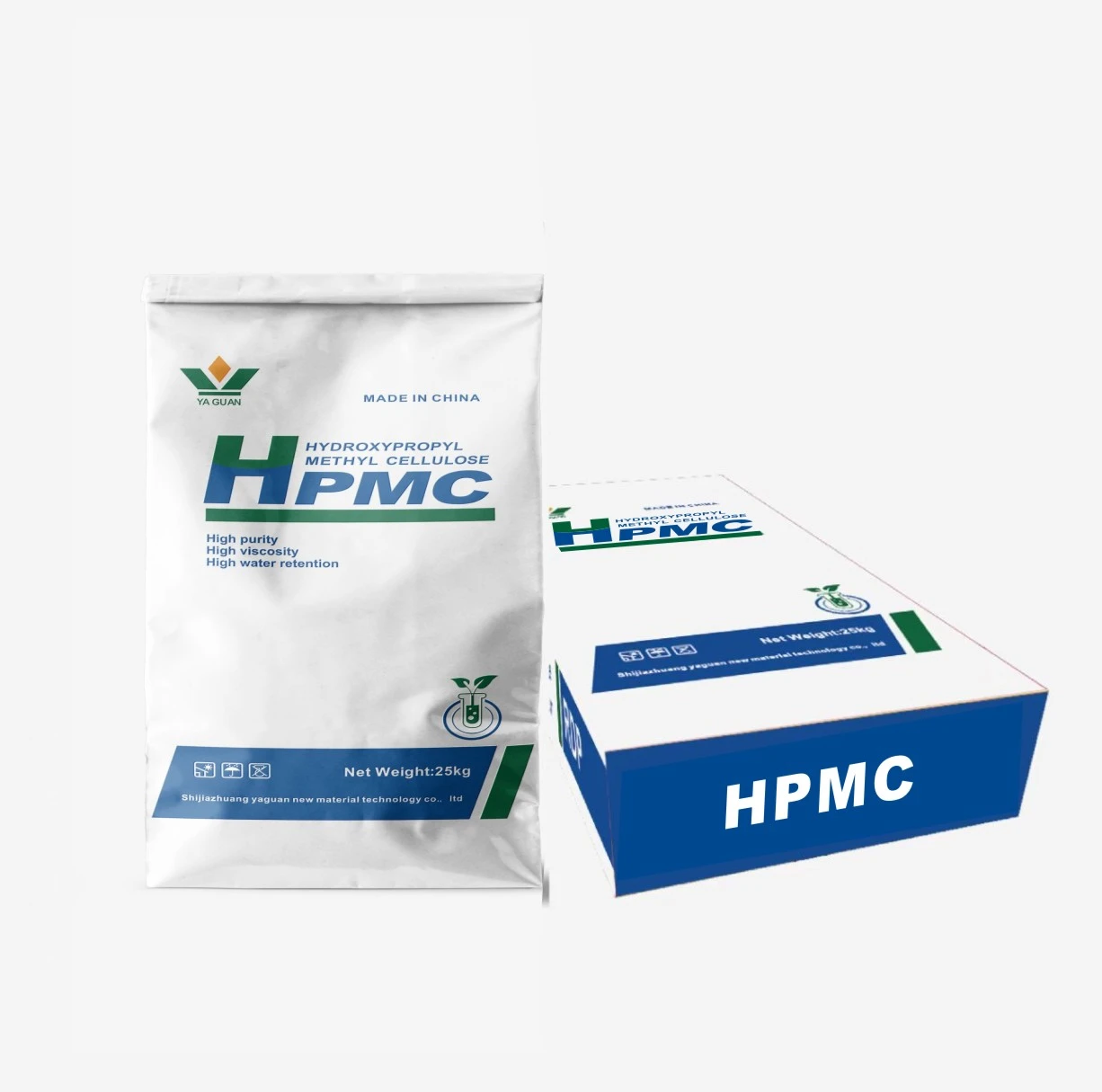
At its core, a cellulose ether example refers to the class of chemical derivatives created by substituting some hydroxyl groups in cellulose molecules with ether groups. This tweak modifies solubility and thickening properties, allowing for tailored performance in diverse applications. Think of it as cellulose’s way of donning different hats — sometimes a thickener, other times a binder, or a stabilizer. For instance, Hydroxypropyl Methylcellulose (HPMC) is a popular cellulose ether example used widely in construction as a water retention agent, and in food as an emulsifier. The versatility here is dazzling. Because these products are biodegradable, non-toxic, and derived from renewable resources, they perfectly align with the growing global emphasis on sustainable industry. So, cellulose ether examples bridge the gap between nature’s generosity and industrial sophistication — enabling products that are cost-efficient without compromising environmental responsibility. ---Core Components Behind the Magic
1. Water Retention
It’s almost magical how cellulose ethers hold water in cement or plaster mixes, maintaining workability longer than traditional mixes. This feature is vital where water is scarce or drying conditions are rapid, improving efficiency on site.2. Thickening and Binding
Many lotions, paints, and adhesives hinge on the rheological properties cellulose ethers provide. They give thickness without heaviness and stick things together without unpleasant residues.3. Solubility & Versatility
Depending on the substitution group (methyl, ethyl, hydroxypropyl, etc.), cellulose ethers dissolve in cold or hot water, or even form gels. This customizability means they fit varied formulations across industries.4. Biodegradability
Unlike some synthetics, these materials readily break down in nature, reducing long-term environmental footprints.5. Safety & Non-toxicity
For pharmaceutical and food uses, cellulose ethers are generally recognized as safe (GRAS), which is a big relief for formulators. Mini Takeaway: Cellulose ether examples excel because they’re adaptable, environmentally conscious, and economically viable — qualities essential for modern industry. ---Real-World Applications You May Not Have Noticed
Cellulose ether examples aren’t just lab innovations; they touch everyday life globally: - Construction: In Asia, where rapid urbanization demands fast yet durable building, cellulose ethers improve plaster water retention and reduce cracking. For example, in monsoon-prone regions, this means longer-lasting walls. - Pharmaceuticals: Tablet coatings use HPMC as a controlled-release agent, ensuring medicines dissolve at the right pace. - Cosmetics & Personal Care: European brands utilize methylcellulose in shampoos and creams for consistency without harsh chemicals. - Food Industry: Cellulose ethers stabilize emulsion sauces or thicken dairy products — promoting texture and shelf-life without synthetic additives. - Post-disaster Relief: NGOs use cellulose ether-based cement additives to construct durable, rapid-deploy housing units that can withstand environmental stress. Globally, manufacturers like those in the USA, China, and Germany dominate production, but smaller regional producers tailor cellulose ether examples for local needs — showing the versatility and reach of these materials. ---Advantages & Long-Term Value of Using Cellulose Ether Examples
In practical terms, cellulose ether examples deliver: - Cost Efficiency: Reduced material waste and improved fabrication speeds. - Sustainability: Made from renewable cellulose sources, contributing to a circular economy. - Safety & Trust: Approved for sensitive uses — children’s skincare, food, and medicines. - Reliability: Consistent quality enhances consumer and industry confidence. - Emotional Impact: Products feel “natural” and trustworthy, tapping into rising consumer preferences for green products. Imagine an adhesive that bonds strongly yet is easy to remove without harsh chemicals — that’s cellulose ether’s promise in action. ---Looking Ahead: Innovations on the Horizon
The future of cellulose ether examples runs deep into greener chemistry and digital manufacturing. Some trends to watch: - Nano-cellulose Integration: Improving strength and reducing weight for aerospace or automotive. - 3D Printing: Tailored cellulose ether inks for bio-printing or custom construction materials. - Smart Packaging: Cellulose-based films with smart release properties. - Policy Pushes: Governments increasingly endorse biodegradable materials, opening fresh markets. - Automated Production: AI-enabled quality control for consistent batch manufacturing. Such innovations hint at a cellulose ether future that’s smarter, cleaner, and more connected. ---Challenges and How the Industry Tackles Them
Nothing’s perfect, and cellulose ethers have their hurdles. - Cost of Purification: High purity needed for pharmaceuticals drives costs. - Performance Variability: Different sources of cellulose can lead to inconsistent batches. - Regulatory Barriers: Changing laws on biodegradability add complexity. - Supply Chain Stability: Raw material sourcing depends on agriculture, vulnerable to climate. Experts are addressing these via novel enzyme treatments to enhance purity, tighter supply chain management, and advanced analytical methods to ensure product uniformity. ---FAQ: Common Questions About Cellulose Ether Example
Q1: How does cellulose ether improve construction materials?A: By retaining water in cement and plaster mixes, cellulose ethers improve workability and prevent premature drying, which enhances strength and durability on job sites with tough weather conditions. Q2: Are cellulose ethers safe in food and pharma?
A: Yes, they are generally recognized as safe (GRAS) and widely used as thickeners, stabilizers, and slow-release coating agents in these sectors, with excellent safety profiles. Q3: Can cellulose ethers be considered eco-friendly?
A: Absolutely. Derived from natural cellulose and biodegradable, they reduce dependence on petroleum-based polymers and minimize environmental impact. ---
In Closing: Why Investing Time in Cellulose Ether Examples Pays Off
Understanding cellulose ether examples is more than academic curiosity; it’s about recognizing a vital component influencing sustainability, cost-efficiency, and innovation across industries worldwide. These compounds elegantly unite natural abundance with advanced engineering — offering durable, safe, and greener solutions for the future. If you want to explore cutting-edge cellulose ether applications or need tailored solutions, I highly recommend visiting cellulose ether example for in-depth resources and supplier connections. ---Product Specification Table: Example of a Hydroxypropyl Methylcellulose (HPMC)
| Specification | Typical Value |
|---|---|
| Appearance | Off-white powder |
| Methoxy Content (%) | 19.5 – 24.5 |
| Hydroxypropyl Content (%) | 4.0 – 12.0 |
| Viscosity (cP, 2% solution) | 1000 – 15000 |
| pH (2% solution) | 5.0 – 8.5 |
| Water Retention (%) | ≥ 70 |
Vendor Comparison Table: Cellulose Ether Suppliers
| Vendor | Product Range | Global Reach | Sustainability Focus | Pricing |
|---|---|---|---|---|
| Yagua Chemical | Wide range (HPMC, MC, CMC) | Asia, Americas, Europe | High – certified eco-friendly | Competitive |
| Dow Chemical | Specialized cellulose ethers | Global | Medium – sustainability initiative ongoing | Premium |
| CP Kelco | CMC, HPMC blends | North America, Europe | High – bio-based raw materials | Moderate |