What Are Cellulose Ether Uses and Why Do They Matter Globally?
Cellulose ethers might sound like a bit of a mouthful, but their uses touch countless parts of our daily life and industry. From construction materials to food processing, this versatile group of compounds forms a backbone in modern manufacturing. Understanding cellulose ether uses is not just a technical curiosity—it’s key to innovations in sustainability, quality, and efficiency worldwide.
Globally, industries grapple with challenges from environmental concerns to cost pressures. Cellulose ether derivatives help alleviate some of those by offering biodegradable, versatile, and cost-effective functional additives. Oddly enough, while their chemistry dates back decades, their application keeps evolving — a sort of quiet hero in progress stories everywhere.
An Industry Perspective: The Global Relevance of Cellulose Ether Uses
According to data from the United Nations and the Food and Agriculture Organization, over 50% of cellulose ether demand comes from construction and personal care industries. The World Bank notes that in emerging economies, affordable, durable building materials are critical for infrastructure growth, and cellulose ethers contribute significantly by improving material properties at low cost.
But there’s a deeper challenge too — many industries face strict environmental regulations (ISO 14001 and others), pushing manufacturers toward sustainable additives. Cellulose ethers, derived primarily from cellulose (the earth’s most abundant organic polymer), fit that bill better than many synthetic alternatives. So, whether you're mixing drywall or whipping up gluten-free bread, these compounds are quietly shaping solutions.
Defining Cellulose Ether Uses in Simple Terms
At its heart, cellulose ether is a chemically modified form of cellulose, made water-soluble by replacing hydroxyl groups with ether groups. This tweak alters its physical properties, making it a wonderful thickener, stabilizer, emulsifier, or binder – think of it as a master multitasker in material science.
The term “cellulose ether uses” generally refers to all the ways these modified celluloses enhance products — from thickening paint while preventing it from dripping to improving the texture of vegan meats. They’re even used in pharmaceuticals as a tablet binder and controlled-release agent. So in some ways, cellulose ethers are bridges between raw natural materials and high-tech applications.
Key Attributes That Define Cellulose Ether's Versatility
1. Water Retention and Binding
Many engineers swear by cellulose ethers for their remarkable ability to retain water. In concrete, for example, they slow moisture loss, preventing early cracking. In food, they help keep things moist without altering flavor – a win-win for both taste and structure.
2. Thickening and Rheology Control
Handling liquids can be tricky. Cellulose ethers control viscosity smoothly, making paints easier to brush or keeping cosmetic creams from running all over the place. This "rheology control" might seem like jargon, but it’s the difference between a product that feels cheap and one you actually enjoy using.
3. Temperature and pH Stability
Unlike some additives, cellulose ethers hold together across a wide range of temperatures and pH levels. This resilience means they work in everything from acidic beverages to building materials exposed to winter freeze-thaw cycles.
4. Compatibility & Safety
They generally mesh well with other ingredients and meet various food and pharmaceutical-grade certifications, making them a trusted choice for sensitive applications.
Mini Takeaway
Cellulose ethers do a balancing act between performance and safety — a compelling mix that explains why their uses are so varied and growing.
Global Applications: Where Cellulose Ethers Really Shine
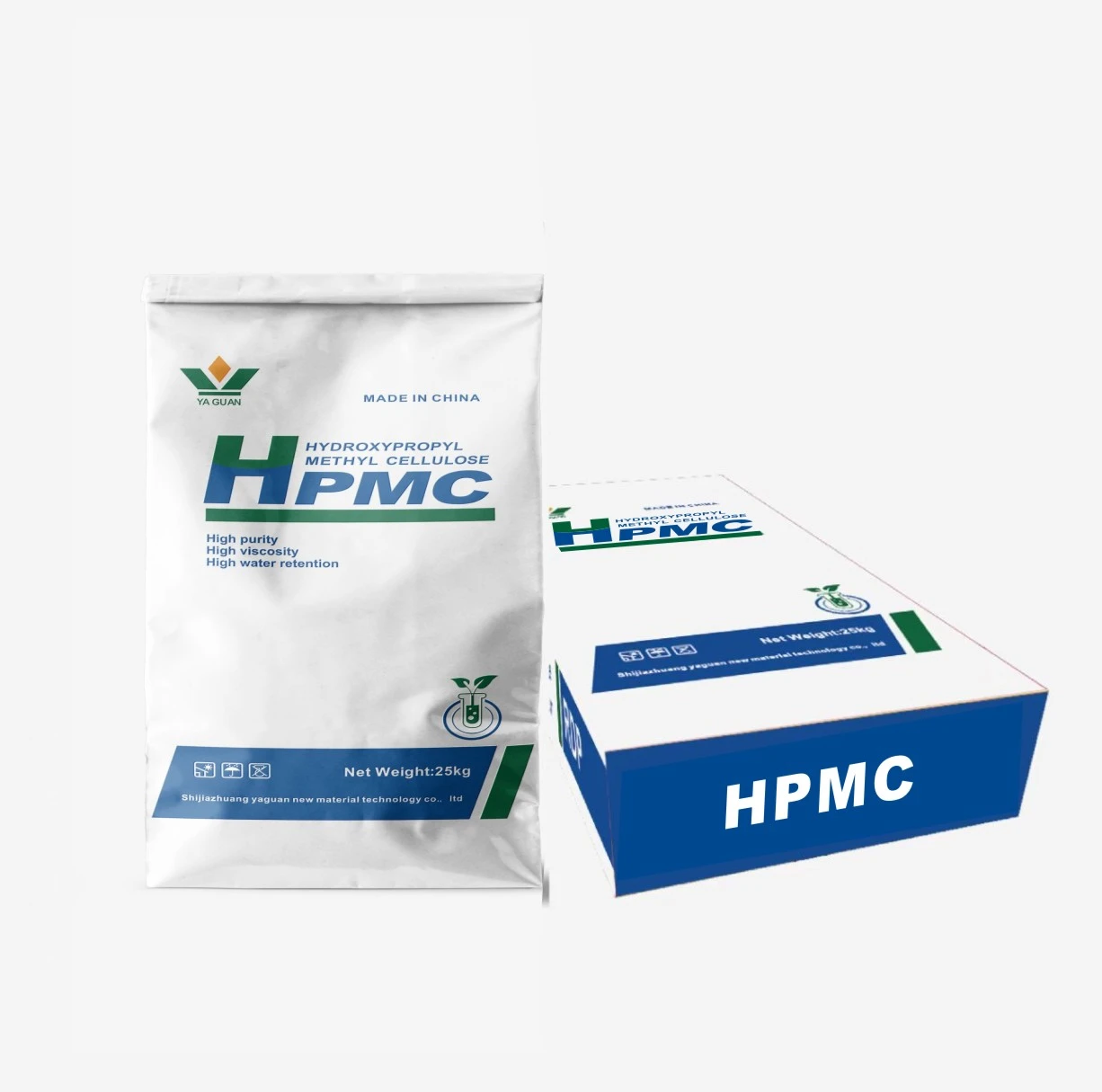
If you’re wondering where in the world these celluloses make a big splash, the answer is pretty much everywhere. Construction materials in Europe and Asia frequently incorporate hydroxypropyl methylcellulose (HPMC) to boost durability and ease of application. In North America, personal care products like shampoos and lotions count on methylcellulose for gentle texture.
Disaster relief operations increasingly use cellulose-based products in fast-drying plasters and repair mortars — a real lifesaver when conventional materials are not readily available. Meanwhile, plant-based food producers use cellulose ethers to mimic egg whites or gluten, helping people with allergies enjoy safe alternatives.
This global footprint is only expanding. Countries in Africa and South America looking to develop affordable housing or improve sanitation infrastructure benefit from cellulose ether’s reliable performance and cost efficiency.
Advantages That Go Beyond the Surface
- Cost Efficiency: Often cheaper than synthetic counterparts, reducing manufacturing expenses without sacrificing quality.
- Sustainability: Made from renewable resources, with biodegradable profiles.
- Improved Safety: Non-toxic and widely approved for food and pharma applications.
- Enhanced Product Performance: Better texture, stability, and shelf life.
- Social Impact: Facilitates development of affordable building materials, thereby supporting economic growth.
In real terms, these benefits create a kind of ‘trust factor’ — manufacturers know that incorporating cellulose ethers reliably improves their product, while end-users enjoy better quality and safety.
Product Specification Table: Typical Cellulose Ether Grades
| Grade | Type | Viscosity (mPa·s) | Water Retention (%) | Common Uses |
|---|---|---|---|---|
| HPMC 4000 | Hydroxypropyl Methylcellulose | 4000 | 85 | Cement additives, Tile adhesives |
| MC 15000 | Methylcellulose | 15000 | 70 | Pharmaceuticals, Food thickening |
| CMC 900 | Carboxymethyl Cellulose | 900 | 80 | Food stabilizer, Paper industry |
Vendor Comparison: Leading Suppliers of Cellulose Ethers
| Vendor | Global Reach | Product Range | Sustainability Initiatives | Typical Industries Served |
|---|---|---|---|---|
| Yaguan HPMC | Asia, Europe, Americas | Broad (HPMC, MC, CMC) | Eco-friendly sourcing, Waste minimization | Construction, Pharma, Food |
| Ashland | Global | Extensive specialty ethers | Sustainability reporting, Circular economy goals | Personal Care, Coatings, Food |
| DOW Chemical | Global | Specialty ethers with tailored specs | Green chemistry initiatives | Construction, Oil & Gas, Food |
Looking Forward: Emerging Trends and Innovations
The future of cellulose ether uses is tightly intertwined with green chemistry and digital transformation. New biosynthetic routes aim to reduce environmental footprints even more, while automation in production ensures consistent quality and scalability. Oddly enough, some researchers are exploring cellulose ether-based hydrogels for wound dressings — a medical application that could reshape healthcare recovery.
Additionally, as the circular economy gains traction, expect cellulose ether manufacturers to innovate in biodegradable packaging and replace petroleum-derived polymers. Cellulose ether uses are no longer just industrial additives but vital links in sustainable supply chains.
Obstacles and Practical Solutions
Of course, no material is perfect. Challenges include variability in raw cellulose quality due to agricultural supply changes and sensitivity to microbial attack in some formulations. You’ll also find price fluctuations linked to global cellulose supply-demand shifts.
Industry experts recommend rigorous quality control protocols and multi-sourcing strategies to mitigate these issues. Advances in enzymatic purification and cellulose cultivation may ease quality concerns down the line. Also, product stabilization techniques—like combining cellulose ethers with preservatives—enhance shelf life without compromising safety.
FAQ: Your Questions About Cellulose Ether Uses Answered
1. What industries benefit most from cellulose ether additives?
Cellulose ethers are widely used in construction (for cement and adhesives), food industries (as thickeners and stabilizers), pharmaceuticals (tablet binders), and personal care products (creams and shampoos). Their versatility makes them indispensable across many sectors.
2. Are cellulose ethers safe for food and pharmaceutical applications?
Yes, most cellulose ethers used in food and pharma meet strict regulatory approvals like FDA and EFSA certifications. Their non-toxic and hypoallergenic nature makes them safe and reliable additives.
3. How do cellulose ethers improve construction materials?
They enhance water retention, workability, and binding strength, reducing cracking and improving durability. This results in longer-lasting, more stable building materials.
4. Can cellulose ethers be considered environmentally friendly?
Generally, yes. Since they are derived from renewable plant fibers and are biodegradable, cellulose ethers are viewed as sustainable alternatives to many synthetic additives.
5. What is the difference between methylcellulose and hydroxypropyl methylcellulose?
Methylcellulose is a basic cellulose ether with thickening and stabilizing qualities, while hydroxypropyl methylcellulose (HPMC) has additional hydroxypropyl groups, offering better water retention and heat resistance, especially useful in construction.
Wrapping It Up: Why Cellulose Ether Uses Are Here to Stay
Cellulose ether uses cut across multiple industries and geographies, helping solve practical problems while enabling sustainable progress. If you’re in manufacturing, construction, food science, or pharmaceuticals, understanding these additives is increasingly important.
For reliable products that balance cost, performance, and eco-credentials, cellulose ethers remain a top choice. Curious for more details or specific product lines? Visit our website to explore cutting-edge solutions and expert guidance.