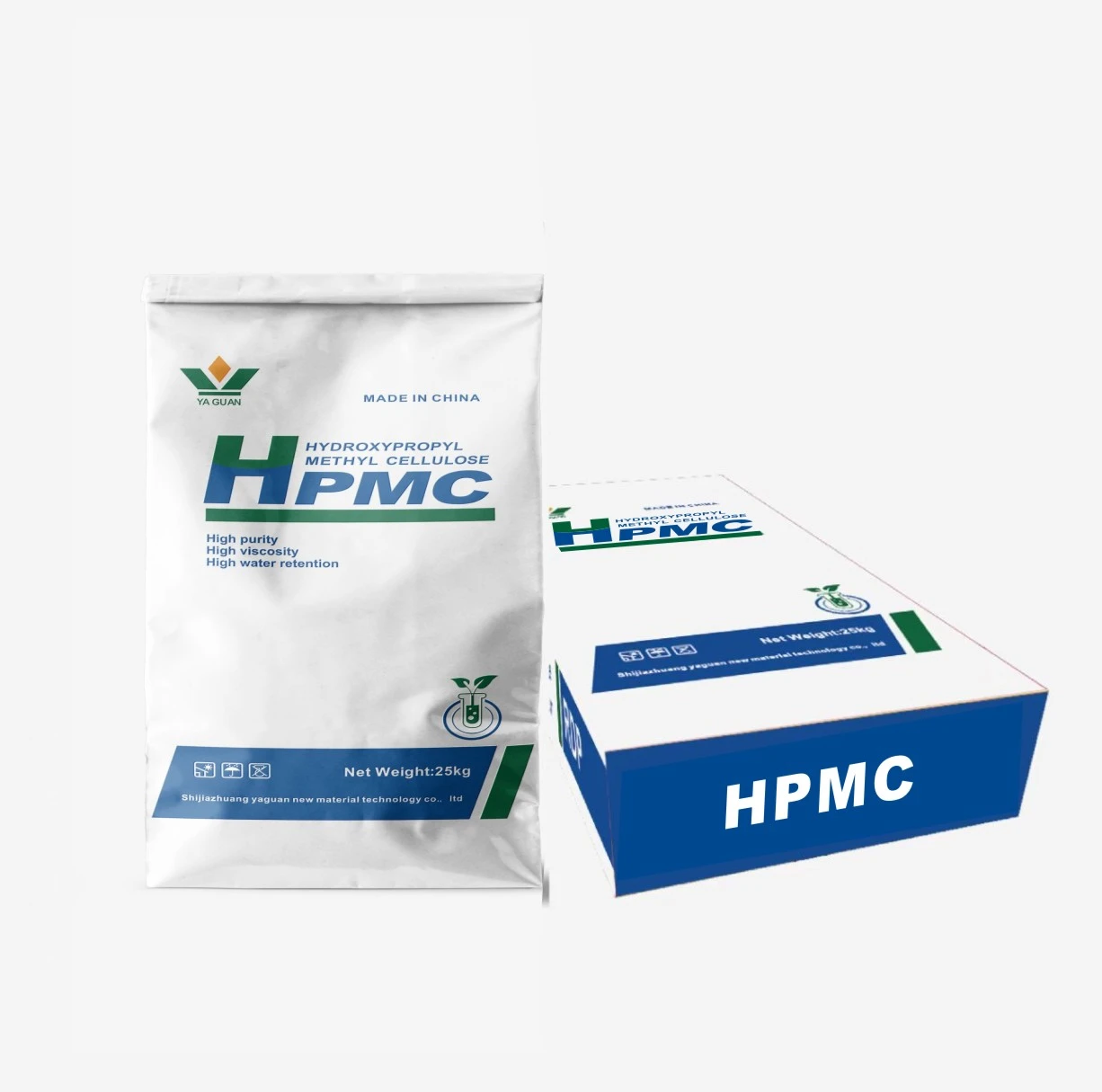

Unlocking the Potential of CMC Tylose: A Global Perspective
If you’ve ever glanced at product labels or industrial specs and spotted “CMC Tylose,” you might have wondered just what it really is — and why it matters so much in industries worldwide. At its core, CMC Tylose is a key ingredient that plays a surprisingly large role in areas from pharmaceutical formulations to construction, paper manufacturing, and even food production.
Why is it globally relevant? Because amid the push for sustainable, efficient, and high-performance materials, understanding something like CMC Tylose provides a crucial edge — whether you're enhancing product durability or addressing environmental challenges. Plus, its versatility means it’s not just a niche chemical; it's often the secret behind innovations you barely notice but rely on daily.
The Global Importance of CMC Tylose in Industry
Globally, industries are under constant pressure to modernize while maintaining environmental responsibility — and cmc tylose fits right into this conversation. According to ISO standards and reports from the UN Environment Programme, cellulose derivatives like CMC (carboxymethyl cellulose) have grown in demand by roughly 7% annually over the past decade, especially given their biodegradable nature and multifunctional properties.
This growth correlates with sectors requiring improved moisture retention, viscosity control, and binding agents without synthetic polymers' environmental baggage. The World Bank’s recent industrial material usage data reflects this trend, noting increased consumption in Asia-Pacific and Europe, largely driven by pharmaceutical and construction booms.
Yet, one challenge remains: how to scale these materials sustainably and cost-effectively without compromising quality. That’s where CMC Tylose shines — a relatively cost-efficient, eco-friendly additive that tackles significant industrial demands.
What Exactly Is CMC Tylose?
Put simply, CMC Tylose is a trade name for a type of cellulose ether — basically, a modified natural polymer derived from cellulose (think: plant fibers). Unlike raw cellulose, CMC is water-soluble, offering thickening, stabilizing, and film-forming properties that make it invaluable in many formulations.
In more practical terms, this means industries can use CMC Tylose to:
- Control viscosity in liquids and pastes
- Bind particles together in powders or tablets
- Improve moisture retention and texture
Its link to modern industry is almost invisible but essential — whether providing the smooth texture in your toothpaste, stabilizing a paint formula, or helping bricks stay intact during curing.
Core Aspects of CMC Tylose and Why They Matter
1. Viscosity Control
Many formulators swear by CMC Tylose’s ability to adjust the thickness of liquids predictably. Whether it’s a cream, adhesive, or slurry, managing flow is crucial for application and quality. Oddly enough, it can thicken without creating unwanted stickiness.
2. Water Retention Capacity
This property is especially vital in construction materials. For example, in plaster or mortar, CMC Tylose helps retain moisture longer, which improves curing times and final strength. Think of it as a moisture manager that prevents premature drying.
3. Binding and Film-Forming
It acts as a glue of sorts — holding powders in tablets or creating protective films in coatings. This improves product integrity and longevity.
4. Non-Toxic & Biodegradable
CMC Tylose is derived from natural cellulose, so it doesn’t bring harmful residues or microplastics into ecosystems. This aligns perfectly with increasing global regulations around sustainability.
5. Thermal Stability
In processes with temperature variation, CMC Tylose tends to remain stable, maintaining its properties without degrading quickly.
Practical Applications Across the Globe
The reach of CMC Tylose spans numerous industries and regions. Here are a few real-world examples:
- Construction: In Europe and North America, it's widely used in drywall joint compounds and tile adhesives to improve workability and water retention.
- Pharmaceuticals: Across Asia, companies use CMC Tylose in tablet coatings and suspensions — ensuring controlled release and stability of medicines.
- Food: In the Middle East and Africa, it serves as a thickener and stabilizer in sauces and gluten-free bakery items.
- Paper & Cosmetics: In South America, manufacturers add it to improve texture, smoothness, and coat strength.
Oddly enough, during post-disaster infrastructure rebuilds — especially in remote industrial zones — CMC Tylose-enhanced mortar can dramatically speed repair times while maintaining durability, a fact many engineers depend on in harsh conditions.
| Specification | CMC Tylose Grades | Typical Values |
|---|---|---|
| Viscosity (cP, 2% solution, 20°C) | MT 10000 | 7500 – 12000 |
| pH (1% solution) | MT 15000 | 6.0 – 8.0 |
| Degree of Substitution (DS) | Typical Range | 0.7 – 1.2 |
| Ash Content (%) | All Grades |
Comparing Major Vendors of CMC Tylose
| Vendor | Product Range | Global Reach | Sustainability | Pricing |
|---|---|---|---|---|
| Tylose GmbH | Wide - MT series | Europe, Asia | High - bio-derived | Mid to Premium |
| Ashland Inc. | Diverse specialty grades | Global | Moderate | Competitive |
| CP Kelco | Focus on pharma, food | Americas, Europe | Strong green initiatives | Mid-range |
What Are the Advantages and Long-Term Value of Using CMC Tylose?
In real terms, companies adopting CMC Tylose often report:
- Cost Savings: Lower waste and improved raw material efficiency.
- Sustainability: Biodegradable and sourced from renewable cellulose.
- Performance Reliability: Enhanced shelf-life and product consistency.
- Social Impact: Safer chemical profiles align with health regulations and consumer demands.
Many engineers say the peace of mind knowing your product’s structure won’t fail unexpectedly is priceless. Add to that the subtle satisfaction of choosing a greener ingredient — it really brings innovation and conscience together.
Emerging Trends and Innovations Around CMC Tylose
With sustainability taking center stage, emerging developments focus on:
- Green Chemistry Upgrades: Methods to reduce energy usage during CMC synthesis.
- Nanocellulose-Blended CMC: To boost strength and add novel functional properties.
- Automated Production Controls: Ensuring tighter batch-to-batch consistency.
- Digital Quality Assurance: Advanced analytics applied to monitor viscosity and purity real-time.
Frankly, CMC Tylose’s future seems intertwined with a smarter, greener industrial ecosystem — which, oddly enough, makes it even more fascinating than it sounds.
Addressing Challenges and Practical Solutions
No product is perfect. CMC Tylose faces a few hurdles, such as:
- Moisture Sensitivity: Improper storage can lead to clumping or degradation.
- Variability: Slight batch-to-batch viscosity variations may affect product formulation if unchecked.
- Compatibility Issues: May require testing with other additives for optimal performance.
But solutions abound — modern packaging with moisture barriers, improved manufacturing controls, and collaborative R&D between suppliers and clients ensure these problems shrink continuously.
FAQ: Frequently Asked Questions About CMC Tylose
- What industries benefit the most from CMC Tylose?
- Pharmaceutical, construction, food, and cosmetics industries widely rely on CMC Tylose for its viscosity control, binding, and moisture-retention properties.
- Is CMC Tylose safe and environmentally friendly?
- Yes, it is derived from natural cellulose, biodegradable, and generally regarded as safe for use in food and pharma products, aligning with green regulatory standards worldwide.
- How does CMC Tylose improve construction materials?
- It retains water in mortar and plaster, lengthening drying time, enhancing strength, and improving workability which benefits construction quality and durability.
- Can CMC Tylose be customized to fit specific applications?
- Absolutely. Various grades with differing viscosity and substitution degrees allow formulators to tailor performance for precise needs.
- Where can I find reliable suppliers of CMC Tylose?
- Leading global suppliers include Tylose GmbH, Ashland Inc., and CP Kelco. Their websites offer detailed product portfolios and regional contacts.
Conclusion: Why Understanding CMC Tylose Pays Off
In the grand scheme, embracing CMC Tylose means tapping into a material that quietly supports innovation, sustainability, and quality across the globe. Its numerous benefits — from better product textures to environmental compatibility — make it a smart choice for industries ready to meet tomorrow’s challenges.
Feeling inspired? Visit https://www.yaguanhpmc.com to explore high-quality CMC Tylose products tailored to your industry’s needs.
1. ISO - International Organization for Standardization: https://www.iso.org/
2. United Nations Environment Programme (UNEP): https://www.unep.org/
3. World Bank Industrial Data: https://data.worldbank.org/indicator