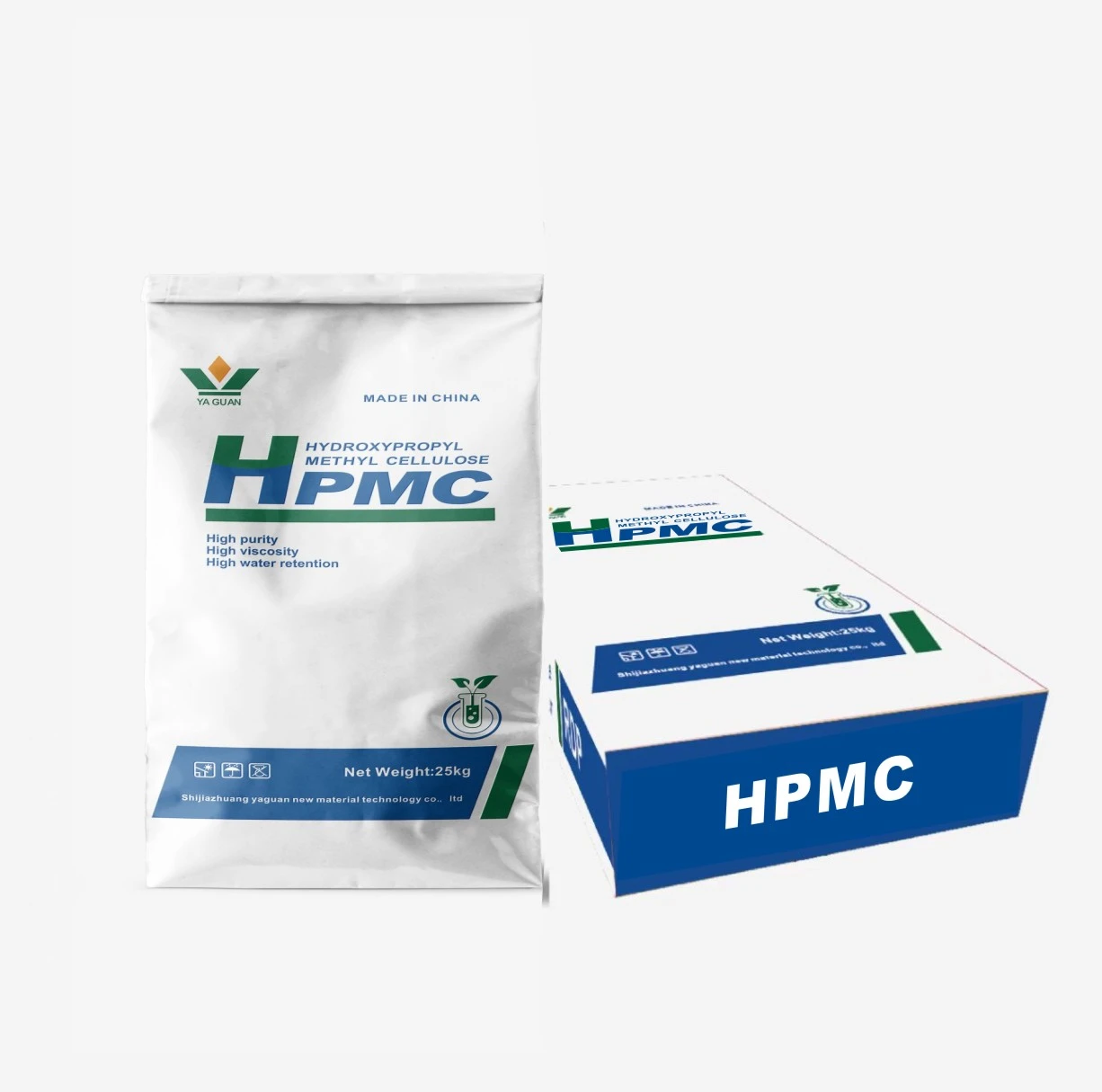
Understanding HPMC Types: Why It Matters Globally
You might’ve heard the term
HPMC types tossed around in construction or pharmaceutical circles, but what’s the big deal? In short, HPMC—hydroxypropyl methylcellulose—is a versatile cellulose-based polymer that you’ll find everywhere from wall paints to drug tablets, even in food packaging. So knowing about the different types of HPMC isn't just academic—it influences everything from how durable a building is to how safe a medicine behaves in your body.
Globally, industries strive for materials that are not only effective but sustainable and scalable. The variations in HPMC address these demands cleverly, making a good understanding of them a powerful tool for engineers, formulators, and environmental strategists around the world.
---
The Global Context: Why HPMC Types Are More Relevant Than Ever
According to UN data, sustainable industrial materials are expected to increase in demand by over 30% through 2030 as developing economies ramp up infrastructure projects. Interestingly, cellulose derivatives like HPMC align perfectly with the ISO’s push on green material standards.
Yet, industries face perennial problems—improper material choices lead to higher costs, waste, and even safety hazards. By selecting the right
HPMC types, manufacturers can tailor viscosity, film-forming properties, or water retention capabilities to exact needs, mitigating such challenges.
For instance, the pharmaceutical sector sees roughly 40% of tablet coatings featuring some form of HPMC worldwide, highlighting its importance in product safety and efficacy.
---
What Exactly Are HPMC Types? A Simple Definition
At its core, HPMC (hydroxypropyl methylcellulose) is a chemically modified cellulose derived from wood pulp or cotton fibers. There isn’t just a “one-size-fits-all” here—HPMC comes in a variety of types depending on its substitution levels and molecular weight, which influences physical properties like solubility and viscosity.
Think of HPMC types as siblings that look similar but behave differently under heat, moisture, or pressure—useful if you want a thickening agent in a paint or a robust binder in a tablet.
This adaptability connects closely to modern industrial demands—from humanitarian relief shelters requiring quick-drying, durable construction mortars to cosmetic creams that need gentle texture with controlled water release.
---
Key Factors Setting HPMC Types Apart
1. Viscosity and Solubility
Different HPMC grades influence a solution's thickness dramatically. For example, lower-viscosity types dissolve quicker for smooth coatings, while higher-viscosity grades create more gel-like, adhesive properties for construction use.
2. Thermal Stability
Some HPMC variants withstand higher temperatures without breaking down, essential for food processing or pharmaceutical sterilization.
3. Film-forming Ability
A good film-forming type results in smoother, uniform layers — invaluable in tablet coatings or paint formulations where appearance and protection matter.
4. Water Retention
This describes how effectively the HPMC holds moisture. For mortar applications, this can mean extended workability times — crucial in hot climates or emergency builds.
5. Substitution Patterns
Chemical substitutions in the cellulose backbone define many of these traits and differentiate one HPMC type from another. Adjustments here fine-tune everything from clarity to adhesion.
---
HPMC Types in Real-World Applications: A Worldwide Tour
If you think about it, HPMC is quietly working in many corners of the globe. Construction companies in Africa and Southeast Asia use certain types to produce fast-setting plasters that stabilize post-disaster housing. Meanwhile, European pharmaceutical giants favor specialized HPMC grades for extended-release tablets that make medications safer and more effective.
In food industries, especially in North America and Australia, HPMC types enhance the shelf life and texture of gluten-free products. Even cosmetic brands increasingly wield them in skin lotions to handle moisture balance and texture refinement.
To put a face on it: in a recent flood recovery project in the Philippines, engineers selected an HPMC type enabling quick-setting mortar with excellent water retention, allowing shelters to be habitable faster—even during rainy spells.
Mini takeaway: Understanding the diverse roles of
HPMC types in various industries around the world helps you appreciate how a single polymer can literally impact global health, safety, and economic progress.
---
Product Specification Table: Common HPMC Grades
| Specification |
Viscosity (mPa·s) |
Solubility Temp. (°C) |
Primary Use |
| HPMC Low Viscosity |
5-20 |
60-70 |
Pharma coatings, paints |
| HPMC Medium Viscosity |
50-100 |
50-60 |
Construction mortars |
| HPMC High Viscosity |
200-400 |
45-55 |
Extended-release drugs, adhesives |
---
The Long-Term Advantages of Using the Right HPMC Types
There’s a lot to unpack here. For starters, choosing the correct
HPMC type saves money over the long haul by reducing waste and improving product lifespan. It’s sustainable too—since HPMC is derived from renewable cellulose, it echoes the global push toward greener materials (reference ISO 14001 on Environmental Management).
Emotionally, it invokes trust. Imagine a patient relying on a medicine that dissolves as expected or a family knowing that their shelter won’t crumble during heavy rains. These materials ensure reliability and dignity, far from just cold chemistry.
Innovation also rides on the back of HPMC. By tweaking types, companies innovate in areas like drug delivery or eco-friendly paints — contributions that ripple far beyond immediate use.
---
Facing Challenges: What Holds Back Better Use of HPMC Types?
It’s not all sunshine. Variability in raw material quality, processing complexities, and cost inconsistencies sometimes make HPMC less than ideal, especially in low-resource settings. Several engineers report challenges in balancing viscosity and solubility without compromising other physical properties.
The solution? Research labs are working on improving standardization and developing hybrid materials mixing various HPMC types with other polymers, producing tailor-made blends. Digitally controlled manufacturing processes also help maintain consistency in performance.
---
Vendor Comparison: Leading Suppliers of HPMC Products
| Vendor |
Product Range |
Region Served |
Certification |
Typical Lead Time |
| Yaguan HPMC Co. |
Low to High Viscosities |
Worldwide |
ISO 9001, GMP |
2-3 weeks |
| CelluChem Ltd. |
Specialty Pharma Grades |
Europe, Asia |
FDA Approved |
3-4 weeks |
| GreenPolymers Inc. |
Eco-focused Blends |
North America |
ISO 14001 |
1-2 weeks |
---
Frequently Asked Questions About HPMC Types
- Q1: How do I select the right HPMC type for my product?
- A: Start with your application’s viscosity and thermal requirements. For fast-drying coatings, low-viscosity HPMC works best. For mortar or adhesive formulations, choose medium to high-viscosity grades with strong water retention. Consulting technical datasheets or talking to suppliers like Yaguan HPMC Co. can help.
- Q2: Can HPMC be used in environmentally sensitive areas?
- A: Absolutely. Since HPMC is cellulose-based, it’s biodegradable and sourced from renewable fibers, making it ideal for sustainability-focused projects. Some specialized eco-focused blends further enhance these attributes.
- Q3: Are there limitations to the shelf life of HPMC types?
- A: When stored in dry, cool conditions, HPMC can last several years. But exposure to moisture or heat may degrade properties. Most suppliers provide shelf-life data on packaging to guide storage.
- Q4: Is it possible to customize HPMC blends for unique industrial needs?
- A: Yes. Many manufacturers offer custom blending services to tailor viscosity, thermal stability, or film properties, helping engineers meet precise formulation demands.
- Q5: How do global regulations affect the use of HPMC types?
- A: Regulations vary but generally embrace HPMC due to its safety profile. Still, pharma or food applications require compliance with GMP and FDA guidelines, so verify certifications with your vendor.
---
Wrapping Up: The Long-Term Value of Knowing Your HPMC Types
If you take away one thing from this, it’s that the world of
HPMC types isn’t just technical mumbo jumbo—it affects industries pivotal to human well-being, from building shelters in disaster zones to ensuring drugs work as they should. Picking the right type means controlled quality, cost savings, and better sustainability.
Looking ahead, material scientists are exploring new substitutions and biotech approaches that could make HPMC variants even more specialized and eco-friendly. It’s an exciting space if you’re involved in product design or environmental planning.
For anyone wanting to dive deeper or source reliable materials, I recommend visiting
Yaguan HPMC. They have a broad portfolio and a reputation for quality that many engineers trust worldwide.
---
References
- Wikipedia - Hydroxypropyl Methylcellulose
- ISO Standards on Environmental Management
- United Nations Sustainable Development Data