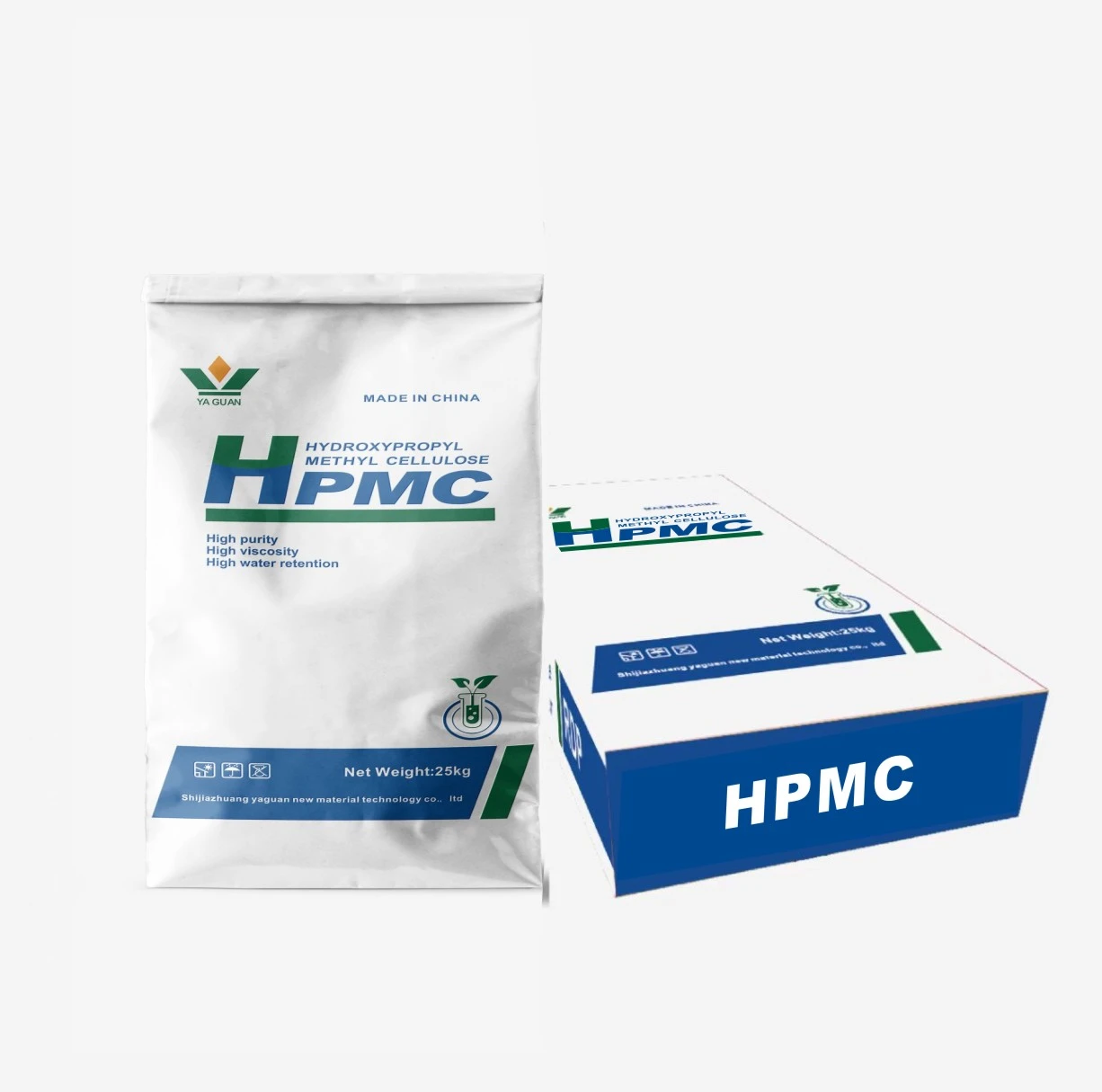

The Role of HPMC: Unlocking Versatility Across Industries
When you hear "HPMC," it might sound like some complex chemical jargon, but the role of HPMC (Hydroxypropyl Methylcellulose) is far from obscure. In fact, this humble cellulose derivative quietly runs the show in countless industrial and commercial applications worldwide. Understanding its role is not just an academic exercise; it has concrete implications for product makers, healthcare providers, and environmental sustainability efforts alike.
Globally, demand for multifunctional and eco-friendly materials is growing, and HPMC fits neatly into that narrative. From pharmaceuticals to construction materials, HPMC's versatility helps solve key challenges — like improving product performance while reducing costs and environmental impact. This article takes a deep dive into the role of HPMC, illuminating its key characteristics, global applications, and future trends.
Why Does the Role of HPMC Matter Today?
According to UN reports, the global push for sustainable and efficient industrial inputs has never been stronger. Market data suggests the cellulose ethers market, including HPMC, is expected to grow annually by around 6% due to rising demand in Asia-Pacific and beyond.1 Industries face persistent challenges: how to maintain quality while meeting environmental and economic goals. Here, HPMC emerges as a pragmatic solution — versatile, affordable, and environmentally considerate.
One crucial problem it helps address is the durability of water-based products in construction and pharmaceuticals. Water sensitivity often ruins formulations, but HPMC improves stability and consistency, making products last longer and perform better. Oddly enough, a compound derived from plant cellulose can be so pivotal in modern high-tech applications.
What Exactly Is HPMC and Why Is Its Role So Essential?
Simply put, HPMC is a semi-synthetic, non-ionic cellulose ether derived from natural cellulose. That means it’s made by chemically modifying cellulose, the main structural component in plants. This modification introduces hydroxypropyl and methyl groups to the cellulose backbone, rendering the molecule water-soluble and versatile.
But here’s what really makes it special: HPMC acts as a binder, thickener, emulsifier, film former, and even a controlled-release agent. Its non-toxic, biocompatible nature makes it suitable for pharmaceutical tablets, where it controls drug release rates, and in construction materials, where it stabilizes mortar or adhesive textures.
Its role intersects science and practical needs. For example, in humanitarian relief or post-disaster reconstruction, products that incorporate HPMC tend to be more durable, easier to use, and safer. So whether it’s enabling better wound care patches or sealing materials in earthquake zones, HPMC quietly helps improve lives.
Core Features That Drive the Role of HPMC
- Water Retention: HPMC can hold significant water volumes, making compounds more workable and preventing premature drying. This is a godsend in cement and plaster applications, where moisture balance is critical.
- Thickening and Viscosity Control: Manufacturers can finely tune product textures, essential in paints, coatings, and pharmaceuticals, optimizing spreadability and stability.
- Film-Forming Ability: Beyond thickness, it forms flexible, transparent films useful in tablet coatings and construction barriers.
- Thermal Gelation: HPMC solutions gel at higher temperatures, allowing uses in specialty food products and heat-resistant composites.
- Non-Toxicity and Biocompatibility: It’s safe for human contact and consumption, critical for medical and cosmetic formulations.
- Compatibility: Works well with a broad range of synthetic and natural materials, making it a flexible ingredient for product designers.
In real terms, these attributes translate into improved product durability, better user experience, and greater environmental friendliness.
Mini takeaway:
The multifaceted role of HPMC arises from its chemical versatility: it improves product consistency, stability, and functionality across sectors — from medicine to construction.
Where Is HPMC Making the Biggest Impact?
HPMC's role unfolds across a spectrum of industries worldwide. Here are the standouts:
- Pharmaceuticals: Used as a matrix former for controlled-release tablets, film coating agents, and even in eye drops. The global pharma industry increasingly relies on HPMC to customize drug delivery and improve patient compliance.
- Construction: Essential for improving workability and water retention in mortars, plasters, and tile adhesives. Its role is vital in dry mix mortars, especially in fast-growing urban centers in Asia and Africa.
- Food Industry: Acts as a stabilizer and emulsifier, contributing to fat replacement and texture improvement in vegan or gluten-free products.
- Cosmetics: Provides thickening and film-forming properties for lotions, creams, and hair products.
- Environmental Applications: Emerging in biodegradable packaging and green adhesives, aligning with sustainability goals.
For example, in remote industrial zones with challenging climates, HPMC-modified cements resist cracking better amidst temperature swings. Similarly, NGOs often use HPMC-based materials to improve shelter-building mixes in disaster relief — gaining durability while being eco-responsible.
Mini takeaway:
From remote construction sites to cutting-edge pharma labs, the role of HPMC is crucial in enhancing product performance under diverse conditions.
HPMC Specifications and Performance Benchmarks
| Property | Typical Range/Value | Significance |
|---|---|---|
| Methoxy Content (%) | 19–30 | Impacts solubility and gelation properties |
| Hydroxypropyl Content (%) | 4–12 | Affects viscosity and thermal behavior |
| Viscosity (2% solution, mPa·s) | 50–4000 | Controls thickening/thixotropy in applications |
| pH (1% aqueous solution) | 5.0–8.0 | Ensures compatibility with various formulations |
| Moisture Content (%) | ≤5 | Affects shelf life and product stability |
How Do Different Vendors Stack Up for HPMC Supply?
| Vendor | Quality Grade | MOQ (Metric Tons) | Typical Industries | Lead Time (weeks) |
|---|---|---|---|---|
| Guangzhou Chemical Group | Pharma & Construction Grade | 5 | Pharmaceuticals, Mortar | 2–3 |
| Yaguan HPMC Co. | Food Grade, Pharma Grade | 1 | Food, Cosmetics, Pharma | 1–2 |
| Global Cellulose Pvt Ltd. | Construction Grade | 10 | Construction, Paints | 3–4 |
Why Choose HPMC? The Advantages and Long-Term Value
Frankly, many engineers and product developers say it’s the combination of affordability and performance that makes the role of HPMC so compelling. Here’s why it counts:
- Cost Efficiency: HPMC is derived from plant cellulose, renewable and cheap compared to synthetic polymers, yet offers equal or better performance characteristics.
- Sustainability: It’s biodegradable and reduces the need for petrochemical-based additives, aligning with increasing corporate social responsibility goals.
- Reliability: Products containing HPMC show increased stability under environmental stress, whether moisture, heat, or mechanical pressure.
- Safety & Dignity: Used in pharmaceutical and personal care formulations, it contributes to better patient outcomes and user experience.
- Innovation Enabler: It’s a platform material, helping engineers innovate in controlled drug delivery, eco packaging, and beyond.
And while on the subject of sustainability, it’s interesting how the role of HPMC intersects with global commitments like the UN Sustainable Development Goals, especially regarding responsible consumption and health improvement.2
Mini takeaway:
HPMC blends cost, sustainability, and reliable performance, translating technical benefits into emotional reassurance — users can trust the products it’s part of.
The Future of HPMC: Trends and Innovations
The future shines bright for HPMC. Materials scientists are exploring nano-structured HPMC variants for smarter drug release. Others focus on blending HPMC with bio-based polymers to create fully biodegradable packaging solutions. Digitalization of material testing also helps customize HPMC qualities faster, cutting costs and lead times.
Additionally, as the green energy push intensifies, the role of HPMC in eco-friendly construction materials—such as thermal insulation mortars—is expanding rapidly. Automation in production processes is improving batch consistency, too.
It feels like HPMC is quietly riding the wave of transformation, linking tradition (cellulose’s plant origins) with future tech trends.
Challenges with Using HPMC and How to Overcome Them
Despite outstanding benefits, suppliers and users report a few challenges. For instance, batch-to-batch consistency can sometimes vary due to raw cellulose source variations. Moisture sensitivity during storage adds complexity to logistics and shelf life. Also, in ultra-high-performance mixes, HPMC can sometimes conflict with other additives if not carefully balanced.
Experts suggest rigorous quality control, supplier certifications, and developing custom formulations to overcome these issues. Often, partnering with trusted manufacturers — like Yaguan HPMC — who focus on R&D helps clients fine-tune performance and improve reliability.
FAQs about the Role of HPMC
- What makes the role of HPMC crucial in pharmaceutical tablets?
- HPMC serves as a matrix former and film coating agent, controlling how quickly the drug releases in the body, improving efficacy and safety.
- How does HPMC improve water retention in construction products?
- HPMC holds water within the mortar mix, preventing premature drying and allowing better curing, which results in stronger, crack-resistant materials.
- Is the use of HPMC environmentally friendly?
- Yes, being derived from natural cellulose, HPMC is biodegradable and reduces reliance on petroleum-based additives, contributing to greener products.
- Can HPMC be customized for specific industry needs?
- Absolutely. Its chemical substituent ratios and viscosity grades can be tailored for various applications, from pharmaceuticals to food-grade uses.
- How do companies source high-quality HPMC globally?
- By working with certified suppliers who provide quality grades, adequate lead times, and technical support, often supported by international compliance certifications.
Wrapping Up: Why Keep an Eye on HPMC’s Role?
In a world striving for innovation without compromising sustainability or cost efficiency, the role of HPMC is a quietly powerful story. It’s a prime example of how natural materials, intelligently modified, help solve complex industrial and human challenges.
If you want to explore reliable, high-quality HPMC products — especially for pharmaceutical, construction, or food-grade applications — don’t hesitate to visit https://www.yaguanhpmc.com. There you can connect with experts who understand the evolving needs of global industries.
After all, sometimes the best solutions are the ones you overlook but rely on every day, right?
References
- United Nations Industrial Development Organization (UNIDO), Cellulose Ethers Market Report, 2022.
- United Nations Sustainable Development Goals (Goal 12 and 3).
- ISO 9001 Quality Standards for Chemical Manufacturing.