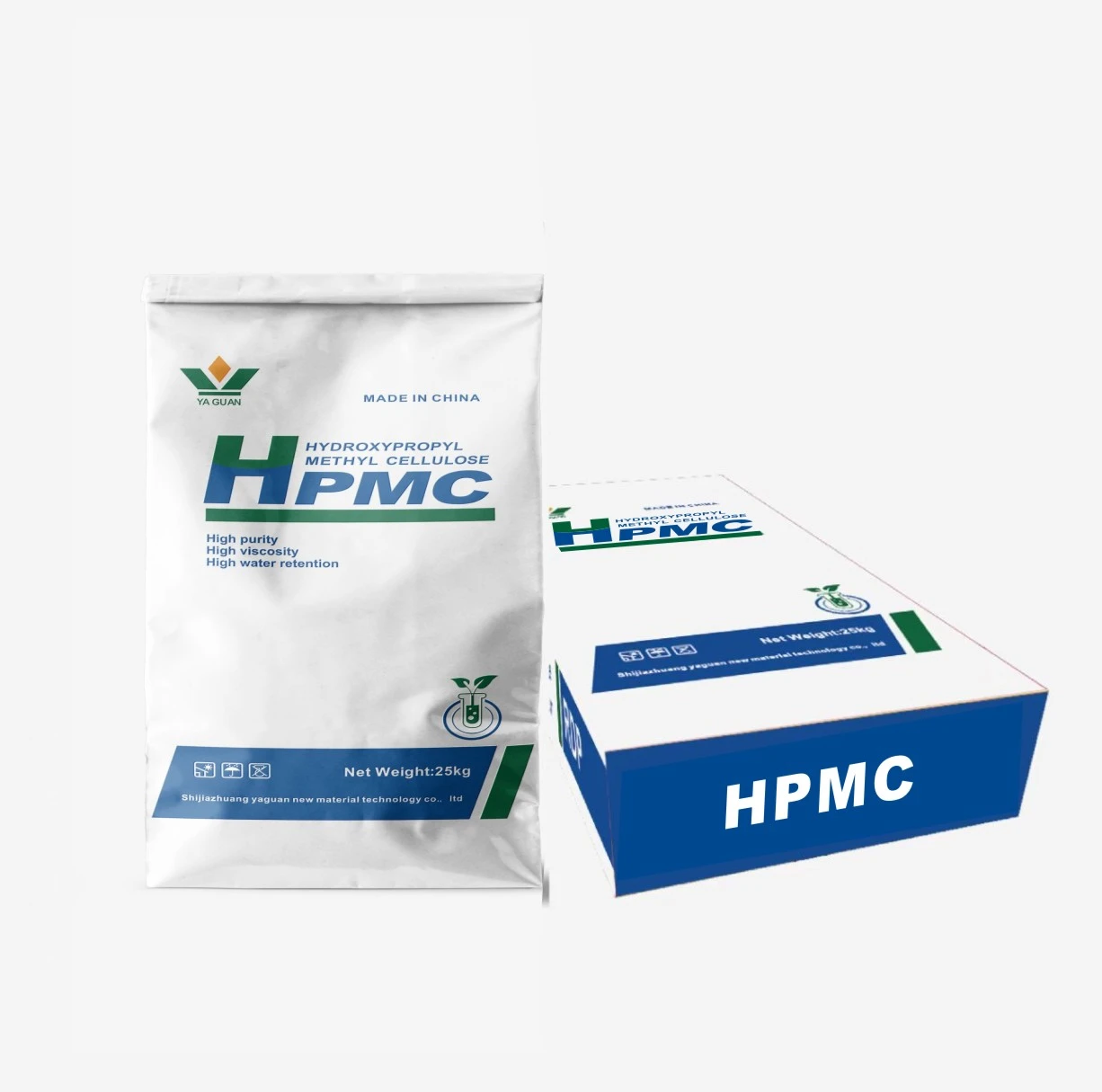
Understanding HPMC Grades Viscosity: Why It Matters Globally
If you’ve ever dipped your hand into a silky gel or admired the smooth flow of construction adhesives, then you’ve tangentially experienced what HPMC grades viscosity controls in modern materials. Hydroxypropyl methylcellulose, or HPMC, is a fascinating substance — a cellulose derivative that’s everywhere, from paints to pharmaceuticals to construction mortars. The “grades viscosity” part essentially tells you how thick or fluid that HPMC solution behaves, and that detail is surprisingly important globally.
Here’s the kicker: knowing and controlling HPMC grades viscosity affects quality, efficiency, and even sustainability of materials worldwide. The right viscosity level can improve shelf life, application ease, safety, and environmental footprint. It’s not just a nerdy lab detail; it’s a linchpin in industries and humanitarian efforts.
Mini takeaway: HPMC grades viscosity isn’t just about liquid thickness—it’s a crucial quality indicator that impacts industries from healthcare to construction worldwide.
The Global Context: Why HPMC Grades Viscosity Deserves Attention
Let’s zoom out for a moment. The global cellulose derivatives market is projected to reach billions of dollars by 2025, powered heavily by demand in developing economies (source: Wikipedia). Organizations like the ISO have even standardized testing methods to ensure HPMC consistency and quality worldwide.
But here’s the problem: Viscosity varies by grade — meaning not all HPMC is made equal, and slight mistakes can cause huge ripple effects. Imagine a cement-based mortar with inconsistent viscosity — it may crumble prematurely, increasing waste and costs, or pharmaceutical gels that don’t deliver medicine effectively due to flow issues. In disaster relief shelters or developing industrial zones, this inconsistency can directly hurt outcomes.
Mini takeaway: On a global scale, mastering hpmc grades viscosity is essential to achieving safety, reliability, and cost-effectiveness in critical products and services.
Defining HPMC Grades Viscosity in Simple Terms
So, what exactly is “HPMC grades viscosity”? To break it down plainly, HPMC is a polymer used as a thickener, binder, or film former in various formulations. The “grades” refer to manufacturer classifications that indicate differences in molecular weight and substituent groups which affect how thick (viscous) or thin the HPMC solution is when mixed with water.
This viscosity range isn’t arbitrary. It’s tailored for specific industrial uses — low-viscosity grades smoothly flow like syrup, perfect for sprays or injectables. Higher viscosity grades resemble honey or gel, suited for sealants or wall plaster. Simply put, HPMC grades viscosity is a measure of how “stretchy” or resistant the solution is to flow, crucial for proper performance.
In real terms, think of it affecting drying times, film strength, or how a mortar clings to surfaces.
Mini takeaway: HPMC grades viscosity is about tailoring polymer thickness to suit precise industrial tasks, from medicine to construction.
Key Factors That Shape HPMC Grades Viscosity
1. Molecular Weight
Higher molecular weights typically yield higher viscosities because the chains entangle more. Manufacturers tune this carefully to hit specific targets — too low, and your product lacks body; too high, and it becomes difficult to apply or mix.
2. Substitution Pattern
The number and type of chemical groups attached to the cellulose backbone affect solubility and viscosity. More substitution can mean better water retention and smoother flow behavior.
3. Concentration in Solution
Viscosity depends heavily on how much HPMC is dissolved in water. A small change can dramatically thicken or thin a solution — precision here is key.
4. Temperature
Viscosity isn’t fixed — as temperature rises, HPMC solutions tend to thin out. This must be accounted for in both manufacturing and end use.
5. Shear Rate
During mixing or application, the speed of shear (stirring/shearing) affects viscosity. Some HPMC grades show shear-thinning behavior — they become less viscous when stirred, which makes them easier to work with.
Mini takeaway: Viscosity is a dynamic characteristic influenced by molecular, chemical, and environmental factors — understanding these lets engineers optimize products.
Global Applications & Use Cases of HPMC Grades Viscosity
HPMC grades viscosity plays a starring role in several industries, each with distinct demands:
- Pharmaceuticals: As a drug carrier and binder in tablets and topical gels, the right viscosity controls release rates and application feel.
- Construction: Used in tile adhesives, cement-based mortars, and plasters, where viscosity affects workability and adhesion — crucial for building integrity.
- Food Industry: Acts as a stabilizer or thickener in glazes, sauces, and bakery products, impacting texture and shelf life.
- Paints & Coatings: Helps maintain smooth flow, prevents sagging, and prolongs durability.
- Disaster Relief: In quickly deployable shelters or repair mortars, consistency and ease-of-use of materials hinge on viscosity.
Take East African post-disaster construction zones, where stable yet workable mortars sped up rebuilding — thanks to precise HPMC grade selection. Or pharmaceutical manufacturers in Asia fine-tuning gel viscosities to meet strict export standards.
Mini takeaway: Whether it’s a hospital, construction site, or food factory, variations in HPMC grades viscosity determine product success worldwide.
Product Specification: Typical HPMC Grades and Their Viscosities
| HPMC Grade | Viscosity Range (mPa·s) | Typical Application |
|---|---|---|
| E4M | 400–600 | Injectable gels, sprays |
| E10M | 1000–1400 | Tile adhesives, thinset mortars |
| E15M | 1500–2000 | Wall plasters, joint compounds |
| E25M | 2200–2800 | Sealants, high-viscosity coatings |
Comparing Leading HPMC Vendors
| Vendor | Available Viscosity Range | Certifications | Notable Strength |
|---|---|---|---|
| Vendor A | 200–3000 mPa·s | ISO 9001, GMP | Wide grade selection, global distribution |
| Vendor B | 400–2500 mPa·s | ISO 14001, FDA Compliant | Eco-friendly production methods |
| Vendor C | 150–2800 mPa·s | ISO 9001, Halal Certified | Customized formulations & R&D support |
Advantages and Long-Term Value of Optimizing HPMC Grades Viscosity
From both a logical and emotional standpoint, getting the viscosity right has significant perks:
- Cost Efficiency: Proper viscosity reduces waste and rework — for producers and end users alike.
- Sustainability: Improved product lifespan and less resource usage, especially when used in eco-friendly formulations.
- Reliability: Clients trust materials that perform consistently, instilling confidence.
- Safety & Comfort: In pharmaceuticals and food, correct viscosity ensures safe delivery and enjoyable textures.
- Innovation: Allows new product forms, like sprayable gels or self-leveling plasters that transform industries.
Frankly, when a product blends usability with sustainability and cost control, it’s a win-win that resonates on multiple levels.
Mini takeaway: Optimizing HPMC viscosity isn’t just technical — it’s about building trust, enhancing experience, and safeguarding resources.
Future Trends and Innovations Around HPMC Grades Viscosity
The future? It’s about marrying sustainability and smart tech. Biodegradable HPMC derivatives, green solvents, and digital viscosity monitoring tools are changing the game.
For example, advanced rheometers now allow online tracking during production for instant adjustments. Automation means fewer batches go wrong because viscosity slips out of range unnoticed. Meanwhile, green chemistry principles spur innovation of new grades that reduce environmental impact — key as regulations tighten.
In short, the viscosity landscape is evolving alongside digital transformation and environmental consciousness, opening fresh doors for industry leaders.
Mini takeaway: HPMC viscosity grades are moving into a smarter, greener era driven by technology and eco-awareness.
Common Challenges and Practical Solutions in Handling HPMC Grades Viscosity
Of course, nothing is perfect. Challenges include batch variability, sensitivity to temperature swings, and complex testing requirements. Users sometimes face clumping or inconsistency on-site, which delays processes.
Experts recommend tight supplier collaboration, real-time quality control, and staff training on proper mixing and storage. Innovations in nano-technology additives and stable packaging materials also help — preventing degradation and preserving viscosity profiles over time.
Roughly, the key is embracing a systems approach, combining precise manufacturing with on-the-ground know-how.
Mini takeaway: Tackling viscosity challenges means working smarter, not just harder, using tech and teamwork.
Frequently Asked Questions About HPMC Grades Viscosity
1. How does HPMC viscosity affect the performance of tile adhesives?
Viscosity controls the adhesive's spreadability and bonding strength. If too low, the adhesive runs off tiles; too high, it's hard to apply evenly. The right grade balances workability and durability.
2. Can temperature changes impact HPMC-based products?
Yes. Higher temperatures generally reduce viscosity, making materials thinner and potentially less effective. Formulations must account for this to ensure consistent product performance in varying climates.
3. Are higher viscosity HPMC grades always better for construction?
Not necessarily. While higher viscosity improves water retention and bonding, it can make mixing and application tricky. Selecting the right grade depends on the specific use case and desired workability.
4. How quickly can manufacturers switch HPMC grades if needed?
Depending on supplier flexibility and inventory, changes can be made within days to weeks. Early consultation ensures smooth transitions and avoids production delays.
5. Is eco-friendly HPMC available without compromising viscosity?
Yes, newer production methods yield green-certified HPMC that meets viscosity requirements. It often costs a bit more but supports sustainability goals.
Conclusion: Embracing the Nuances of HPMC Grades Viscosity
Ultimately, hpmc grades viscosity is a deceptively simple-sounding term with vast impact. From pharmaceuticals to construction, its correct management fuels efficiency, safety, and innovation. Though challenges exist, advances in testing, green chemistry, and vendor collaboration are paving the way for more reliable, sustainable applications. So whether you’re a product developer, supplier, or end-user, understanding these nuances enriches your craft and marketplace edge.
Interested in diving deeper? Visit our website: https://www.yaguanhpmc.com for detailed insights and premium HPMC solutions tailored to your needs.