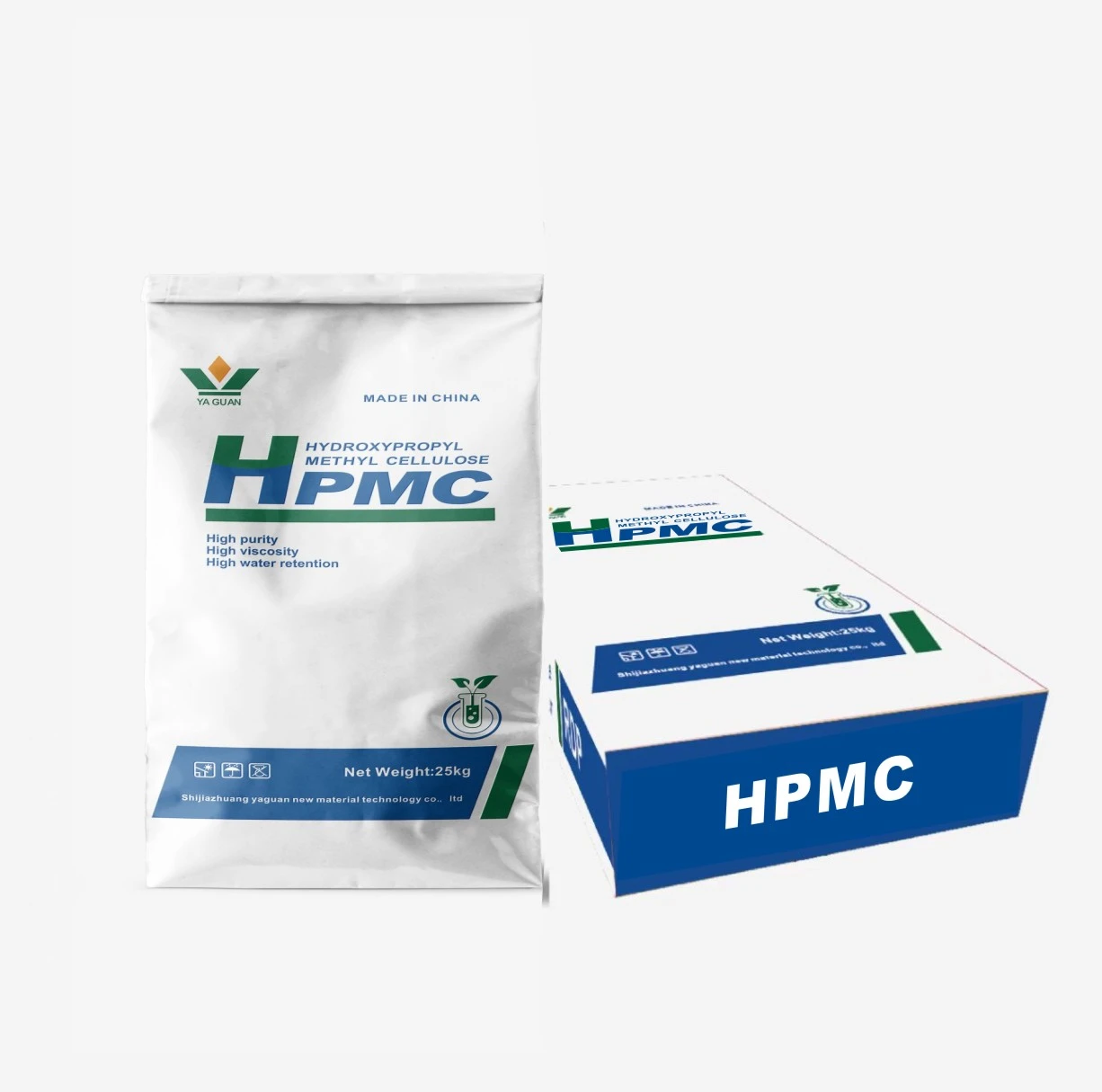

The Growing Importance of HPMC Grades: What You Need to Know
If you’ve ever wondered what exactly HPMC grades are and why they seem to pop up in everything from construction materials to pharmaceuticals, you’re not alone. Hydroxypropyl methylcellulose, or HPMC, is a versatile polymer with a range of uses worldwide. Its “grades” — variations of the polymer differentiated by viscosity, substitution levels, and particle size — influence how it performs in diverse applications. Understanding these grades isn’t just technical jargon; it’s key to making smarter decisions in manufacturing, sustainability, and even humanitarian aid.
Globally, with industries pushing harder for efficient, eco-friendly materials, HPMC grades have quietly become essential. They help balance cost, safety, and performance — a trifecta that really matters whether you’re building skyscrapers or formulating eye drops.
The Global Context: Why HPMC Grades Matter More Than Ever
Around the world, the demand for functional, non-toxic, and adaptive materials is climbing. The UN estimates that over 4 billion people live in urban areas now — and material efficiency here can’t be overstated [1]. Meanwhile, ISO standards for polymers and construction materials continue to tighten, driving manufacturers to improve product consistency.
HPMC grades come into play with these rising challenges. How do you ensure a product’s reliability in remote industrial settings? What about eco-sensitive zones where waste and toxicity must be carefully managed? These questions fuel interest in polymers like HPMC, whose varying grades allow customization to fit sometimes very strict requirements. Frankly, it’s a bit like having a toolbox where every hammer is exactly suited to its nail.
What Are HPMC Grades? Breaking It Down Simply
So, what exactly are HPMC grades? In basic terms, HPMC (hydroxypropyl methylcellulose) is a chemically modified cellulose with outstanding film-forming, thickening, and stabilizing properties. But “grades” refer to the distinct versions categorized mainly by:
- Viscosity level (how thick or fluid it is when mixed with water)
- Degree of substitution (how many hydroxypropyl or methyl groups are attached)
- Particle size and powder purity
These variations enable manufacturers to choose the right type of HPMC for specific industrial or even humanitarian uses. It’s a polymer palette if you will — each grade a different shade and texture suited for paint, construction, cosmetics, or medical gels.
To the uninitiated, HPMC grades might feel overwhelming, but in real terms, it's about fine-tuning performance and safety for your product.
Core Components of HPMC Grades and Their Practical Effects
1. Viscosity
Viscosity affects workability and stability. For example, HPMC with high viscosity is favored in tile adhesives or mortar because it improves water retention and bonding. Lower viscosity types might be better in sprays or liquid medicines.
2. Thermal Stability
Some grades withstand higher temperatures without degrading — essential for applications involving heat like ceramics or certain coatings.
3. Solubility
Because HPMC dissolves in cold water but gels upon heating, its grade dictates how and when it dissolves — a property often exploited in controlled drug release.
4. Purity & Chemical Composition
Impurities or inconsistent chemical bonding can cause issues like uneven drying in paints or compromised film strength. Grades tested to pharmaceutical or food standards are highly purified — vital for safety.
5. Particle Size Distribution
The powder’s fineness impacts mixing behavior and ultimately the texture or viscosity of the final product. For example, finer grades smooth out cosmetics, while coarser ones are suited to industrial coatings.
Global Applications & Real-World Examples of HPMC Grades
Industries span wide when using HPMC grades — from construction and paint manufacturing in Europe, to pharmaceuticals and food thickening in North America and Asia.
Construction & Building: In many Asia-Pacific regions, workers rely on HPMC-enhanced mortars to speed up repairs and improve water retention in harsh climates. The polymer’s ability to improve workability helps overcome challenges posed by high humidity or temperature swings.
Medical & Pharmaceutical: In the EU, highly pure grades meet stringent regulations for use in eye drops, capsules, and topical gels. They allow safe, controlled drug delivery that patients worldwide depend on.
Emergency & Humanitarian Relief: NGOs in disaster-prone areas often deploy modular housing and rapid-set mortars containing optimized HPMC grades to erect shelters faster and with greater durability — especially essential post-earthquake or flood.
| Grade | Viscosity (mPa·s) | Methoxyl Content (%) | Hydroxypropyl Content (%) | Typical Applications |
|---|---|---|---|---|
| HPMC-100LV | 100–200 | 19–24 | 5–12 | Paints, thin-set mortars |
| HPMC-15K | 13000–16000 | 19–24 | 5–12 | Tile adhesives, cement-based products |
| Pharma Grade | Varies (400–4000) | 19–24 | 5–12 | Capsules, eye drops, controlled release |
Why Choosing the Right HPMC Grade Pays Off Long-Term
The benefits of properly selected HPMC grades are more than just technical — they carry real-world advantages:
- Cost Efficiency: Optimal grades reduce material waste and improve manufacturing speed.
- Sustainability: Non-toxic, biodegradable polymer that lowers environmental impact.
- Reliability & Safety: Predictable behavior under various environmental conditions.
- Social Impact: Enables rapid deployment housing and medical aid materials, enhancing dignity in crises.
I’ve noticed that many engineers say you start to really trust a supplier when their grade consistency translates into consistent field performance — that’s the intangible but crucial part of working with HPMC.
Looking Ahead: Trends & Innovations in HPMC Grades
The future’s bright for HPMC grades with innovations addressing green chemistry and digital processing. For example, bio-derived HPMC variants help reduce reliance on fossil fuels. Automation in manufacturing lets vendors fine-tune viscosity distributions tighter than ever.
Industry watchers expect more HPMC use in 3D printing materials, self-healing construction composites, and even smart medical dressings. Evidently, as the sustainable economy and digitization advance, HPMC’s adaptable grades fit right into these novel systems.
Common Challenges and How Industry Experts Are Tackling Them
Challenges persist, though. Variability due to raw cellulose sources can lead to inconsistent batches — which obviously frustrates quality assurance teams. I heard a technical lead once say, “You spend half your day guessing if the polymer batch will behave as expected.”
Solutions include improved chromatography testing, ISO-aligned production standards, and vendor transparency. Some manufacturers also offer custom blending services to meet tight client specifications, turning a potential headache into a tailored benefit.
Vendor Comparison: Picking the Right HPMC Partner
| Supplier | Grade Variety | Global Reach | Certifications | Customization Options |
|---|---|---|---|---|
| Yaguan Chemicals | 15+ grades including pharma and industrial | Global (Asia, Europe, America) | ISO 9001, GMP | Tailored grades on demand |
| Global Cellulose Inc. | 10 standard grades | North America, Europe | ISO 9001 | Limited customization |
| EcoPolymer Labs | Specializes in bio-based HPMC | Europe, Asia | ISO 14001, Organic Certified | Custom blends only |
FAQ: Your Top Questions About HPMC Grades Answered
Q1: What makes different HPMC grades suitable for construction vs. pharmaceutical uses?
Construction grades tend to emphasize viscosity and water retention for strong adhesion, while pharmaceutical grades prioritize purity and controlled solubility for patient safety and drug release. Different substitution levels also affect these properties.
Q2: How long can HPMC-based products last in harsh environments?
Longevity depends on the grade and application, but many HPMC formulations retain effectiveness for several years — especially when combined with stabilizers. High thermal stability grades are suited for exposure to humidity and temperature swings common in outdoor usage.
Q3: Are HPMC products generally eco-friendly?
Yes, since HPMC is cellulose-based and biodegradable, its environmental footprint is lower than many synthetic alternatives. However, sustainability also depends on sourcing and manufacturing processes. Several vendors now focus on bio-based and green-certified products.
Q4: Can NGOs import HPMC grades for humanitarian projects easily?
Most suppliers offer global shipping and can provide documentation needed for customs and regulatory compliance. Partnering with experienced vendors like Yaguan Chemicals can ease logistics and ensure access to specialized grades.
Wrapping Up: The Long-Term Value of HPMC Grades
Diving into hpmc grades reveals a fascinating balance of chemistry, industry needs, and sustainability goals. These seemingly technical distinctions profoundly affect product reliability, safety, and environmental impact — factors that ultimately touch every end user, from factory workers to patients to disaster survivors.
For anyone in construction, pharmaceuticals, or humanitarian sectors, understanding and leveraging the right HPMC grade isn’t just nice-to-have. It’s vital. If you want to explore tailored solutions or detailed specifications, visiting trusted suppliers’ sites like Yaguan Chemicals is a great first step.
In a world chasing sustainable growth and innovation, HPMC grades quietly hold some of the keys. And hey, sometimes the small details really do change everything.