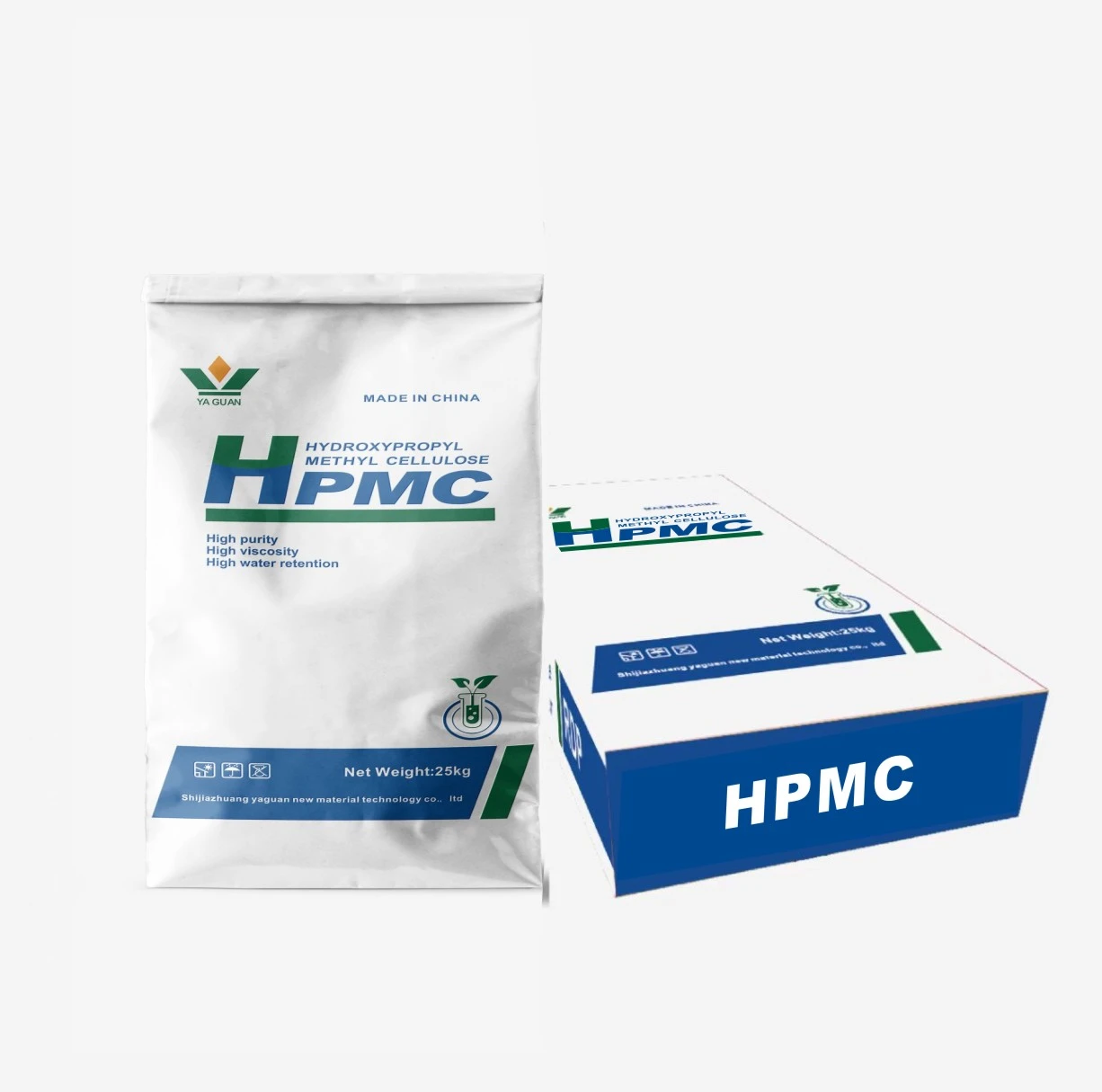
Understanding the HPMC Function: Why It Matters Globally
First off, what exactly is this "hpmc function" that keeps popping up in industry discussions and technical specs? If you're anything like me, you might have stumbled across it reading about sustainable materials or modular constructions and wondered why everyone seems so invested in it. The short story is that the hpmc function—which involves Hydroxypropyl Methylcellulose and its related uses—is quietly taking a starring role in sectors from construction and pharmaceuticals to food production and disaster relief. And the reason is simple: its versatility offers tangible, worldwide benefits.
In an era marked by rapid urbanization, aging infrastructure in many parts of the world, and urgent climate concerns, understanding hpmc function is becoming more than a niche technical detail. It’s a keystone in developing eco-friendly, durable, and cost-efficient solutions that can be scaled globally—not to mention improving human health and safety in emerging and developing markets.
### The Big Picture: Why Global Stakeholders Pay Attention to HPMC Function
According to recent ISO standards and environmental reports, materials that combine sustainability with flexibility can reduce global carbon footprints drastically. The World Bank estimates that more than half the global population will live in cities by 2050, increasing demand for scalable and resilient infrastructure. This is where materials and functions like HPMC-based technologies come in—they offer enhanced durability and adaptability. In real terms, that means fewer rebuilds, less waste, and better performance over time.
Moreover, the United Nations’ Sustainable Development Goals (SDGs), particularly clean water access, sustainable industry, and innovation, are closely linked with the applications of HPMC. In emergency housing or sanitation, its role is vital—though often behind the scenes. The global challenge? Many communities currently lack affordable, safe materials that can be quickly deployed and last under harsh conditions. HPMC function addresses this elegantly, which is why manufacturers, NGOs, and governments alike are keen on adopting it.
---
What Exactly is the HPMC Function?
So let’s unpack it a little. Hydroxypropyl Methylcellulose (HPMC) is a cellulose-derived polymer, widely used as a thickening, stabilizing, and film-forming agent. “Function” in this context refers to how HPMC behaves under certain conditions—how it improves material performance or product delivery. Whether it’s extending shelf life in food, controlling moisture in construction materials, or modifying drug release in pharmaceuticals, the hpmc function is all about leveraging these physical and chemical properties.
In modern industry, it’s nothing short of a Swiss Army knife. For example, in building plasters and cement coatings, the HPMC function ensures smooth application, water retention, and adhesion. In pharma, it's a key player controlling digestion and absorption rates. Those humanitarian uses? The hpmc function makes biodegradable, easily transportable hygiene products and fast-setting mortars possible in disaster zones.
---
Core Components of HPMC Function
Here’s a rundown of the main aspects that define how HPMC works:
- Water Retention & Moisture Control: HPMC holds onto water effectively, making it critical for drywall and plaster formulations where drying times affect strength.
- Film-Forming Ability: It forms flexible, strong films, which help in coatings and controlled-release medications.
- Viscosity Modification: Operators use it to adjust the thickness of liquids, ensuring consistent texture or flow in food and cosmetic products.
- Thermal Stability: Its ability to perform across various temperatures widens its applications—from tropical climates to refrigerated medicines.
- Compatibility With Other Materials: HPMC blends well with inorganic materials or organic polymers, enhancing overall product quality.
> Mini takeaway: These components don’t just make HPMC useful, they make it adaptable—a trait increasingly essential in global supply chains struggling with uncertainty.
---
Global Applications & Real-World Cases for HPMC Function
If you peek out from the lab and look around, you’ll find HPMC-based products’ many footprints. In the European construction market, it’s a linchpin in eco-friendly plasters and mortars known for superior adhesion and crack resistance. Meanwhile, in South Asia, fast deployable shelters use HPMC-modified materials for easier handling and longevity—critical for monsoon-prone areas.
Even NGOs find it indispensable. In post-disaster relief, HPMC function helps create potable water gels and sealants ensuring safe sanitation. In remote industrial zones—think mining or drilling operations in harsh climates—products incorporating HPMC retain physical integrity despite extreme dehydration or temperature shifts.
The pharmaceutical industry, too, relies on hpmc function for the controlled-release tablets loved for their predictable delivery and patient comfort, enhancing treatment efficacy worldwide.
---
Specification Table: Typical HPMC Product Attributes
| Specification |
Typical Range |
Unit |
| Methoxy Content |
19–24 |
% |
| Hydroxypropoxy Content |
4–12 |
% |
| Viscosity (2% solution) |
100–4000 |
mPa·s |
| pH (2% solution) |
5–8 |
- |
---
Advantages & Long-Term Value of the HPMC Function
Looking beyond the specs, what really makes the hpmc function a favorite is the long-term value it brings at so many levels.
-
Cost Efficiency: It reduces material waste and improves production yield, ultimately lowering costs.
-
Sustainability: Derived from natural cellulose, it’s biodegradable and less reliant on petrochemical feedstocks.
-
Reliability & Safety: Promotes product consistency, essential in pharmaceuticals and food safety.
-
Social Impact: Enables affordable sanitary and housing solutions, which tangibly improve living conditions.
-
Innovation Scaffold: Opens doors for new product designs, like 3D printable pastes or smart coatings.
This intersection of benefits makes it catch the eye of engineers, product managers, and humanitarian planners alike—a rare blend of emotion and cold logic.
---
Looking Ahead: Trends and Innovations Surrounding HPMC Function
The material science community is buzzing about HPMC’s role in greener alternatives. Digital transformation means labs can now mimic climatic conditions in virtual models to tailor HPMC formulations before even a gram is tested physically. Moreover, the automation of mixing processes with real-time viscosity measurements is pushing quality control excellence.
Green energy policies are encouraging reduced solvent use, so manufacturers are tweaking the hpmc function for water-based systems that still deliver peak performance. Plus, emerging markets are deploying HPMC in hybrid smart materials, sometimes layered with nanotech for self-healing or antimicrobial properties.
---
Challenges and Overcoming Them
Even with all its charm, HPMC has known hurdles. Water sensitivity limits some outdoor applications unless specially formulated; costs can spike with high-grade products, and scalability issues arise with supply chain interruptions.
The good news is ongoing R&D efforts. For instance, co-polymers can mitigate moisture sensitivity. Local cellulose sources, like agricultural waste, offer raw materials that reduce logistic strain. The industry is also learning from field feedback more quickly thanks to IoT sensors tracking product performance in real time.
---
Frequently Asked Questions About HPMC Function
- Q: How does HPMC improve drywall application?
A: HPMC’s water-retention property keeps plaster moist longer, reducing cracking and ensuring smooth finishes. This leads to stronger, more durable walls.
- Q: Can HPMC-based materials withstand harsh climates?
A: Generally yes, particularly when formulated to specific grades with thermal stability. However, formulations may be needed for extreme wet or hot environments to maintain integrity.
- Q: Is HPMC safe for food and pharmaceutical use?
A: Absolutely. HPMC is FDA-approved for use as a food additive and pharmaceutical excipient, making it reliable for consumable products.
- Q: What makes HPMC preferable in humanitarian applications?
A: Its versatility, ease of use, biodegradability, and performance under variable conditions make it ideal for fast, safe relief efforts with minimal environmental impact.
- Q: Are there sustainable alternatives to HPMC?
A: While HPMC is already plant-based and biodegradable, ongoing research into alginates and other polysaccharides offer complementary or alternative functions.
---
Vendor Comparison: Leading HPMC Suppliers
| Supplier |
Product Grade Variety |
Global Reach |
Specialty Applications |
Sustainability Initiatives |
| Yaguan HPMC |
50+ |
Worldwide |
Construction, Pharma, Food |
Recycled packaging & low carbon footprint |
| Dow Chemical |
30+ |
North America, Europe, Asia |
Pharma, Industrial Coatings |
Focus on circular economy programs |
| Shin-Etsu Chemical |
20+ |
Asia, Europe |
Cosmetics, Pharmaceutical |
Sustainable sourcing of cellulose |
---
Wrapping It Up: Why You Should Care About the HPMC Function
It’s remarkable—this somewhat technical, often overlooked hpmc function isn’t just a scientific curiosity. It’s a practical enabler of safer homes, longer-lasting medicines, and greener industries. Whether you’re an engineer, a product developer, or a humanitarian planning specialist, getting to grips with it opens doors to smarter, more responsible approaches.
Curious to see how this blends into real-world project success? Feel free to peek deeper into
hpmc function applications. The future belongs to those who combine tradition with technology — and the hpmc function feels like a perfect intersection of those worlds.
---
References
- Wikipedia: Hydroxypropyl Methylcellulose
- ISO Standards for Construction Materials
- United Nations Sustainable Development Goals