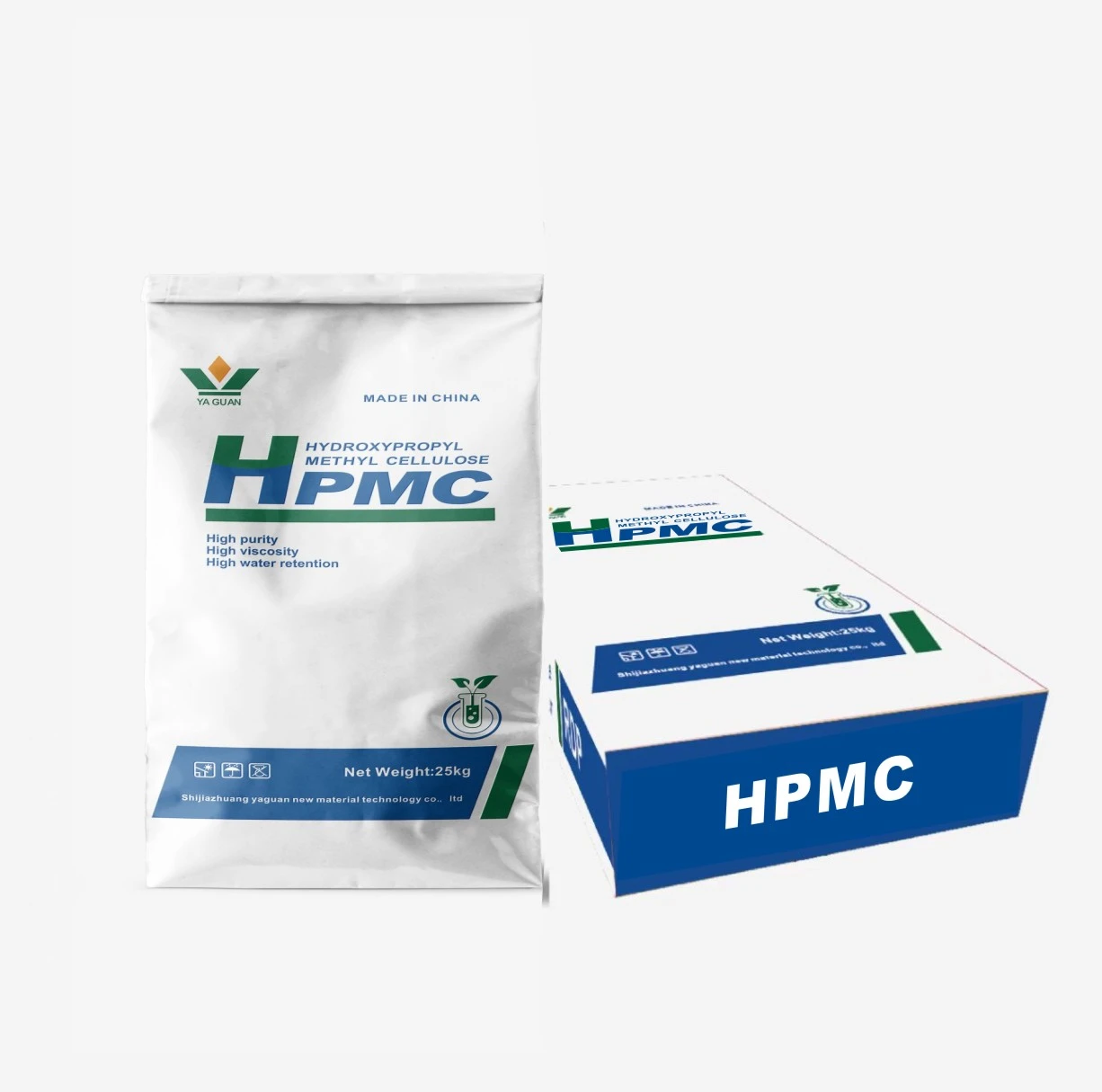

Why hpmc Film Coating Matters More Than Ever Today
Have you ever paused to wonder how a seemingly simple coating on a product could ripple out to influence sustainability, durability, and even humanitarian initiatives worldwide? hpmc film coating—hydroxypropyl methylcellulose—may sound like a mouthful of chemical jargon, but it’s actually the quiet workhorse behind many advances in several industries. From pharmaceutical tablets to protective layers in food packaging, understanding this coating can unlock a surprising amount of value and innovation.
Globally, as industries push toward greener, safer materials and more cost-effective processes, hpmc coatings emerge as a versatile solution. They bring together biodegradability, water solubility, and film-forming prowess in one neat package that addresses pressing issues of waste and contamination. So, in a world grappling with environmental crises and the need for smarter manufacturing, these coatings matter far more than you might think.
The Global Context of hpmc Film Coating
To appreciate why hpmc film coating has gained traction, consider these stats: the global pharmaceutical sector alone generates billions in revenue annually, reliant on tablet coatings for stability and patient compliance (according to WHO data, 2022). Meanwhile, the environmental concerns about plastic waste push packaging industries to adopt bio-based, recyclable films. The International Organization for Standardization (ISO) has even outlined quality benchmarks that include biodegradable coatings like hpmc films.
Yet, challenges remain: contaminants, shelf-life demands, and scalability plague traditional coatings in both manufacturing and biodegradability criteria. hpmc films offer a breakthrough in many cases by combining natural polymers with practical film-forming properties. It's like finding an eco-friendly fit for industries that seemed stuck with less sustainable options.
What Is hpmc Film Coating, Exactly?
Simply put, hpmc film coating refers to a thin layer made from hydroxypropyl methylcellulose—a cellulose derivative extracted from plant fibers—applied on products to enhance surface properties. This coating forms a glossy, protective film that is water-soluble and biodegradable. Because it’s derived from cellulose, it’s both renewable and safe.
Its applications span far beyond the pharmaceutical sector’s pill coatings. For instance, food packaging materials benefit from hpmc’s breathable yet protective qualities, and even construction materials use it as a finishing film to improve durability. In humanitarian supply chains, coated materials become more reliable and easier to store or transport in harsh environments.
Core Features of hpmc Film Coating That Make It So Valuable
1. Durability & Protective Barrier
Don’t underestimate hpmc’s ability to shield products from moisture, microbial contamination, or mechanical wear. For pills, it helps with controlling drug release rates while maintaining tablet integrity. In packaging, the film guards food from premature spoilage while allowing breathability—an odd but crucial combination.
2. Scalability Across Industries
From batch processing in pharma to continuous roll-to-roll coating in manufacturing lines, hpmc film coating adapts well. Its water-solubility enables easy formulation and application methods, scaling from small facilities to high-speed factories without major hiccups.
3. Cost Efficiency and Environmental Benefits
Given it originates from cellulose, a widely available natural polymer, hpmc coatings can be produced economically compared to synthetic polymers. Plus, the biodegradable nature means reduced environmental footprint—no more piling up persistent plastic in landfills or oceans.
4. Compatibility and Customization
Many engineers find hpmc coatings highly compatible with additives such as plasticizers, colorants, and flavorings, allowing for tailored film properties. This flexibility lets manufacturers tweak formulations for texture, gloss, or release characteristics.
5. Food-Safe and Non-Toxic
Regulatory approval for food and pharma use affirms hpmc’s non-toxic profile—critical where safety cannot be compromised.
Spec Sheet: Typical hpmc Film Coating Properties
| Property | Typical Range | Unit |
|---|---|---|
| Viscosity (2% solution) | 20 – 100 | mPa·s |
| pH (2% solution) | 5.0 – 8.0 | – |
| Moisture Content | 5% max | % |
| Film Thickness | 10 – 25 | microns |
| Solubility | Water soluble | – |
Who’s Using hpmc Film Coating Around the World?
This coating’s versatility means it’s found in many seemingly unrelated fields. Pharmaceutical giants in North America rely on hpmc films to improve patient experience with pills that dissolve gently but protect the medicine inside. In Asia, packaging producers innovate by layering hpmc films on biodegradable wraps to extend produce shelf life.
Then there are humanitarian uses where it gets even more interesting. For example, relief organizations operating in disaster zones need packaging films that hold up against humidity but can also degrade safely without harm to ecosystems. And oddly enough, remote construction projects in Europe have adopted hpmc-based surface coats to seal materials against unpredictable weather while staying eco-friendly.
Vendor Comparison: Popular hpmc Film Coating Providers
| Vendor | Product Grade | Viscosity Range (mPa·s) | Eco Certifications | Special Features |
|---|---|---|---|---|
| Yaguan Chemicals | Premium Pharma | 30–80 | ISO 9001, EcoCert | Customizable viscosity & color |
| CelluCoat Ltd. | Food Grade | 20–60 | FDA Approved, Green Seal | Fast dissolving, odorless |
| BioFilm Tech | Eco-Industrial | 40–100 | ISO 14001, USDA BioPreferred | High moisture resistance |
Why Choose hpmc Film Coatings? The Advantages and Long-Term Value
- Cost-efficiency: Derived from natural cellulose, hpmc reduces dependence on pricey synthetic polymers.
- Sustainability: Being biodegradable, it counters plastic pollution — a growing global concern.
- Reliability: Engineers admire its consistent film formation and protective properties for pharmaceuticals and food alike.
- Safety & Health: Non-toxic formulations ensure consumer safety, critical in pharma and food packaging.
- Social Impact: It supports humanitarian efforts where durability and eco-friendliness are equally crucial.
If you think about it, a coating that ticks all those boxes—cost, environment, safety, and reliability—is pretty rare in manufacturing materials today.
Looking Ahead: Trends and Innovations with hpmc Film Coating
Industry insiders predict that hpmc film coatings will increasingly integrate with smart labeling and digital tracking technologies. Imagine coatings that react to environmental changes or embed anti-counterfeiting markers. On the sustainability front, there’s ongoing research into blending hpmc with other natural polymers and nanomaterials to improve barrier properties while still remaining 100% biodegradable.
Automation in application processes is also evolving, leading to more uniform coatings and faster production lines. Frankly, the future of hpmc coatings looks like a perfect storm of green tech meets high-tech manufacturing.
Challenges You Should Know—and How the Industry Is Addressing Them
Of course, it’s not all smooth sailing. One common limitation is the water solubility of hpmc coatings — while it’s great for biodegradation, it requires clever balancing to ensure performance in humid or wet conditions. Some projects try combining hpmc with hydrophobic additives to solve this, though it can get tricky.
Additionally, batch-to-batch consistency remains a watchpoint, especially for ultra-pure pharmaceutical uses. That’s where stringent quality controls and certifications come into play—partners like Yaguan Chemicals emphasize this in their production lines.
Frequently Asked Questions About hpmc Film Coating
- What exactly makes hpmc film coating different from other cellulose derivatives?
- hpmc is unique because of its combined water solubility, film-forming ability, and non-toxicity. Unlike some cellulose derivatives, it forms a smooth, protective film ideal for pharmaceutical and food applications without strong odor or taste interference.
- Can hpmc film coatings be customized for different industries?
- Absolutely. The viscosity, thickness, and additives in hpmc coatings can be tailored to suit the pharma, food packaging, or industrial sectors. Custom modifications help balance properties like dissolving rates, flexibility, or moisture resistance.
- Is hpmc film coating safe for food contact?
- Yes, many hpmc grades meet FDA and EU regulatory standards for food safety. Their biodegradability and inert chemistry make hpmc coatings excellent for wraps and packaging films.
- How does hpmc coating improve tablet performance in pharmaceuticals?
- hpmc coatings protect the tablet core from moisture and oxygen, control drug release profiles, and can mask unpleasant tastes or odors, thus improving patient compliance.
- Where can I purchase reliable hpmc film coating products?
- Established suppliers like Yaguan Chemicals offer a range of certified, customizable hpmc grades suited for various applications with global shipping options.
Wrapping It Up: The Last Word on hpmc Film Coating
In the long run, investing time to understand hpmc film coating is not just smart — it’s essential for businesses looking to stay ahead with sustainable materials that deliver real-world benefits. The blend of ecological responsibility, cost-effectiveness, and versatile performance makes hpmc coatings a quietly revolutionary choice.
If you’re curious and want to explore high-quality products and expert support, do check out our website. You might find your next breakthrough in materials innovation.
Quick takeaway: hpmc film coating bridges nature and industry — careful formulation unlocks green, versatile solutions meeting global demands.