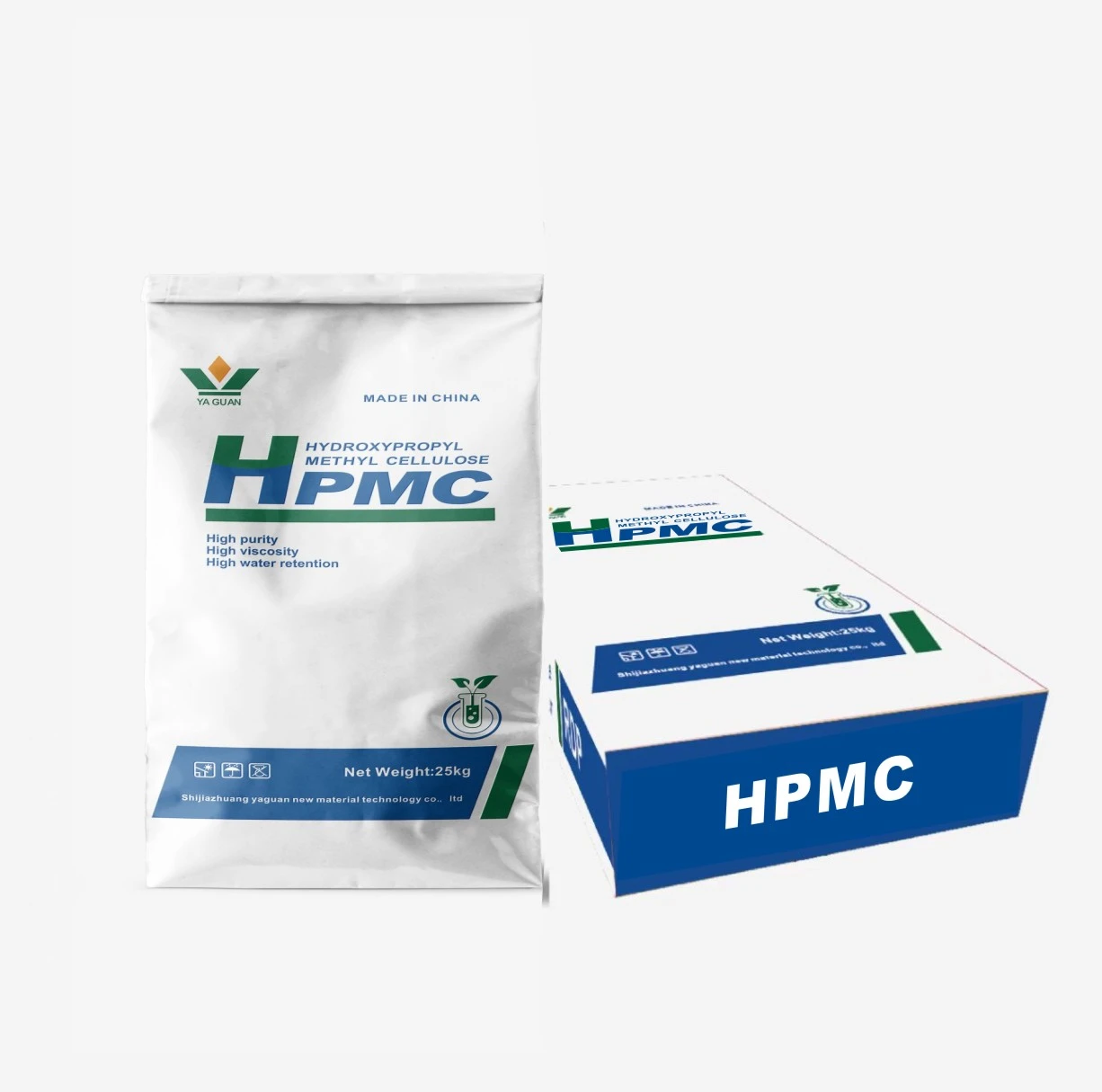

Understanding HPMC Concentration Range: Why It Matters Globally
Hydroxypropyl methylcellulose, or HPMC for short, might sound like a mouthful — but this simple ingredient quietly powers many industries, from pharmaceuticals to construction. The hpmc concentration range determines how this cellulose derivative performs, whether it’s stabilizing a tablet or improving the texture of a paint. Globally, understanding and optimizing this range means better product quality, cost savings, and more sustainable manufacturing.
It matters because, worldwide, manufacturers and scientists aim to hit that "sweet spot" concentration where HPMC offers peak functionality without waste or underperformance. So when you next use a sunscreen, a mortar, or even a gluten-free bread, you've got HPMC to thank — working within its ideal concentration range.
Global Context: The Expanding Role of HPMC in Industry
HPMC is no niche chemical. According to industry data, the global demand for cellulose ethers is expected to grow steadily, driven by expanding pharmaceutical markets and green construction initiatives. For instance, the World Bank estimates sustainable building materials will account for a considerable chunk of construction inputs by 2030. This naturally boosts reliance on polymers like HPMC.
However, the challenge is universal: how do industries balance cost, performance, and environmental impact? The solution lays in tightly controlling the hpmc concentration range. Too high, and production costs soar; too low, and product quality dips. It’s a delicate dance, but one that can’t be overlooked given the pressing global push for efficiency.
What Exactly is the HPMC Concentration Range?
In plain terms, the hpmc concentration range simply refers to the amount of hydroxypropyl methylcellulose dissolved or dispersed within a given formulation, expressed as a percentage. This range is crucial because it directly influences physical properties like viscosity, gel formation, and film strength.
Put another way, think of HPMC like the “secret sauce” in many formulas. If you add too little, you lose the magic; too much, and you end up with thick, gloopy messes. Properly tuning this concentration makes it integral to everything from delivering oral drugs reliably to making sure heavyweight wall plaster holds tight to a surface.
Key Factors Affecting Practical Application
1. Viscosity and Rheology
The concentration of HPMC largely controls the viscosity of a mix. For example, in construction, a 1–2% range might give ideal workability for mortar, while food products may require different levels for texture.
2. Thermal Gelation
HPMC displays temperature-dependent gelation, meaning it transforms structure as temperatures shift. This behavior alters with concentration, so understanding the range helps engineers tune products that set correctly.
3. Film Forming Ability
HPMC’s ability to form films affects coatings, capsules, and paints. Too little HPMC, and the film is weak; too much, and brittleness sets in.
4. Compatibility with Additives
The concentration range also affects how HPMC interacts with plasticizers, fillers, and other components. This means its optimum varies per application.
5. Cost Efficiency
Because HPMC raw material isn’t cheap, hitting the ideal concentration range lets producers avoid unnecessary expense while maintaining product quality.
Global Applications and Real-World Use Cases
Frankly, HPMC is everywhere. In pharmaceuticals, the concentration influences pill dissolution rates, ensuring consistent drug release worldwide. NGOs operating in disaster zones use optimized HPMC levels in quick-setting mortars to rebuild homes faster and stronger.
In Asia, rapid urbanization means companies increasingly apply HPMC in tile adhesives and plasters — again, calibrating concentration for local conditions. Meanwhile, in Europe and North America, sustainable packaging often contains HPMC-based films, valued for their biodegradability and safety.
Oddly enough, HPMC’s role also extends into vegan food products, where it improves mouthfeel and stability at concentrations precisely tailored to each recipe.
A Specification Snapshot: Typical HPMC Grades & Their Concentration Ranges
| Grade | Typical Use | Common Concentration Range | Viscosity (mPa·s) |
|---|---|---|---|
| Standard Viscosity | Pharmaceutical Tablets | 1.0%-3.0% | 400–800 |
| High Viscosity | Construction Mortars | 1.5%-3.5% | 1500–3000 |
| Low Viscosity | Food Thickeners | 0.5%-2.0% | 50–200 |
Advantages & Long-Term Value of Mastering HPMC Concentration
The benefits to dialing in the perfect hpmc concentration range are tangible. First off: improved product consistency. Users notice the difference in a smooth plaster finish or reliable drug delivery. Sustainability also ties in, as optimizing concentration reduces waste and reliance on excess chemical inputs.
On a human level, these benefits translate into safer buildings, better health outcomes, and more eco-friendly packaging. It kind of feels like getting quality without compromise — both emotionally and logically. And let’s not forget cost savings, which boost trust between suppliers and customers.
Future Trends & Innovations in HPMC Usage
Looking ahead, several exciting developments are reshaping how HPMC concentration is handled. Digitally controlled mixing systems allow real-time concentration adjustments, minimizing errors. Green chemistry drives efforts to source bio-based HPMC, complementing the shift towards sustainability.
Moreover, nano-scale HPMC modifications promise stronger, lighter composites for aerospace or medical implants. These advances all hinge on precise concentration management — underscoring why this seemingly simple parameter remains vital in innovation.
Challenges and Smart Solutions
That said, challenges exist. Variability in raw materials sometimes causes concentration fluctuations. Also, some industries struggle due to lack of standardization, leading to over- or under-dosing.
Solutions include advanced analytical methods like spectroscopy to monitor concentration during production, and more rigorous quality control protocols. Collaborations between suppliers and end-users help tailor ranges specifically for each application — which is really the best approach.
FAQ: Frequently Asked Questions About HPMC Concentration Range
- Q: What happens if the HPMC concentration is too low in pharmaceuticals?
A: Insufficient concentration can lead to poor tablet binding and inconsistent drug release, risking efficacy and safety. - Q: Can HPMC concentration be adjusted for different climates?
A: Yes, environmental factors affect viscosity and gelation, so concentration ranges are customized for humid versus dry regions. - Q: How do manufacturers ensure consistency in HPMC concentration?
A: They employ quality control tools such as rheometers, real-time mixing sensors, and strict raw material specifications. - Q: Is higher HPMC concentration always better for durability?
A: Not necessarily; too high can make materials brittle or costly without proportional performance gains. - Q: Where can I find detailed guidelines on ideal HPMC concentration ranges?
A: Industry standards bodies like ISO and suppliers’ technical datasheets provide tailored recommendations.
Vendor Comparison: Leading HPMC Suppliers and Their Focus Areas
| Supplier | Primary Market | Typical Concentration Range | Unique Selling Point |
|---|---|---|---|
| Yaguan HPMC | Pharma & Construction | 1.0% - 3.5% | Custom blends & strict QC |
| Dow Chemical | Industrial Adhesives | 0.8% - 3.0% | Wide viscosity profile |
| Ashland | Food, Personal Care | 0.5% - 2.5% | Eco-friendly grades |
Final Thoughts
In the grand scheme, the hpmc concentration range isn’t just a technical checklist. It’s a key parameter that shapes everything from drug safety to sustainable buildings. As industries continue evolving, understanding and respecting this range is central to innovation, quality, and cost-efficiency.
If you’re keen on mastering these benefits or sourcing reliable HPMC products backed by expert support, visit us at Yaguan HPMC. There you’ll find more insights, detailed specs, and options tailored to your needs.
References:
- Wikipedia - Hydroxypropyl Methylcellulose
- ISO Standards for Building Materials
- World Bank Data on Sustainable Industry