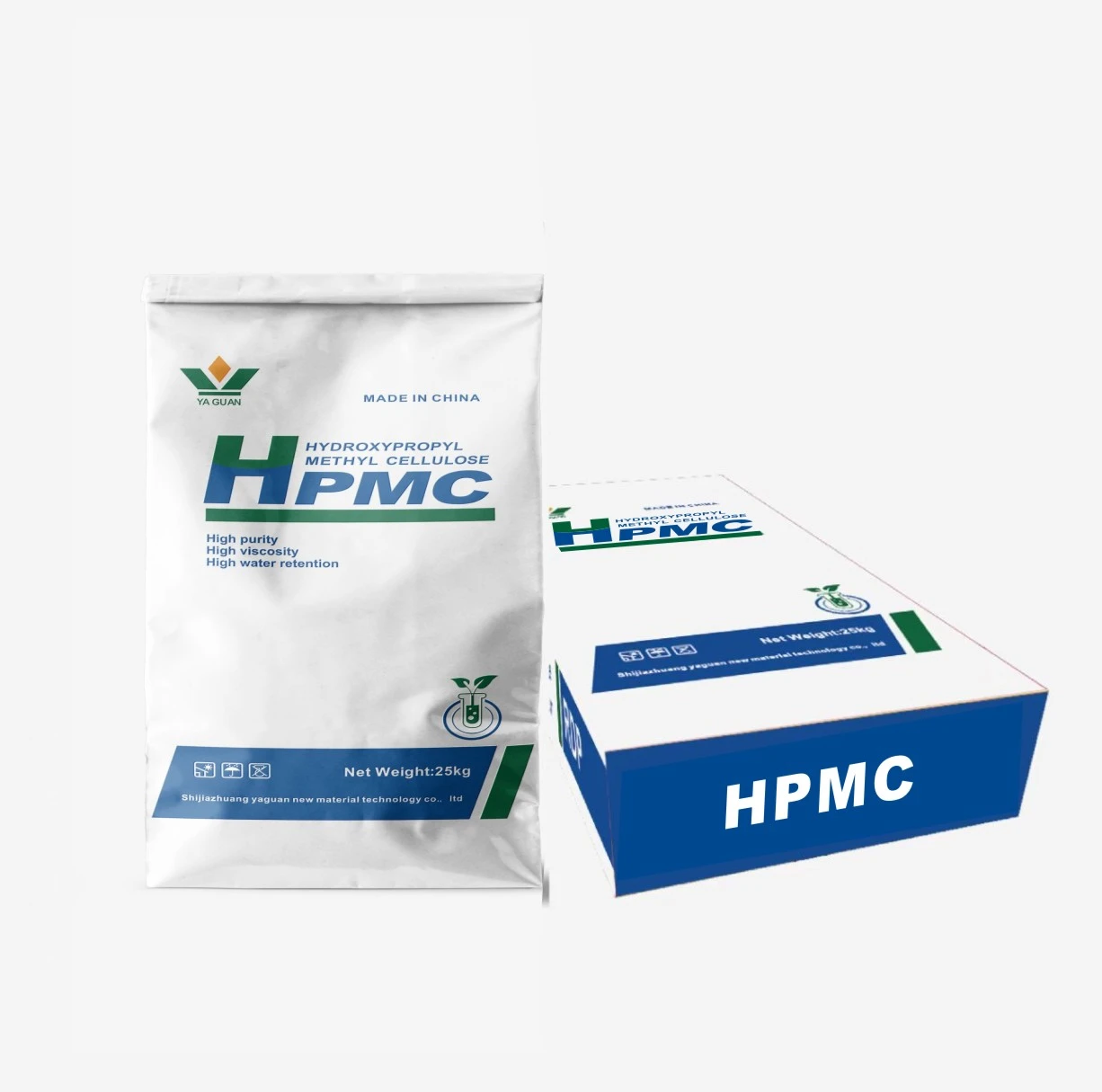

The Promise and Power Behind Methyl Hydroxyethyl Cellulose Uses
If you’ve ever paused to wonder what binds your favorite paint or thickens that comforting lotion on a shelf, methyl hydroxyethyl cellulose — or MHEC, as many call it — is likely at work. It may sound like a complex chemical, but its uses ripple globally through industries from construction to pharmaceuticals. Understanding how and why methyl hydroxyethyl cellulose is so widely applied unlocks insights into sustainability, innovation, and practical solutions to everyday challenges.
Setting the Global Stage: Why Methyl Hydroxyethyl Cellulose Uses Matter
Worldwide, industries seek versatile, safe, and eco-friendly additives to improve product performance without hefty environmental costs. Consider the construction sector alone: as the demand for improved cement blends rises by nearly 5% annually (ISO), additives like MHEC are essential for enhancing workability and durability. Or, in pharmaceuticals, where patient safety and precise dosing hinge on reliable excipients.
Yet, challenges persist — raw material scarcity, rising costs, and environmental regulations press innovators to find cellulose derivatives that balance function with responsibility. That’s where methyl hydroxyethyl cellulose’s unique properties come into play.
Defining Methyl Hydroxyethyl Cellulose Uses: The Nuts and Bolts
Simply put, methyl hydroxyethyl cellulose is a chemically modified cellulose, derived from natural plant fibers, enhanced to dissolve in cold water and thicken fluids. Its versatility arises from combining methylation and hydroxyethylation, which tweak solubility and viscosity.
Industrially, it’s a prized thickener, binder, and film former. Humanitarian-wise, its role in producing materials that are lightweight, durable, and moisture-retentive makes it part of innovations in areas like rapid construction blocks or medical creams.
Core Components and Key Factors That Shape Its Applications
Water Retention & Moisture Control
MHEC’s ability to hold water impacts everything from cement setting times to formulations of cosmetic creams. This property means longer work times for construction crews and smoother textures for products.
Viscosity Modification
Regulating fluid thickness is crucial. For example, in adhesives or paints, adjusting viscosity affects spreadability and adhesion — qualities engineers swear by.
Thermal Stability
Unlike many thickeners, methyl hydroxyethyl cellulose remains stable under varying temperatures, a trait that benefits outdoor applications across climates — think building materials in cold winters or hot summers.
Compatibility With Other Ingredients
MHEC doesn’t act alone; it meshes well with other polymers, salts, and pigments. This league of components makes it a go-to additive in complex formulations.
Non-Toxicity and Safety
Derived from natural fibers and modified without harsh chemicals, MHEC is generally recognized as safe for various uses — a key selling point in food, pharma, and cosmetics.
Global Applications & Real-World Use Cases of Methyl Hydroxyethyl Cellulose Uses
Its footprint is practically everywhere. In Asia, rapidly growing cement industries incorporate MHEC to achieve improved workability, which directly affects infrastructure quality. Europe’s cosmetic brands favor its safe thickening action to create eco-friendly lotions. Meanwhile, pharmaceutical producers in North America count on it for controlled-release tablets and suspensions.
Post-disaster relief efforts have also benefited: lightweight, moisture-retaining materials made with MHEC have enabled faster deployment of temporary shelters that maintain insulation and resist humidity. Oddly enough, even the paper and textile industries embrace it to add strength and smoothness.
Check out detailed methyl hydroxyethyl cellulose uses for insights across sectors.
Product Specification Table – Typical Commercial Grade MHEC
| Parameter | Typical Value | Unit |
|---|---|---|
| Appearance | White Powder | - |
| Methoxy Content | 19.0 – 24.0 | % |
| Hydroxyethyl Content | 9.0 – 12.0 | % |
| Viscosity (2% solution, 20°C) | 2000 – 4000 | mPa·s |
| pH (1% solution) | 6.5 – 8.0 | - |
| Moisture Content | ≤ 5.0 | % |
Advantages and Long-Term Value of Methyl Hydroxyethyl Cellulose Uses
Why do manufacturers keep going back to MHEC despite many alternatives? Its balance of cost-effectiveness, versatility, and environmental friendliness is hard to beat. For industries aiming to reduce volatile organic compounds (VOCs), MHEC often replaces harsher chemicals, making products safer for consumers and workers alike.
On a social level, its role in enabling better housing materials or medical formulations means healthier, safer communities — and who can put a price on that? Longevity is another asset. Products with MHEC-enhanced binders last longer under stress, reducing waste and enhancing consumer trust.
Future Trends & Innovations in Methyl Hydroxyethyl Cellulose Uses
Looking ahead, the buzz is all about sustainability and smart materials. Researchers are blending MHEC with bio-based nanomaterials to boost strength and reduce carbon footprints. Imagine a world where construction additives not only make cement more pliable but also actively capture CO2 from the air.
Automation is another frontier. AI-driven formula adjustments could fine-tune MHEC concentrations in real time during manufacturing, cutting down waste and optimizing quality.
Challenges & Innovative Solutions in Current MHEC Applications
Admittedly, no material is perfect. MHEC can be sensitive to extremely high salinity and certain chemical contaminants, which can impair performance. In cold climates, thickening properties occasionally fluctuate, requiring backup additives.
Smart blending strategies and improved purification techniques today help overcome such hurdles. Meanwhile, partnerships between suppliers and customers foster better understanding of tailored formulations — a trend that, frankly, benefits everyone.
Vendor Comparison Table for Commercial Methyl Hydroxyethyl Cellulose Supplies
| Vendor | Purity (%) | Price (per kg) | Delivery Time | Special Features |
|---|---|---|---|---|
| Yaguan Chemicals | 99.5 | $9.50 | 5-7 days | Custom grades, Green-certified |
| Global Cellulose Co. | 98.7 | $10.00 | 7-10 days | Wide stock, Standard purity |
| EcoThick Solutions | 99.0 | $9.80 | 6-8 days | Sustainable processing, Vegan |
FAQ: Common Questions About Methyl Hydroxyethyl Cellulose Uses
Q1: What industries benefit most from methyl hydroxyethyl cellulose?
A1: Construction, pharmaceuticals, cosmetics, and adhesives industries extensively use methyl hydroxyethyl cellulose for its thickening, water retention, and binding features. Its versatility makes it valuable wherever fluid control and product stability are needed.
Q2: Is methyl hydroxyethyl cellulose safe for food and pharmaceuticals?
A2: Yes, MHEC is generally recognized as safe by regulatory bodies when used as an excipient or thickener in controlled amounts. Always ensure compliance with relevant food or drug safety standards.
Q3: How does MHEC improve construction materials?
A3: By improving water retention and workability, methyl hydroxyethyl cellulose helps cement mixtures cure more evenly and gain strength, reducing cracking and improving durability.
Q4: Can methyl hydroxyethyl cellulose be customized for specific applications?
A4: Definitely. Different substitution levels (methoxy and hydroxyethyl content) allow manufacturers to tailor viscosity, solubility, and thermal stability according to need.
Q5: What are the storage requirements for MHEC?
A5: MHEC should be stored in a dry, cool place, away from high humidity to prevent clumping and degradation of properties.
Wrapping It Up: The Long-Term Payoff of Harnessing MHEC
In the grand scheme, methyl hydroxyethyl cellulose uses are quietly advancing industries toward smarter, safer, and more sustainable products. Its flexibility to adapt, its roots in renewable resources, and its proven track record make it a stellar additive choice across continents and applications.
For more detailed explorations and sourcing options, visit https://www.yaguanhpmc.com — where expertise meets innovation.