
Unlocking the Potential of Hydroxyethyl Cellulose for Paint: A Global Perspective
Hydroxyethyl cellulose for paint — sounds a bit technical, right? But this compound plays an unsung hero’s role in the coatings industry worldwide. At its core, it’s about enhancing paint’s texture, durability, and application ease. As urbanization and construction boom, not to mention the rising call for sustainable products, understanding this polymer’s role becomes a surprisingly essential conversation piece for professionals and hobbyists alike.
Globally, paints and coatings form a market worth tens of billions of dollars. The United Nations Environment Programme has noted how better paint formulations reduce harmful emissions and extend infrastructure lifespans, which ties back to the additives like hydroxyethyl cellulose. Perhaps the key takeaway here is that these additives, though microscopic in concentration, have a massive impact on the quality, environmental footprint, and adaptability of paints across continents.
Why Hydroxyethyl Cellulose for Paint Matters on a Global Scale
The paints and coatings sector is growing at roughly 5% a year and faces increasing environmental scrutiny. Hydroxyethyl cellulose (HEC) comes into focus as a cellulose-derived water-soluble polymer that adjusts viscosity and stability in water-based paints — which are becoming the industry norm due to VOC regulations (volatile organic compounds). The ISO and the EPA have pushed for safer formulations, and HEC neatly fits that bill by helping reduce reliance on harsher chemicals.
However, there’s always a technical challenge: balancing paint’s ease of application without sacrificing adhesion or finish quality. HEC’s tailored molecular structure solves this almost like a molecular Swiss Army knife. This solves the "can’t have your cake and eat it" problem of paint formulation — you want smooth application and durability without toxic side effects.
Defining Hydroxyethyl Cellulose for Paint
Simply put, hydroxyethyl cellulose is a cellulose-based polymer modified by attaching hydroxyethyl groups onto cellulose molecules. This tweak makes it soluble in cold water, unlike native cellulose, which needs steaming or harsh treatment. For paint, this means it acts as a reliable thickener, stabilizer, and water retention agent, enhancing paint's consistency, workability, and overall finish.
The connection to the modern industry is clear: as waterborne paints replace solvent-based ones, they need additives that prevent pigment settling, improve film formation, and are safe to handle. Also, in humanitarian contexts, like rebuilding after natural disasters or in remote construction zones, paints with HEC offer dependable quality where resources and expertise might be limited.
Mini takeaway:
HEC essentially upgrades paint from a simple coating to a more sophisticated system—crucial for modern environmental and practical demands.
Core Components and Key Factors of Hydroxyethyl Cellulose for Paint
1. Viscosity Control
HEC offers shear-thinning behavior, meaning paint flows under brushing or rolling but thickens when at rest, preventing drips or sagging. This factor is indispensable for smooth application and aesthetic finish, especially on vertical surfaces.
2. Water Retention
During drying, rapid water loss can cause cracking or uneven surfaces. HEC slows evaporation, ensuring uniform drying and better film integrity.
3. Compatibility
HEC’s chemical nature allows it to work well with diverse pigments, binders, and other additives without causing flocculation—a fancy term for clumping. This compatibility improves shelf life and stability.
4. Environmental Safety
Because it's derived from cellulose, a natural polymer, HEC is biodegradable and less toxic compared to synthetic thickeners. This supports green product claims and regulatory compliance.
5. Cost Efficiency
Despite its performance edge, HEC is competitively priced, offering formulators a balance between premium quality and affordability.
Mini takeaway:
Each property of HEC feeds directly into solving practical paint challenges — from application to environmental impact.
Global Applications and Use Cases
- Construction Industry: Around the world, from skyscrapers in Dubai to housing in affordable neighborhoods in Brazil, paints enhanced with HEC provide reliable finishes that resist peeling and improve appearance.
- Industrial Coatings: Facilities in Europe and Asia use HEC-based paints for machinery and infrastructure, appreciating how it supports anti-corrosion and easy application.
- Post-Disaster Relief: NGOs rely on such paints for rebuilding efforts in Haiti or Indonesia, where durable, quick-drying, and safe paints can mean the difference between disaster and dignity.
- DIY and Consumer Goods: Availability of HEC in hobbyist paints ensures ease of brushwork and reduced fumes—a win for home painters in urban apartments worldwide.
Mini takeaway:
The real-world use of hydroxyethyl cellulose in paints spans from huge industrial projects down to your weekend wall refresh.
Advantages & Long-Term Value of Hydroxyethyl Cellulose for Paint
Frankly, it feels like this additive offers a complex cocktail of benefits. On the cost front, longer shelf-life and reduced paint wastage make it appealing. Sustainability wise, better paint durability means infrastructures last longer, which translates to less frequent repainting and fewer resource drains.
Socially and emotionally, paints are more than color — they’re about protection and identity. Using safer, greener components like HEC promotes better indoor air quality and reduces exposure to harmful chemicals. In some ways, it fosters trust between manufacturers and consumers who are increasingly eco-conscious.
Product Specification Table: Typical Hydroxyethyl Cellulose Grades for Paint
| Specification | Low Viscosity Grade | Medium Viscosity Grade | High Viscosity Grade |
|---|---|---|---|
| Viscosity (mPa·s, 2% solution) | 50 - 100 | 300 - 500 | 1000 - 1500 |
| Substitution Degree | ~0.25 | ~0.3 | ~0.35 |
| pH Stability Range | 5-11 | 5-11 | 5-11 |
| Solubility | Cold water soluble | ||
Vendor Comparison: Top Hydroxyethyl Cellulose Suppliers for Paint Industry
| Supplier | Price (per kg) | Grade Options | Sustainability Certification | Global Reach |
|---|---|---|---|---|
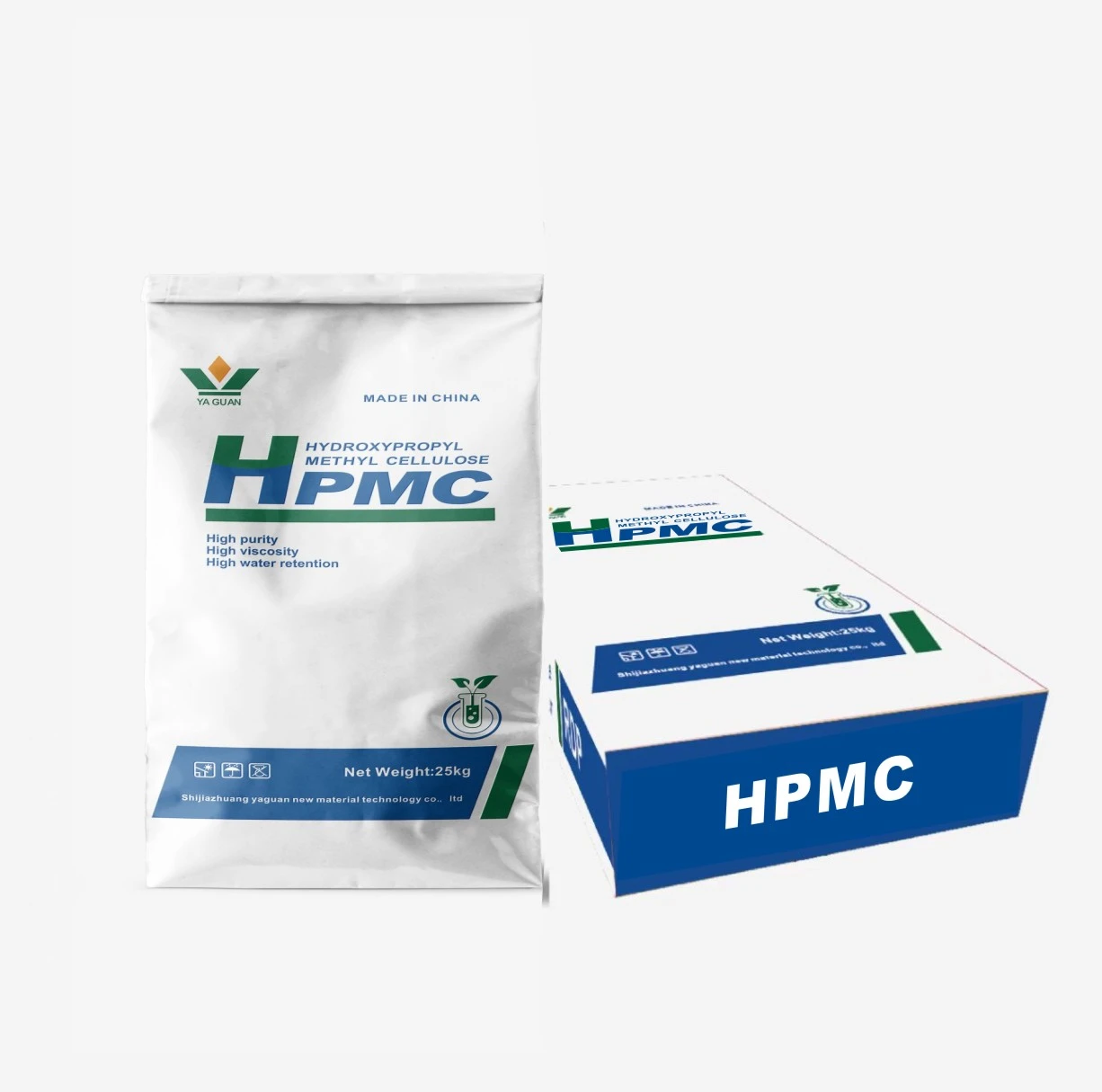
| Yaguan HPMC | $2.50 - $3.00 | Low, Medium, High | ISO 14001 | Asia, Americas, Europe |
| Dow Chemicals | $3.00 - $3.50 | Medium, High | ISO 9001, REACH | Worldwide |
| Ashland | $2.80 - $3.20 | Low, Medium | ISO 14001, FDA Certified | North America, Europe |
Future Trends and Innovations in Hydroxyethyl Cellulose Usage
Looking ahead, the world is inching toward greener chemistry and digital innovation. Hydroxyethyl cellulose manufacturers are experimenting with bio-based feedstocks and energy-efficient synthesis methods, further reducing environmental impact. Also, nano-engineering additives to fine-tune performance — such as incorporating HEC with nanoparticles for enhanced anti-corrosion properties — is a hot topic in paint R&D labs.
Automation in paint manufacturing plants paired with AI-driven quality control is streamlining HEC usage for optimal formulations personalized to local climate and surface conditions. Frankly, it feels like these tweaks could revolutionize painting in harsh or unpredictable environments, offering durability that we only dreamt about a decade ago.
Challenges and How Experts Are Tackling Them
No material is perfect, and HEC is no exception. For one, extreme pH environments can challenge its stability, necessitating complementary stabilizers. Also, supply chain hiccups following worldwide shipping disruptions have pushed formulators to diversify sources and develop local production capabilities.
Innovators are addressing these issues by tailoring HEC molecular weights and substitution degrees to specific paint systems, optimizing both cost and performance. Plus, ongoing research about blends with other cellulose ethers offers a way to overcome limitations in specialized coatings, like those used underwater or in cold climates.
FAQ: Your Questions About Hydroxyethyl Cellulose for Paint
- Q1: How does hydroxyethyl cellulose improve paint application?
- A: HEC controls paint viscosity, enabling smooth brushing or spraying and reducing dripping. Its shear-thinning property means the paint flows when applied but thickens when resting, which prevents runs on walls.
- Q2: Is hydroxyethyl cellulose safe for indoor paint products?
- A: Absolutely. HEC is derived from cellulose and is non-toxic and biodegradable. It replaces synthetic thickeners that may emit harmful VOCs, making it favorable for interior paints.
- Q3: Can HEC-based paints be used in extreme climates?
- A: Yes, though in highly alkaline or acidic conditions, additional stabilizers may be needed. Formulators tailor HEC grades for better performance adapted to temperature fluctuations and humidity variations.
- Q4: Is hydroxyethyl cellulose expensive compared to alternatives?
- A: Generally, HEC is competitively priced, especially given its multifunctional role. The longer paint shelf-life and durability it offers actually saves money over time.
- Q5: Where can I purchase industry-grade hydroxyethyl cellulose?
- A: Reputable suppliers include Yaguan HPMC, Dow Chemicals, and Ashland. Purchasing directly from certified vendors ensures consistent quality and technical support.
Conclusion: Why Hydroxyethyl Cellulose for Paint Deserves Your Attention
In real terms, hydroxyethyl cellulose is a material that quietly empowers modern paint formulations to be safer, more effective, and more sustainable. It acts as the backbone of many water-based paints, harmonizing performance with environmental stewardship. Whether you’re an industry professional sourcing additives or an end-user curious about what makes your paint “work,” HEC is worth a nod.
Ready to explore top-quality hydroxyethyl cellulose options for your coatings? Visit hydroxyethyl cellulose for paint to discover how Yaguan HPMC tailors solutions to meet today’s toughest demands.