Understanding PVA Material: Applications and Benefits
Polyvinyl Alcohol (PVA) is a versatile synthetic polymer with a wide array of applications across numerous industries. Known for its excellent film-forming, emulsifying, and adhesive properties, PVA material offers unique advantages in fields ranging from textiles and adhesives to packaging and even biomedical applications. This article will delve into the properties, manufacturing processes, applications, and benefits of PVA, providing a comprehensive overview for professionals and anyone seeking to understand this remarkable material. The demand for PVA is continuously growing due to its sustainable properties and versatility.
What is PVA Material and How is it Made?
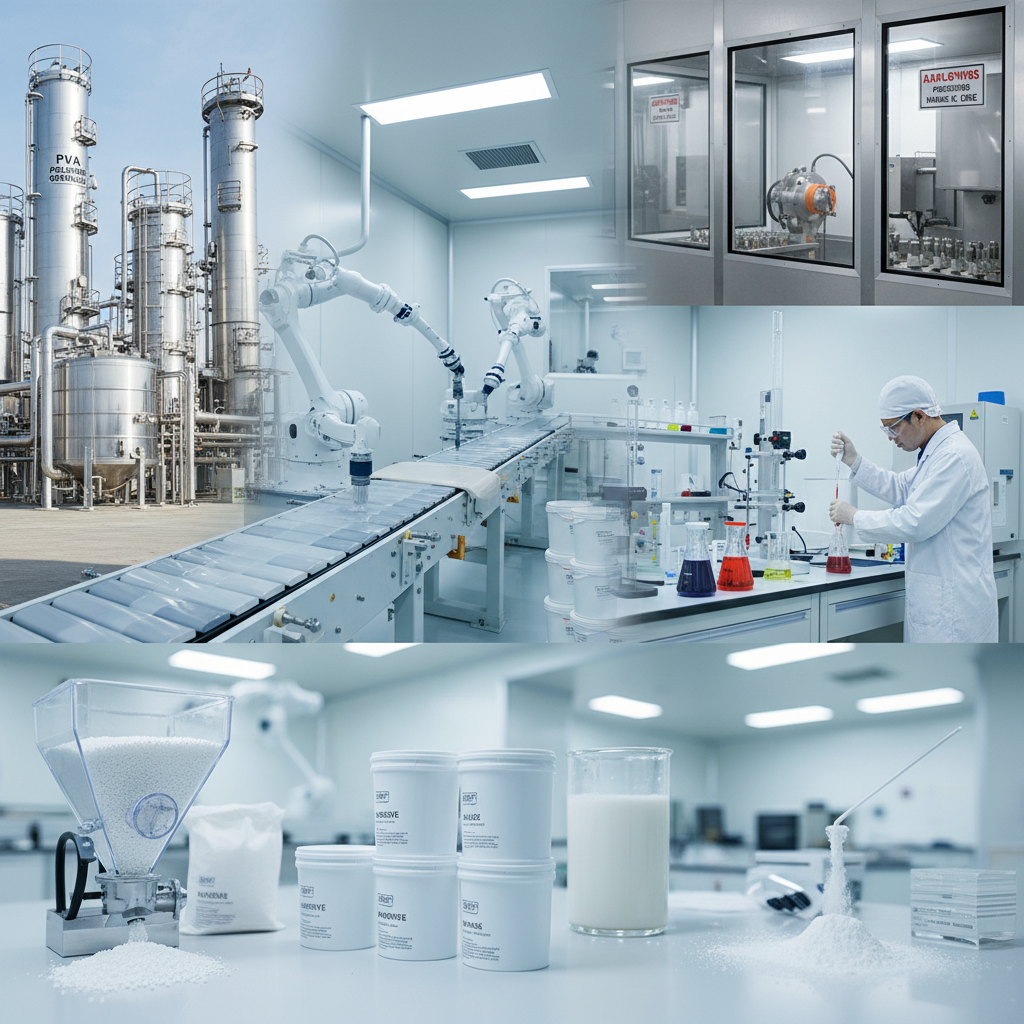
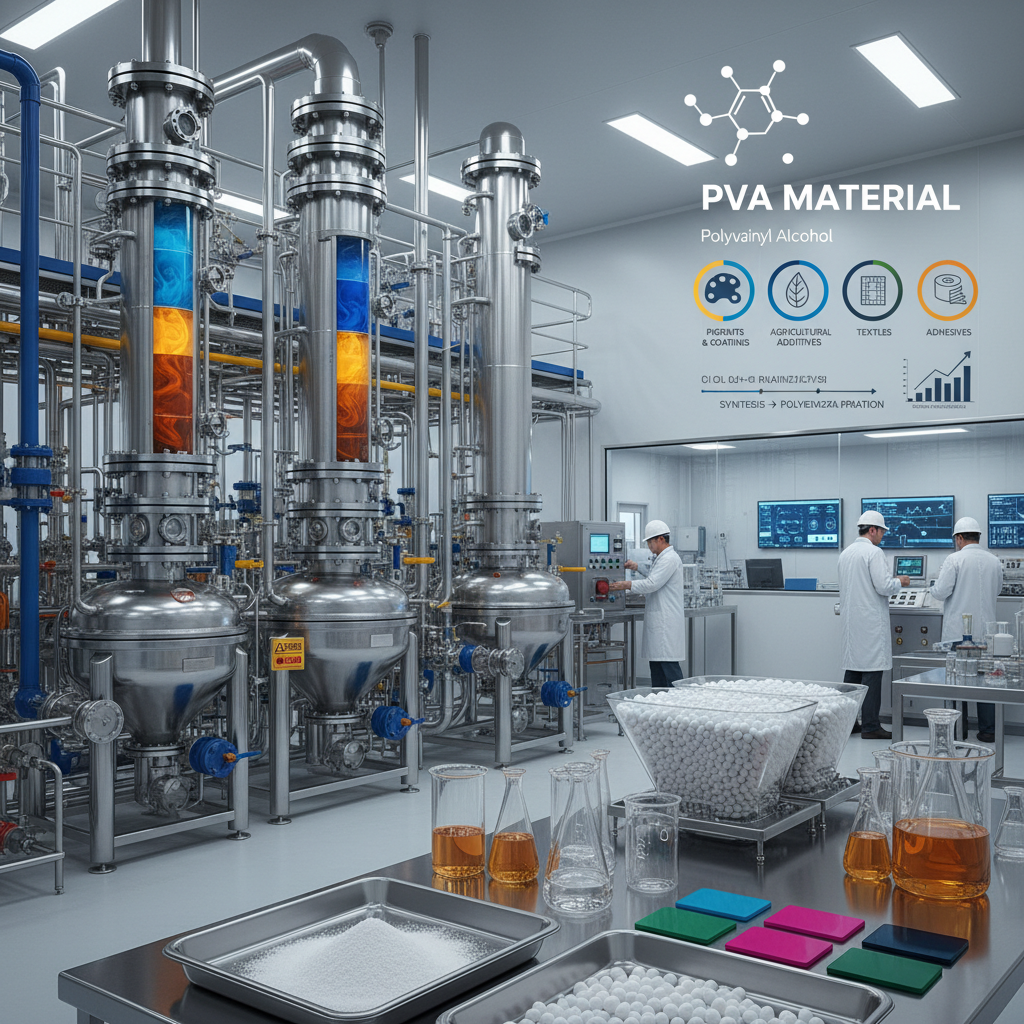
PVA is created through the hydrolysis of polyvinyl acetate. This process involves breaking down polyvinyl acetate (PVA) with water, removing most of the acetate groups. The degree of hydrolysis dictates the properties of the resulting PVA – higher hydrolysis leads to increased water solubility and strength. PVA is typically available as a white or cream-colored powder or granules and is known for being odorless and non-toxic. Yaguan HPMC is a leading supplier of high-quality PVA materials tailored to various industrial needs. The manufacturing process is carefully controlled to ensure consistent quality and performance.
Key Highlights: PVA is created through the hydrolysis of polyvinyl acetate, with the degree of hydrolysis impacting its properties. It’s known for its water solubility, non-toxicity, and versatile applications.
Key Applications of PVA Material
The diverse properties of PVA make it suitable for a remarkably broad range of applications. In the textile industry, it’s used as a warp sizing agent to strengthen yarns. As an adhesive, it provides strong bonding in paper packaging and woodworking. PVA films are used in packaging due to their oxygen barrier properties and biodegradability. Furthermore, it's a key component in the production of emulsion paints, providing excellent pigment suspension and film formation. In the biomedical field, PVA is utilized in drug delivery systems and artificial cartilage due to its biocompatibility. These applications highlight the versatility of PVA material.
PVA Applications:
• Textile warp sizing
• Adhesives for paper and wood
• Packaging films
• Emulsion paints
• Biomedical applications
PVA Material: Grades and Their Properties
PVA is available in various grades, categorized by their degree of hydrolysis and viscosity. These parameters influence the material's solubility, film strength, and adhesive properties. Fully hydrolyzed PVA (around 98-99%) is highly water-soluble and forms strong, clear films. Partially hydrolyzed PVA offers different characteristics, suitable for applications requiring specific tack or film flexibility. Viscosity, measured in centipoise (cP), dictates the material's flow behavior and affects its application method. Choosing the right grade of PVA is crucial for optimal performance.
Benefits of Using PVA Material
PVA offers several benefits compared to other polymers. It's non-toxic and biodegradable, making it an environmentally friendly choice. Its excellent film-forming properties result in clear, strong, and flexible films. PVA's high water solubility makes it easy to process and remove. Additionally, it exhibits good resistance to oil and solvents. The cost-effectiveness of PVA material further enhances its appeal across various industries.
Conclusion: A Sustainable and Versatile Polymer
PVA remains a crucial polymer in numerous applications, offering a balance of performance, cost-effectiveness, and sustainability.
As industries continue to prioritize environmentally friendly materials, the demand for PVA is expected to grow. Yaguan HPMC is dedicated to providing high-quality PVA solutions to meet the evolving needs of its customers.
Frequently Asked Questions (FAQs)
Is PVA biodegradable?
Yes, PVA is considered biodegradable under specific conditions. While it doesn't readily break down in all environments, it's biodegradable in soil and wastewater treatment plants due to the action of microorganisms. The rate of biodegradation depends on factors like the degree of hydrolysis, pH, temperature, and microbial activity. It’s a more environmentally friendly alternative to many other synthetic polymers.
What are the safety considerations when handling PVA?
PVA is generally considered non-toxic and safe to handle. However, it's always advisable to wear appropriate personal protective equipment (PPE) such as gloves and eye protection when handling any chemical substance. Avoid inhaling PVA dust, as it can cause respiratory irritation. Ensure adequate ventilation in the work area. Refer to the Material Safety Data Sheet (MSDS) for detailed safety information.
What is the difference between PVA and PVB?
While both PVA (Polyvinyl Alcohol) and PVB (Polyvinyl Butyral) are derived from polyvinyl acetate, they have distinct properties. PVB is produced by further processing PVA, resulting in a material with improved flexibility, toughness, and adhesion. PVB is commonly used in safety glass, while PVA finds applications in textiles, adhesives, and packaging. PVB has better impact resistance but is more expensive than PVA.