PVA Use: A Comprehensive Guide to Polyvinyl Alcohol Applications
Polyvinyl Alcohol (PVA) is a versatile synthetic polymer with a remarkably wide array of applications, spanning from industrial processes to everyday consumer products. Its water solubility, biodegradability, and film-forming properties make it a valuable material across numerous sectors. This article will explore the diverse uses of PVA, covering its chemical characteristics, manufacturing processes, key industries, and future trends. Understanding the benefits and limitations of PVA is crucial for professionals seeking innovative and sustainable material solutions.
Understanding the Chemical Properties of PVA
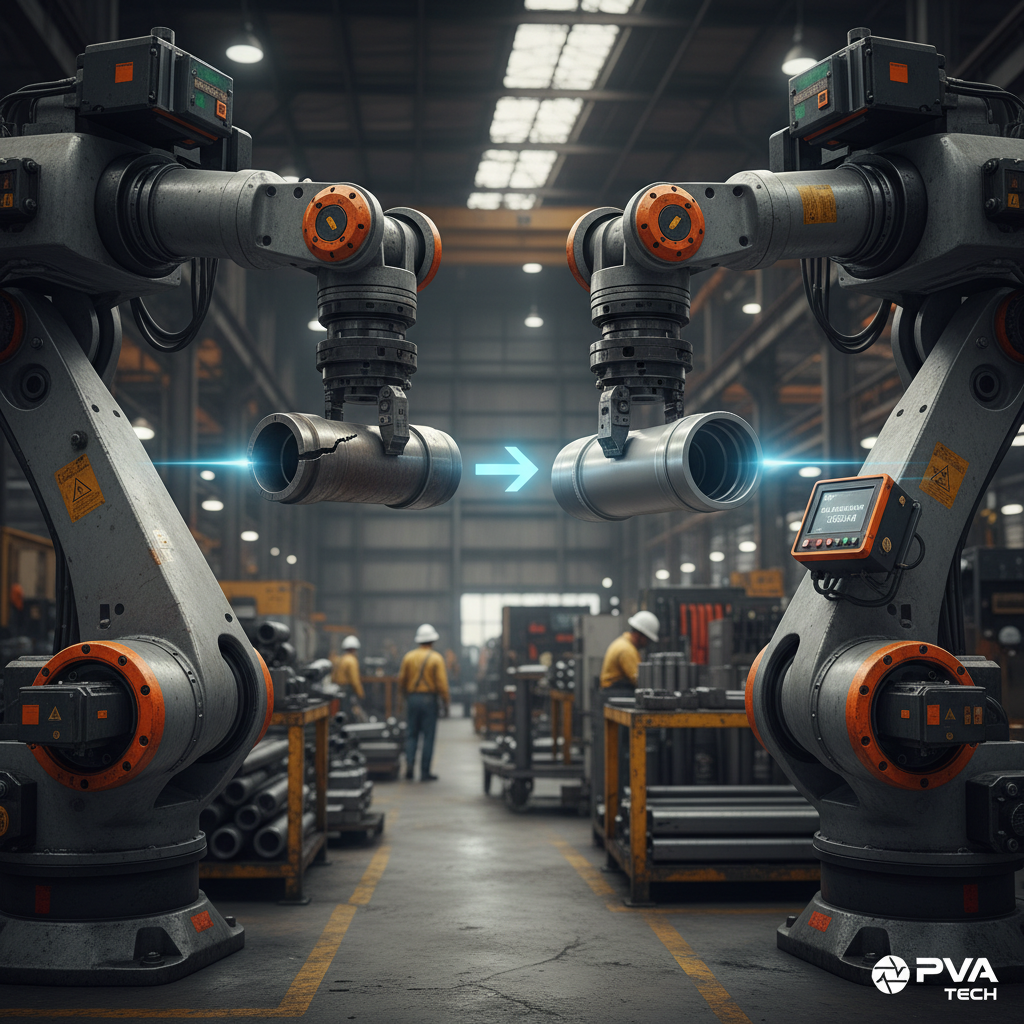
PVA is a synthetic polymer produced through the polymerization of vinyl acetate. The resulting polymer is then hydrolyzed to remove most of the acetate groups, creating the water-soluble PVA. The degree of hydrolysis significantly impacts the polymer’s properties: higher hydrolysis levels result in greater water solubility and increased tensile strength. PVA is typically available in powder or solution form, and its viscosity varies depending on its molecular weight and concentration. Its ability to form strong, flexible films, even when dry, makes it ideal for applications like adhesives and coatings. Furthermore, PVA exhibits excellent gas barrier properties and resistance to many solvents.
Key Properties: Excellent film-forming properties, water solubility, biodegradability, good tensile strength, and resistance to many solvents.
PVA Applications in the Textile Industry
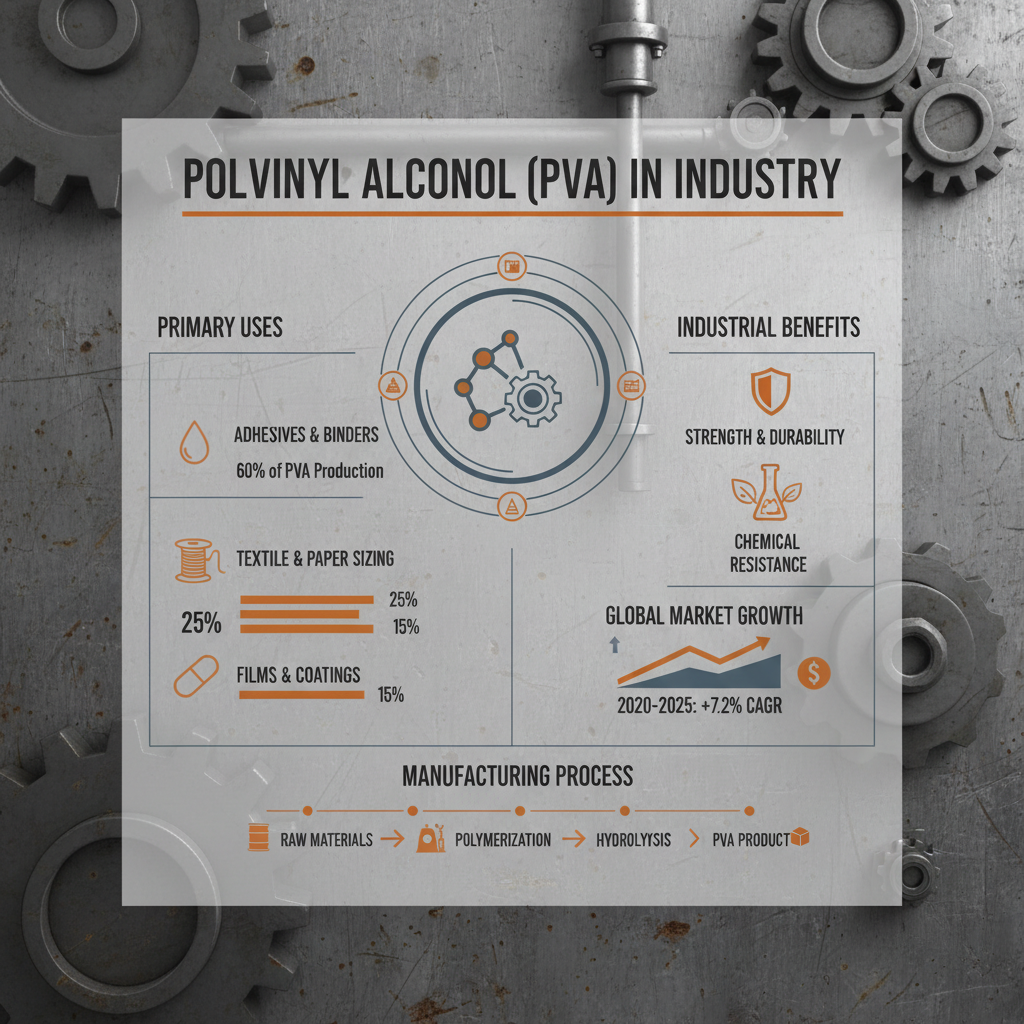
The textile industry is a significant consumer of PVA. It's used extensively as a warp sizing agent, coating cotton yarns to increase their strength and abrasion resistance during weaving. This prevents yarn breakage and improves weaving efficiency. PVA is easily removed after weaving through a washing process. It’s also used as a thickening agent in textile printing, ensuring sharp and defined patterns. Furthermore, PVA finds application in textile finishing, enhancing the fabric's handle and appearance. Its role in improving the quality and productivity of textile manufacturing is substantial.
Textile Industry Benefits:
• Increases yarn strength and abrasion resistance
• Improves weaving efficiency
• Acts as a thickening agent for textile printing
• Enhances fabric handle and appearance
PVA vs. Other Sizing Agents: A Comparative Analysis
While other sizing agents are available, PVA often outperforms them in specific areas. Compared to starch-based sizing, PVA offers superior strength, abrasion resistance, and smoothness. However, starch is more biodegradable and cost-effective. Acrylic sizing agents provide excellent strength and clarity, but they are significantly more expensive than PVA. The choice of sizing agent depends on the specific requirements of the textile being produced, balancing performance, cost, and environmental considerations. Yaguan HPMC offers a range of PVA grades for optimal textile applications.
Beyond Textiles: Diverse PVA Applications
The versatility of PVA extends far beyond the textile industry. It's a crucial component in paper coatings, enhancing printability and strength. In adhesives, PVA provides strong and flexible bonds for various materials. The construction industry utilizes PVA in cement and mortar mixes to improve workability and adhesion. Furthermore, PVA is used in the production of polyvinyl butyral (PVB), a key material in laminated safety glass found in automobile windshields and architectural applications. Its applications in biomedical engineering are also expanding, including drug delivery systems and tissue engineering.
PVA Grades and Specifications
PVA is available in various grades, categorized by molecular weight, degree of hydrolysis, and viscosity. These specifications are critical for ensuring optimal performance in specific applications. Higher molecular weight PVA generally exhibits greater strength and viscosity, while a higher degree of hydrolysis leads to improved water solubility. Selecting the appropriate grade requires careful consideration of the end-use requirements. Yaguan HPMC provides detailed product specifications and technical support to assist customers in choosing the ideal PVA grade for their needs.
Conclusion: PVA - A Sustainable and Versatile Polymer
PVA’s remarkable properties and diverse applications solidify its position as a crucial material across numerous industries. Its biodegradability and water solubility offer sustainable advantages, making it an increasingly attractive alternative to traditional petroleum-based polymers. As research and development continue, we can expect even more innovative applications for PVA to emerge. Choosing the right PVA grade from a trusted supplier, like Yaguan HPMC, ensures optimal performance and long-term value.
Frequently Asked Questions (FAQs)
Is PVA biodegradable?
Yes, PVA is considered biodegradable under certain conditions. Its biodegradability depends on factors like molecular weight, degree of hydrolysis, and the surrounding environment. Lower molecular weight PVA generally degrades more readily than higher molecular weight variants. It breaks down through microbial action in soil and wastewater treatment plants. However, the rate of degradation can be slow in anaerobic environments or with high levels of cross-linking. Choosing PVA grades specifically designed for biodegradability can further enhance its environmental profile.
What are the common applications of PVA in adhesives?
PVA is widely used in adhesives due to its strong bonding properties, flexibility, and water solubility. Common applications include wood adhesives (such as white glue), paper adhesives (for bookbinding and packaging), and general-purpose adhesives for crafts and household use. PVA adhesives are favored for their ease of use, low toxicity, and relatively low cost. They are often modified with additives to enhance specific properties, such as water resistance or heat resistance.
Can PVA be used in food packaging?
Yes, PVA can be used in food packaging applications, but it must meet specific regulatory requirements. PVA films offer excellent gas barrier properties, protecting food from spoilage. They are often used as a coating for paper and cardboard packaging. However, direct contact with food may require PVA grades that are FDA-approved and comply with relevant food safety regulations. PVA’s biodegradability also makes it an appealing option for sustainable food packaging solutions.
What safety precautions should be taken when handling PVA?
PVA is generally considered non-toxic, but it's always advisable to follow basic safety precautions. Avoid inhaling PVA dust, as it can cause respiratory irritation. Wear appropriate personal protective equipment (PPE), such as gloves and safety glasses, when handling PVA solutions or powders. Ensure adequate ventilation in the work area. If PVA comes into contact with skin or eyes, rinse thoroughly with water. Consult the material safety data sheet (MSDS) for detailed safety information.