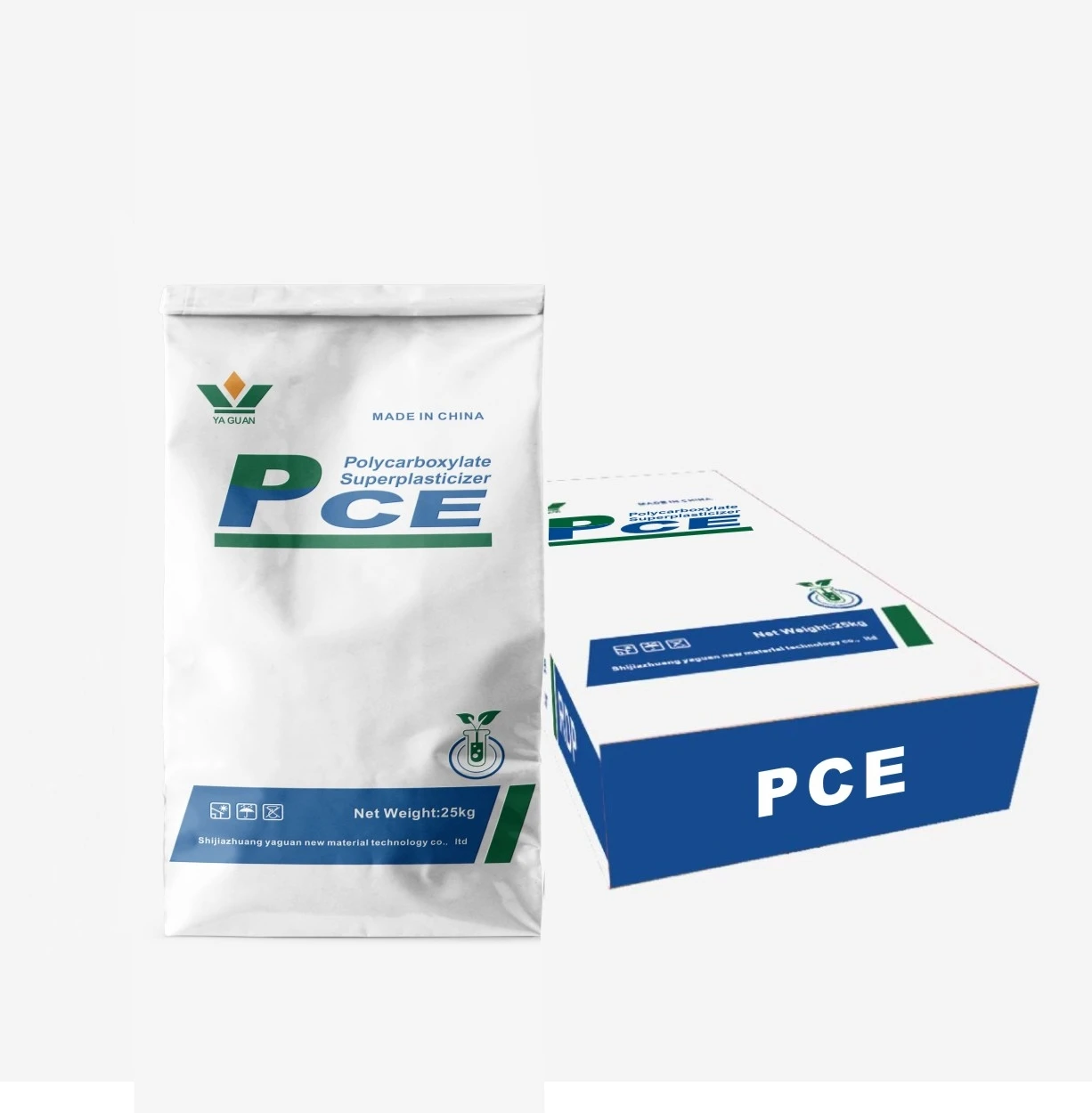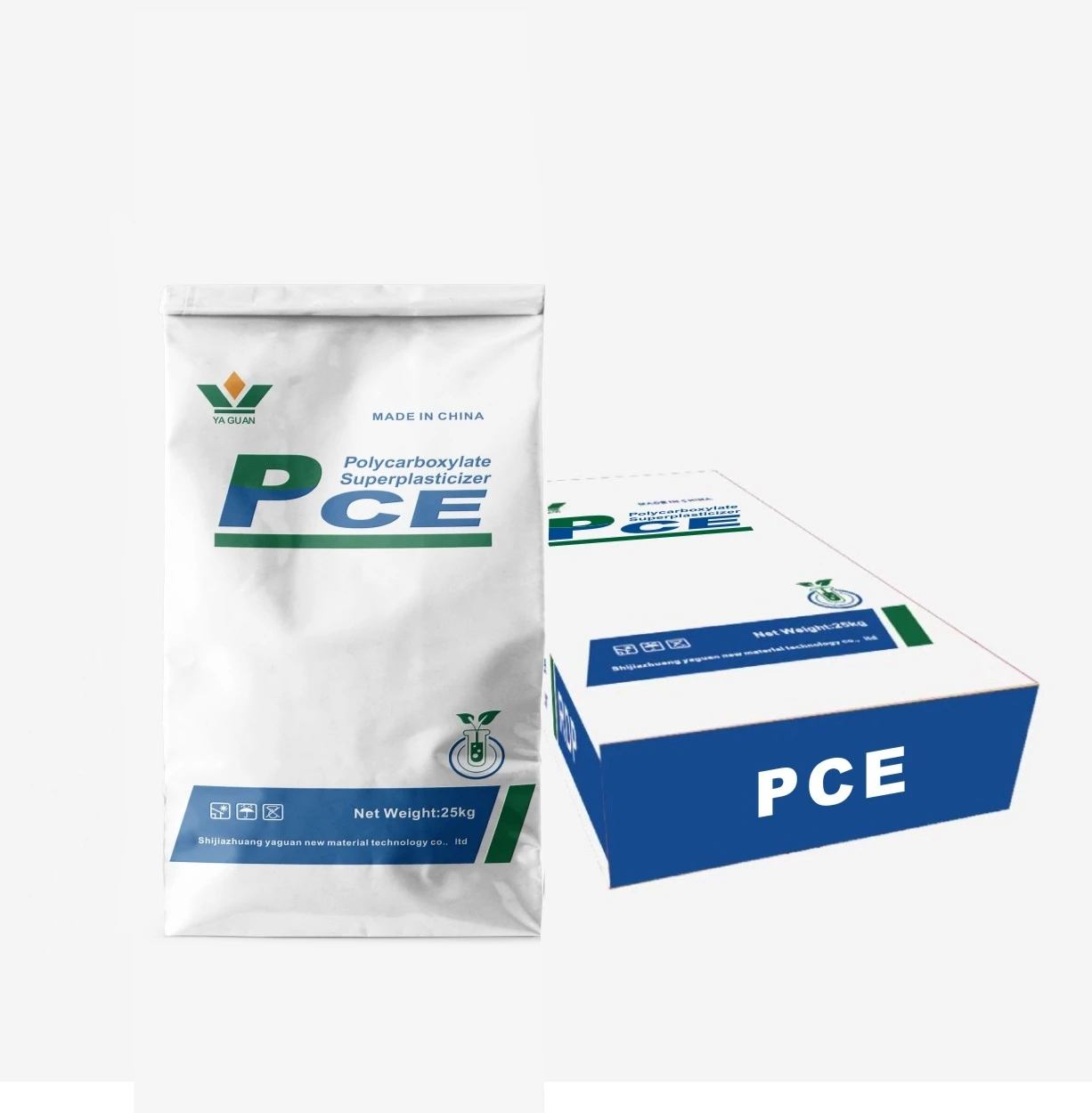

Understanding Water Reducing Admixtures: Benefits, Applications, and Future Trends
Water reducing admixtures have quietly become a cornerstone in modern concrete technology, impacting construction projects around the globe, whether it's erecting skyscrapers or rebuilding communities after disasters. But why does this matter beyond industry insiders? Well, these additives can transform how we conserve precious water resources, improve building strength, and reduce costs — a trifecta of advantages in an age where sustainability and efficiency are paramount.
Global Importance of Water Reducing Admixtures
Worldwide, the construction sector contributes nearly 38% of global energy-related carbon emissions according to the International Energy Agency. One of the main culprits is the materials used, especially concrete. Now, concrete isn’t going away anytime soon — it’s the most-used manmade material. So, the challenge becomes: How do we make it more sustainable? Enter water reducing admixtures.
These chemical agents allow concrete mixtures to use significantly less water without compromising workability or strength. By reducing water content, less cement is needed, which directly cuts down carbon emissions associated with cement production. Oddly enough, adapting a relatively simple additive can have ripple effects across environmental goals, cost savings, and project timelines — local and global.
What Are Water Reducing Admixtures?
Simply put, water reducing admixtures are chemicals added during the concrete mixing process that help reduce the amount of water required for hydration. Their main role is to maintain or improve the concrete's workability while allowing for a lower water-to-cement ratio.
This isn’t just a lab curiosity; these admixtures have real humanitarian and industrial applications. For example, cleaner and more durable concrete means safer shelters in disaster-affected regions, better roads in rapidly urbanizing cities, and sustainable infrastructure in areas where water scarcity is a pressing concern.
Core Components of Water Reducing Admixtures
1. Durability Enhancement
By reducing water content, the concrete matrix becomes denser and less permeable. This means fewer cracks and longer-lasting structures, essential for building resilient infrastructure in harsh climates.
2. Cost Efficiency
Less water means less cement, which generally accounts for a big chunk of concrete costs. Plus, contractors benefit from easier mixing and faster setting times, making projects leaner financially and logistically.
3. Environmental Sustainability
Reducing cement demand can lower CO₂ emissions by up to 25% per cubic meter of concrete. Given the scale of global construction, these savings add up quite impressively.
4. Workability and Performance
Good workability allows the mix to flow well placing properly even in complex formworks. Admixtures support this by stabilizing the fresh concrete without increasing water — kind of like making a smoothie smoother without adding extra liquid.
5. Compatibility and Adaptability
Modern water reducing admixtures come in various formulations to suit different cement types and environmental conditions. This flexibility means a wider range of global projects can benefit.
Mini takeaway: These core aspects ensure that water reducing admixtures aren’t just additives but pivotal tools steering concrete technology towards efficiency, longevity, and eco-friendliness.
Product Specification Snapshot
| Spec | Typical Range | Notes |
|---|---|---|
| Water Reduction Efficiency | 5% - 30% | Depends on admixture type and dosage |
| Compatible Cement Types | Type I - Type V | Allows broad applicability |
| Setting Time Impact | Neutral to slight delay | Depends on formulation |
| Dosage Rate | 0.2% - 1.5% by weight of cement | Optimized per project |
Global Applications & Use Cases
- Urban Infrastructure Development: Cities in Asia and Africa adopt water reducing admixtures to speed construction of bridges and tunnels while limiting water consumption.
- Post-Disaster Reconstruction: Following earthquakes or floods, quicker setting and stronger concrete from admixtures fast-tracks rebuilding safe housing.
- Industrial Projects: Remote mining camps rely on concrete mixtures that conserve water, critical where supply is limited.
- Green Building Certification: International standards such as LEED and BREEAM reward use of admixtures in reducing environmental footprint of concrete.
Mini takeaway: Across continents and project scales, water reducing admixtures are the silent enablers of sustainable, durable construction that suits diverse climates and resource realities.
Advantages and Long-Term Value
It’s more than just saving water. Using these admixtures means you get:
- Cost savings: Less cement use translates to lower material expenses.
- Sustainability wins: Reduced CO₂ emissions and conserved water help meet tough environmental policies.
- Stronger, safer structures: Enhanced durability means fewer repairs over decades.
- Social impact: Enabling affordable housing solutions with lasting quality improves lives and dignity.
Frankly, knowing that a mixture tweak supports safety, innovation, and trust in infrastructure feels pretty empowering when you think about it.
Innovations & Future Trends
The advancements here are fascinating. New generations of water reducers are bio-based or come from waste materials, addressing circular economy ideals. Digital mixing control systems now optimize admixture dosing in real time for consistency. Even 3D concrete printing is starting to leverage these additives for faster and more precise builds.
Sustainability policies worldwide, like the ISO 21930 Environmental Product Declaration for construction products, compel manufacturers to innovate further. So, water reducing admixtures, oddly enough, are at the cutting edge of both green chemistry and digital transformation in construction.
Challenges & How Experts Are Addressing Them
Despite their benefits, some challenges remain:
- Compatibility Issues: Some admixtures perform differently with varied cement qualities.
- Cost vs. Benefit Perception: Smaller projects may hesitate to invest upfront.
- Quality Control: Inconsistent mixing can reduce effectiveness.
Experts recommend rigorous batch testing and localized formulation adjustments, plus educating contractors on long-term savings over initial costs. There’s also talk of improved supply chains to lower prices and broader accessibility, especially in developing markets.
Vendor Comparison Table
| Vendor | Water Reduction | Compatibility | Eco-friendly Formulation | Typical Price Range |
|---|---|---|---|---|
| Vendor A | Up to 25% | Broad | No | $$ |
| Vendor B | 20%-30% | Specialized | Yes (bio-based) | $$$ |
| Vendor C | 15%-22% | Broad | Partial | $ |
Frequently Asked Questions About Water Reducing Admixtures
- Q: How do water reducing admixtures improve concrete strength?
- A: By lowering the water-to-cement ratio, these admixtures create a denser, less porous matrix, which improves compressive strength and durability over time without sacrificing workability.
- Q: Are water reducing admixtures compatible with all types of cement?
- A: Most modern admixtures are formulated to work with common cement types (I-V). However, compatibility can vary, so testing and formulation adjustments are recommended for specialized cements.
- Q: Can their use help meet sustainability certifications?
- A: Yes, because they reduce water and cement consumption, admixtures contribute to lower carbon footprints, helping projects meet green building standards like LEED or BREEAM.
- Q: What are the typical dosage rates, and how critical is precise measurement?
- A: Dosages usually range between 0.2% to 1.5% by weight of cement. Precise dosing is important to balance water reduction with workability and setting time.
- Q: Is it difficult for small contractors to adopt these admixtures?
- A: There can be initial cost and training barriers, but industry outreach and supplier support are increasingly lowering those hurdles, ensuring wider accessibility.
Conclusion: Why Water Reducing Admixtures Matter
Thanks to their proven ability to conserve water, cut emissions, and improve concrete performance, water reducing admixtures are more than just chemicals — they’re essential enablers of modern, sustainable construction worldwide. Whether for large urban projects or vital humanitarian efforts, their role keeps growing, blending innovation with ecological sense.
Curious to explore more about water reducing admixtures and see what product fits your project? Visit our site for expert guidance and tailored solutions!
Oddly enough, a simple additive can be a game-changer — don’t overlook it.
References: