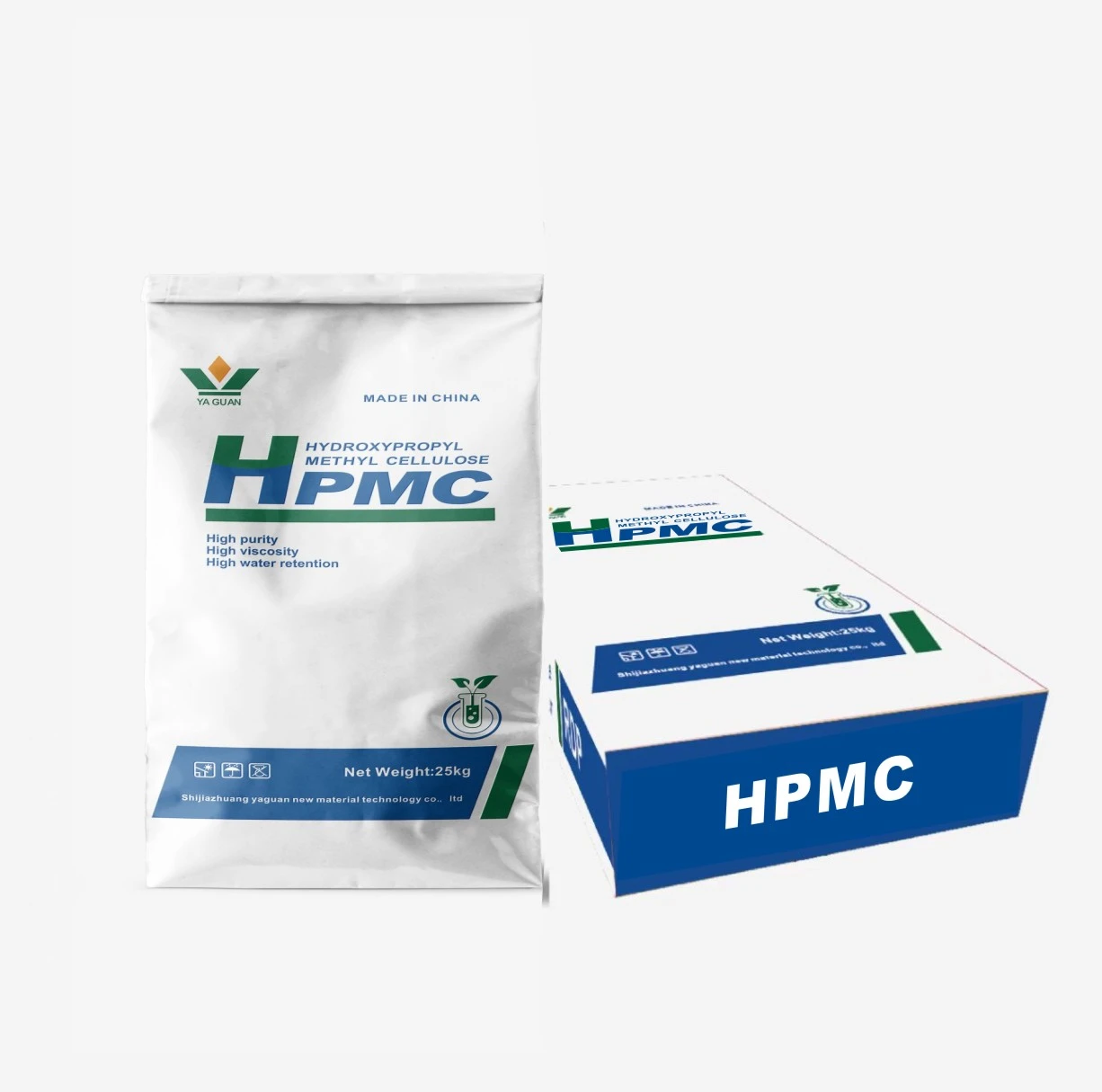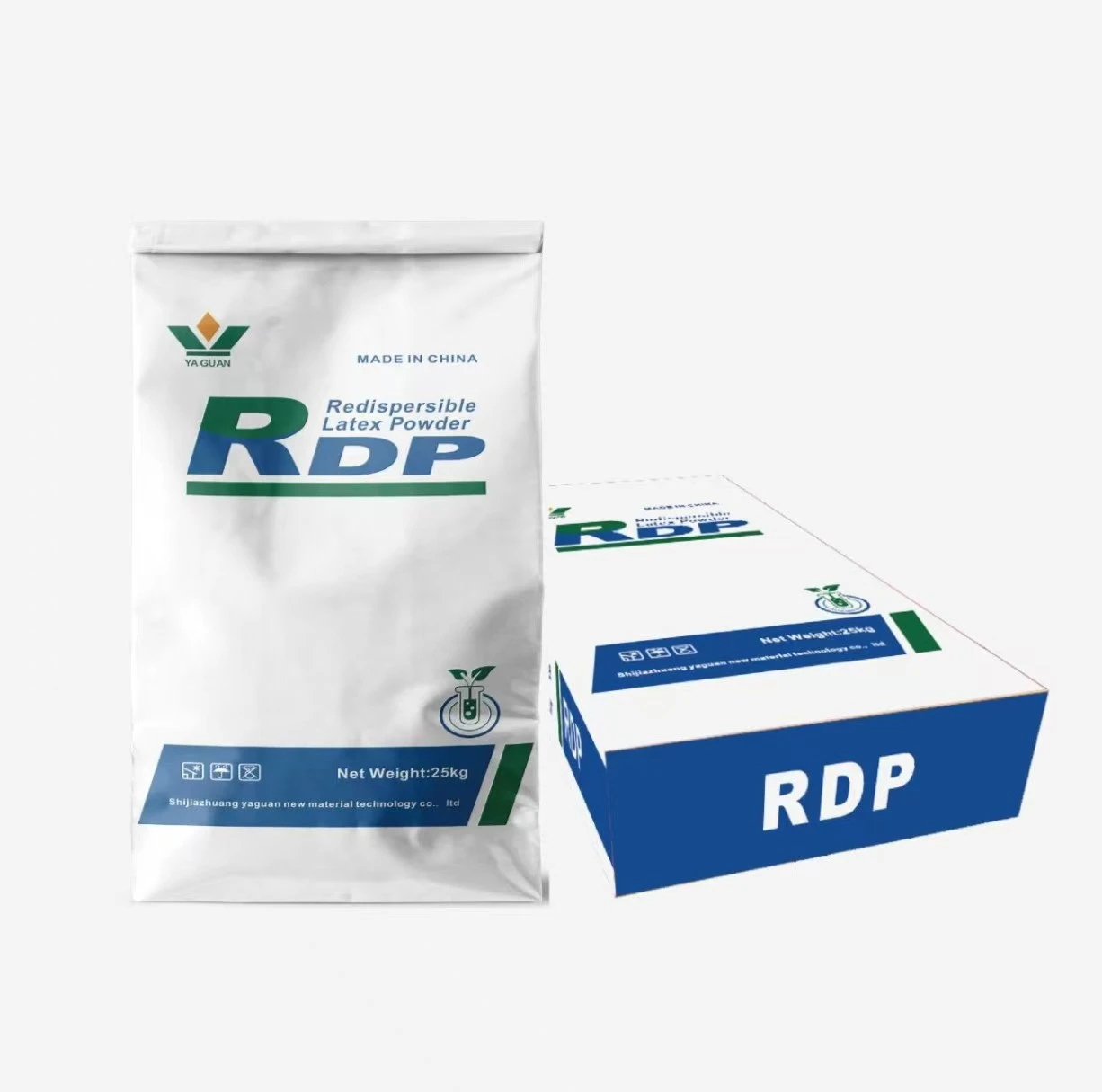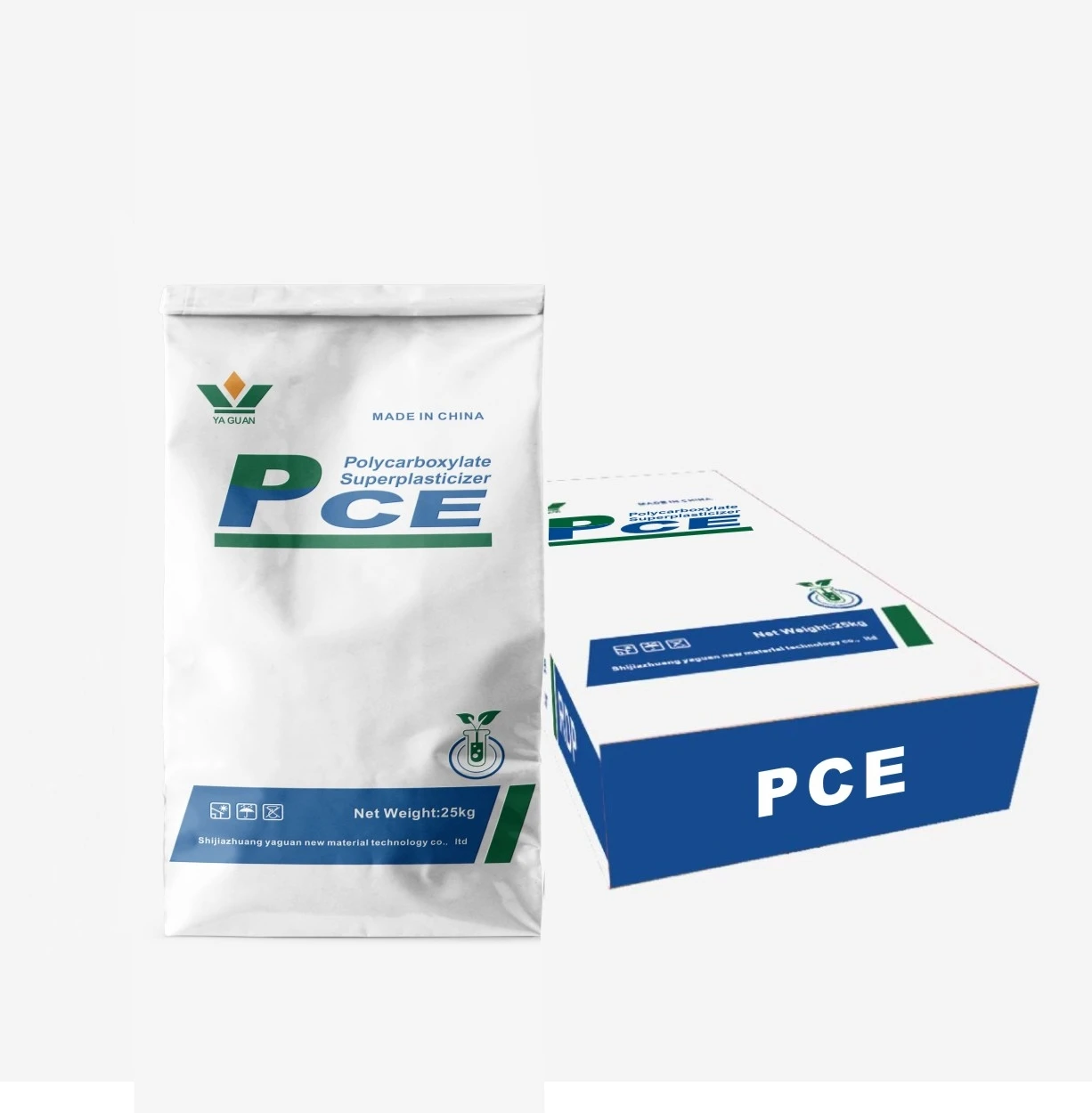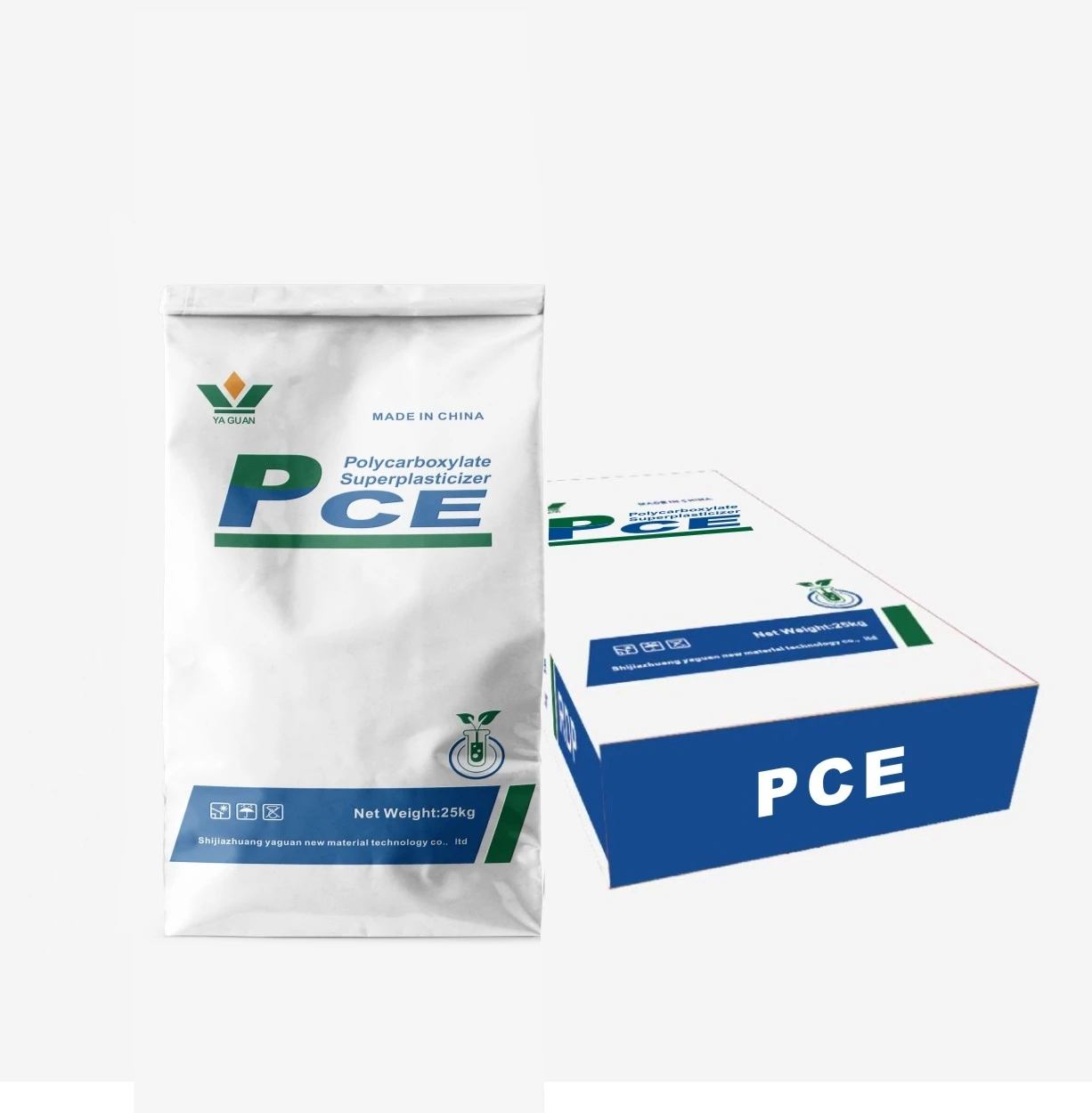

Understanding Concrete Additive Water Reducer Superplasticizer: A Game-Changer in Modern Construction
Concrete additive water reducer superplasticizers may sound like a mouthful, but their impact on the construction industry — and indeed global infrastructure — is profound. Essentially, these additives enable concrete to flow more easily while using less water, making the material stronger, more durable, and often more sustainable. Given the world’s rapid urbanization and the massive infrastructure demands (think highways, bridges, and skyscrapers), understanding these additives isn’t just a technical curiosity — it shapes how we build safer, longer-lasting structures worldwide.
Introduction: Why the Concrete Additive Water Reducer Superplasticizer Matters Globally
Looking at data from the United Nations and the International Energy Agency, infrastructure projects are expected to increase by roughly 70% by 2050 to keep pace with urban growth. But more concrete production has its challenges, chiefly environmental: cement manufacturing contributes nearly 8% of global CO₂ emissions (oddly enough, a hefty chunk for one industry). Enter the concrete additive water reducer superplasticizer, which helps reduce the water-to-cement ratio, improving strength without compromising workability, thereby cutting down on cement demand and environmental footprint. It’s a core piece of the puzzle in meeting global construction needs sustainably.
What Is a Concrete Additive Water Reducer Superplasticizer?
Put simply, it’s a chemical additive that you mix into concrete to reduce the amount of water needed while maintaining—or even improving—its flow and workability. Without these superplasticizers, you'd need more water for the concrete to be workable, which paradoxically weakens it. This additive is absolutely critical in modern industries where high-strength and fast-setting concretes are needed, such as in high-rise buildings or rapid infrastructure repairs after disasters.
Key Factors and Core Components of Superplasticizers
1. Water Reduction Efficiency
One of the main reasons these additives are so valued is their ability to reduce water content by up to 30% while maintaining flow. Less water means denser concrete, which translates to higher durability and strength.
2. Compatibility With Cement Types
Different superplasticizers react differently with cement compositions. Some work best with ordinary Portland cement, while others suit blended or rapid hardening cements. This compatibility affects final concrete properties deeply.
3. Durability and Longevity
By reducing water, these additives help concrete resist cracking, erosion, and chemical exposure. This means structures last longer with less maintenance — a kind of “insurance” in materials.
4. Workability and Flow
Despite reducing water, they keep the concrete mix fluid and easy to pour—a bit of chemistry magic that ensures concrete flows into even the trickiest molds or tight rebar meshes.
5. Environmental Impact
Using superplasticizers allows for less cement content or faster curing, which reduces carbon emissions. This aligns with the global push for sustainable building practices.
Product Specification Table for a Typical Concrete Additive Water Reducer Superplasticizer
| Specification | Typical Value | Units |
|---|---|---|
| Appearance | Brown liquid | |
| pH | 6.5 - 7.5 | |
| Specific Gravity | 1.05 - 1.15 | |
| Solid Content | 40 - 45 | % |
| Water Reduction Rate | 25 - 30 | % |
| Compatibility | OPC, PPC |
Global Applications & Use Cases
Concrete additive water reducer superplasticizers are used worldwide, from Asia’s megacities to Europe's sprawling infrastructure networks. In Japan, for example, rapid post-earthquake repairs rely heavily on these additives for speedy, high-strength concrete. In remote mining operations in Australia, they enable durable concrete that withstands harsh climates and reduces transport weight by optimizing mix designs.
In humanitarian contexts, such as post-disaster relief housing, these additives make precast concrete shelters faster and cheaper to produce, providing safer temporary homes. Construction firms in Africa also lean on these technologies to enhance local infrastructure without importing excessive materials.
Vendor Comparison Table
| Vendor | Water Reduction % | Price (USD/ton) | Compatible Cement Types | Sustainability Rating |
|---|---|---|---|---|
| Yaguan Chemical | 28-30% | 650 | OPC, PPC, PSC | High |
| Global Supermix | 25-27% | 700 | OPC only | Medium |
| EcoCem Solutions | 20-22% | 600 | PPC, PSC | Very High |
Advantages & Long-Term Value
Using concrete additive water reducer superplasticizers brings multiple benefits. Firstly, you get stronger concrete that withstands weather, mechanical stress, and chemistry better, which means buildings and bridges last longer without costly repairs.
From a financial perspective, reducing water means less cement and fewer resources overall — that’s a tangible cost saver. Environmentally, it contributes to lower carbon footprints, which is increasingly a demand from regulators and communities alike.
There’s also the emotional value — it feels good to know the structures holding up communities are safer and more resilient. You can trust that designs using these additives help protect people and investments.
Future Trends & Innovations in Superplasticizers
Looking ahead, the industry is moving toward greener superplasticizers made from bio-based or waste-derived polymers, aiming to cut even more emissions. Digital dosing and real-time mix optimization using IoT devices is also emerging, helping contractors get the perfect mix on the fly, minimizing waste.
Plus, advancements in nanotechnology are promising additives that further enhance durability and even self-heal microcracks — a kind of concrete that could repair itself! It’s a fascinating time to watch this space evolve.
Challenges & Solutions
However, it’s not all straightforward. One notable challenge is ensuring consistent performance across different cement types and environmental conditions. In some humid or cold climates, additives behave unpredictably. Also, cost can be a barrier for smaller firms or developing countries.
Fortunately, blending advanced polymers and local raw materials is making production more affordable, while rigorous field testing and standards (ISO 14001, ASTM) help ensure reliability. Collaboration between manufacturers and contractors encourages tailor-made solutions that suit local needs best.
FAQ: Frequently Asked Questions About Concrete Additive Water Reducer Superplasticizer
- Q: How does a water reducer superplasticizer improve concrete strength?
A: By reducing the water-to-cement ratio without compromising flowability, the superplasticizer produces denser, less porous concrete, resulting in greater compressive strength and durability. - Q: Can all types of cement be used with superplasticizers?
A: Not always. Some superplasticizers are formulated for specific cement types such as ordinary Portland cement (OPC), while others are versatile enough for blended cements. It’s important to check compatibility to ensure performance. - Q: Are superplasticizers eco-friendly?
A: Generally, yes. They reduce water and cement requirements, lowering CO₂ emissions from cement production. Emerging bio-based superplasticizers improve sustainability further. - Q: How much water can superplasticizers reduce in a mix?
A: Typically, these additives can reduce water content by 20 to 30%, depending on the formulation and conditions, greatly enhancing concrete quality. - Q: Can superplasticizers be used in cold weather concreting?
A: Yes, but additive choice needs care. Some superplasticizers work better at low temperatures, aiding flow without delaying set times. Consulting with manufacturers for cold-weather mixes is advised.
Conclusion
To sum up, concrete additive water reducer superplasticizers are quietly revolutionizing how we think about construction. They marry cost efficiency, sustainability, and strength in a way that addresses urgent global infrastructure demands. If you’re interested in taking your concrete projects to the next level, concrete additive water reducer superplasticizer products from trusted suppliers like Yaguan Chemical offer quality and innovation that can’t be overlooked.
Check out their range and see how you can build better — smarter and greener — today.
In real terms, these additives aren't just chemicals; they're paving the road to the future of construction.
References: