
Concrete Water Reducer Plasticizer: A Veteran’s Take
Having spent well over a decade in the industrial equipment world—mostly knee-deep in concrete admixtures—I’ve seen plenty of products come and go. But concrete water reducer plasticizers have an undeniable staying power. Why? Because they solve a pretty fundamental challenge in construction: how to cut down water content in concrete mixes without compromising workability or strength.
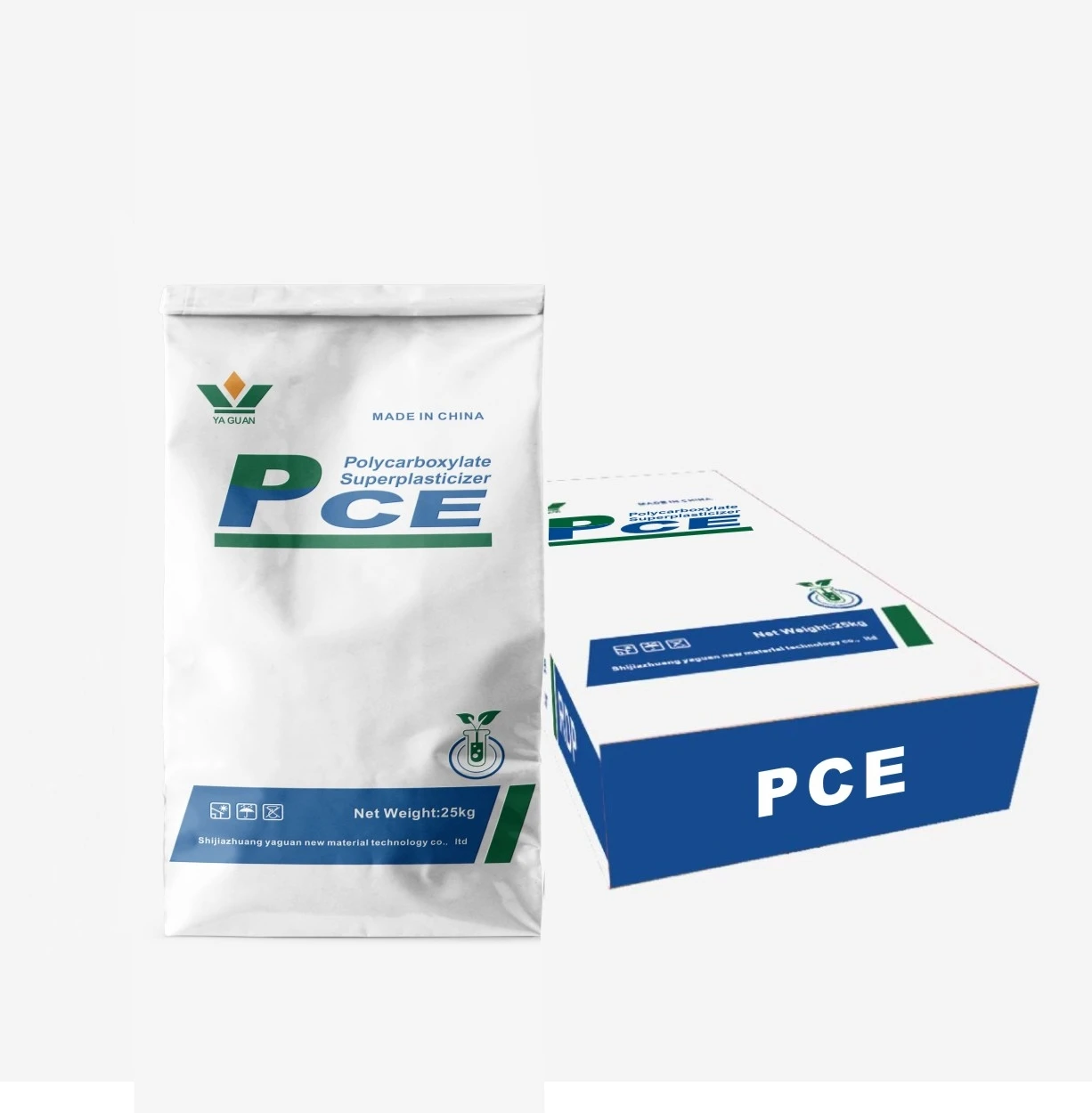
Frankly, if you’re not familiar, a water reducer plasticizer is an additive used in concrete to lower the amount of water needed to achieve a workable mix. It's one of those “behind the scenes” heroes that keeps modern concrete strong, durable, and consistent. Oddly enough, without them, many large infrastructure projects would bog down with weaker or more expensive mixes.
I remember a project a few years back—an urban bridge repair—where the local supplier recommended a specific type of high-range water reducer. The team saw a marked improvement in slump retention without adding extra water. In real terms, that meant the crew could pour and finish concrete more quickly, even in blistering heat. Saves time and money, which engineers and contractors tend to agree are priceless.
The Basics & Product Specs
Let’s get a bit technical but keep it digestible:
| Property | Typical Value | Unit |
|---|---|---|
| Appearance | Light yellow liquid | - |
| pH | 6.5–8.5 | - |
| Solid Content | 40–45 | % |
| Water Reduction | 10–25 | % |
| Chloride Ion Content | ≤0.2 | % |
How To Choose Your Vendor: A Quick Comparison
Picking the right supplier isn’t trivial. I’ve seen manufacturers tout all sorts of “best-in-class” claims, but you want to dig a little deeper.
| Vendor | Product Range | Technical Support | Customization | Lead Time |
|---|---|---|---|---|
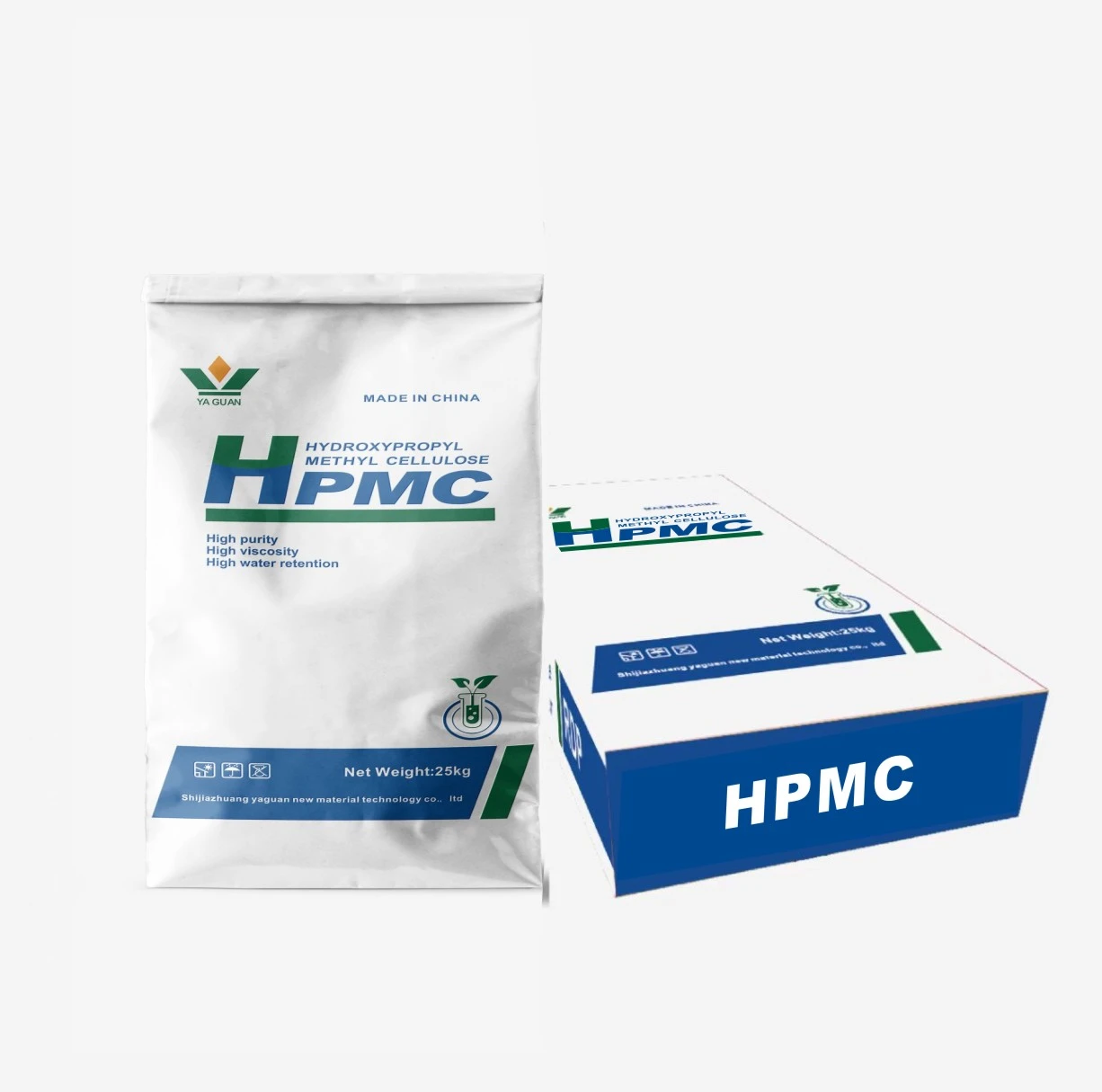
| Yaguan HPMC | Wide (Multiple formulations) | Strong (On-site & remote) | High (Tailored solutions) | 1-2 weeks |
| Competitor A | Moderate | Limited | Low | 3-4 weeks |
| Competitor B | Narrow (Standard grades) | Moderate | Medium | 2-3 weeks |
In my experience, having solid technical support and the ability to tweak formulations is a game changer. It’s not just about the chemical itself, but the partnership with the vendor—especially when unexpected project hurdles come up.
Industry Insights & Final Thoughts
What I find fascinating is how this product category continues evolving. With sustainability becoming a bigger deal, many manufacturers are pushing water reducers that lower carbon footprint by enabling less cement consumption. You know, cement production is a big CO2 emitter, so every little adjustment helps the planet.
That said, it’s essential to test these plasticizers under your local conditions, since aggregate types, water quality, and climate can affect performance. Many engineers say (and I agree) that real-world trials are irreplaceable.
Ultimately, concrete water reducer plasticizers feel like one of those silent champions for the industry. They quietly make things better—stronger, faster, cleaner. And anyone who’s tried to pour a stubborn concrete slab on a hot summer day will tell you: having reliable admixtures is a comfort you don’t want to lose.
For those who want to dive deeper or need a reliable source, I’d suggest checking out Yaguan’s offerings. Their site’s pretty straightforward and full of useful info—plus, the product adaptability makes them worth a look.
Happy mixing, and here’s to smoother pours in all your projects!
References:
1. ACI Concrete Admixtures Manual (2018)
2. PCA: Cement and Concrete Basics
3. Personal experience and field notes (2010-2023)