
Water Reducer in Concrete: A Game-Changer in Construction Mixtures
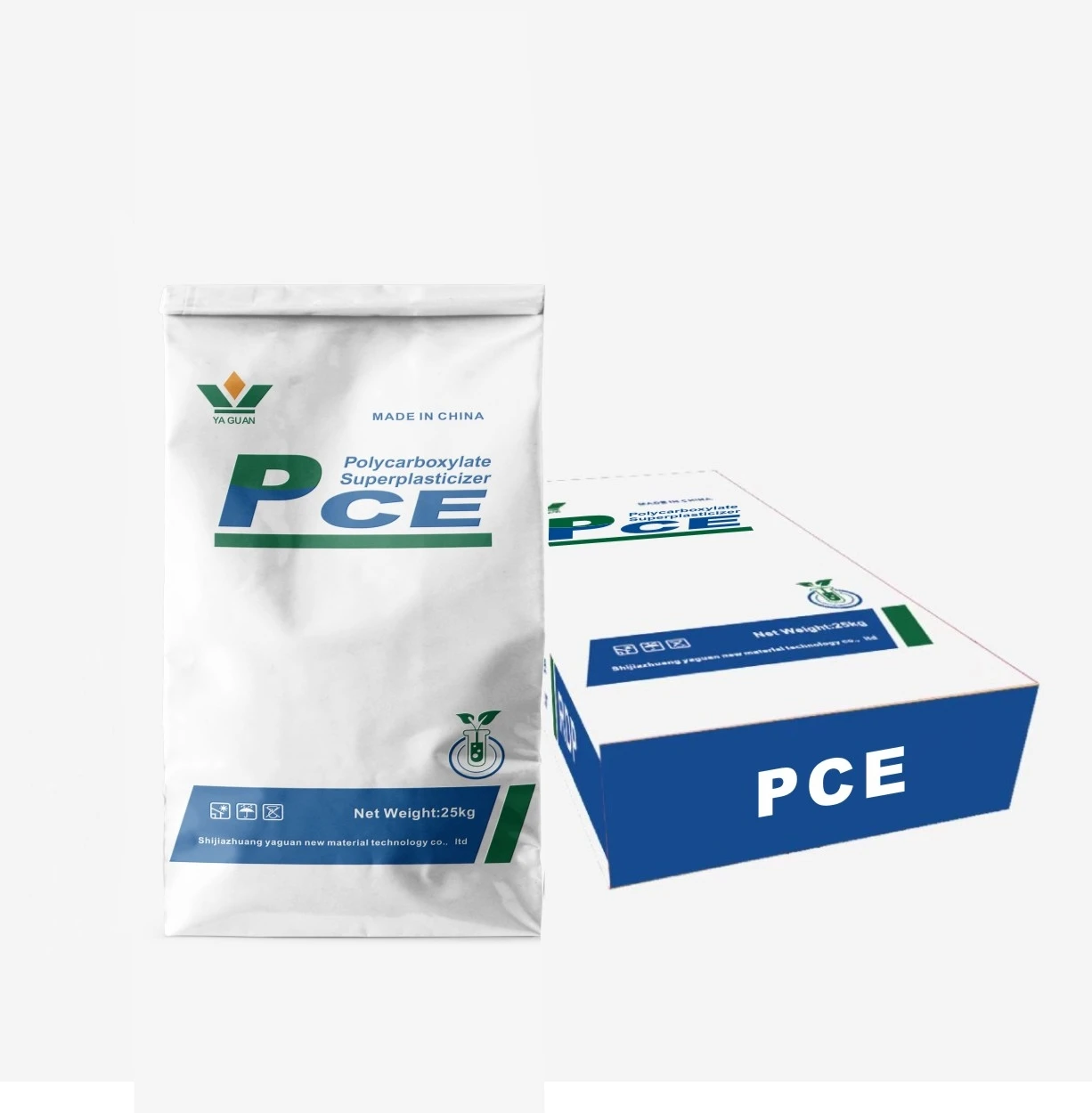
Having spent well over a decade in the industrial equipment sector, especially dealing with ready-mix concretes and admixtures, I’ve seen firsthand how water reducers in concrete have quietly transformed the way we think about building strength and efficiency. You know, the idea behind a water reducer is simple enough: reduce the water content in a concrete mix without compromising workability. But getting the formula right? That’s a whole different story — it combines chemistry, timing, and a bit of field intuition.
In real terms, water reducers allow contractors and engineers to pump out concrete that not only flows better but cures stronger. Oddly enough, some of the best mixes I’ve seen didn’t use less cement but relied heavily on smart additives to optimize water content. It feels like a silent partner in construction that rarely gets the spotlight it deserves.
Let’s talk about why that matters. When mixing concrete, excess water increases fluidity but dramatically reduces strength upon setting. By using water reducers, you achieve a lower water-cement ratio while maintaining the concrete’s workability. This improves durability, minimizes cracking, and often reduces costs over the long haul. Frankly, the engineers I know swear by it for high-performance projects — bridges, high-rises, infrastructure where longevity means everything.
Here’s a quick look at typical product specs you can expect from a standard water reducer:
| Property | Typical Value |
|---|---|
| Appearance | Light yellow liquid |
| Solid Content (%) | 20 - 30% |
| pH Value | 6 - 8 |
| Water Reduction Rate | 5-15% |
| Chloride Ion Content | ≤ 0.1% |
For vendors, choosing the right water reducer can feel a bit like navigating a maze. Quality, consistency, and adaptability under various cement types all come into play. Here’s a straightforward vendor comparison I’ve put together based on decades of using different brands and formulations:
| Vendor | Water Reduction Efficiency | Compatibility | Cost (per ton) | Customer Support |
|---|---|---|---|---|
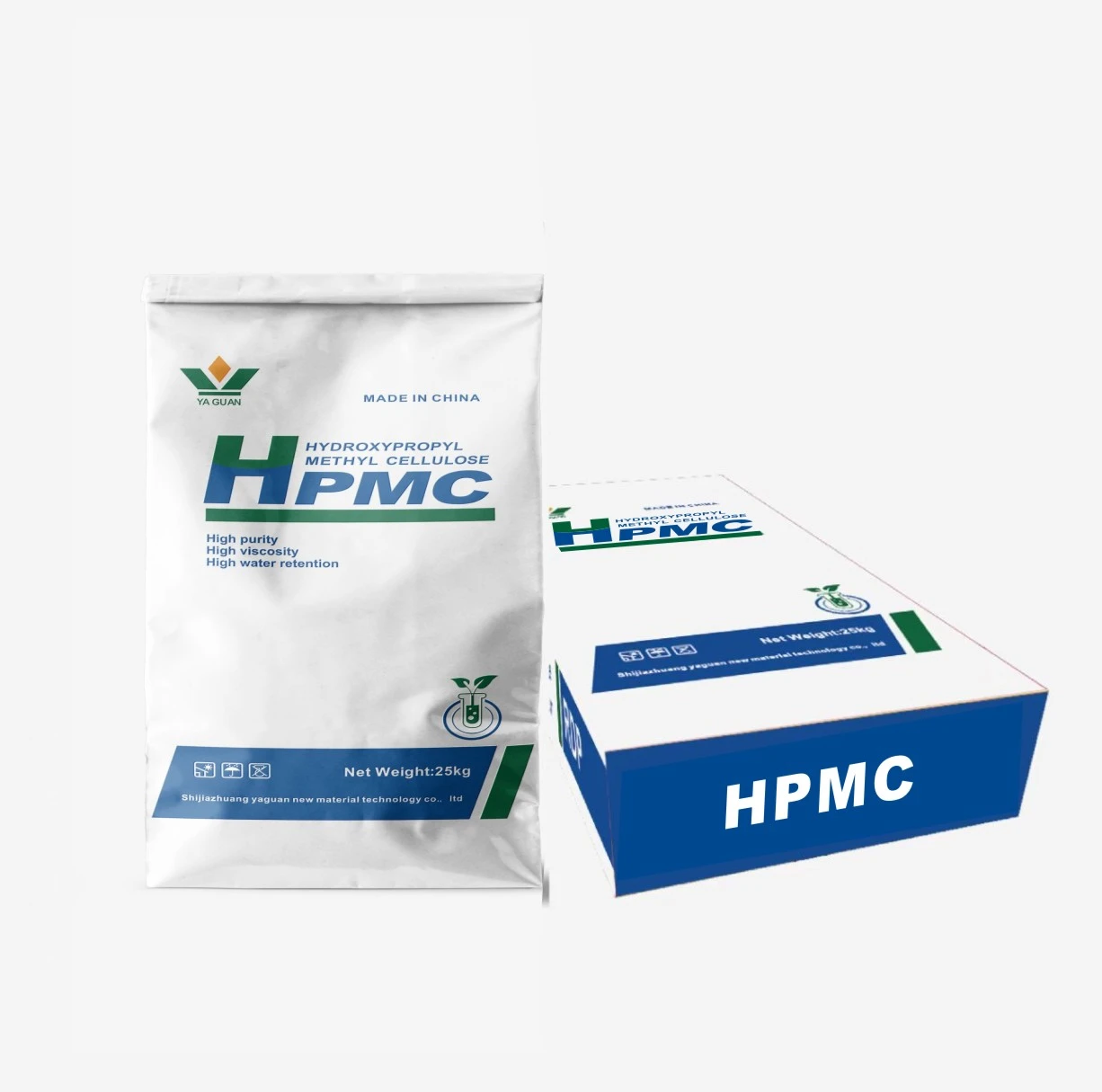
| Yaguan HPMC | 12-15% | Excellent with Portland and slag cements | $450 | 24/7 technical assistance |
| GlobalAdmix | 10-13% | Good with standard cements | $470 | Business hours only |
| MixPro Chemicals | 8-12% | Limited slag cement compatibility | $430 | Online support only |
I recall a project a few years ago – a mid-sized bridge deck where the contractor initially struggled with cracking and premature wear. Switching to a reliable water reducer helped them cut back the water content by almost 13%. The result? Harder, more durable concrete that withstood both weather and traffic for years now. That’s when I truly appreciated how subtle changes in mix design can ripple into massive savings and performance gains.
In terms of customization, many vendors now offer formulations tailored to specific environmental conditions or cement compositions, which is a plus. For instance, if you’re working in hot climates, the admixtures may differ slightly to counter rapid evaporation or curing challenges.
Of course, testing these additives on-site remains critical. Laboratory results are great, but you know the field throws curveballs—humidity, raw material variations, even the skill of the batch operator. A good water reducer will give you a margin of forgiveness but never a free pass.
So, whether you’re a plant manager, a structural engineer, or a contractor juggling timelines and budgets, investing a bit of time into selecting the right water reducer in concrete can reshape your entire project outlook. It’s not flashy, but it’s indispensable.
At the end of the day, water reducers feel like the unsung heroes of modern concrete — quiet, efficacious, and, well, just the kind of efficiency boost the industrial sector needs more of.
References:
1. “Concrete Admixtures Handbook,” PCA, 2017
2. “Water Reducers and Their Practical Effects,” Cement & Concrete Research, 2021
3. Yaguan HPMC Technical Data Sheets, 2023