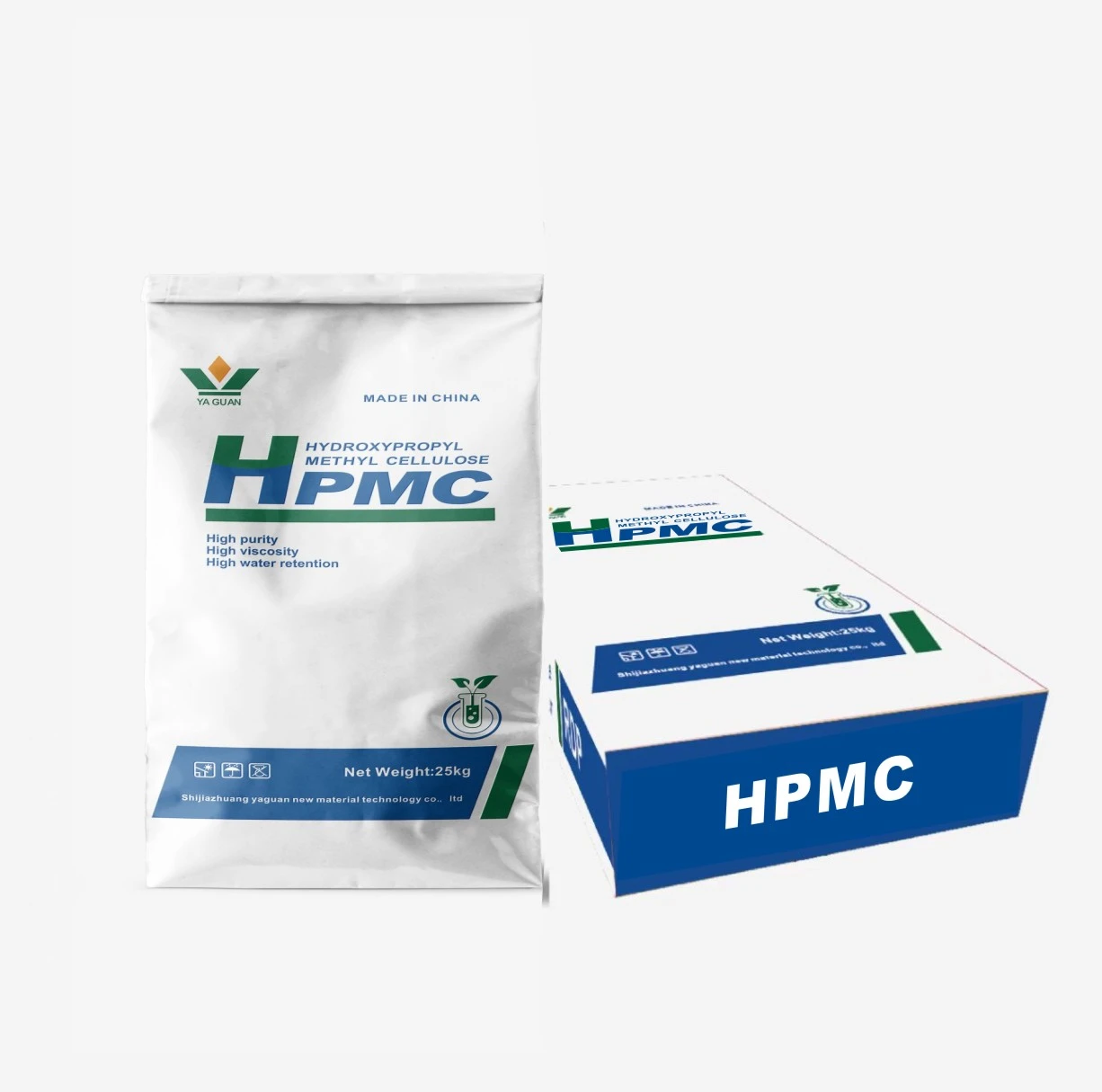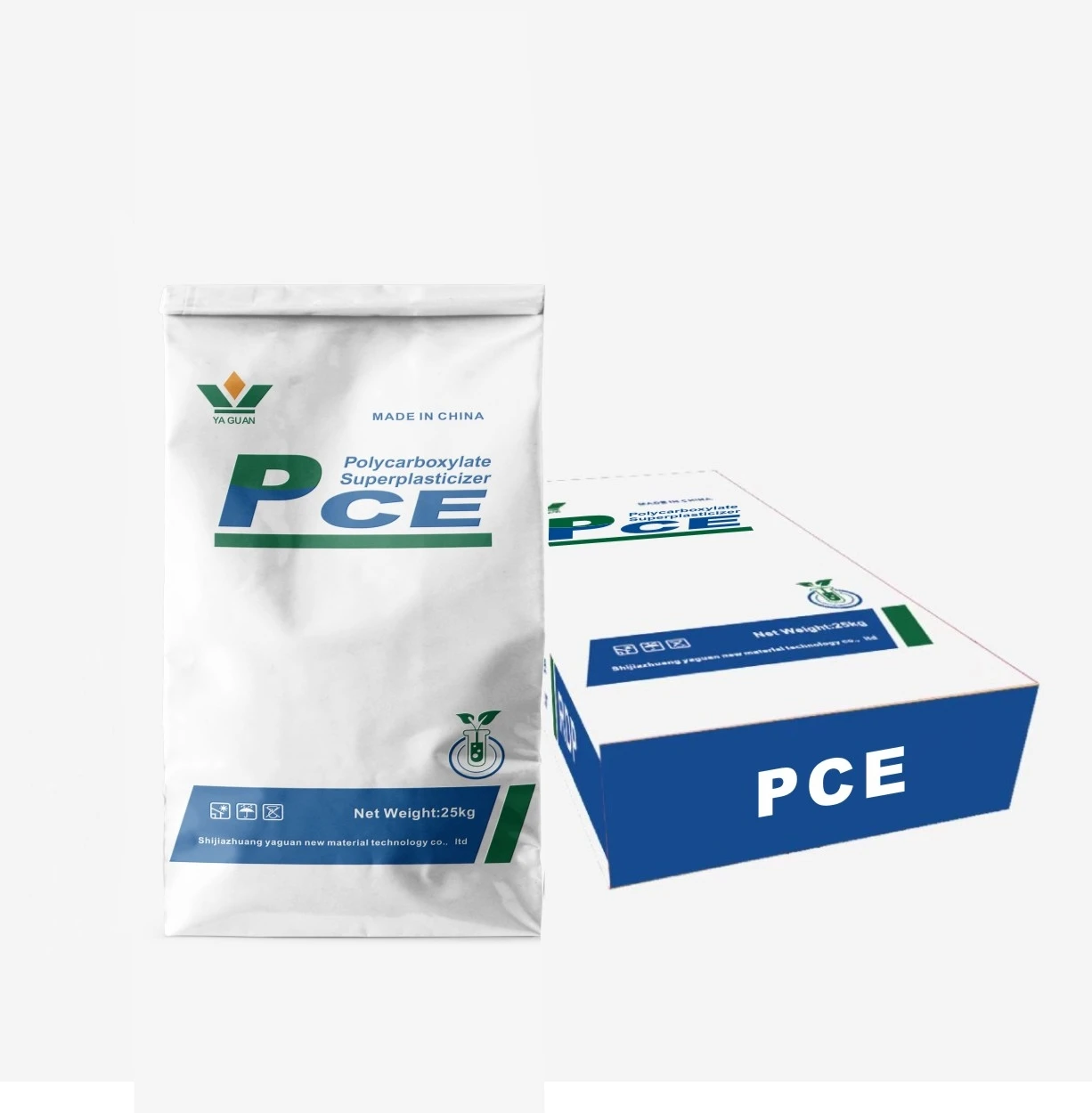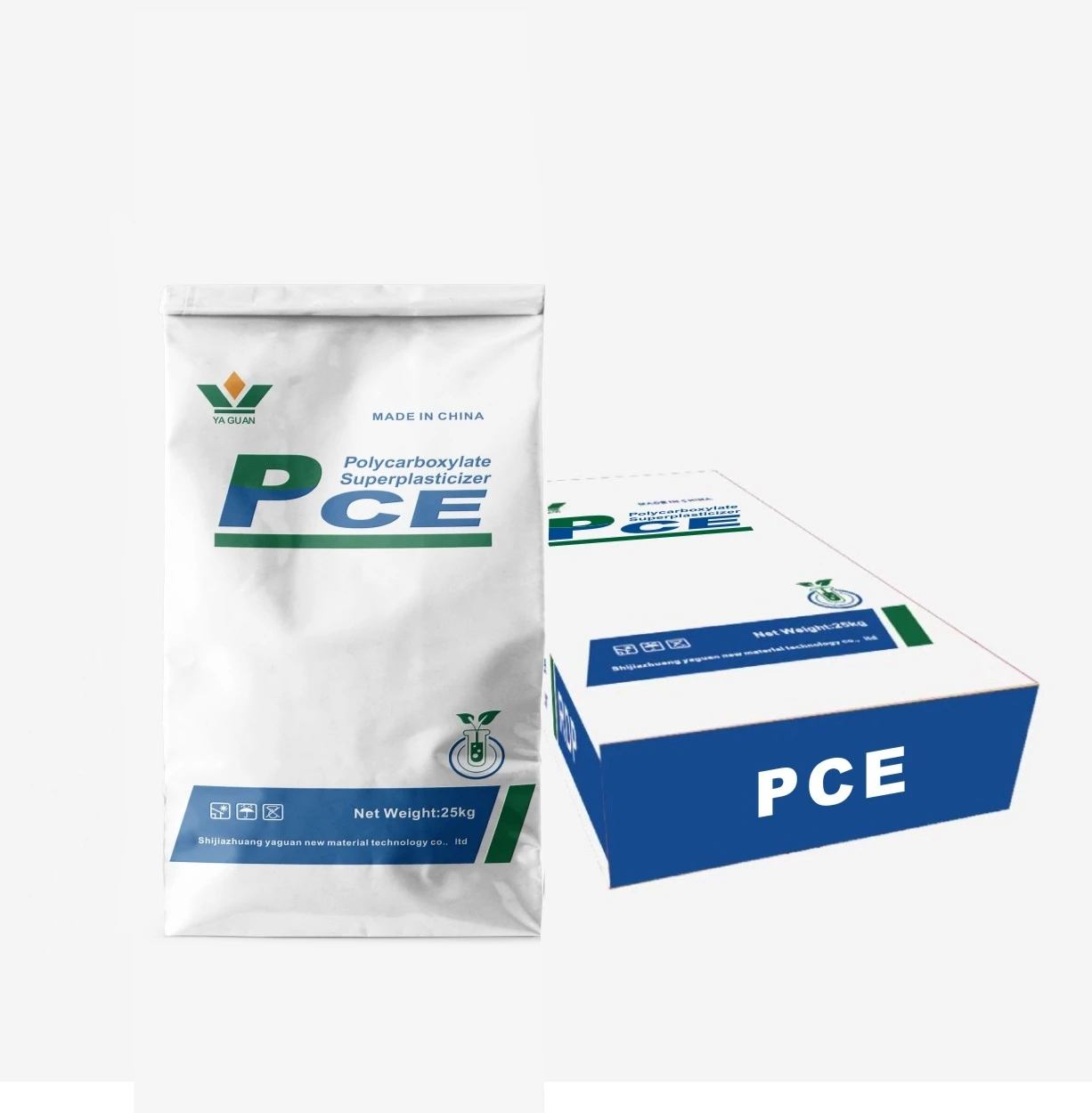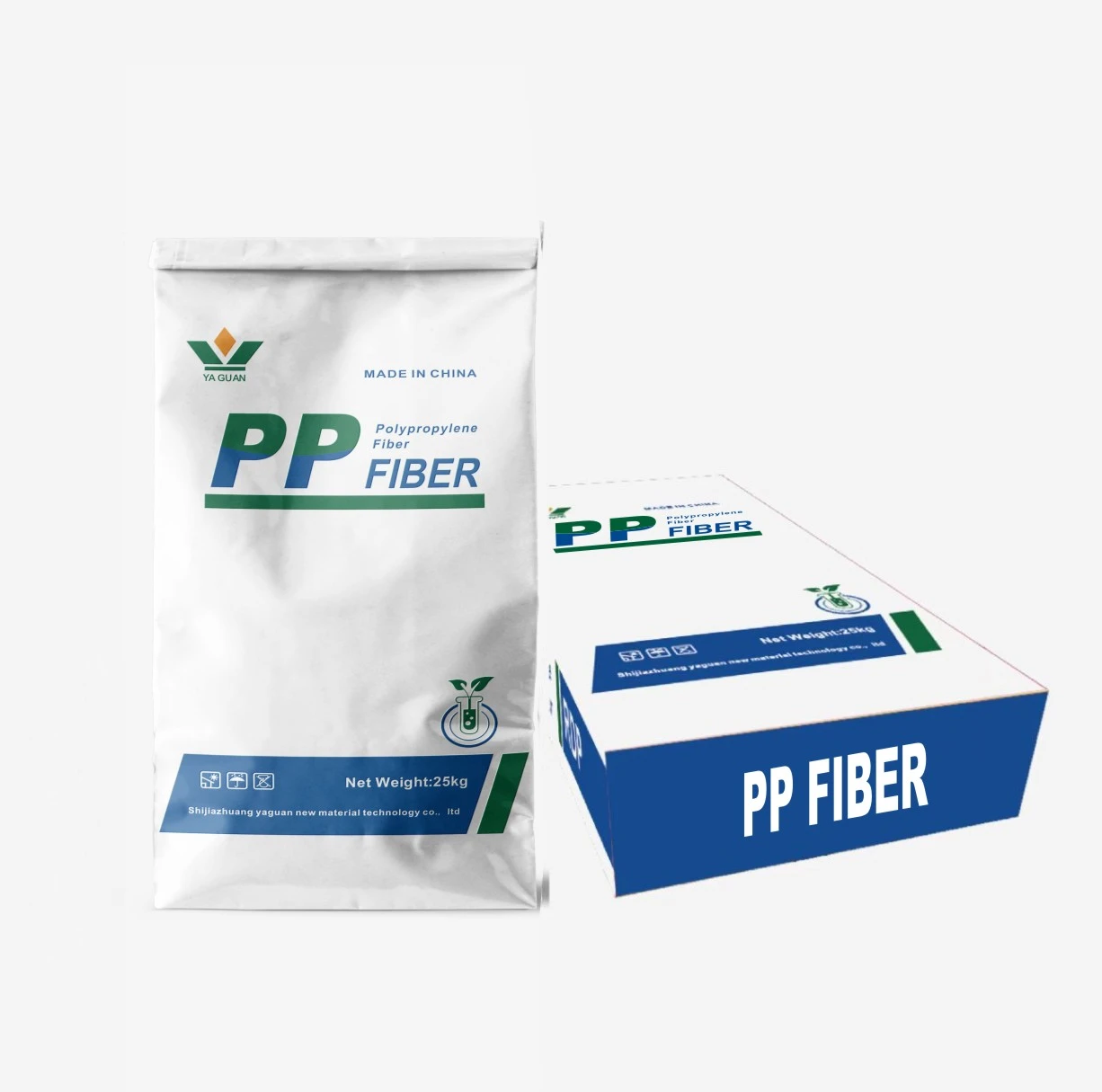

Concrete Water Reducer is a key solution in the industry, specifically within construction and infrastructure projects. This article explores how https://www.yaguanhpmc.com supports professionals with durable, high-performance products, and explains why this product is an ideal choice for businesses in these sectors.
Table of Contents
- Concrete Water Reducer Overview
- Benefits & Use Cases of Concrete Water Reducer
- Cost, Maintenance & User Experience
- Sustainability & Market Trends
Concrete Water Reducer Overview
Concrete Water Reducer, frankly, might be the unsung hero that keeps modern concrete running strong. Put simply, it’s an admixture used to reduce the amount of water necessary in concrete mixes without compromising workability or strength. This not only enhances durability but also accelerates curing times, which is a big deal in fast-paced construction sites. At Yaguan HPMC, the formulations emphasize balanced polycarboxylate-based compounds that consistently yield robust and pliable concrete blends.
- It’s especially relevant in projects where strength and longevity have to meet tough standards, like highways, bridges, or high-rise buildings.
- Technical specs generally include water reduction rates from 5% up to 25%, slump retention beyond 90 minutes, and high compressive strength at 28 days, which you can check in detail on the vendor’s product page.
Benefits & Use Cases of Concrete Water Reducer
Many engineers testify that integrating a quality Concrete Water Reducer into their mixes has revolutionized how efficiently they can work. Think about precast concrete units or large-scale pours where consistent flow and minimal cracking are essential. Plus, the reduction in water means less shrinkage — which indirectly reduces maintenance calls. Oddly enough, the market has also seen a growing interest in combining these reducers with other admixtures to fine-tune performance under varied climate conditions.
- Used widely in residential and commercial construction, especially where pumping concrete over long distances is involved.
- Competitive advantages include improved slump without sacrificing strength, enhanced durability, and lower material costs due to less cement needed.
| Specification | Details |
|---|---|
| Active ingredient | Polycarboxylate Ether (PCE) based |
| Water reduction rate | 5% – 25% depending on dosage |
| Dosage | 0.3% – 1.5% by weight of cement |
| Slump retention | Up to 90 minutes or more |
| Setting time adjustment | Minimal delay (typically <1 hour) |
Cost, Maintenance & User Experience
Most decision-makers are understandably keen on the total cost of ownership — not just the sticker price. And here’s where the Concrete Water Reducer from Yaguan really shines. The upfront cost may be slightly higher than some standard admixtures, but the reduction in cement demand and lower risk of cracking means fewer repairs and longer-lasting structures, which frankly adds up to solid ROI over time. Maintenance teams I've talked to tend to appreciate that mixes stay workable longer, reducing waste and labor stress.
- Customers report smoother pours and less material segregation.
- High durability means lower lifecycle maintenance and repairs, which in real terms, often translates into faster project turnaround.
| Feature | Yaguan HPMC | Competitor A | Competitor B |
|---|---|---|---|
| Water Reduction (%) | Up to 25% | Up to 20% | Up to 18% |
| Slump Retention | 90+ minutes | 60 minutes | 45 minutes |
| Setting Time Adjustment | Minimal delay | Moderate delay | Significant delay |
| Sustainability Certifications | Yes (ISO 14001) | No | Partial |
Sustainability & Market Trends
Sustainability is no longer optional in construction, and Concrete Water Reducers play an unexpectedly important role. By enabling less water and cement in mixes, they reduce carbon footprints—since cement production is notoriously carbon intensive. Yaguan’s adherence to eco-friendly certifications underlines this commitment. Market demand is growing steadily, driven by global regulatory moves pushing greener building codes. Interestingly, the push toward sustainable urban infrastructure is accelerating adoption not just in China, but worldwide, and many see this product becoming a standard part of environmentally conscious builds.
Frequently Asked Questions about Concrete Water Reducer
- What is Concrete Water Reducer and how does it work?
- Concrete Water Reducer is an admixture that lowers the water required in concrete mixes to achieve a given workability. It works by dispersing cement particles, allowing less water to be used without sacrificing flow and strength.
- What are the main benefits of using Concrete Water Reducer in industrial applications?
- Key benefits include enhanced concrete durability, reduced shrinkage, improved strength, cost-effectiveness by lowering cement needs, and smoother placement especially in complex structures.
- How does Concrete Water Reducer compare to traditional alternatives?
- Compared to older plasticizers or water reducers, modern Concrete Water Reducers, especially polycarboxylate-based, offer superior water reduction, better slump retention, and less impact on setting time.
- What industries can benefit most from Concrete Water Reducer implementation?
- Construction of infrastructure such as roads and bridges, commercial and residential building, precast concrete manufacturing, and even specialized industrial floors have all benefited from using Concrete Water Reducers.
Conclusion on Concrete Water Reducer from China
To sum it all up, Concrete Water Reducer is an essential admixture that’s reshaping how concrete professionals approach formulation. It’s about smarter water use, better performance, and importantly, long-term sustainability. Whether you’re overseeing a sprawling highway or a boutique office complex, products from Yaguan HPMC stand out as reliable partners in elevating your project’s quality and efficiency.
- Recap: concrete that lasts longer, costs less in maintenance, and meets evolving environmental standards.
- - Visit our website: https://www.yaguanhpmc.com
Reflecting on this, I find it fascinating how a seemingly small chemical innovation can ripple through infrastructure, cost-efficiency, and sustainability, quietly revolutionizing a massive industry.