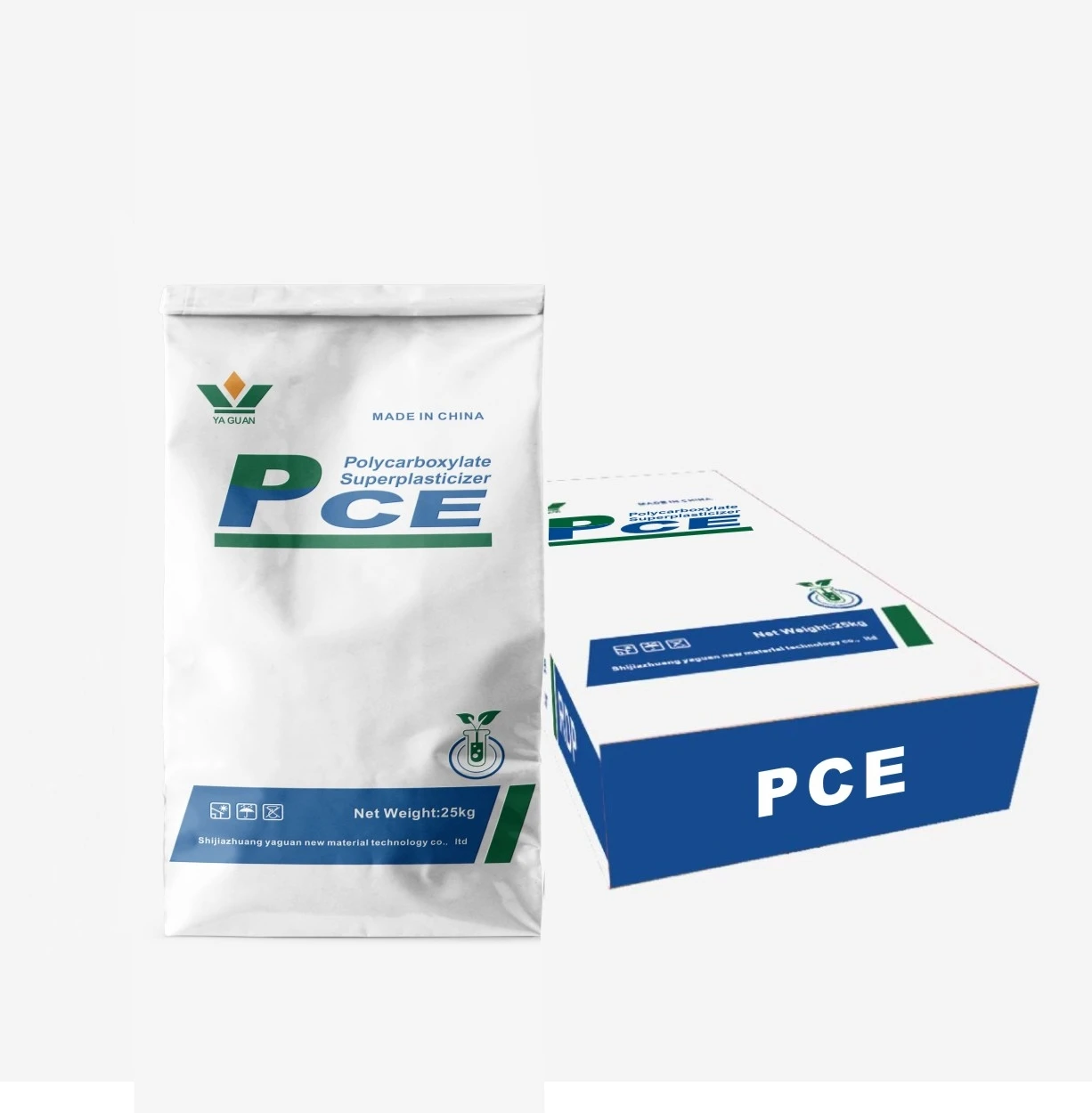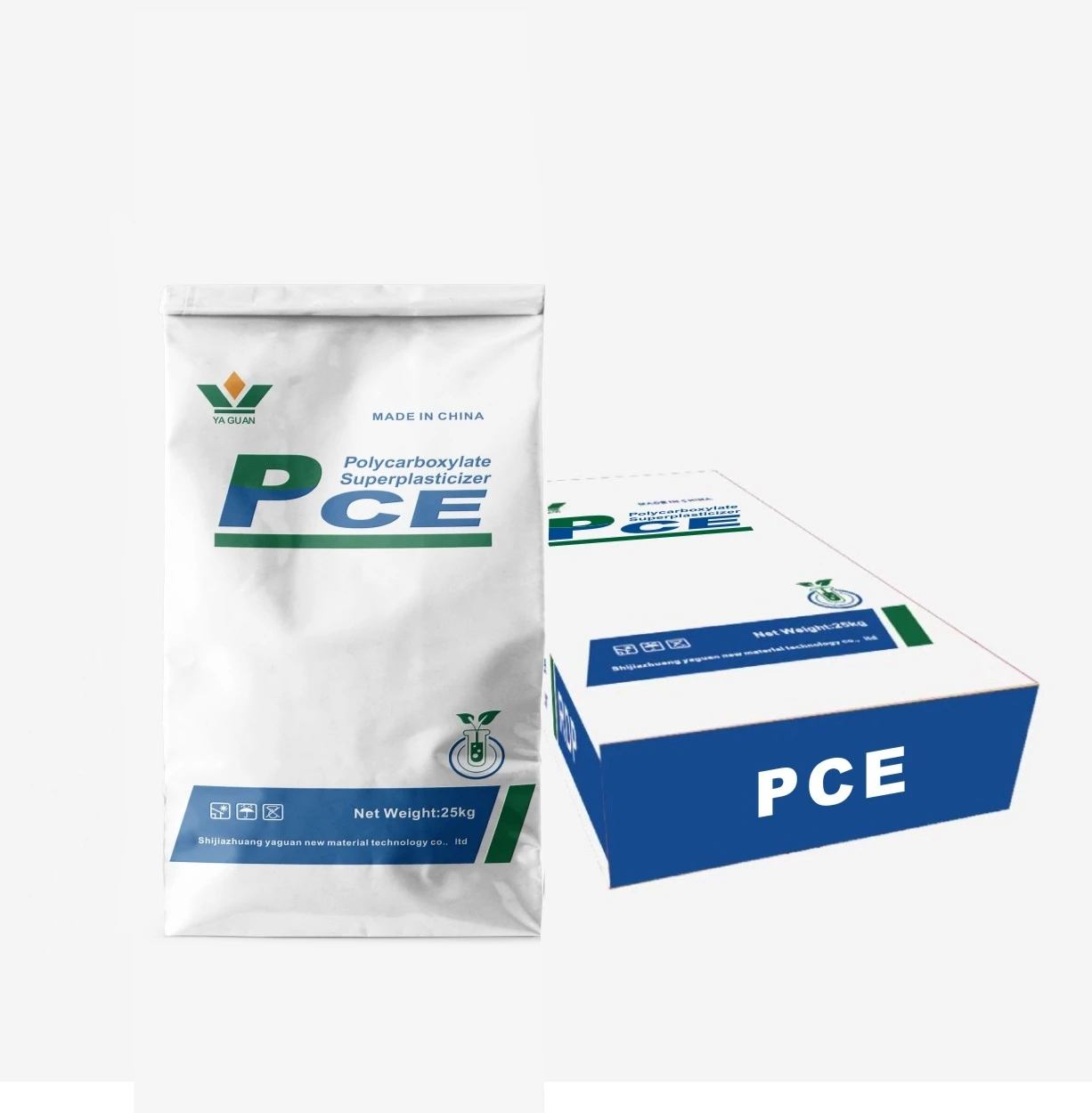

Polycarboxylate is a key solution in the industry, specifically within concrete admixtures and construction chemicals. This article explores how https://www.yaguanhpmc.com supports professionals with durable, high-performance products, and explains why this product is an ideal choice for businesses in these sectors.
Table of Contents
- Polycarboxylate Overview
- Benefits & Use Cases of Polycarboxylate
- Cost, Maintenance & User Experience
- Sustainability & Market Trends
- Frequently Asked Questions about Polycarboxylate
- Conclusion on Polycarboxylate from China
Polycarboxylate Overview
Polycarboxylate (PCE) is one of those materials in industrial chemistry that often goes unnoticed by the untrained eye, but it revolutionizes how concrete behaves on-site. Simply put, Polycarboxylate is a high-range water reducer and superplasticizer designed to enhance the fluidity of cement mixtures without compromising strength. You might say it’s the secret ingredient that helps concrete flow where you want it, without adding too much water—and that’s huge for durability.
Technically, PCEs feature a comb-like molecular structure, where a backbone with carboxylic groups attaches to side chains that help disperse cement particles. This interaction improves cement dispersion dramatically, cutting down on cement clumping and enhancing hydration. That equates to a stronger, longer-lasting product. For example, the latest formulations available via Yaguan HPMC offer tailored molecular weights and side chain lengths to fit specific concrete needs—from precast to high-performance mixes.
| Specification | Details |
|---|---|
| Appearance | Clear to light yellow liquid |
| pH | 6.5 - 8.0 |
| Solid Content | 30 ± 2 % |
| Density | 1.05 - 1.10 g/cm³ |
| Ionic Nature | Anionic |
Benefits & Use Cases of Polycarboxylate
Now, why do so many B2B decision makers swear by Polycarboxylate in their processes? Quite frankly, it’s about boosting efficiency and quality. Industries using concrete admixtures—like construction, infrastructure, and precast manufacturing—appreciate how PCEs help produce high-strength concrete with less water, leading to more workable, pumpable mixes. This means fewer onsite headaches and better finishing.
One standout feature is Polycarboxylate’s ability to maintain slump retention, which is critical when concrete needs to be transported over long distances or when weather conditions vary. Unlike older superplasticizers, PCEs provide excellent fluidity without rapid setting. This durability and performance consistency are why many engineers say it feels like a “game changer” compared to traditional solutions.
Typical use cases include ready-mix concrete plants aiming for sustainable, low-water formulations; precast manufacturers seeking fast setting without sacrificing strength; and even oil well cementing where fluidity under pressure is essential. Yaguan HPMC’s formulations cater to these needs with customizable products suited for specific project demands.
Cost, Maintenance & User Experience
When considering any additive, total cost of ownership (TCO) plays a major role. Polycarboxylate might initially seem pricier than older water reducers—but the return on investment comes through improved durability and less material waste. In real terms, companies often reduce cement usage by 15-25% thanks to better particle dispersion, which directly cuts material expenses.
Maintenance in terms of handling is straightforward too: PCE products from platforms like Yaguan are stable, easy to mix, and consistent batch-to-batch, leading to less downtime. User feedback from sites deploying these additives reports improved finish quality and fewer reworks—saving both time and money. Anecdotally, I’ve heard builders describe the noticeable difference as “kind of like the concrete just knows what to do.”
| Supplier | Price per Ton | Typical Applications | Lead Time |
|---|---|---|---|
| Yaguan HPMC | $1800 - $2200 | Construction, Precast, Oil Well Cementing | 2-3 weeks |
| Supplier B | $2000 - $2500 | General Concrete Admixtures | 3-5 weeks |
| Supplier C | $1700 - $2100 | Precast, Ready-Mix | 4 weeks |
Sustainability & Market Trends
The buzz around sustainability in construction is hard to ignore, and Polycarboxylate fits right into this narrative. Because it enables lower water consumption and reduces the quantity of cement required, PCEs effectively lower the carbon footprint of concrete production—a massive win given cement manufacturing contributes roughly 8% of global CO2 emissions.
Oddly enough, regulatory pressures are pushing manufacturers to innovate more aggressively toward greener admixtures, and companies like Yaguan HPMC are at the forefront of formulating bio-based variants that offer the same performance with even lower environmental impact.
On the market side, demand for Polycarboxylate is forecast to grow significantly, fueled by urbanization and infrastructure projects worldwide, especially in Asia and Africa. This upward trend means suppliers must keep innovating and optimizing supply chains to meet the real-time needs of developers and contractors.
Frequently Asked Questions about Polycarboxylate
- What is Polycarboxylate and how does it work?
- Polycarboxylate is a superplasticizer used mainly in concrete production to reduce water content while maintaining or improving workability. Its molecular structure disperses cement particles evenly, preventing clumping and enhancing hydration.
- What are the main benefits of using Polycarboxylate in industrial applications?
- Key benefits include improved concrete fluidity, higher strength, longer slump retention, reduced cement consumption, and overall cost efficiency through better performance and durability.
- How does Polycarboxylate compare to traditional alternatives?
- Compared to traditional naphthalene or melamine-based superplasticizers, PCEs provide superior water reduction, longer-lasting slump retention, less impact on setting time, and improved environmental profiles.
- What industries can benefit most from Polycarboxylate implementation?
- Industries such as construction, precast concrete manufacturing, oil well cementing, and infrastructure development can leverage PCEs to optimize concrete quality and cost performance.
Conclusion on Polycarboxylate from china
To sum it up, Polycarboxylate continues to be a vital additive that unlocks higher performance and sustainability for concrete and beyond. With options from trusted suppliers like Yaguan HPMC, businesses can find tailored solutions that fit their exact needs. It feels like investing in these advanced materials is becoming less a luxury and more a necessity in competitive construction markets.
- Polycarboxylate dramatically improves concrete quality and cost efficiency.
- Visit our website: https://www.yaguanhpmc.com
Reflecting on the evolving construction landscape, it’s clear that materials science advances, like Polycarboxylate chemistry, will remain cornerstone innovations—providing both environmental benefits and economic gains in equal measure.