
Why Understanding HPMC Price Matters Globally
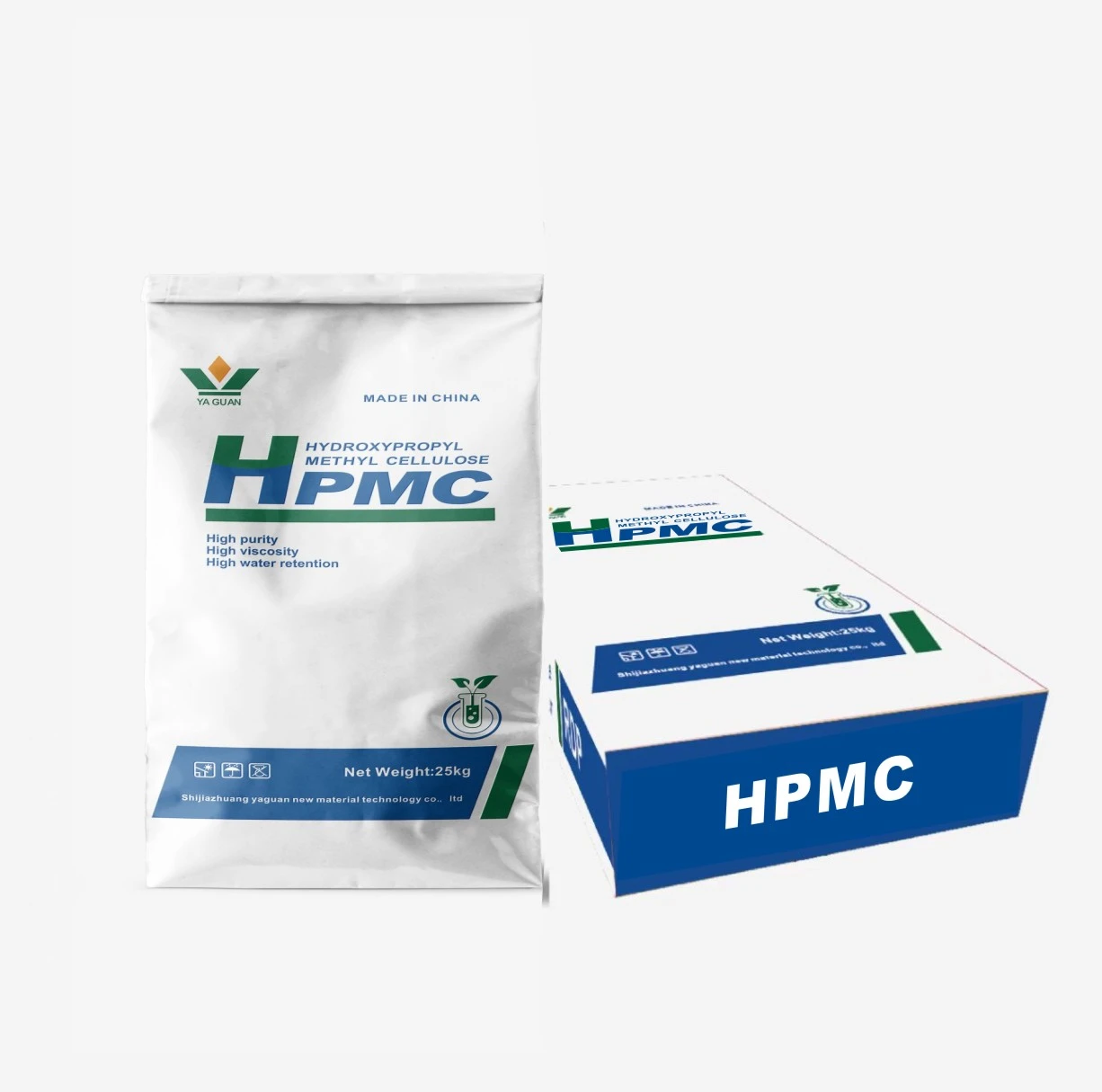
Hydroxypropyl Methylcellulose — or HPMC for short — is one of those unsung heroes quietly powering industries worldwide. From construction to pharmaceuticals, this compound’s pricing can make or break projects economically, influencing supply chains and end products everywhere. But beyond the numbers, knowing the hpmc price is critical for manufacturers, planners, and sustainability advocates alike. Why does this matter so much? Because HPMC’s availability and cost ripple through industries like construction — where it acts as a key binder and thickener — to medicine, where precise formulations depend on it for controlled drug release. Fluctuations in its price can ripple globally, affecting costs and accessibility. If you’re curious about how a seemingly simple price tag commands such widespread impact, you’re in the right place.Mini takeaway: Grasping hpmc price unveils the economic pulse behind multiple sectors, highlighting its subtle yet powerful role worldwide.
Global Context: The Shifting Dynamics of HPMC Pricing
The demand for HPMC has surged in recent years, primarily due to rapid urbanization and increased pharmaceutical production, according to multiple reports by the UN Industrial Development Organization (UNIDO). The global market valuation for cellulose ethers — which include HPMC — hit roughly $3 billion in 2023, growing at nearly 6% annually. This steady growth uncovers a challenge: price volatility. Factors like raw material scarcity (cellulose sources), energy costs, and geopolitical tensions influence the HPMC price. For developing nations keen on infrastructure growth or medicine access, volatility creates budgeting headaches and risks slowing development. If I recall, the International Organization for Standardization (ISO) committee on sustainable materials recently highlighted price transparency as a crucial step for ensuring equitable access. It’s not just about who pays what — it’s how that price shapes innovation and sustainability globally.Mini takeaway: Market growth and external pressures make understanding HPMC’s price a global economic imperative.
Decoding HPMC Price: What Does It Really Mean?
Simply put, HPMC price refers to the cost per unit weight (usually per kilogram or ton) at which Hydroxypropyl Methylcellulose is sold on the market. But it’s not just a static number. It fluctuates based on:- Raw material availability from wood pulp or cotton linters
- Production scale and technology
- Quality grades and chemical modifications
- Transportation and regulatory costs
Mini takeaway: HPMC price is more than cost — it’s a barometer of quality, logistics, and market conditions.
Key Factors Shaping HPMC Price
Raw Material Quality
The higher the purity of cellulose sources (usually derived from wood pulp), the pricier the resulting HPMC. Impurities can cause formulation issues, so the price often reflects quality assurance.Manufacturing Technology
Modern production lines are more efficient and eco-friendly, but upgrading to such facilities involves upfront costs reflected in unit prices. Factories with automation and closed-loop recycling systems may charge higher prices but yield more stable supply.Product Specifications
HPMC isn’t just one thing — it comes in grades tailored for viscosity, solubility, and substitution level. Specialty types for pharma applications attract higher prices due to stringent purity standards.Global Logistics
Transportation costs — especially for bulk shipments — can swing prices significantly. Fuel prices and trade tariffs directly influence landed cost.Regional Demand and Supply Imbalances
For instance, Asia Pacific is currently the biggest consumer, which tightens supply and nudges prices upwards during peak demand seasons.Mini takeaway: Behind every price tag lies a complex mix of raw materials, technology, specs, and logistics.
HPMC Product Specification Table
| Specification | Typical Range | Notes |
|---|---|---|
| Viscosity (mPa·s) | 100 - 4000 | Depends on application (construction vs pharma) |
| Methoxy Content (%) | 19 - 24 | Impacts solubility and gelation characteristics |
| Hydroxypropyl Content (%) | 4 - 12 | Affects thickening and film-forming properties |
| Bulk Density (g/cm³) | 0.35 - 0.6 | Influences packaging and transport efficiency |
| Moisture Content (%) | ≤ 5 | Affects stability and shelf life |
Where HPMC Price Impacts Industries and Regions
The influence of HPMC pricing spans sectors and continents. For example:- Construction: Asia and Middle East markets depend heavily on HPMC for tile adhesives and plaster. Price fluctuations can raise infrastructure costs dramatically.
- Pharmaceuticals: Europe and North America call for high-purity HPMC for controlled-release tablets — pricing here intricately affects drug manufacturing budgets.
- Food Industry: Used as a vegan thickener and stabilizer, demand from North America and Europe has spiked due to growing plant-based product trends.
- Humanitarian Aid: In regions recovering from disasters, affordable, reliable HPMC helps manufacture quick-dry mortars and binders vital for rebuilding efforts.
Mini takeaway: HPMC price isn’t just a number — it’s a crucial variable in real-world solutions across continents and crises.
Comparing Vendors: What Affects Your HPMC Price?
| Vendor | Price (USD/kg) | Quality Grade | Production Capacity (tons/year) | Lead Time (days) |
|---|---|---|---|---|
| GlobalChem Ltd. | 4.50 - 5.30 | Standard, Pharma Grade | 15,000 | 20 |
| Yaguan HPMC Supply | 4.20 - 5.10 | Standard, Food & Pharma Grade | 18,000 | 15 |
| CelluTech Industries | 5.00 - 5.80 | High Purity Pharma Grade | 10,000 | 25 |
The Hidden Value: Advantages and Long-Term Benefits
Considering hpmc price isn’t just about watching dollars per kilo. It's about weighing benefits:- Cost Efficiency: Affordable yet high-quality HPMC lowers operational costs and improves project margins.
- Sustainability: Many suppliers now prioritize eco-friendly cellulose sources, supporting green initiatives.
- Reliability: Trusted pricing leads to dependable supply chains, a must in critical industries.
- Safety & Innovation: Accurate pricing fuels R&D, enabling safer pharmaceutical formulations and bold new applications.
Mini takeaway: Beyond cost, understanding hpmc price fosters sustainability, innovation, and reliability.
Looking Ahead: Trends That Will Shape HPMC Price
The future? Changing fast. Some trends we expect:- Green Chemistry: Bio-based production methods could reshape costs and quality.
- Digital Marketplaces: Real-time pricing platforms emerging to curb volatility.
- Automation & AI: Smarter manufacturing means leaner costs, potentially stabilizing prices.
- Circular Economy Policies: Regulatory pushes toward waste reduction influencing supply chains and pricing.
Challenges in Managing HPMC Price & Smart Solutions
Of course, no market is perfect:- Price Volatility: Unpredictable raw material supplies can jolt prices unexpectedly.
- Quality Inconsistencies: Cheaper grades flood market risking applications.
- Regulatory Barriers: Differing import-export laws complicate international sourcing.
FAQ: Your Top Questions on HPMC Price Answered
- Q1: What factors most influence fluctuations in HPMC price?
- A1: Mainly raw material availability, energy costs, and manufacturing capacity. Seasonal demand and geopolitical issues also play roles. Prices usually vary with shifts in these core inputs.
- Q2: How does the quality grade of HPMC affect its price?
- A2: Higher purity or specialized grades for pharmaceutical or food use carry higher costs due to stricter manufacturing standards and testing requirements.
- Q3: Are HPMC products from different vendors interchangeable based on price?
- A3: Not always. While price is important, formulation compatibility and grade differences mean vendors should be chosen based on application needs, not just cost.
- Q4: Can NGOs import HPMC affordably for relief projects?
- A4: Yes, by partnering directly with suppliers who offer bulk discounts and streamlined logistics, NGOs can secure competitive pricing to ensure timely project execution.
- Q5: Is investing in higher-priced, eco-friendly HPMC worth it?
- A5: Often yes. The long-term benefits of sustainability, regulatory compliance, and consumer appeal tend to outweigh initial cost premiums.
Wrapping Up: The Long-Term Value Behind HPMC Price
Tracking hpmc price isn’t just a budgeting exercise — it’s a window into the balance of quality, sustainability, and innovation driving critical industries globally. From affordable housing post-disaster to cutting-edge medicines, the right price means the right impact. If you want to stay ahead in this dynamic field, keep an eye on suppliers like Yaguan who blend competitive pricing with quality and reliability. Visit Yaguan HPMC today — because mastering the price means mastering the future.References
- UNIDO, “Global Cellulose Ether Market Analysis,” 2023.
- ISO/TC 61, “Sustainable Materials and Products Standards,” 2022.
- Wikipedia contributors, “Hydroxypropyl methylcellulose,” Wikipedia, 2024.