
Understanding HPMC Products: Why They Matter Globally
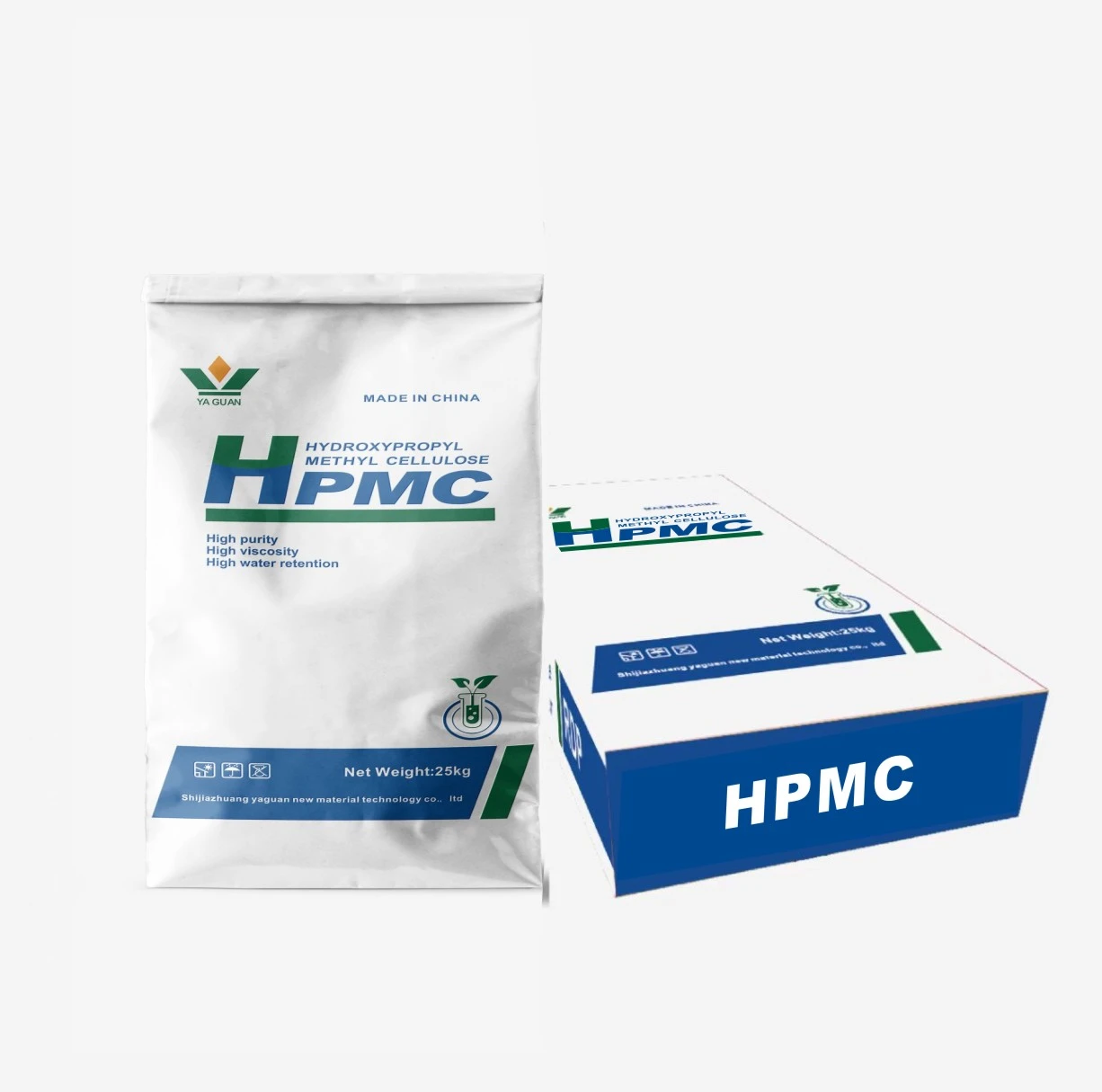
Hydroxypropyl methylcellulose products — or hpmc products if you want to keep it short — aren’t something you hear about at the dinner table every day, but they quietly underpin many industries worldwide. Their importance might not be immediately obvious, but given their widespread use in construction, pharmaceuticals, and food industries, understanding hpmc products unlocks tangible benefits ranging from improved product durability to sustainability gains.
Think about a world where construction materials hold together longer in extreme climates or medicines have consistent release profiles — HPMC literally shapes these realities. As urbanization accelerates, especially in emerging economies, and sustainability worries grow louder, HPMC-based materials provide both resilience and environmental advantages. That’s why taking a closer look at this niche is pretty rewarding.
The Global Stage: Why HPMC Products Are More Relevant Than Ever
On a macro level, the industries that use hpmc products are pivotal to economic growth and human wellbeing. For instance, the International Organization for Standardization notes that consistent standards governing cellulose ethers — of which HPMC is a major player — help keep quality and safety in check globally.
Some numbers to chew on: The global construction market is expected to reach nearly $15 trillion by 2030, and HPMC is frequently the unsung hero in improving cement and plaster mixes. Meanwhile, in pharmaceuticals, where reliable drug delivery systems can save lives, hpmc’s role is critical.
Still, challenges persist — particularly in maintaining supply quality and adapting to eco-friendly trends. It’s this tension between rising demand and responsible production that keeps the spotlight on innovative hpmc products.
What Exactly Are HPMC Products?
Put simply, HPMC stands for hydroxypropyl methylcellulose, a chemically modified cellulose polymer. Derived from plant fibers, it’s a cellulose ether that dissolves in cold water to form viscous solutions, making it versatile across applications.
In practical terms, hpmc products might appear as powders, pellets, or even as ready-to-use solutions. Their primary role is to act as binders, thickeners, film-formers, or water retention agents. Modern industries rely on them to tweak the physical properties of materials, whether that’s improving the spreadability of a plaster or controlling the release of a medicinal pill.
Oddly enough, the same substance that makes a creamy lotion glide smoothly on your skin also holds together enormous concrete wall panels thousands of miles away. As a renewable plant-derived polymer, hpmc also gains traction amid the push for greener materials.
Core Components of HPMC Products That Make a Difference
1. Viscosity Control
The viscosity of HPMC solutions is a game-changer. It dictates how thick or runny a formulation becomes. In construction mortars, for example, the right viscosity means fewer cracks and easier application.
2. Thermal Stability
HPMC products can withstand a wide temperature range without breaking down, which is crucial in industries like pharmaceuticals and food production.
3. Water Retention
One of the standout qualities is water retention. In building plasters and self-leveling screeds, maintaining moisture longer helps with proper curing.
4. Film Formation
HPMC forms thin, flexible films when dried, making it useful in edible coatings and encapsulation in drug delivery.
5. Compatibility
These products mix well with other additives, cementitious materials, and active pharmaceutical ingredients, making them flexible for custom formulations.
6. Biodegradability
Unlike some synthetic polymers, HPMC is biodegradable, adding an environmental benefit layer that’s increasingly valued worldwide.
Mini takeaway: The diverse properties of hpmc products make them much more than just additives — they are design tools optimizing functionality in multiple sectors.
Real-World Applications of HPMC Products Across The Globe
So how do these properties translate into real life? Let’s unpack some examples.
- Construction: In Europe and Asia, hpmc powders improve plaster work quality, reducing drying times by up to 30%. Countries with harsh winters also rely on these additives to maintain mortar work integrity under freezing conditions.
- Pharmaceuticals: In North America, HPMC formulating agents are widely used in sustained release tablets, ensuring medication effectiveness over hours or days rather than minutes.
- Food: In South America’s processing plants, edible coatings made from hpmc enhance shelf life and texture of fresh produce.
- Humanitarian relief: NGOs use fast-drying cements with hpmc components to construct temporary shelters quicker post-disasters.
Oddly, it’s often in challenging environments — remote industrial zones, disaster-stricken areas — that hpmc-based solutions prove their true worth. Ease of transport, rapid curing, and reliability make them preferred by engineers and aid workers alike.
Advantages & Long-Term Value of Investing in Quality HPMC Products
In real terms, the benefits are both emotional and logical. On the logical side, enhanced durability reduces maintenance costs, water retention improves energy efficiency in curing, and film formations create protective barriers. Emotionally, these improvements translate to safety for construction workers, dignity for patients relying on medication, and trust from end-users in product quality.
Moreover, the sustainability angle cannot be overstated. HPMC’s plant origins and biodegradability align well with corporate responsibility goals and international environmental standards.
Product Specifications Table
| Specification | Value | Notes |
|---|---|---|
| Viscosity (mPa·s at 2% in water) | 1000 - 4000 | Adjustable by grade |
| pH Stability Range | 3 - 11 | Stable in acidic & alkaline environments |
| Appearance | White/off-white powder | Pure product |
| Solubility | Cold water soluble | Forms clear solution |
| Viscosity Stability | Up to 150°C | Good thermal resistance |
Comparing Leading Vendors: What to Consider
| Vendor | Product Range | Grades Offered | Global Availability | Sustainability Focus |
|---|---|---|---|---|
| Yaguan | Construction, Pharma, Food | Custom viscosity & substitution levels | Asia, Europe, Americas | Yes, eco-certified products |
| Methocel (Dow) | Pharma, Construction | Wide range, pharmaceutical focus | Global | Moderate, ongoing initiatives |
| Shin-Etsu | Pharma, Cosmetics | Specialty grades | Asia, North America | Limited |
Emerging Trends & The Future of HPMC Products
Looking ahead, sustainability is shaping every material choice in industry, and hpmc products are following that path too. Innovations in greener production methods, such as enzymatic modification and lower-energy processes, are underway. Digitally, integrating HPMC’s physical properties with AI-assisted material design allows for next-level customization.
There’s also a visible shift towards multifunctional HPMC-based materials that combine water retention with antimicrobial effects for healthcare or smart packaging. Automation in manufacturing means more consistent product quality, which end users will appreciate deeply — especially in critical sectors like medicine manufacturing.
Challenges & How Experts Are Navigating Them
Despite all this promise, sourcing uniform quality cellulose can be a bottleneck, given the dependency on agricultural feedstock susceptible to climate variability. Additionally, regulatory hurdles vary widely between countries — so manufacturers need to stay vigilant on compliance.
Innovative solutions come from blending HPMC with other biodegradable polymers to extend properties or developing in-house quality control labs employing spectroscopy and rheometry. Collaborations across continents help spread knowledge and assure supply chains — a neat example of industry-wide problem solving.
FAQs About HPMC Products
Q1: What advantages do HPMC-based construction products have over traditional additives?
A1: HPMC products improve the workability, water retention, and adhesion in cement and plaster mix, resulting in smoother finishes, reduced cracking, and longer-lasting structures compared to traditional additives.
Q2: How long do pharmaceuticals using HPMC as a binder typically remain stable?
A2: Tablets and capsules with HPMC binders generally maintain stability over their intended shelf life, often 2-5 years, due to its inertness and resistance to temperature fluctuations.
Q3: Are hpmc products environmentally friendly compared to synthetic polymers?
A3: Yes, since hpmc is cellulose-derived and biodegradable, it offers a more sustainable alternative, though full environmental impact depends on sourcing and processing methods.
Q4: How can international buyers ensure reliable delivery of hpmc products?
A4: Partnering with reputable vendors who provide certification, transparent supply chains, and local warehousing options reduces risk and streamlines import procedures.
Conclusion: Why HPMC Products Are Worth Your Attention
In sum, hpmc products might be quietly working behind the scenes, but their influence spans continents and sectors. Investing in quality HPMC means better product performance, greener credentials, and long-term reliability. If this sounds like the edge your business or project needs, visit our website for tailored solutions that keep you ahead of the curve.
Mini takeaway: HPMC products are versatile, sustainable, and evolving — making them a smart choice for future-focused industries worldwide.