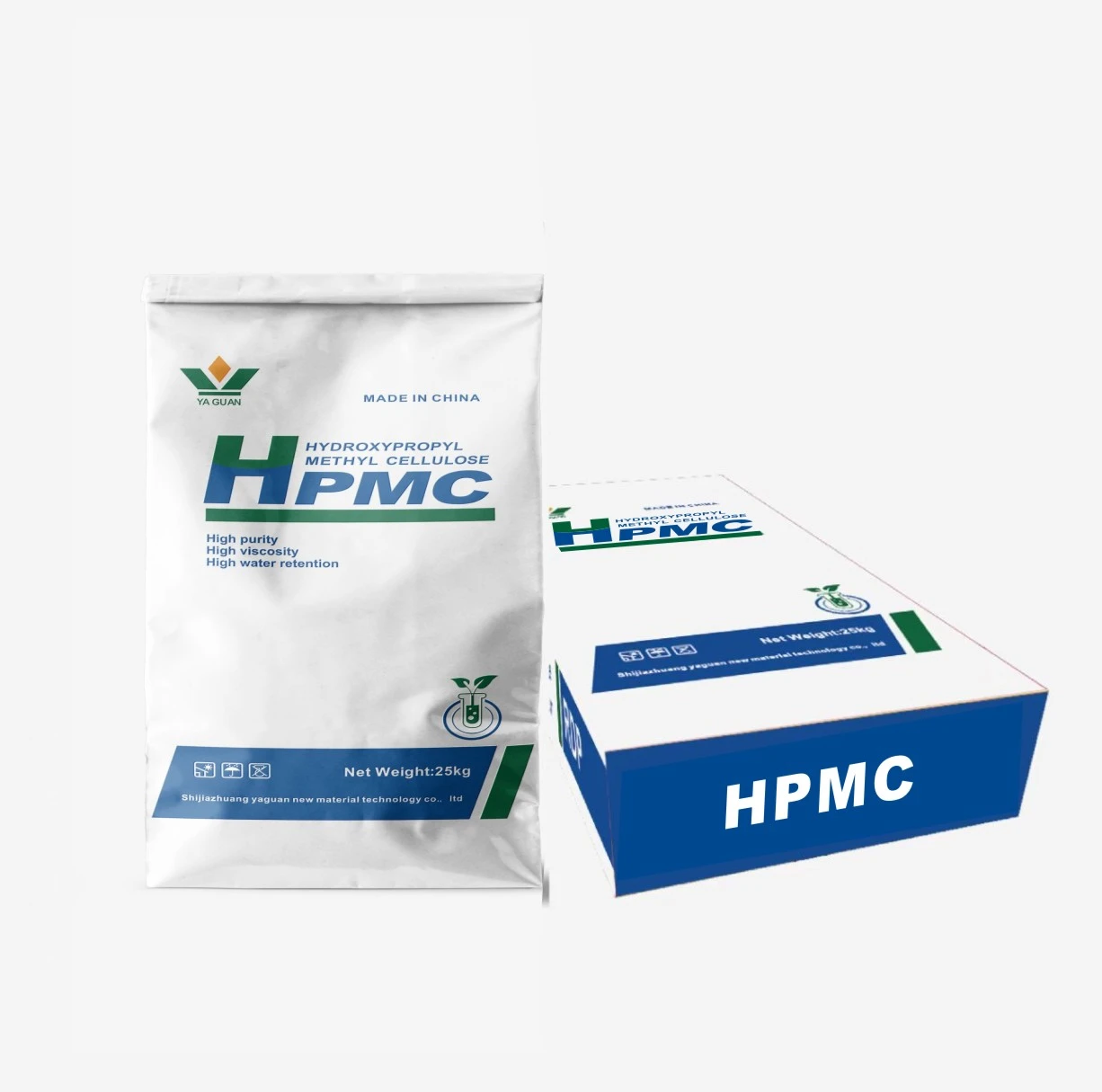

Understanding HPMC Quality: Why It Matters in Today's Industry
If you've ever glanced at the label of anything from pharmaceuticals to construction materials, there's a good chance you've come across "HPMC." Short for Hydroxypropyl Methylcellulose, HPMC is a versatile, non-toxic polymer prized for its thickening, stabilizing, and film-forming qualities. But more than just a chemical, the quality of HPMC has become a global benchmark for safety and efficiency in countless industries. Why? Because when you get the HPMC quality right, products perform better, processes become more reliable, and consumers — well, they get what they expect, consistently. In a world that’s increasingly obsessed with sustainability, speed, and precision, understanding how to measure and maintain HPMC quality isn't just a technical detail. It’s a strategic advantage. Whether you're in pharmaceuticals, food processing, or even construction, ensuring the right HPMC quality means better results across the board. ---What is HPMC Quality, and Why the Global Buzz?
Let's zoom out a bit. Globally, industries using HPMC are skyrocketing — ISO reports a steady annual increase in cellulose derivatives applications, and the UN's sustainable development goals push for safer, more biodegradable materials in manufacturing. HPMC fits that bill perfectly, but only if the quality is spot-on. The challenge is, not every HPMC batch is created equal. Variations can shift product consistency, affect drug release rates, or even alter paint adhesion. I’ve noticed that many companies struggle with raw material suppliers and sometimes end up with inconsistent grades, which can cause headaches downstream. Put simply: the demand for impeccable HPMC quality is fueled by the rising complexity of modern manufacturing processes and growing regulatory scrutiny worldwide. You want reliability? You want compliance? Think quality standards. ---What Exactly Does HPMC Quality Mean?
In practical terms, HPMC quality is about properties like viscosity, purity, moisture content, and particle size distribution. These determine how HPMC behaves in different scenarios. For example, in pharmaceuticals, the viscosity of HPMC influences how a tablet dissolves in the body. Too thick or too thin, and you risk losing efficacy. In construction, HPMC acts as a water-retention agent and binder — so consistent moisture performance is non-negotiable. This leads to a bit of a yin-yang: the chemical composition remains virtually the same, but its quality — the way it performs under certain conditions — can vary drastically. And frankly, that’s why testing and tight specifications are essential. ---Key Factors That Define High HPMC Quality
1. Viscosity & Consistency
The baseline for good HPMC is consistent viscosity. Many engineers say this is the quickest indicator of batch reliability. Viscosity impacts how the material mixes and behaves — critical in coatings or adhesives.2. Purity & Chemical Stability
Purity influences everything from safety to effectiveness. For food-grade or pharmaceutical HPMC, impurities can cause toxicity or compromise shelf life. Stability ensures the product won’t degrade during storage or use.3. Particle Size Distribution
A somewhat overlooked factor, but particle size affects solubility and dispersion. Oddly enough, a narrow particle size range makes the final product smoother and application easier.4. Moisture Content
Too much moisture can cause clumping; too little can impact solubility. Maintaining the right humidity balance is crucial in production and storage.5. Film-Forming Properties
In many uses, the ability of HPMC to form a transparent, durable film is what sets it apart. This quality is crucial in tablet coatings and specialty paints. Mini takeaway: Without these core factors dialed in, HPMC can't deliver the consistent, predictable performance the market demands. ---Where HPMC Quality Really Makes a Difference Globally
Around the world, sectors rely on HPMC quality to power their innovations: - Pharmaceuticals: Controlled-release tablets require precise HPMC grades to ensure proper medication delivery. - Construction: In dry-mix mortars and tile adhesives, HPMC maintains moisture and improves workability. - Food Industry: Used as an emulsifier and thickener, especially in gluten-free products. - Cosmetics: For that smooth feel and long-lasting finish. - Disaster Relief & Humanitarian Aid: In remote areas, low-cost housing and sanitation products often use HPMC for better durability. For instance, in Southeast Asia — where humidity variations can be extreme — having high-quality HPMC in construction materials can mean the difference between a structure lasting years or mere months. Similarly, NGOs often demand consistent HPMC quality to produce affordable, safe water-purifying tablets for emergency settings. ---Advantages & Long-Term Value of Prioritizing HPMC Quality
When companies invest in high HPMC quality, they get: - Improved Product Consistency: Fewer surprises during production, meaning less waste. - Cost Efficiency: Reduced need for rework or recalls keeps budgets sane. - Sustainability: Biodegradable and non-toxic, good quality HPMC helps reduce environmental footprints aligning with UN sustainable goals. - Enhanced Safety & User Trust: Consumers get safer pharmaceuticals and food products. - Innovation Enablement: Allows for new formulations and improved functionality. At its core, focusing on HPMC quality isn’t just about checking boxes; it creates value that ripples from manufacturers to end-users, making processes smoother and products safer. ---Future Trends in HPMC Quality
The buzz right now is around: - Green Chemistry: Manufacturers are pushing for solvent-free, energy-saving processes. - Digital Quality Control: Automated inline monitoring for viscosity and particle size is becoming standard, reducing errors. - Nano-Modified HPMC: Enhancing mechanical properties for next-gen high-performance coatings. - Customization: Tailoring HPMC grades for highly specialized uses, from 3D printing to bioadhesives. It feels like the industry is moving toward more transparent supply chains and more exacting standards — so knowing your supplier’s specs offhand is turning from luxury into necessity. ---Challenges & How Experts Are Tackling Them
Of course, no rose without a thorn. On the downside: - Batch Variability: Even tiny manufacturing shifts can cause quality swings. - Testing Complexity: Requires precise instruments and skilled operators. - Cost Pressures: Balancing quality with affordability is a constant tug-of-war. Creative firms are solving this with: - Multi-parameter quality monitoring systems. - Stronger collaboration between suppliers and manufacturers. - Adoption of ISO 9001 certified processes to tighten controls. ---Top HPMC Quality Specifications at a Glance
| Specification | Typical Range | Notes |
|---|---|---|
| Viscosity (mPa·s, 2% solution) | 1000 - 40000 | Varies with grade/application |
| Moisture Content (%) | 4 - 8 | Stored in controlled humidity |
| Purity (%) | > 98 | Food/pharma grade |
| pH (2% solution) | 5.0 - 8.0 | Neutral to slightly basic preferred |
| Particle Size (μm) | 10 - 100 | Depends on use case |
Vendor Comparison: Picking the Right HPMC Supplier
| Vendor | Quality Certifications | Application Range | Lead Time | Customization Options |
|---|---|---|---|---|
| Yaguan HPMC | ISO 9001, GMP | Pharma, Food, Construction | 2-3 Weeks | Tailored viscosity & grade |
| GlobalCell | ISO 9001 | Food, Cosmetics | 4-5 Weeks | Limited |
| ChemPure | GMP, ISO 14001 | Industrial, Adhesives | 3 Weeks | Moderate customization |
Frequently Asked Questions About HPMC Quality
Q1: How can inconsistent HPMC quality affect pharmaceutical products?A: Variations in HPMC’s viscosity or purity can alter tablet dissolution rates, potentially impacting the drug’s therapeutic effect. That’s why adherence to strict quality specifications is essential to maintain dosage accuracy and patient safety. Q2: Is HPMC an eco-friendly alternative in construction?
A: Yes, HPMC is biodegradable and non-toxic, making it a greener choice compared to synthetic polymers. Its water retention and binding properties help reduce the need for harmful additives, supporting sustainable building practices. Q3: What makes HPMC from Yaguan stand out in terms of quality?
A: Yaguan’s HPMC products meet ISO 9001 and GMP standards, offering tailored viscosities and high purity levels. Their focus on customization helps customers achieve precise performance in pharma, food, and construction applications. Q4: How do I ensure storage does not degrade HPMC quality?
A: Store HPMC in cool, dry conditions with controlled humidity (around 50%). Avoid exposure to direct sunlight and moisture fluctuations to prevent clumping and maintain chemical stability. Q5: Can HPMC quality affect the texture of gluten-free food products?
A: Absolutely. HPMC mimics gluten’s binding properties. The right quality and particle size ensure dough elasticity and moisture retention, which improves the texture and shelf life of gluten-free baked goods. ---