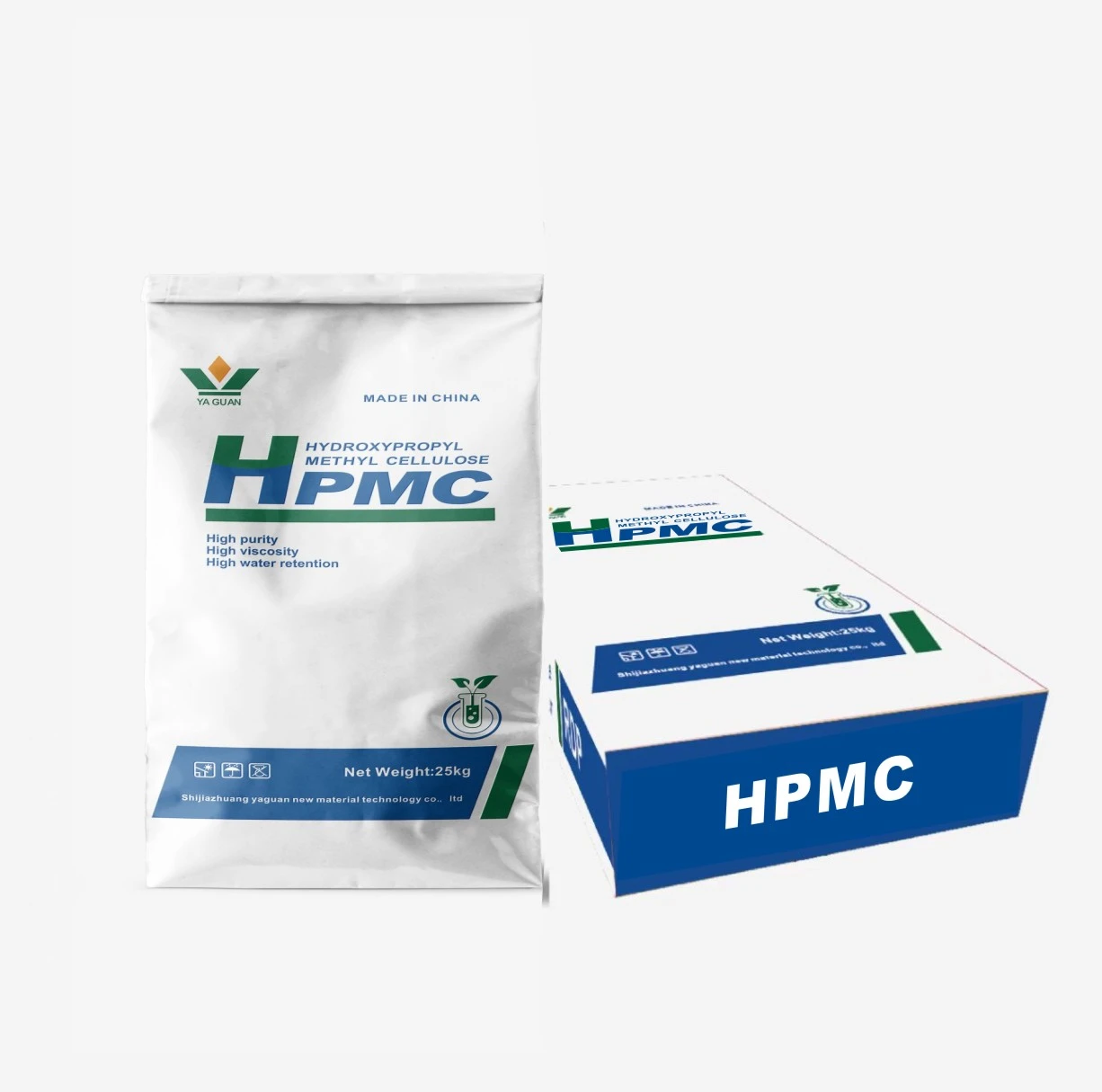

Unpacking the Different Grades of HPMC PDF: What You Really Need to Know
Hydroxypropyl Methylcellulose (HPMC) is everywhere—in the background of construction, pharmaceuticals, and food industries—but its varied grades can be a bit mystifying when you first look into them. And then there’s the “pdf” part, which often refers to digital material sheets or technical datasheets that help professionals understand the nuances of each grade. Frankly, grasping the different grades of HPMC pdf isn’t just an academic exercise; it’s crucial to applications where reliability, consistency, and performance matter globally.
The benefits of this knowledge? Well, for industries relying heavily on HPMC—such as cement-based mortars or controlled drug release mechanisms—the right grade literally makes or breaks the product’s success. Let’s take a trip through the core details, real-world implications, and why staying savvy about HPMC grades is a timely necessity.
The Global Context: Why Understanding HPMC Grades Matters More Than Ever
On a worldwide scale, the demand for cellulose derivatives like HPMC has surged exponentially. The ISO standards reflect the growing complexity of the products depending on these materials, and according to recent industry reports, the global HPMC market is projected to grow at over 6% annually in this decade. This growth stems largely from accelerated urban development in Asia-Pacific and sustainability goals pushing greener, more durable construction materials in Europe and North America.
But here’s the snag: not all HPMC is created equal. Different grades influence everything from viscosity and setting time to adhesion and moisture-retention properties. A wrong grade choice may lead to cracks in mortar, inefficient drug release rates, or unstable coatings—issues that ripple through supply chains worldwide.
So the challenge? Making sure engineers, pharmacists, food technologists, and other end-users have access to clear, comprehensive different grades of HPMC pdf materials they can trust during product formulation and quality control.
Mini takeaway:
- The global rise in HPMC consumption reveals distinct challenges in selecting the correct material grade.
- Technical datasheets (pdfs) are essential educational tools that explain these grades thoroughly.
What Exactly Are Different Grades of HPMC?
Simply put, “different grades of HPMC” refer to classifications based on molecular weight, viscosity, substitution degree, and particle size, among other criteria. These grades determine how HPMC behaves physically and chemically, whether it’s thickening a paint, stabilizing a pharmaceutical tablet, or improving the workability of a plaster.
When you see a "different grades of HPMC pdf," you’re usually dealing with detailed documentation that outlines these characteristics and indicates recommended applications. In an age where custom formulations and compliance with health/safety regulations reign supreme, these detailed PDFs become indispensable guides.
For industries addressing humanitarian or industrial needs—say improving water-resistant mortars in disaster zones—the right grade makes a difference in durability and overall safety. It’s not just chemistry; it’s a vital bridge to better living conditions.
Mini takeaway:
- Grades differ primarily by viscosity, substitution levels, and application specificity.
- PDF datasheets provide the critical technical data needed for material selection.
Key Factors Defining the Different Grades of HPMC
Viscosity
This is arguably the most important factor. Viscosity impacts flow and workability. Low-viscosity grades work well in fine sprays or coatings, while high-viscosity grades add thickness and cohesion, ideal for cementitious materials.
Degree of Substitution (DS)
The DS indicates the average number of hydroxypropyl or methyl groups attached to the cellulose backbone. This changes solubility and gelling behavior—critical when developing tablets or food products.
Solubility & Moisture Retention
Different grades react distinctly to water content, influencing drying times, adhesion, and flexibility. In construction, moisture retention avoids premature cracking.
Thermal Stability
Some HPMC grades are designed to withstand higher temperatures, useful in applications like heat-resistant coatings or pharmaceuticals requiring sterilization.
Purity and Compliance
Grades vary by purity levels, with pharmaceutical or food-grade HPMC complying fully with pharmacopeia standards, whereas construction-grade may have different requirements.
| Grade | Viscosity (mPa·s) | Degree of Substitution (DS) | Application | Typical Use |
|---|---|---|---|---|
| HPMC 15,000 | 15,000 | 1.8 - 2.0 | High thickening | Tile adhesives, pastes |
| HPMC 4,000 | 4,000 | 1.5 - 1.7 | Medium viscosity | Cement mortars |
| HPMC 100 | 100 | 1.3 - 1.5 | Low viscosity | Pharmaceutical coatings |
Mini takeaway:
- Viscosity and substitution largely determine how and where a grade of HPMC gets used.
- Matching grade to application maximizes performance and minimizes costly mistakes.
How Different Grades of HPMC Are Used Around the World
From the skyscrapers of Shanghai to the pharmaceutical plants in Germany, the different grades of HPMC are silently doing their bit. In post-disaster rebuilding zones, high-viscosity HPMC grades help create durable, moisture-retaining mortars that allow walls to withstand monsoon rains. Meanwhile, in pharmaceutical sectors in North America, the low-viscosity grades precisely control how tablets disintegrate, ensuring consistent drug release.
Food manufacturers in Japan employ specific HPMC grades for gluten-free baking to improve dough elasticity without compromising safety. The different grades of hpmc pdf files are user manuals for these industries, decoding complex chemistry into usable specs.
NGOs in remote industrial zones also find tailored HPMC grades invaluable—whether for coating applications that resist dust in deserts or water-retentive mortar in humid tropical climates.
Mini takeaway:
- Different regions exploit HPMC grades based on local climatic and industrial needs.
- Documentation like pdfs serve as educational anchors, especially in developing economies.
Why Choosing the Right Grade Pays Dividends: Advantages & Long-Term Value
For engineers and formulators, choosing the right HPMC grade is more than technical pedantry. It's an investment in reliability. Using a grade that matches your product need assures better viscosity control, improved structural integrity, and environmentally friendly formulations.
From a social angle, this means safer buildings, better medicines, and food products that meet consumer expectations for quality and safety. Emotionally, it breeds trust—between manufacturers, regulators, and end-users—because product failures from improper HPMC specs can cause real harm and loss of dignity.
It even impacts sustainability — long-lasting mortars reduce waste, and biocompatible HPMC in pharma reduces reliance on synthetic polymers.
Mini takeaway:
- Right grade choice enhances product safety, performance, and sustainability.
- It supports trust across the supply chain—from manufacturer to consumer.
Future Trends: What’s Next for Different Grades of HPMC?
Innovation doesn’t sleep. Some of the exciting developments are hybrid HPMC materials with enhanced biodegradability to meet evolving environmental policies. Digital transformation means that increasingly, detailed different grades of hpmc pdf will be interactive, integrating data on batch traceability and performance analytics in real time.
Green chemistry is driving grades specifically optimized for energy-efficient production processes, while automation in pharma production is pushing demand for grades with ultra-consistent particle size and solubility profiles.
Oh—and smart packaging? Future HPMC grades could help form biodegradable wrappers with controlled moisture barriers—kind of clever, right?
Mini takeaway:
- Environmental considerations and digital tools will shape future HPMC grade developments.
- The role of data-rich different grades of hpmc pdf resources will only expand.
Challenges & Solutions: Navigating the Complexities of HPMC Grade Selection
Of course, it’s not all roses. Because of the chemical complexity, mixing up grades or relying on incomplete data sheets can result in product failures. Plus, there are supply chain variabilities and sometimes inconsistent international standards that muddy procurement decisions.
Experts recommend thorough lab testing aligned with international standards such as USP or EP and sourcing grades from reputable suppliers who provide comprehensive, up-to-date different grades of hpmc pdf documentation.
Lately, some manufacturers have adopted AI-driven formulation tools that cross-check properties and suggest optimal grades based on user inputs. These digital aids will likely become industry staples soon.
Vendor Comparison: Popular HPMC Suppliers at a Glance
| Supplier | Range of Grades | Certifications | Global Reach | Specialties |
|---|---|---|---|---|
| Yaguan Chemicals | Wide (low to high viscosity) | USP, EP, ISO | Asia, Europe, Americas | Construction & Pharma |
| Ashland Inc. | Medium to high viscosity | USP, FDA | Global | Pharma & Food |
| Dow Chemical | Broad spectrum | ISO, NSF | Global | Industrial applications |
FAQs: Your Most Burning Questions About Different Grades of HPMC PDF
Q1: How do I choose the right HPMC grade for a cement mortar application?
A: Look for medium to high viscosity grades (roughly 4,000+ mPa·s) that offer good water retention and adhesion. Check the supplier’s technical datasheets (pdf) to ensure the formulation matches local climate and regulatory standards.
Q2: Can HPMC grades differ significantly between suppliers?
A: Yes, subtle variations in molecular weight and substitution can affect performance. That’s why obtaining detailed, authentic different grades of hpmc pdf and requesting sample testing prior to bulk orders is wise.
Q3: Is HPMC safe for pharmaceutical use?
A: Absolutely—pharmaceutical-grade HPMC complies with strict USP and EP pharmacopeia standards. The datasheets clarify purity and usage instructions to ensure safety and efficacy.
Q4: How important is viscosity in food applications?
A: Very important. Viscosity directly affects texture and shelf stability. Low- to medium-viscosity grades are often preferred in dairy products and gluten-free goods, with manufacturer pdf specs guiding the formulation.
Q5: Where can I find reliable different grades of hpmc pdf documents?
A: Start with official supplier websites like Yaguan Chemicals’ resource page. Industry standards bodies and chemical databases also offer useful, vetted information.
Wrapping Up: Why Knowing Different Grades of HPMC and Their PDFs Is a Game-Changer
Knowing your HPMC grades and having access to detailed different grades of hpmc pdf documentation feels like having a secret map through a very technical jungle. It’s the difference between guesswork that leads to delays—and smooth operation that brings superior products to market on time.
Whether you’re working in pharmaceuticals, construction, food, or even ecological packaging, these grades define the “how” and “why” behind your product’s success—and sustainability. So next time you download or request a HPMC grade pdf, think of it as investing in the safety, innovation, and trustworthiness of what you build or produce.
Want to dive deeper? Visit our website for the most comprehensive resources and expert consultations: https://www.yaguanhpmc.com